
Castle and Manor Ruins in Belarus
Castle and manor ruins in Belarus appeal to travellers who prefer authentic walls to modern reconstructions: remains of medieval fortresses, crumbling magnate palaces, abandoned churches, old distilleries and watermills. Each has its own story, often as dramatic as those of the famous castles.
This collection features more than fifty ruins from our catalog with photos and map locations. Below we cover the best-known ruins, lesser-known sites worth a detour and how to explore them safely.
Places found: 290


 3
 1863




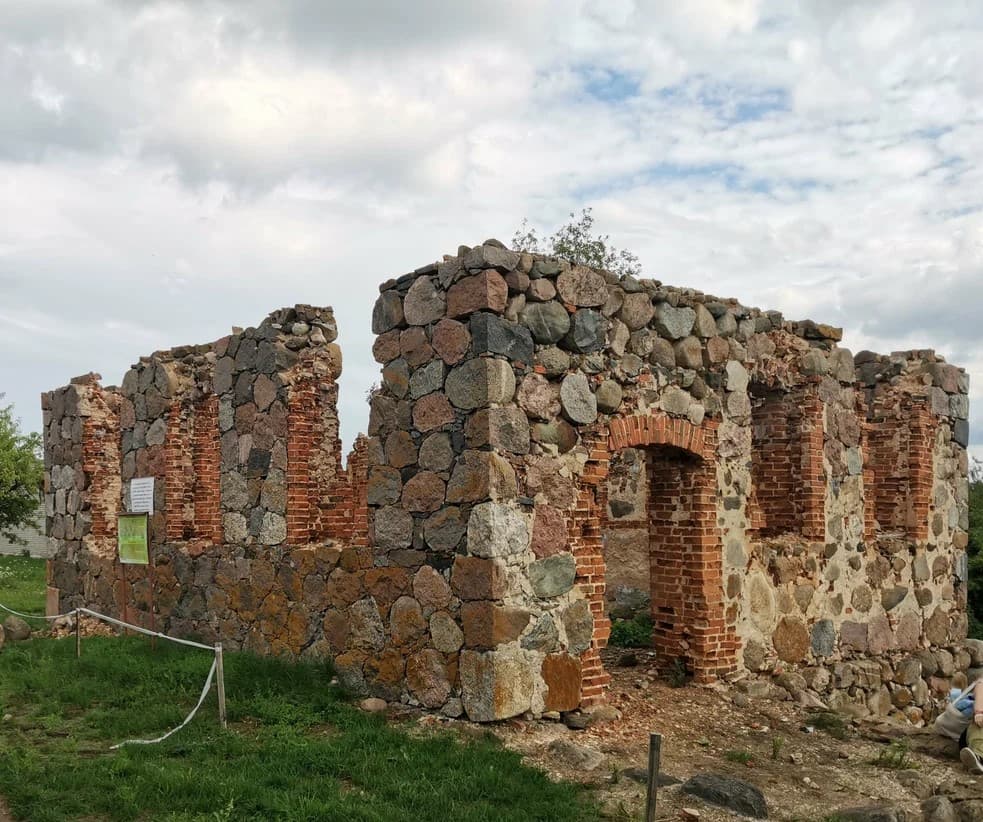
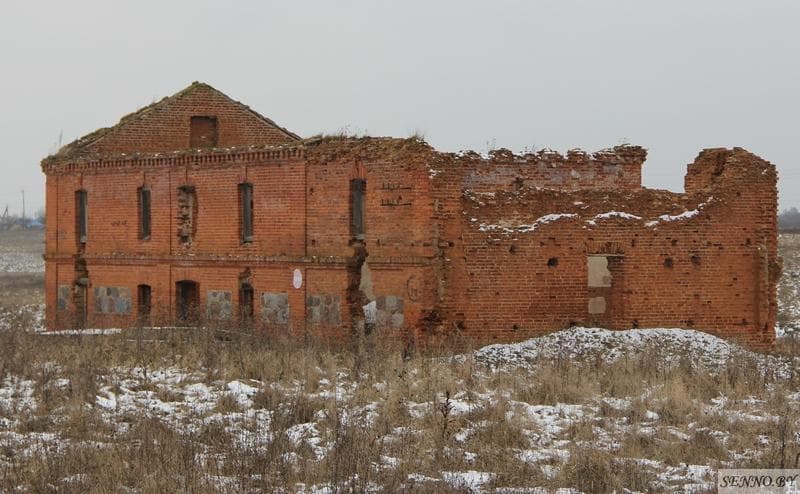
The most famous castle ruins
- Krevo Castle - one of the oldest stone castles in Belarus, dating from the 14th century. Grand Duke Kęstutis died here in 1382, and in 1385 the Union of Krewo between the Grand Duchy of Lithuania and Poland was concluded here. Conservation work is under way.
- Novogrudok Castle - fragments of the Shield Tower and the Church Tower survive on Castle Hill, with views over a town that was one of the early capitals of the Grand Duchy of Lithuania.
- Golshany Castle - ruins of an early 17th-century Sapieha residence, linked to the legend of the White Lady; the castle inspired Uladzimir Karatkevich’s novel The Black Castle of Olshany.
- Ruzhany Palace - a former Sapieha residence, partly restored: the entrance gate and wings have been rebuilt, while the main building long stood in ruins.
Ruined churches and estates in our catalog
Most sites here are rural, places where you can spend an hour in silence and imagine how they looked centuries ago:
- The ruins of the parish church in Kletsk and the 18th-century Jesuit church ruins in Novye Novoselki.
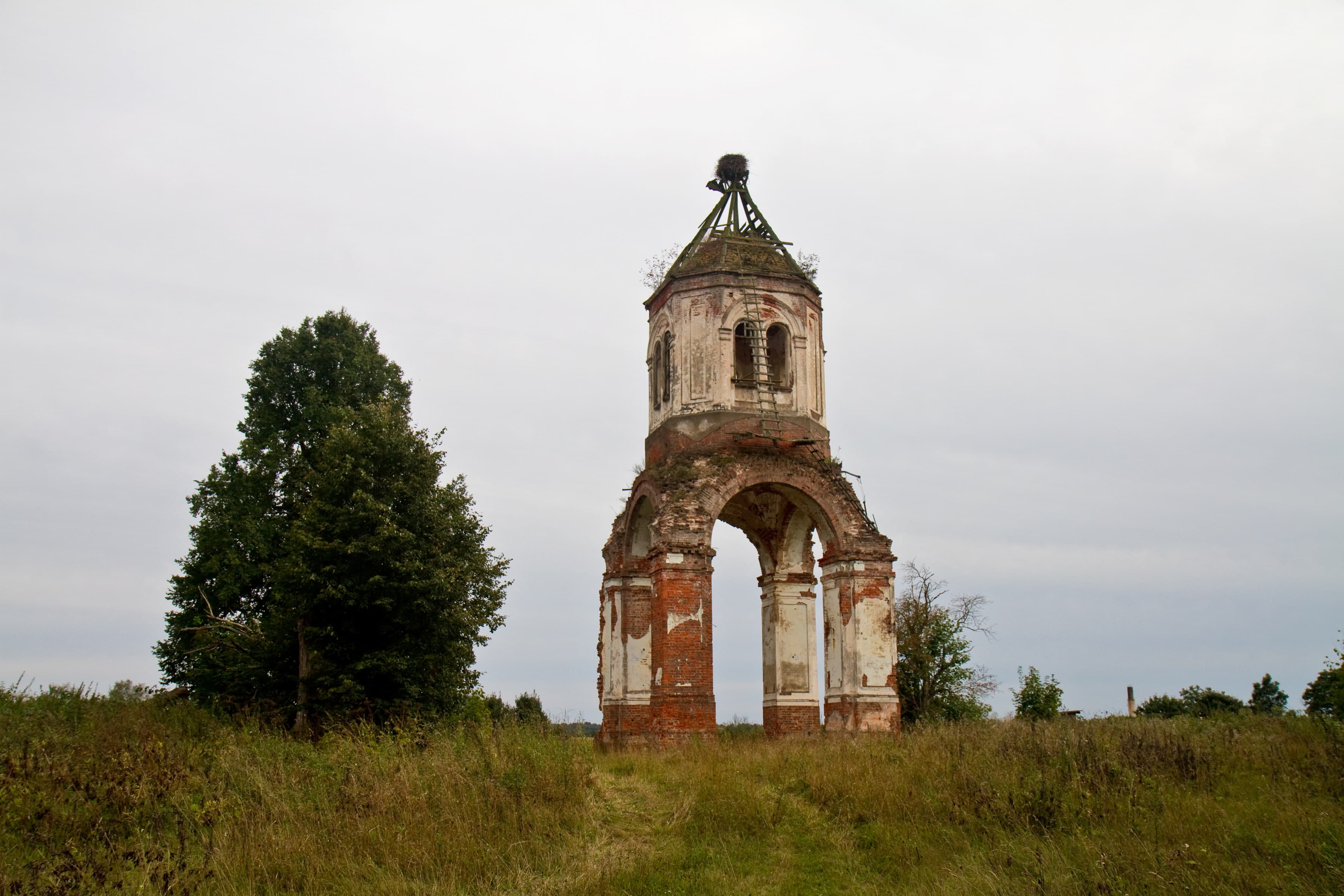
- Ruined Orthodox churches in Korma, Mostoviki, Novospassk, Starinki, Vysokoye, Gavrilenka and Brazdetskaya Sloboda.
- The 17th-century chapel ruins in Staraya Zhosna and gentry burial chapels such as the Ślizień chapel in Drutskovshchizna.
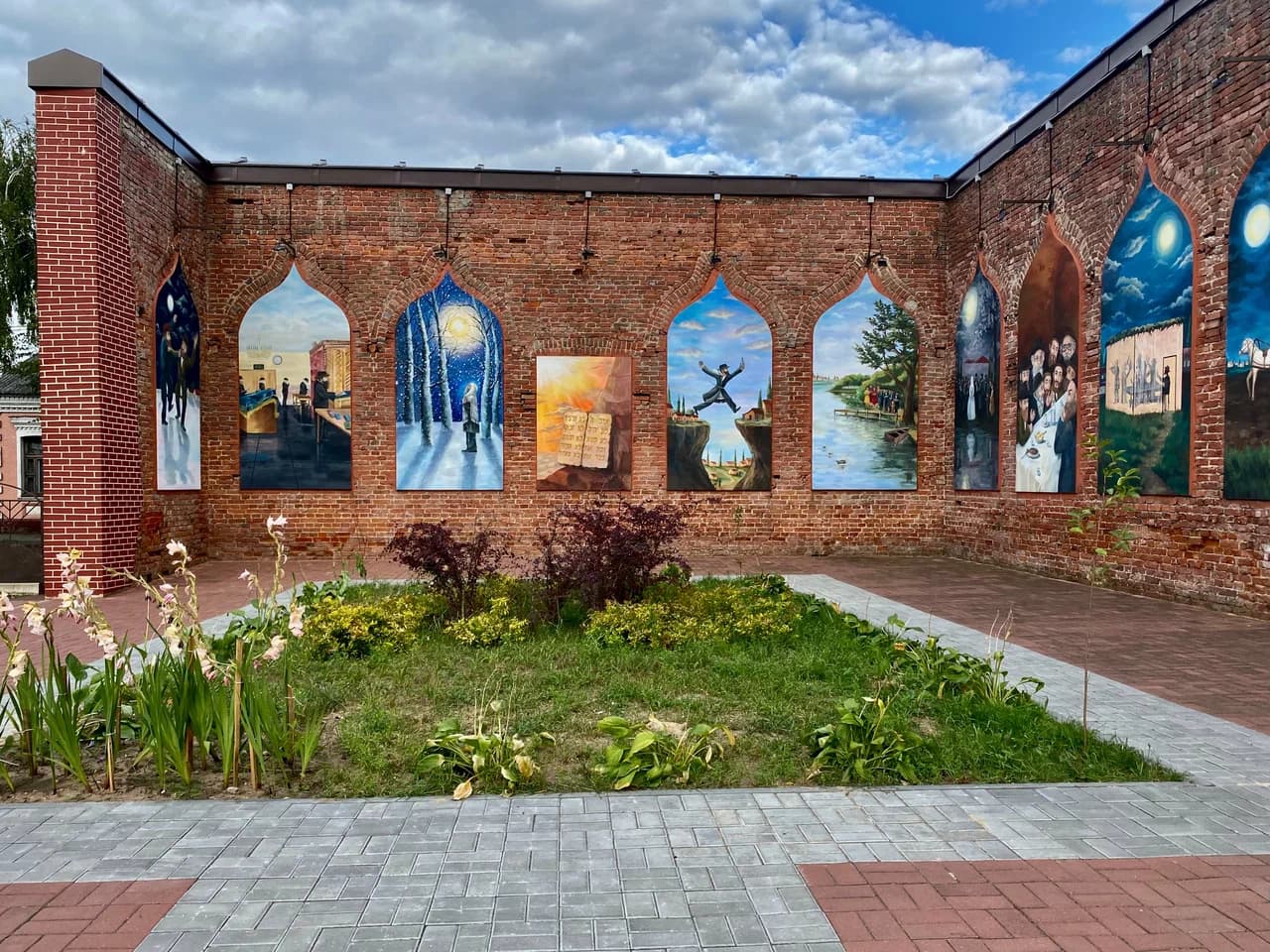
- The synagogue in Indura, a reminder of the Jewish shtetls of the Grodno Region.
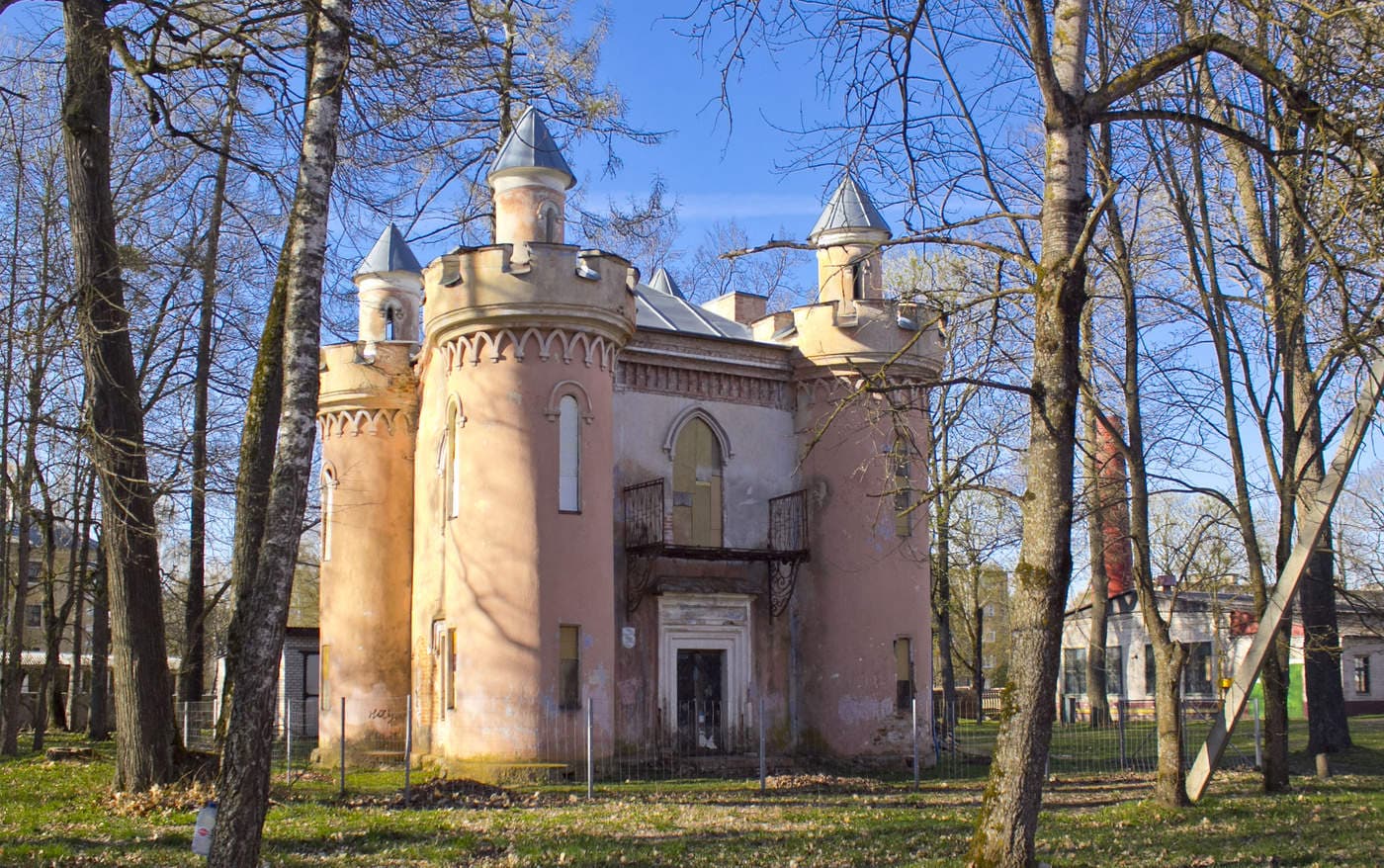
- The Wołodkowicz manor ruins in Ivansk, the remains of the Jelski estate in Khatkovtsy and estate farm buildings in Obodovtsy, Kuntsevshchina and Tolkachevichi.
Industrial and military ruins
Farm and military buildings form a fascinating group of their own. The collection includes the distillery and park in Bobovnya, the winery building in Voloduta, the Prushinsky estate stables in Korolishchevichi and the ruined watermill on the Isloch River in Treskovshchina. Military history fans should visit the Molotov Line bunker in Noviki, part of the fortifications built along the new western Soviet border shortly before 1941.
A weekend route
The classic ruins route runs through the Grodno Region: Krevo - Golshany - Novogrudok. All three castles can be seen in a day by car, and on the second day you can add Ruzhany and a few village churches. In the Minsk Region, combine Kletsk, Korolishchevichi and Treskovshchina with a trip to Nesvizh or around the capital.
Tips for photographers
Ruins look best in soft morning or evening light, when the brickwork glows warm and shadows bring out the texture of the walls. Dawn mist can turn even a small ruined chapel into a cover shot. If you plan to fly a drone, check the current rules in advance: they are strict in Belarus, especially near the borders.
Exploring ruins safely
Ruins are not museums: walls can collapse and floors rotted long ago. Don’t climb walls or enter cellars, stay out if bricks hang overhead and keep an eye on children. Many sites are protected monuments, so don’t take bricks or decorative fragments. Spring and autumn are the best seasons, with fewer nettles and ticks, and without leaves the ruins are much easier to see. When heading to remote sites, tell someone your route, as mobile coverage in forested areas can be patchy.
Frequently asked questions
What are the most famous castle ruins in Belarus?
Most visitors head for the castle ruins at Krevo, Novogrudok and Golshany. All three are in the Grodno Region and can be seen in a single day.
Is it safe to go inside ruins?
Often it is not: walls and vaults can collapse. It is safer to view ruins from outside and not climb the walls.
What is the Molotov Line?
It is a system of fortifications the USSR began building along its new western border shortly before 1941. Many of its bunkers survive in the Brest and Grodno regions.
Why are there so many ruins in Belarus?
Castles, churches and manors suffered heavily in the wars of the 17th to 20th centuries, and after 1939 many estates and churches lost their owners and fell into decay.
Other collections
- Minsk Region
- Brest Region
- Grodno Region
- Vitebsk Region
- Mogilev Region
- Gomel Region
- Minsk
- Grodno
- Brest
- Vitebsk
- Polotsk
- Gomel
- Mogilev
- Castles & Palaces
- Churches
- Manor Houses
- Museums
- Memorials
- Nature
- Archaeology
- UNESCO Sites
- With Kids