
Archaeological Sites of Belarus: Hillforts and Burial Mounds
The archaeological sites of Belarus include hillforts on steep riverbanks, castle hills where wooden castles once stood, burial mound fields hidden in forests and the places where the first towns began. Often all you see is a grassy hill, but its summit offers the best views for miles around.
This collection features the hillforts and castle hills in our catalog with descriptions and map locations. Below we explain the different types of sites, which ones to see first and how to behave at protected monuments.
Places found: 41


 1
 2524
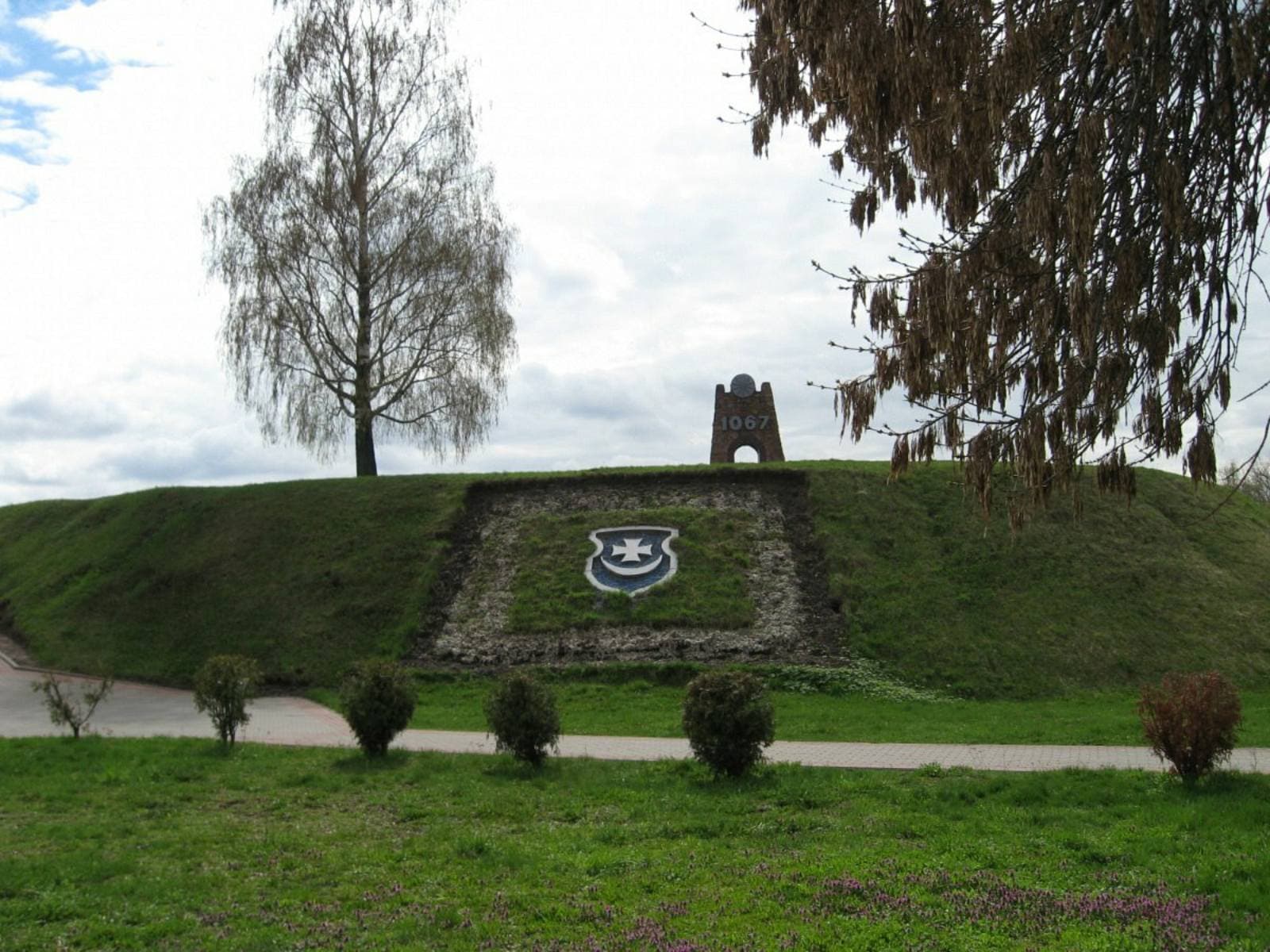
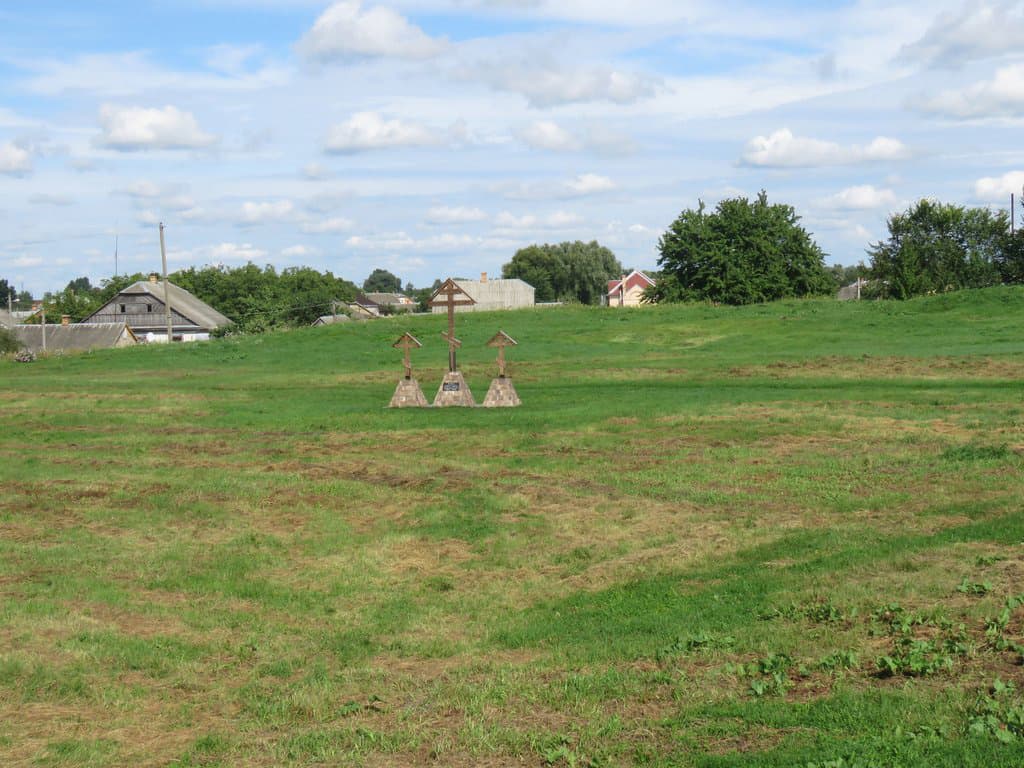

Hillforts, castle hills and burial mounds
- Hillfort (gorodishche) - the site of an ancient fortified settlement: a hill or promontory with remains of ramparts and ditches. The earliest date from the Iron Age, later ones from the era of the first towns.
- Castle hill (zamkovaya gora) - a hill where a wooden or stone castle stood in the Middle Ages, often the heart around which a historic town grew.
- Burial mounds (kurgans) - earthen grave mounds. Large mound cemeteries are found all over the country, often in woods near villages.
What to see from our catalog
The collection covers sites in several regions, many right inside towns and easy to reach:
- Swedish Hill in Volkovysk - the steep-sided hillfort of ancient Volkovysk. Its name is linked to a legend about Swedes during the Great Northern War.
- Castle Hill in Mstibovo (Volkovysk District) - another hillfort of the Volkovysk area.
- Castle Hill in Kopyl and the hillfort in Kletsk - centres of early towns in the Minsk Region.
- Castle Hill in Svir - by Lake Svir in the Myadel District, easy to combine with a trip to Lake Naroch.
- Castle hills in Glusk and Chechersk - in the east, in the Mogilev and Gomel regions.
- The Iron Age hillfort in Voistom (Smorgon District) and the Early Iron Age hillfort in Dudichi (Pukhovichi District) - among the oldest sites in the collection.
- The 5th–8th-century hillfort in Kamen in the Lepel District.
Famous archaeological sites in Belarus
To go deeper, visit places where archaeology can actually be seen, not just imagined:
- Berestye Museum in Brest - excavated 13th-century wooden buildings of the medieval town preserved under a pavilion.
- Upper Castle in Polotsk - the hillfort at the confluence of the Dvina and Polota, where St Sophia Cathedral stands. Nearby is one of the Boris Stones, inscribed boulders from the 12th century.
- Krasnoselsky flint mines in the Volkovysk District - where people mined flint in the Stone and Bronze Ages.
- Zamechak in Zaslavl - an ancient hillfort linked to the legend of Princess Rogneda.
An archaeology day trip
The easiest option is the Volkovysk District. Climb Swedish Hill in Volkovysk in the morning, then drive to the castle hill at Mstibovo and the Krasnoselsky flint mines - all three are in the same district. Another option is the Minsk Region: the Kletsk hillfort and Kopyl’s castle hill fit neatly into a trip to Nesvizh, and Dudichi into a day in the Pukhovichi District, which has other sights nearby.
Practical tips
Most hillforts are not set up for tourists: there are no ticket offices or signs, and the climb can be steep. Wear sturdy shoes and, in spring and summer, use tick repellent. The best time to visit is early spring or late autumn, when grass and leaves don’t hide the shape of the ramparts and ditches.
Protecting the sites
Archaeological monuments are protected by the state. Digging without a permit and metal detecting on them are prohibited by law, and any chance finds should be handed to specialists so that they keep their scientific value. Don’t light fires on the slopes or drive off-road by car or quad bike: the ramparts are easily damaged.
Frequently asked questions
What is a hillfort?
It is the site of an ancient fortified settlement, usually on a hill or riverside promontory, with remains of ramparts and ditches. Belarusian hillforts range from the Iron Age to the Middle Ages.
Is metal detecting allowed at hillforts in Belarus?
No. Archaeological sites are protected by law, and any digging or searching on them without a permit is prohibited.
Where can I see an excavated medieval town in Belarus?
At the Berestye archaeological museum in Brest, where 13th-century wooden buildings of medieval Brest are preserved under a roof.
When is the best time to visit hillforts?
Early spring or late autumn, when vegetation does not hide the terrain. In summer the slopes are overgrown with grass and shrubs.
Other collections
- Minsk Region
- Brest Region
- Grodno Region
- Vitebsk Region
- Mogilev Region
- Gomel Region
- Minsk
- Grodno
- Brest
- Vitebsk
- Polotsk
- Gomel
- Mogilev
- Castles & Palaces
- Churches
- Manor Houses
- Museums
- Memorials
- Nature
- UNESCO Sites
- With Kids
- Ruins