
Polotsk Attractions
Polotsk attractions are first and foremost about deep history: the town is first mentioned in the chronicles under the year 862 and is considered the oldest in Belarus. Saint Euphrosyne of Polotsk and the printer Francysk Skaryna lived here, and St Sophia Cathedral still stands above the Dvina.
This collection shows places in Polotsk and its immediate surroundings from our catalogue, which is still growing. The guide below will help you plan a day in town: what to see, where to go and which trips to take nearby.
Places found: 29


 2
 2040



What to See in Polotsk in One Day
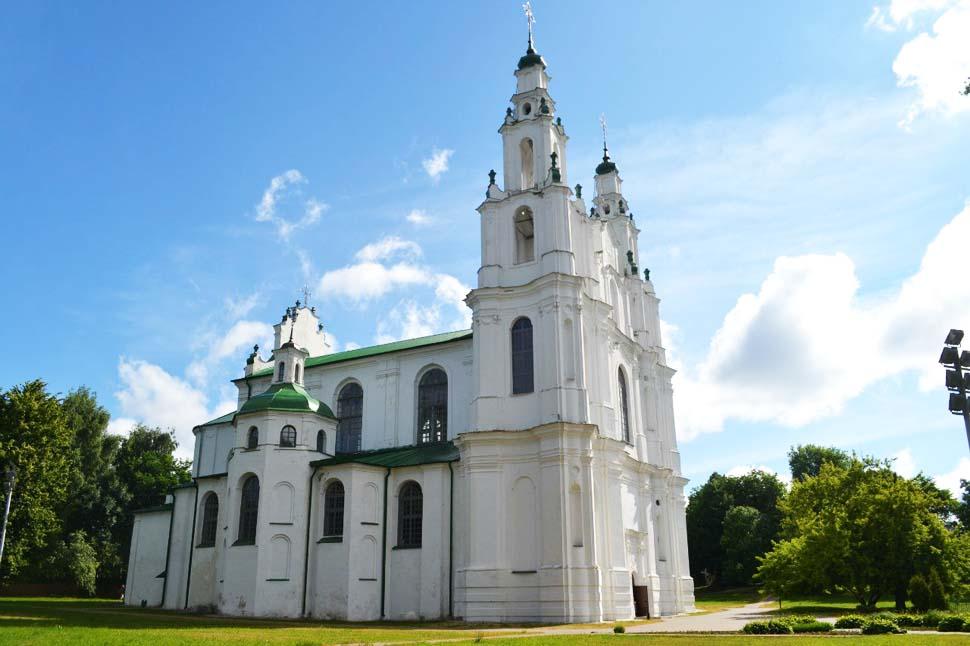
Polotsk is small, and the main sights are easy to cover on foot. Start at the Upper Castle, the hill where the Palata flows into the Western Dvina and where St Sophia Cathedral stands. It was founded in the 11th century and took on its current Vilnius Baroque look in the 18th century. Today it serves as a museum and a concert hall with an organ.
Nearby are the Museum of Belarusian Book Printing, dedicated to Francysk Skaryna and the history of the book, and the monument to the letter Ў, a letter found only in the Belarusian alphabet. Walk along Skaryna Avenue to the Red Bridge and Freedom Square, then on to the former Jesuit Collegium, which now houses a university.
The Convent of St Euphrosyne
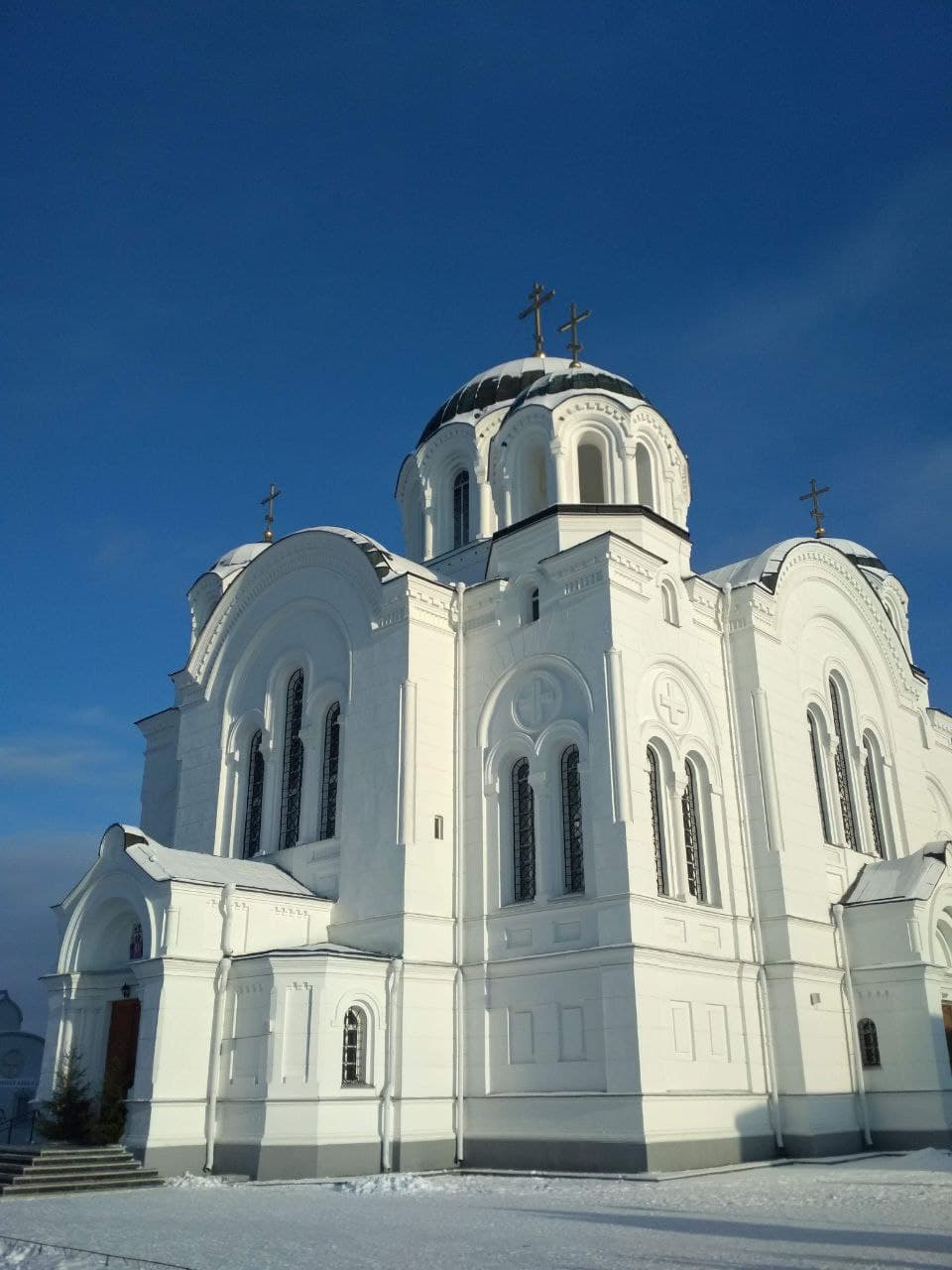
The town’s most important shrine is the Convent of the Saviour and St Euphrosyne, founded in the 12th century by Euphrosyne of Polotsk. Within its walls stands the Church of the Transfiguration, built in the 12th century by the architect Ioann. Its surviving medieval frescoes are among the most precious examples of early painting in Belarus. You can walk to the convent from the centre along the Palata River or take local transport.
Museums in Polotsk
- Museum of Belarusian Book Printing - the history of writing, manuscripts and early printed books.
- Local History Museum - the story of the Principality of Polotsk and the town.
- Simeon of Polotsk Museum and Library - about the 17th-century scholar born here.
- Children’s Museum - an interactive exhibition for a family outing.
Ancient Stones, Earthworks and Day Trips
The Boris Stones, boulders carved with 12th-century inscriptions and crosses, are scattered around the area; one of them stands by St Sophia Cathedral. Parts of the old earthen ramparts survive too. From Polotsk it is easy to visit neighbouring Novopolotsk, and further on the lakes and villages of the Polotsk district. With two days, combine Polotsk with Vitebsk or Glubokoye.
A Little History of Polotsk
Polotsk was the capital of the Principality of Polotsk, one of the most powerful states of early medieval Eastern Europe. The town is linked with Prince Rogvolod and his daughter Rogneda, and St Sophia Cathedral was built under Prince Vseslav the Sorcerer. Polotsk later became part of the Grand Duchy of Lithuania; in 1563 it was captured by the army of Ivan the Terrible, and in 1579 King Stephen Báthory won it back.
Polotsk is the birthplace of the printer Francysk Skaryna and the scholar Simeon of Polotsk. In the early 19th century the Jesuit Collegium became an academy and one of the region’s centres of learning. You feel this history at every step, in street names, monuments and museums, which is why Polotsk is worth a visit even if you have seen the bigger cities: this is where Belarusian history begins.
When to Go
May to September is ideal for walks along the Dvina and up to the Upper Castle. Organ concerts are held in St Sophia Cathedral, so check the programme when planning. All the main Polotsk attractions can be seen in one busy day. The town pairs well with nearby Vitebsk: trains and buses connect them, and the drive along the Western Dvina is short.
Frequently asked questions
What can I see in Polotsk in one day?
St Sophia Cathedral on the Upper Castle hill, the Museum of Belarusian Book Printing, the letter Ў monument and the Convent of St Euphrosyne with its Church of the Transfiguration.
Why is Polotsk considered the oldest town in Belarus?
Polotsk is first mentioned in the chronicles under the year 862, earlier than any other town in modern Belarus.
What makes the Church of the Transfiguration special?
It was built in the 12th century by the architect Ioann for Euphrosyne of Polotsk, and its medieval frescoes have survived.
Where is the letter Ў monument?
In the town centre, close to St Sophia Cathedral and the Museum of Belarusian Book Printing.
What day trips can I take from Polotsk?
Neighbouring Novopolotsk, Vitebsk or Glubokoye, as well as the lakes and villages of the Polotsk district.
Other collections
- Minsk Region
- Brest Region
- Grodno Region
- Vitebsk Region
- Mogilev Region
- Gomel Region
- Minsk
- Grodno
- Brest
- Vitebsk
- Gomel
- Mogilev
- Castles & Palaces
- Churches
- Manor Houses
- Museums
- Memorials
- Nature
- Archaeology
- UNESCO Sites
- With Kids
- Ruins