
Memorial Complexes of Belarus
The memorial complexes of Belarus recall what the country went through in the 20th century: burned villages, partisan warfare, the defence of fortresses and the destruction of Jewish communities. Many memorials stand in quiet rural places, and visiting them is a way to understand history through the fates of real people.
This collection brings together the memorials and places of remembrance in our catalog, with descriptions and a map. Below are the main complexes, lesser-known regional memorials and tips for planning such a trip.
Places found: 107


 3
 4088
The country’s main memorials
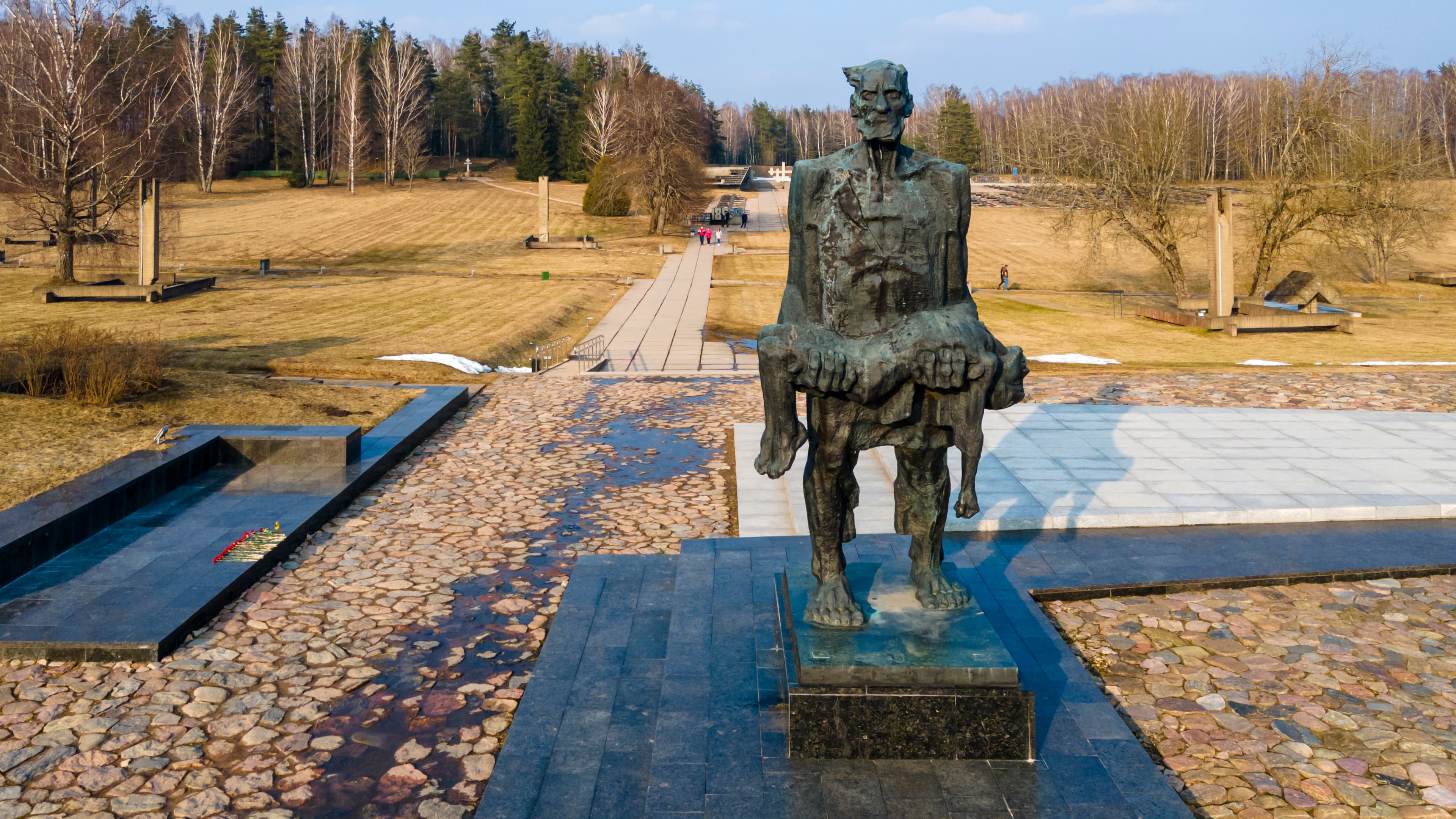
- Khatyn - a memorial on the site of a village burned together with its residents in March 1943. Opened in 1969, it became a symbol of all destroyed Belarusian villages, with its Cemetery of Villages and chimney-like monuments marking each house.
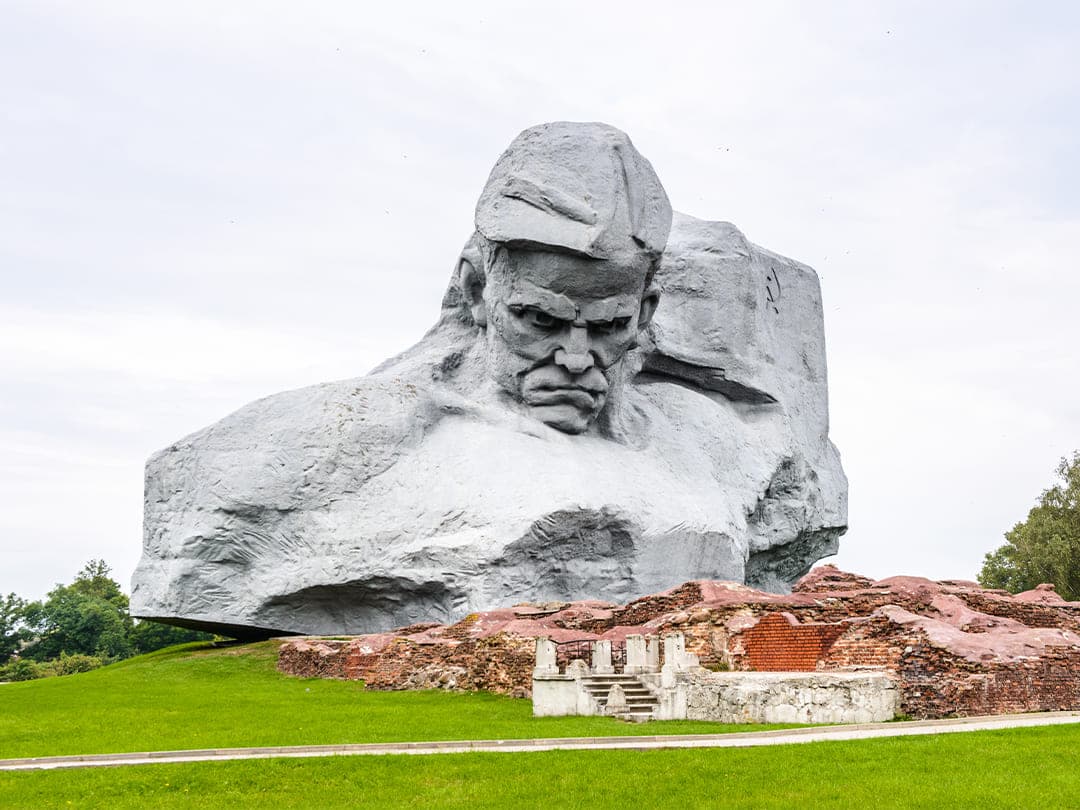
- Brest Hero Fortress - a memorial at the fortress that took the first blow on 22 June 1941. Ruined barracks and the Terespol Gate survive beside the monuments, and there is a museum of the defence.
- Mound of Glory - a monument by the Minsk–Moscow highway commemorating the liberation of Belarus in 1944.
- Maly Trostenets - a memorial on the edge of Minsk at the site of one of the largest extermination camps in the occupied Soviet territories.
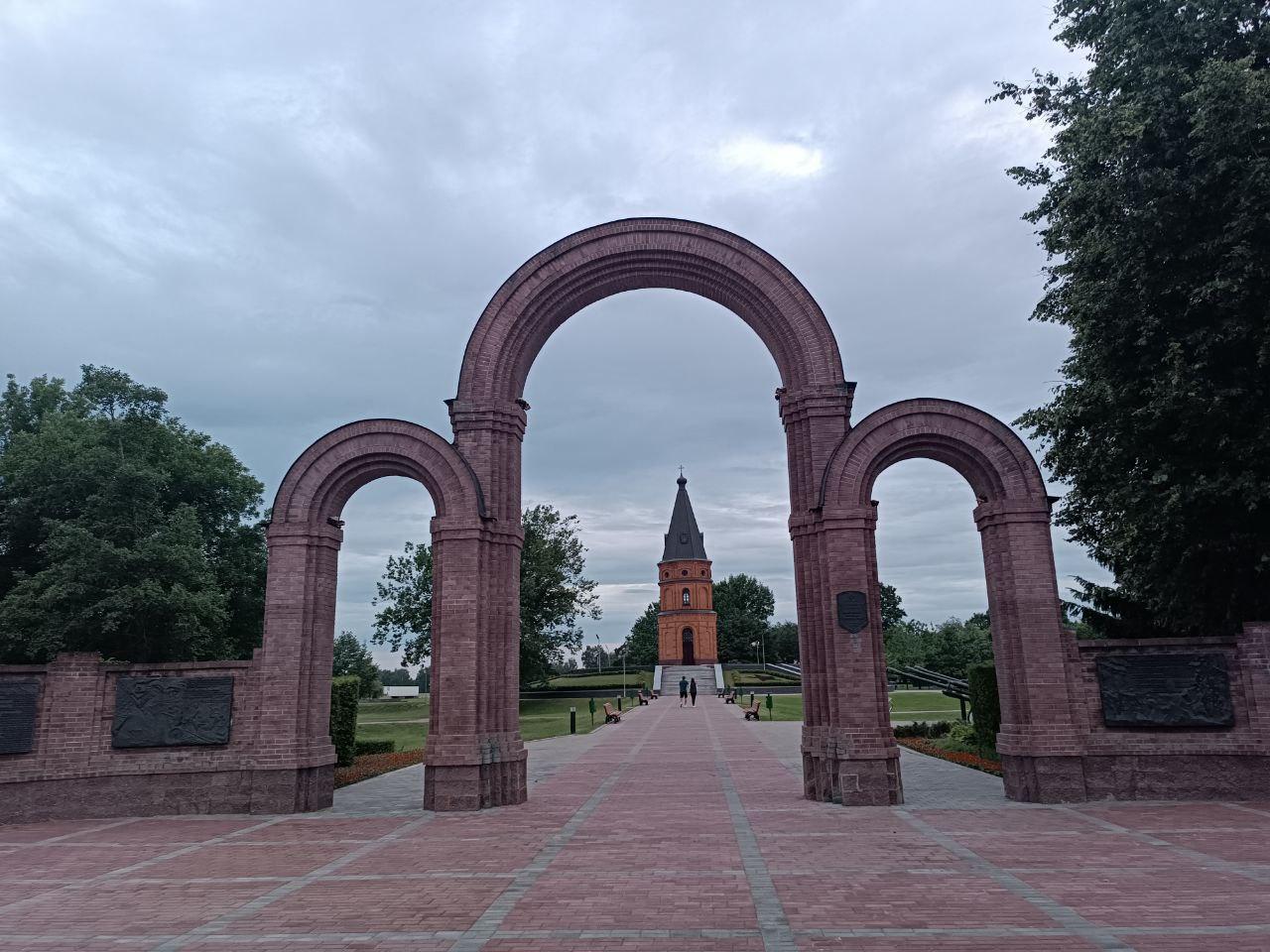
- Buinichi Field near Mogilev - where the city was defended in the summer of 1941, and where, at his request, the ashes of the writer Konstantin Simonov were scattered.
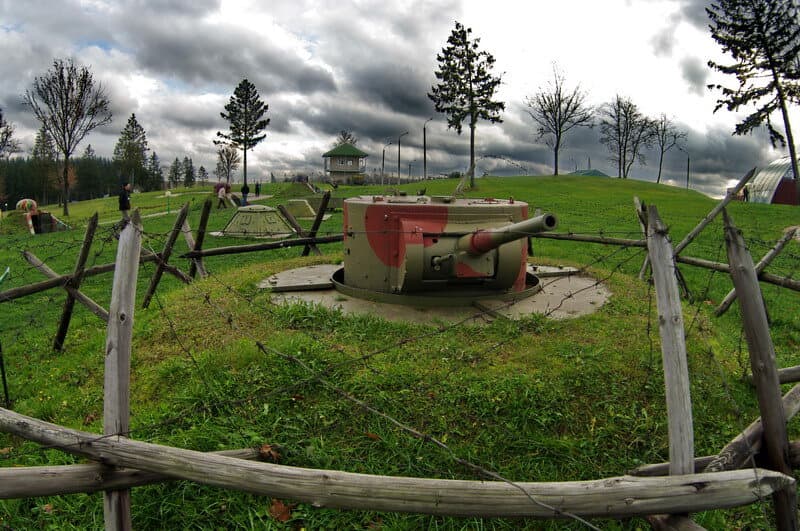
- Stalin Line - a historical complex near Zaslavl on the site of a 1930s fortified district, with bunkers, trenches and military vehicles on open-air display. Historical re-enactments are held here, making it popular with families.
Regional memorials in our catalog
Beyond the famous complexes, every district has its own places of remembrance. Many mark burned villages or battle sites and rarely appear on tourist routes. Examples in this collection:
- The Breakthrough Memorial near Paperino, dedicated to the partisans’ breakout from a German blockade in spring 1944.
- The Memorial to Vanished Villages in Snezhkovo and the Dalva memorial complex, honouring villages that were never rebuilt after the war.
- The Shimki, Usakino, Zyslov and Britsalovichi memorial complexes and the Rylenki memorial ensemble.
- The Old Border military history complex in Stankovo, on the line of the Soviet-Polish border of 1921–1939.
- The Mound of Glory in Mozyr and the Mound of Immortality in Lida, memorial mounds honouring those who died in the Second World War.
- The Lieutenant Usov border post and the monument to the border guards in Dorgun, recalling the first days of the war on the frontier.
Remembering Jewish communities
Before the Second World War, Jews made up a large part of the population of Belarusian small towns. Memorials at former ghettos and mass execution sites, as well as old cemeteries, keep their memory. Our catalog includes the memorial sign at the former ghetto on Zamkovaya Street in Grodno, the Jewish cemetery in Dunilovichi and the old Jewish cemetery and chapel in Lenin. In Minsk, visit the Yama memorial at the site of a mass execution of Minsk ghetto prisoners in 1942.
Planning your visit
Khatyn and the Mound of Glory make an easy half-day trip from Minsk, while Brest Fortress fits naturally into a visit to Brest. Regional memorials work best as part of a route through nearby towns and manor houses, which keeps the day rich but not emotionally overwhelming. For school-age children, these places become more meaningful if you tell them the story of a particular village or family beforehand.
Etiquette
Memorials are places of mourning and often mass graves. Keep your voice down, don’t sit or climb on the monuments and avoid playful photo shoots. If you want to pay your respects, bring fresh flowers and leave them at the eternal flame or memorial plaques.
Frequently asked questions
How long does a visit to Khatyn take?
One to two hours is usually enough to see the memorial. Khatyn is often combined with the Mound of Glory or a trip to the north of the Minsk Region.
Are memorials in Belarus free to visit?
The memorial grounds are generally open to the public free of charge. Museums and guided tours on site, such as at Khatyn or Brest Fortress, may be paid.
What is the Old Border complex in Stankovo?
It is a military history complex on the line of the Soviet-Polish border that existed from 1921 to 1939. It tells the story of frontier life and border service at that time.
How should I behave at a memorial?
Be quiet and respectful: don’t climb on monuments or stage entertaining photo shoots. Many memorials are burial sites of the dead.
Other collections
- Minsk Region
- Brest Region
- Grodno Region
- Vitebsk Region
- Mogilev Region
- Gomel Region
- Minsk
- Grodno
- Brest
- Vitebsk
- Polotsk
- Gomel
- Mogilev
- Castles & Palaces
- Churches
- Manor Houses
- Museums
- Nature
- Archaeology
- UNESCO Sites
- With Kids
- Ruins