Знай свой край

Знай свой край

Belarus Road Trips: Self-Guided Driving Routes

Belarus road trips on my-places.by are ready-made driving routes that authors have plotted through castles, manors, churches and old towns from our catalog. The map shows the whole way and the order of stops, and you can drive it on your own whenever it suits you.

A car opens up the parts of Belarus that buses barely reach: village manors, wooden churches, ruins above rivers. Below is what the catalog offers and how to prepare for the trip.

Excursions found: 266

On the memorable places of Yanka Kupala.

Embark on a journey through the memorable places of Yanka Kupala! Yanka Kupala is one of the most famous classics of Belarusian literature. His life and work are closely connected with different parts of Belarus, where today you can see museums, manors and memorable places that preserve the memory of the poet. In the village of Yakhimovshchina there is a museum dedicated to the early period of the poet's life. Here he lived and created his first works. The museum is located in a 19th-century manor house, where Kupala's house and a picturesque park have been preserved. The exhibition tells about his work in the Belarusian press and the creation of the famous collection "Zhaleika". Yanka Kupala was born in Vyazynka in 1882. The memorial hut recreates the atmosphere of the poet's childhood: a stove, furniture, and personal belongings of the family. Of particular interest is the "singing chest" with its songs. In Radoshkovichi Kupala was baptized in the Church of the Holy Trinity. Here he worked as a clerk in 1904-1906, and under the influence of the local intelligentsia began to write in the Belarusian language. A branch of the literary museum, the Okopy, is located in the village of Khoruzhintsy. Kupala drew inspiration for his works here. The recreated 19th-century house with the sculpture "Young Kupala" transport visitors to that era. Yanka Kupala's main Literary Museum is located in the capital, where his manuscripts, personal belongings and photographs are kept. You can also visit the Military Cemetery in Minsk, where the poet is buried, and the building of the former men's theological college, where he worked in the Educational Institution. There is a memorial reserve in the village of Levki, where the poet's summer cottage was located from 1935 to 1941. Here he wrote his works, and today you can see his personal belongings. In the village of Plamya (Flame) Kupala worked as a housekeeper. Ruins have remained of the once magnificent estate. ...

Driving | 12 locations

By region

By region

Likes2

Views2613

We explore the sights of Belarus using local money.

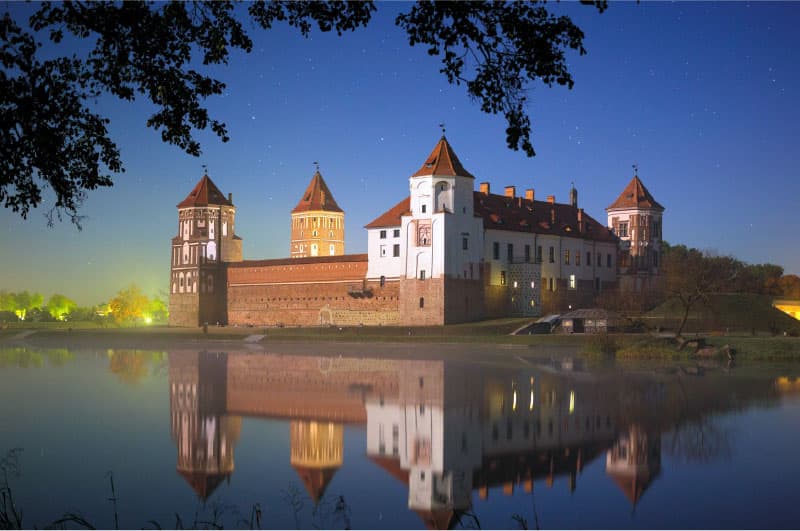
The sights of Belarus on banknotes: from the Kamenets Tower to the National Library. Belarusian money is decorated with images of iconic landmarks located in different regions of the country. These objects reflect the rich history and culture of Belarus. 5 rubles – Kamenets Tower (or Belaya Vezha, means 'White Tower'). This tower, built in 1288, is one of the oldest monuments in Belarus. It is located in the city of Kamenets (Brest region). The height of the structure is 31 meters, and the wall thickness reaches 2.5 meters. The tower has withstood many sieges, and today it is one of the symbols of the country. 10 rubles – Transfiguration Church in Polotsk. The 12th-century temple, founded by St. Euphrosyne of Polotsk, is a rare example of ancient Polotsk architecture. Unique frescoes have been preserved inside, and the temple itself claims to be included in the UNESCO list. 20 rubles – The Rumyantsev-Paskevich Palace in Gomel. A luxurious palace and park ensemble in the classical style. The palace belonged to the noble families of Rumyantsev and Paskevich, and today there is a museum with a rich collection of works of art. 50 rubles – Mir castle. UNESCO World Heritage Site, built in the 16th century. The castle combines features of Gothic and Renaissance architecture, and its powerful towers and brick walls make it one of the most impressive buildings in Belarus. 100 rubles – Nesvizh castle. Another UNESCO site is the residence of the Radziwill family. The castle, built in the 16th century, is famous for its magnificent architecture and picturesque park. 200 rubles – Mogilev Art Museum. The museum building, built in the early 20th century, combines the features of Art Nouveau and classicism. Works of art, including works by Belarusian masters, are kept here. 500 rubles – The National Library in Minsk. The modern symbol of Belarus is in the shape of a diamond. Holds about 10 million books, there are viewing platforms with panoramic views on the upper floors. ...

Driving | 12 locations

By region

By region

Likes2

Views1850

7 manors in 1 day!

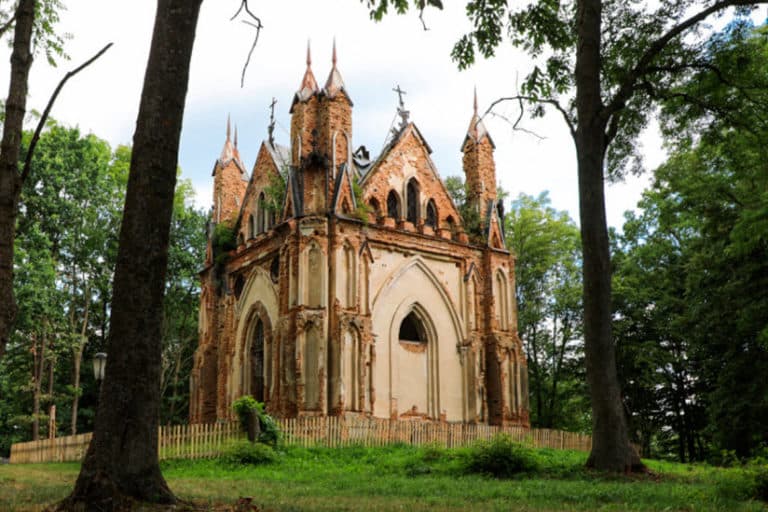
7 manors in 1 day: a trip to the historical sites of the Brest region. Embark on an exciting journey through seven ancient estates of the Brest region, each of which preserves unique stories and architectural masterpieces! 1. Pavlinovo – neo-Gothic Bohvits Palace with a picturesque park and ponds. The writer Eloise Ozheshko was a guest here, and today the estate is gradually being restored. 2. Yastrembel – Kotlubaev estate, where outbuildings and an alley have been preserved. After the revolution, it was looted, and now it is an architectural monument awaiting restoration. 3. Repikhovo – Pototski Manor Park with lime alleys and ponds. The estate has changed many owners, including the Radziwills and the Tizengauz. 4. Soveiki is the Novitsky estate, combining features of classicism and Baroque. An outbuilding, a brewery and an old park have been preserved. 5. Grushevka – the estate of the Reitans with a wooden palace and a tomb chapel. It has been undergoing restoration since 2020. The Reitan Chapel is a neo–Gothic building with a monument to Tadeush Reitan, the hero of the Polish-Lithuanian Commonwealth. 6. Nacha is the Chernotsky estate, where the publicist Kazimir Chernotsky lived. The palace, the park and the family burials have been preserved. 7. Fleryanovo is another Bohvits' estate, built in the Neo-Gothic style. This route is a great opportunity to immerse yourself in the history of Belarus, see the ancient architecture and enjoy the picturesque landscapes. Tip: Take comfortable shoes, a camera, and check the availability of the facilities in advance. Some estates are privately owned or require prior arrangement. ...

Driving | 8 locations

By region

By region

Likes2

Views1775

On the memorable places of Yakub Kolas.

Yakub Kolas is one of the most revered classics of Belarusian literature, poet, novelist and public figure. His legacy is inextricably linked with the history and culture of Belarus. We suggest you go on an exciting journey to the places where this outstanding writer lived, created and left his mark. Minsk. The Literary Memorial Museum dedicated to the life and work of Yakub Kolas is located in the house where he lived from 1952 to 1956. There are more than 32,000 exhibits here: manuscripts, personal belongings, books, and even audio recordings of the poet's voice. The exhibition includes 10 halls recreating the interiors of his office and family life. Minsk. The military cemetery where Yakub Kolas himself is buried. There are also graves of other prominent figures of Belarus here. Minsk. Yakub Kolas Square. One of the most beautiful squares in the capital is decorated with a monument to the poet and sculptures of his literary heroes. In 1956, the square was named after Kolas, and in 1972, a monument was erected here. Minsk. Pishchalovsky castle. In this historic 19th-century prison, Kolas served his sentence for participating in the revolutionary movement. The complex "Shlyakh Kolasa" (The way of Kolas) in Nikolaevshchina. This open-air museum unites four manors associated with the writer's life: Akinchitsy (place of birth), Lastok (childhood), Albut (youth) and Smolnya (adulthood). The monument in Novogrudok is located near the bus station and is part of a tourist route connecting places associated with Yakub Kolas and Adam Mickiewicz. Museums in Gantsevichi and Pinkovichi. Kolas worked as a teacher in these cities, and today his memory is preserved here. Luninets Museum of Local Lore. The exhibition tells about the period when Kolas lived in Luninets (1911-1912). This route will allow you to better understand the work of Yakub Kolas, see the places where he drew inspiration, and feel the spirit of the era in which he lived. ...

Driving | 14 locations

By region

By region

Likes2

Views1686

Minsk. Elements of nature.

This trip is not just a walk around the city, but a whole day (and possibly two) of inspiration, peace and unexpected discoveries. The tour covers various corners of Minsk: from picturesque parks and botanical gardens to interactive museums and cozy squares, where history comes to life and nature flourishes. The day will begin at the Minsk Zoo, where dolphins, dinosaurs and friendly raccoons are waiting for you. Next, the route will lead to the 900th Anniversary of Minsk Park, a spacious recreational area near the Chizhovsky reservoir with bike paths and a health trail. In the Loshitsky Estate and Park Complex, history meets the greenery of centuries-old trees, and the nearby Chingiz Aitmatov Park is a great place for family recreation and walks. At the Oceanography Center, you can hold a spacesuit, ring the bell, and talk to Flint the parrot. Afterwards, guests can relax in the Mickiewicz, Mikhailovsky and Alexandrovsky squares, each of which is filled with sculptural charm, fountains and cozy silence. The historical depth will be revealed in the Victory Museum and Park complex, and the solitude of the Island of Birds will allow you to hear hundreds of voices of winged inhabitants. In the second part of the route, participants will immerse themselves in the landscape masterpieces of the Drozdy and Friendship of Peoples parks, relax in the Botanical Garden among lilacs and palm trees, experience adrenaline on the trails of Chelyuskintsev Park, then visit Yanka Kupala Park, where poetry and landscape merge into one beautiful composition. The final chord will be a walk through the Maxim Gorky Central Children's Park, one of the oldest parks in Belarus, founded back in 1805. This tour is an ideal way to explore Minsk from a different perspective: natural, cultural and inspiring. From colorful animals to ancient farmsteads, from the shade of lime trees to sunny embankments, everyone will find their favorite corner. ...

Driving | 16 locations

Overview

Overview

Likes2

Views1660

Mystical places of Belarus.

Belarus is a country with an ancient history full of mystical mysteries. The tranquil scenery hides a world of ghosts, curses, and unexplained phenomena. The route starts in Brest region, in the village of Pare, nicknamed the "village of vampires". According to legends, unique funeral rites with oak rolls, boulders and aspen stakes kept the deceased in the world of the dead, preventing them from becoming ghouls. The Grodno region is the heart of Belarusian mysticism. Here, the ruins of the Kossovo Castle inspired Korotkevich's "King Stakh". The ghosts of warriors roam the castle of Lida, and a White Lady and a Black Monk live in Golshany. The ghost of a walled-up wife still haunts the castle of Krevo. In the center of the country, Nesvizh Castle is guarded by the ghost of the Black Lady, Barbara Radziwill. There is an Egyptian pyramid in Uzda, a tomb for magical rituals, and in Nalibokskaya Pushcha there is an estate with the ghost of a walled-up maid. The lakes also hide secrets. According to legend, a city stood on the site of Lake Svityaz, and now its mermaids lure travelers. The Dead lake is devoid of life, and its silence and the smell of hydrogen sulfide are terrifying. Even Minsk is not devoid of mysticism: at the Monastyrsky Hotel, guests are greeted by the ghost of a monk, and the soul of the executed noble Volodkovich wanders by the Town Hall. These places are just a part of the mystical heritage. Their legends are worth exploring personally in order to touch the mysterious spirit of Belarusian history. ...

Driving | 17 locations

By region

By region

Likes2

Views1647

To the homeland of the brilliant poet Adam Mickiewicz.

The brilliant poet Adam Mickiewicz was born on the picturesque lands of Belarus, whose work glorified these regions far beyond their borders. His childhood and youth passed here, which left a vivid mark on the soul of the future classic. Inspired by his native landscapes, he repeatedly praised them in his works. The tour begins with the noble manor of Zaosye, the place where the future poet was born. The atmosphere of the 19th century is recreated here, allowing you to plunge into the everyday life of that era. Next, the path leads through an ancient Gorodishche, which preserves traces of different eras. Among its attractions are ancient buildings and archaeological sites that tell about the rich history of the region. In Karchyovo, you will find an ancient park and the famous Filaret Stone, a meeting place for like-minded poets. According to legend, it was here that Mickiewicz and his friends spent literary evenings. Tradition says that when going to the stone, it is worth taking milk with you — the drink that the participants of those inspired conversations drank. In the town of Voroncha, you will be impressed by the ancient necropolis, a silent witness to the past, preserving the stories of many generations. The legendary Svityaz Lake with its crystal clear waters and picturesque shores inspired not only Mickiewicz, but also many other poets. When you see this pearl of Belarus, you will understand why the lines were dedicated to it. The final chord of the journey will be Novogrudok, inextricably linked with the poet's fate. These places are not only a treasure trove of history, but also the embodiment of natural beauty that enchants everyone who comes here. ...

Driving | 13 locations

By region

By region

Likes2

Views1559

Iconic places to explore the nature of Belarus.

Belarus is a country with a surprisingly diverse and picturesque nature, where each region is ready to reveal its unique secrets. This is an ideal destination for those who want to take a break from the hustle and bustle of the city and immerse themselves in the world of untouched landscapes, ancient forests and crystal clear lakes. You can start your journey through the natural pearls of the country from the Vitebsk region, the edge of lakes and swamps. Here you will find large-scale wetlands, such as the Yelnya and Kozyansky nature reserves, where you can observe the life of rare birds from the wooden decks of the ecotrope. No less impressive are the Braslav lakes, including the perfectly round "God's Eye" and Lake Nedrovo, whose shores preserve traces of ancient settlements. And from Mount Mayak there is a panorama that is rightfully considered one of the best in the country. Minsk region attracts tourists with its main resort area, Naroch region, where the largest lake in Belarus is located. The 'Blue Lakes' ecotrope runs nearby, the route of which resembles the landscapes of Switzerland. And for lovers of truly wild nature, Nalibokskaya Pushcha is the largest forest area inhabited by bison and brown bears. In the west of the country, in the Grodno region, you can go rafting on the winding Shchara River in Lipichanskaya Pushcha or see the unusual "Belarusian Maldives" — chalk quarries near Volkovysk with emerald-colored water. The legendary Belovezhskaya Pushcha in Brest region is the last relict primeval forest in Europe, the kingdom of powerful bison. And in spring, in Tyshkovichi, you can get to the tulip festival, comparable to the Dutch one. The Gomel region surprises with its contrasts: from the spring "Sea of Herodotus" in Pripyatsky National Park to the man-made "fjords" in Glushkovichi and soothing lavender fields. Mogilev region is famous for holy springs, like the Blue Spring, and extensive nature reserves like the "Duleba Islands." ...

Driving | 26 locations

By region

By region

Likes2

Views1386

Minsk. New facets of the capital (route 2).

We are going on an exciting journey through Minsk, which will cover the most diverse facets of the city. Our route will allow you to discover not only famous sights, but also nooks that preserve the history and culture of Belarus. The first stop is the Museum of Aviation Technology, where we will immerse ourselves in the world of aviation. Next, we will go to the Boulder Museum, a unique open-air museum with huge boulders brought from all over Belarus. Next stop is the Eastern cemetery, where prominent figures of Belarus - scientists, writers, artists, and politicians – have found their last resting place. It is a place of memory and peace. We will see the All Saints Church, a modern and majestic memorial church. At the 'Nose' Museum of Smells, we will explore the world of smells and learn about the influence of scents on our lives. We will make a stop at the National Library. It is the architectural dominant of Minsk and the largest repository of knowledge in Belarus. Admire the unusual diamond-shaped building and learn about the country's rich book heritage. Let's plunge into the atmosphere of the 19th century by visiting the ancient Vankovich estate, which belonged to this famous Belarusian family. Take a walk through the Central Botanical Garden. It is an oasis of greenery in the city center, where thousands of plant species from all over the world are collected. Let's immerse ourselves in the world of Belarusian literature by visiting the memorial museum of one of the most famous Belarusian writers, Y. Kolas. We will visit the oldest Chelyuskintsev Park of Culture and recreation, as well as the Peoples' Friendship Green Park. We'll see the only functioning St. Elizabeth Convent in the city, as well as the Church of the Intercession of the Blessed Virgin Mary. Take a walk through the picturesque Drozdy Park. This tour is an approximate route that can be adapted to suit your interests by adding or removing some objects. Discover new facets of Minsk! ...

Driving | 14 locations

Overview

Overview

Likes2

Views1320

Why drive

Most of Belarus’s historic sights are not in the regional capitals but in district towns and villages. Public transport runs there rarely, and between neighbouring manors there may be none at all. By car you can realistically see five to seven places in a day, as long as they’re in a sensible order. That’s exactly what a ready-made driving route provides: a sequence of stops, the road route on a map and a description of each place.

Driving routes in the catalog

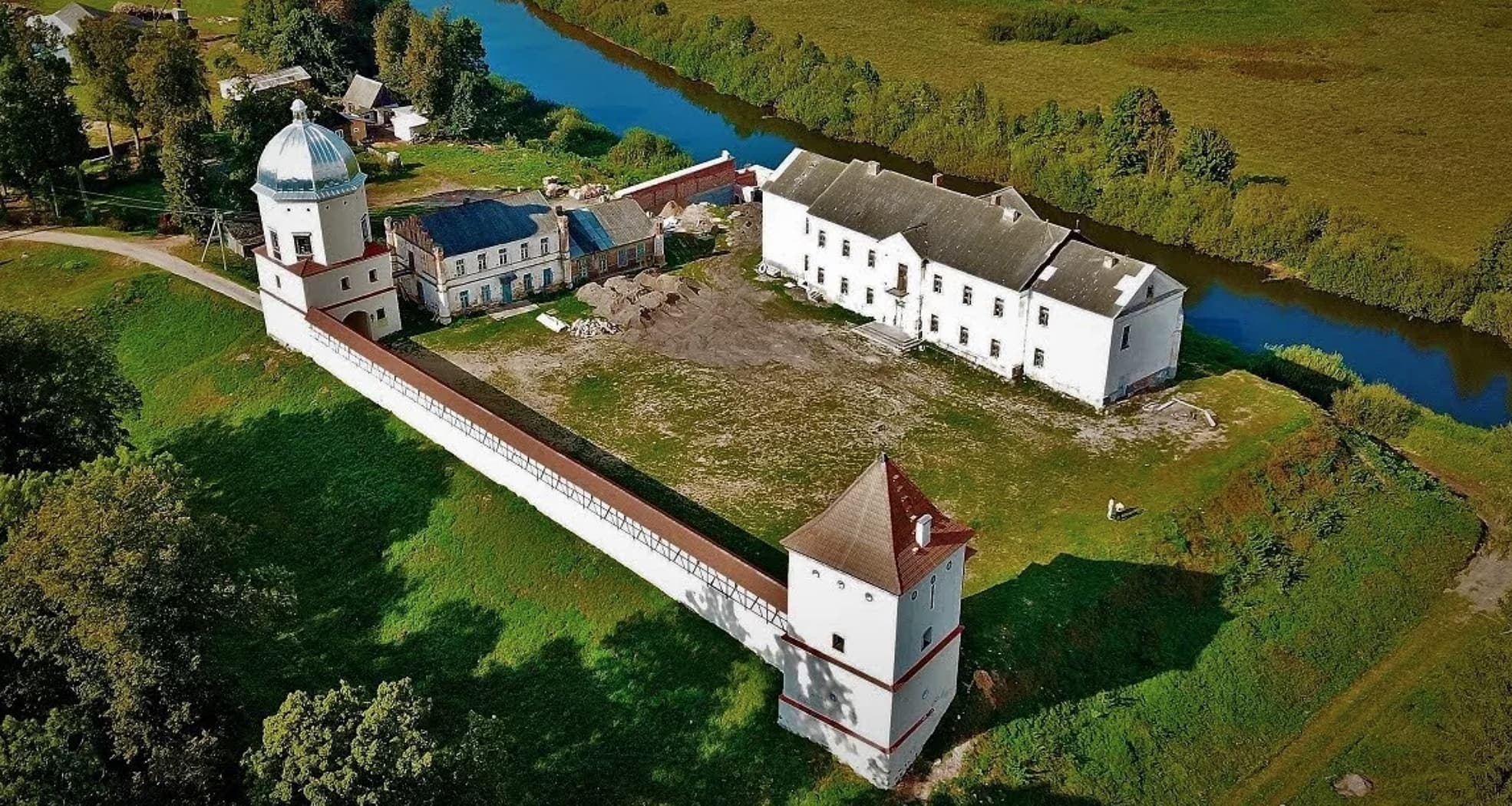
  • Shchuchin - Rozhanka - Zheludok - Murovanka - Belogruda - Litovka - Shchorsy - Lyubcha. A big loop through Grodno Region: palaces, the fortified church in Murovanka and Lyubcha Castle.
  • Dyatlovo - Lake Svityaz - Bolshaya Svorotva - Zaosye - Polonechka - Volno - Stolovichi - Novaya Mysh. A route through former Radziwiłł estates and Adam Mickiewicz’s home country.
  • Mosty District, Skidel, Berestovitsa. Three more compact routes in western Grodno Region - manors, churches and a suspension bridge over the Neman.
  • Kostyukovichi and Khotimsk. Two routes through the churches and museums of south-eastern Mogilev Region.
  • Narovlya, Zhilichi - Krasny Bereg, Slavgorod, Shklov. Routes through Polesie and the Dnieper valley, from manors to memorials.
  • Stolin District, Baranovichi, Smilovichi. Trips in Brest and Minsk Regions: Polesie churches, railway history and the birthplace of Chaïm Soutine.

Planning a day trip or weekend

Check on the map where the route starts and add the drive from home to the first stop and back - on a day trip that’s often half the total time. Long district loops are best saved for a weekend, with a night at a farmstead halfway. If a route looks too packed, pick the three or four main places and feel free to skip the rest: the stops are easy to rearrange to suit you.

Tips for the road

  • Fuel and signal. Filling stations are plentiful on main highways but sparse in the countryside - fill up in advance and save the map offline.
  • Local roads. Many manors sit off dirt tracks or at the end of narrow village lanes. If you’re unsure about access, leave the car on tarmac, especially in spring and after rain.
  • Churches and museums. Village churches often open only for services, and small museums may close on certain weekdays - check ahead.
  • Season. May to October is the most comfortable time. Winter brings short days and slippery village roads, so choose shorter routes.

What to bring

Comfortable shoes - even a driving route involves walks through parks or up castle hills. Cash - not every village place takes cards. And spare time: the best discoveries on these trips usually come when you turn off towards an unexpected church or lake by the road.

It’s easy to choose a route by interest. For castles and aristocratic residences, look to Grodno and Brest Regions. Wooden churches and Polesie landscapes are in the south, around Stolin and Narovlya. And quiet districts with churches and memorials, where you’ll hardly meet another tourist, are in the east of Mogilev Region.

And remember to plan a lunch stop: cafés in small district towns don’t stay open late, and villages may have none at all. A thermos and snacks in the car will help on a long loop.

Frequently asked questions

Where can I drive in Belarus for a day trip?

From Minsk, Nesvizh and Mir, Zaslavl and Borisov are popular. For lesser-known places, try one of the district loops in the catalog, such as the Shchuchin or Mosty routes.

How is a driving route on the site different from a tour?

It isn’t a paid tour but a ready-made trip plan: stops on a map, their order and descriptions of the places. You drive yourself, in your own car, at your own pace.

Can I change a route to suit me?

Yes, the stops are a guide. You can skip some, change the order or add catalog places along the way.

What is the best season for a road trip in Belarus?

May to October: long days, dry village roads, and parks and manors open. Autumn is especially good for photos and unhurried drives.

Do I need a 4x4?

Usually not. Routes follow paved roads, and the dirt tracks to some sights are passable in an ordinary car in dry weather. In spring and after heavy rain, it’s best to stay on tarmac.

Other collections

All excursion collections