Знай свой край

Знай свой край

Self-Guided Tours of Gomel Region

Self-guided tours of Gomel Region on my-places.by are ready-made routes by catalog authors, with a map, the order of stops and a description of every place. You can drive or walk them on your own, without fitting in with a group.

Gomel Region is eastern Polesie: wide rivers, water meadows, old towns on high riverbanks and manors deep in the countryside. Below are the catalog routes and tips for planning a day trip or weekend despite the long distances.

Excursions found: 56

We explore the sights of Belarus using local money.

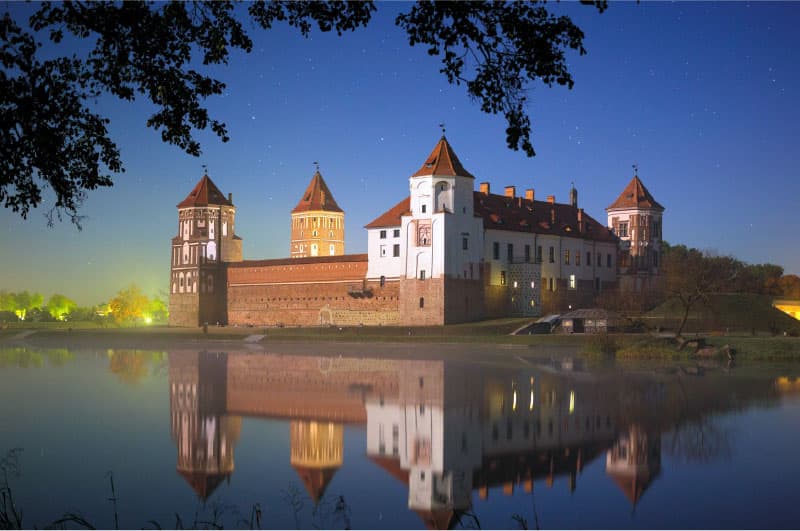
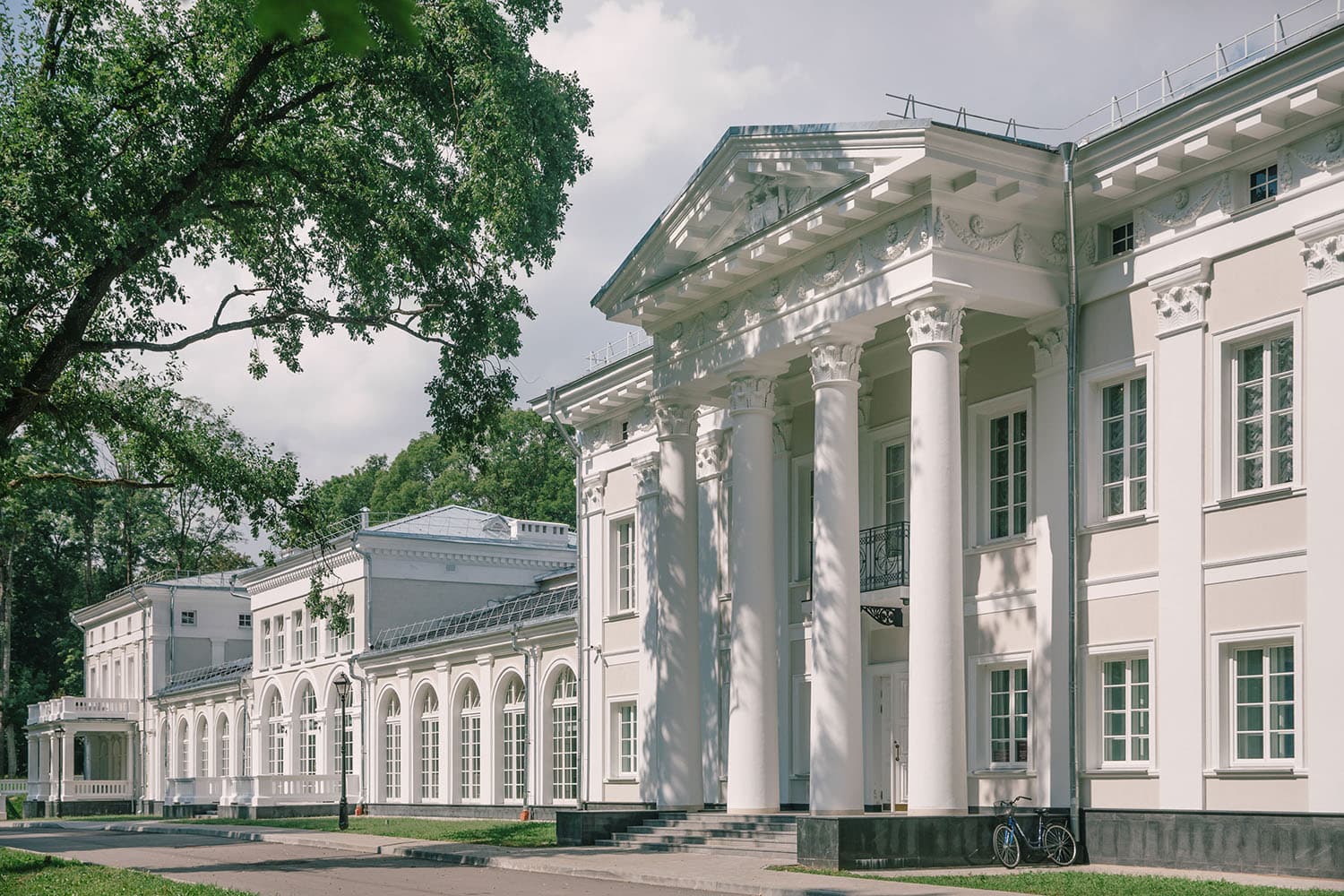
The sights of Belarus on banknotes: from the Kamenets Tower to the National Library. Belarusian money is decorated with images of iconic landmarks located in different regions of the country. These objects reflect the rich history and culture of Belarus. 5 rubles – Kamenets Tower (or Belaya Vezha, means 'White Tower'). This tower, built in 1288, is one of the oldest monuments in Belarus. It is located in the city of Kamenets (Brest region). The height of the structure is 31 meters, and the wall thickness reaches 2.5 meters. The tower has withstood many sieges, and today it is one of the symbols of the country. 10 rubles – Transfiguration Church in Polotsk. The 12th-century temple, founded by St. Euphrosyne of Polotsk, is a rare example of ancient Polotsk architecture. Unique frescoes have been preserved inside, and the temple itself claims to be included in the UNESCO list. 20 rubles – The Rumyantsev-Paskevich Palace in Gomel. A luxurious palace and park ensemble in the classical style. The palace belonged to the noble families of Rumyantsev and Paskevich, and today there is a museum with a rich collection of works of art. 50 rubles – Mir castle. UNESCO World Heritage Site, built in the 16th century. The castle combines features of Gothic and Renaissance architecture, and its powerful towers and brick walls make it one of the most impressive buildings in Belarus. 100 rubles – Nesvizh castle. Another UNESCO site is the residence of the Radziwill family. The castle, built in the 16th century, is famous for its magnificent architecture and picturesque park. 200 rubles – Mogilev Art Museum. The museum building, built in the early 20th century, combines the features of Art Nouveau and classicism. Works of art, including works by Belarusian masters, are kept here. 500 rubles – The National Library in Minsk. The modern symbol of Belarus is in the shape of a diamond. Holds about 10 million books, there are viewing platforms with panoramic views on the upper floors. ...

Driving | 12 locations

By region

By region

Likes2

Views1850

Iconic places to explore the nature of Belarus.

Belarus is a country with a surprisingly diverse and picturesque nature, where each region is ready to reveal its unique secrets. This is an ideal destination for those who want to take a break from the hustle and bustle of the city and immerse themselves in the world of untouched landscapes, ancient forests and crystal clear lakes. You can start your journey through the natural pearls of the country from the Vitebsk region, the edge of lakes and swamps. Here you will find large-scale wetlands, such as the Yelnya and Kozyansky nature reserves, where you can observe the life of rare birds from the wooden decks of the ecotrope. No less impressive are the Braslav lakes, including the perfectly round "God's Eye" and Lake Nedrovo, whose shores preserve traces of ancient settlements. And from Mount Mayak there is a panorama that is rightfully considered one of the best in the country. Minsk region attracts tourists with its main resort area, Naroch region, where the largest lake in Belarus is located. The 'Blue Lakes' ecotrope runs nearby, the route of which resembles the landscapes of Switzerland. And for lovers of truly wild nature, Nalibokskaya Pushcha is the largest forest area inhabited by bison and brown bears. In the west of the country, in the Grodno region, you can go rafting on the winding Shchara River in Lipichanskaya Pushcha or see the unusual "Belarusian Maldives" — chalk quarries near Volkovysk with emerald-colored water. The legendary Belovezhskaya Pushcha in Brest region is the last relict primeval forest in Europe, the kingdom of powerful bison. And in spring, in Tyshkovichi, you can get to the tulip festival, comparable to the Dutch one. The Gomel region surprises with its contrasts: from the spring "Sea of Herodotus" in Pripyatsky National Park to the man-made "fjords" in Glushkovichi and soothing lavender fields. Mogilev region is famous for holy springs, like the Blue Spring, and extensive nature reserves like the "Duleba Islands." ...

Driving | 26 locations

By region

By region

Likes2

Views1386

Ideas for autumn travel in Belarus.

Golden Autumn in Belarus: where to go for unforgettable impressions? Autumn is the perfect time to rediscover Belarus. The summer heat is gone, and crowded places in summer are plunged into a peaceful silence wrapped in gold and crimson. It's time for leisurely walks, deep immersion in history and contemplation of the most picturesque season of the year. We have collected the key destinations for the perfect autumn trip. Start with the natural treasures. The Berezinsky Biosphere Reserve looks like a jewel box in autumn: the forest turns into a multicolored carpet, where hiking and cycling routes through gilded forests and against the background of an ancient water system give a feeling of complete unity with nature. For connoisseurs of history, autumn reveals the true charm of Belarusian castles. The parks of the Mir and Nesvizh castles, UNESCO sites, are painted in romantic tones, creating a unique atmosphere for walking. Less famous, but not beautiful, are the palace in Zhilichi and the estate in Krasny Bereg, whose interiors and autumn parks make an indelible impression. Looking for privacy? Go to Nalibokskaya Pushcha, where you can watch the autumn migration of birds and the splendor of nature. Cities are also being transformed. Grodno, with its cobbled streets and majestic castles above the Neman River, is becoming especially atmospheric. And in Minsk, the Botanical Garden and the Troitskoe suburb are especially cozy. We also recommend visiting one of the autumn festivals, for example, the festival of folk crafts "Slutsk payasy" (Slutsk belts) in Slutsk, the harvest festival "Bagach" (Rich man) in Vyazynka or the international organ music festival "Zvany Safii" (Sophia bells) in Polotsk. Autumn in Belarus is not an off-season, but a real must-have for those who are looking for beauty, silence and inspiration. ...

Driving | 13 locations

By region

By region

Likes2

Views1122

Ideas for summer travel in Belarus.

Summer is the perfect time to rediscover Belarus, a country with a rich natural heritage and a deep history. Our list is a ready—made plan for unforgettable trips, where everyone will find something of their own. For connoisseurs of untouched nature, a visit to the northern pearls will be a real pilgrimage. The Blue Lakes ecological trail will take you through a hilly area resembling the Alps, and the clear water of the lakes will remain in your memory for a long time. No less impressive are the Olmansky Marshes, the largest swamp area in Europe, and the Kozyansky Nature Reserve, where the atmosphere of pristine wildlife reigns. Lovers of water recreation and beach mood should go to the artificial seas: Minsk or Vileika reservoir. And for those who are looking for a summer vibe, the crystal clear Lake Svityaz, covered with poetic legends, or Lake Katashi with its snow-white beaches are ideal. Historians and romantics will enjoy the Augustovsky Canal, a grandiose 19th—century hydraulic structure where you can take a boat trip, and the narrow-gauge railway near Grodno. The Mayak (Lighthouse) Mountain with its snow-white rotunda will give you a feeling of touching eternity. Seekers of unusual photo locations should definitely visit the picturesque chalk quarries and the mysterious Doo Island. All conditions have been created for family holidays in Korobchitsy, where you can plunge into the life of a Belarusian estate, ride a stagecoach and taste national dishes. A walk through the Apothecary's Garden or through the S.A. Gomza arboretum, where a huge collection of plants from all over the world is collected, would be an excellent option. A walk along the steep cliffs above the Dnieper River along the Pridneprovskaya ecotrope with an overnight stay on a real landing stage will be unforgettable. And in the village of Kolodishchi, Julia Tadeusz's magical Rose Garden awaits you — a real paradise for connoisseurs of beauty and aromas. ...

Driving | 18 locations

By region

By region

Likes2

Views1037

A large expedition to the south of Belarus.

Embark on a great journey through the southern regions of Belarus, where every kilometer of the way opens up new pages of rich history and incredible nature. This almost 950 km route will take you through ancient cities, picturesque villages and unique landscapes, combining the heritage of different eras — from the sites of primitive man to majestic palaces. Your journey will begin with an introduction to the palace and park ensembles of Gomel. You will see the pearl of the city — the Rumyantsev and Paskevich Palace of the XVIII-XIX centuries with its rich museum, a tomb chapel and an elegant observation tower. Near the city, you will find the abandoned Gerard estate in Demyanki, an architectural monument with unique bricks and a wrought—iron staircase, covered with legends. Then the path goes through the original Polesie villages. In Kudrichi you will immerse yourself in the atmosphere of "Polesie Venice" with its reed roofs and island layout, and in the village of Pare you will discover unique ancient traditions and special burials. In Kolby you will touch the story of the poet Alexander Blok, and in Duboe you will walk through the manor park with a 460-year-old oak tree. You will get acquainted with the spiritual heritage of the region: from Jesuit Collegium and Assumption of the Virgin Mary church in Pinsk to St. Barbara Cathedral and Butrimovich Palace. Important pilgrimage sites are waiting for you in Ivanovo — Holy Cross Church and Pokrovskaya Church, as well as the Napoleon Orda Museum in Vorotsevichi village. The nature of the south of Belarus will surprise you with its diversity. You will see the "Belarusian fjords" — a flooded granite quarry in Glushkovichi, a large-scale quarry in Mikashevichi and the seasonal "sea of Herodotus" in the Pripyat National Park. This trip is an opportunity not only to see iconic sights, but also to feel the authentic spirit of the Belarusian Polesie, its hospitality and unique culture, which remain in memory forever. ...

Driving | 25 locations

By region

By region

Likes2

Views994

On the memorable places of the Tyshkevich family.

The Tyshkevich family is one of the most influential magnate families in the lands of Belarus, which has left a rich architectural and cultural heritage. Their history is inextricably linked with the development of the region, and the numerous manors, temples, and public buildings built at their expense are still important landmarks today. Logoisk became a landmark place for the family, where Piy Tyshkevich built a classical-style palace and laid out a magnificent landscape park. It was here that his sons, Konstantin and Evstafy, who were passionate about archaeology and history, founded the first public museum of antiquities in Belarus. Their innovative approach to the systematization of finds according to the "theory of three epochs" (stone, bronze, iron) it corresponded to the advanced European standards of the 19th century. Another branch of the family settled in Volozhin, where Joseph Tyshkevich built an elegant manor house and the church of St. Joseph, which became a family tomb. Not far from there, in the Vyaloe tract, Benedikt Tyshkevich, an avid amateur photographer, created a unique darkroom for his time, whose works are now kept in European collections. Tyshkevich's contribution to education was particularly evident in Svisloch, where Vikenty Tyshkevich founded one of the first secular gymnasiums in Belarus, which was graduated from at various times by such outstanding personalities as Kastus Kalinovsky and Napoleon Orda. From luxurious residences like in Logoisk and Volozhin to unique monuments like the church in Ruzhany or the watermill in Gorodok, the Tyshkevich heritage is an integral part of the historical and cultural landscape of Belarus, reminding of the scale of the activities of this noble family. ...

Driving | 17 locations

By region

By region

Likes2

Views966

On the memorable places of the Gorvatt family.

The Gorvatt family, which left a vivid mark in the history of Belarus, was represented by a Russified branch of the Hungarian nobility. Since the end of the 18th century, they owned the village of Lipovo, turning it into their ancestral residence. Otton Horvatt played a key role in this, with whom the main manor house was completed by 1862 and a picturesque park was laid out. However, the real gems of the Gorvatt heritage were their estates in Narovlya and Barbarovo. These estates were not just houses for rich landowners, but real centers of culture and treasures of art. The owners, such as Daniel Gorvatt in Narovlya and his brother Alexander in Barbarovo, were enlightened patrons who had amassed impressive collections. The walls of the Narovlya palace, according to the descriptions of researcher Roman Aftanazi, were densely covered with canvases. There were works by the Dutch school, family portraits by Jan Damel and Januarius Sukhodolsky, as well as a portrait of Jadviga Horvatt by Ludamir Janovsky, who was awarded a gold medal at an exhibition in Paris. The interiors were magnificent: unique parquet floors, painted ceilings with allegories of the Dnieper and Pripyat rivers, as well as a rich library. The collection of Alexander Gorvatt in Barbarovo was not inferior in value, where paintings by Rembrandt, Rubens and other masters, as well as family silver, crystal and sculptures were kept. Unfortunately, the 1917 revolution put an end to this era. The estates were nationalized, and the fate of most of the art treasures still remains a mystery. Nevertheless, the memory of the Horvatts as connoisseurs of beauty, who created unique cultural centers in the Belarusian countryside, continues to live on. ...

Driving | 7 locations

By region

By region

Likes2

Views946

Ideas for spring travel in Belarus.

Spring in Belarus is an ideal time to travel. Here are the top locations according to current recommendations: Gomel and Vetka. Explore the palace and park complex in Gomel and the Sozh Embankment. Enjoy the riot of tulips of all kinds and colours in Gomel Park (late April - May). 15 km from the city, visit the Museum of the Old Believers in Vetka with unique icons and manuscripts. A unique phenomenon is the spring floods of Pripyat ("Sea of Herodotus"), go kayaking among the flooded forests (March—April). Turov: birdwatching paradise. Polesie is the best place for bird watching in Europe. Visit the Turovsky Meadow, observe thousands of migratory birds, or participate in banding in the Sporovsky Nature Reserve (late April – May). Polesie is the warmest region where spring comes earlier. Take a walk around old Pinsk and attend an organ concert. Tyshkovichi: the tulip field. Here you will see a sea of blooming tulips - the Belarusian Holland. Cultural events. Visit Maslenitsa in Sula Park (fire shows, performances) or the Night of Museums in the village of Ozertso (May 18) with bonfires and traditional music. Yelnya swamp: the flowering of the fluff. A unique sight - white "puffer jackets" cover the swamp by the end of May, like Japanese sakura. Walk through the ecotrope, enjoying the clean air and endless carpets of flowers. Plan your trip in advance to capture key events and enjoy the country during the most scenic season! ...

Driving | 16 locations

By region

By region

Likes2

Views925

On the memorable places of the Voynilovich family.

The Voynilovich family is one of the oldest noble families of the Grand Duchy of Lithuania, which has left a deep mark on the history and architecture of Belarus. Their heritage, scattered across different regions of the country, allows us to trace the history of the region through the fate of one family. You can start your journey through the memorable places of the Voynilovichs from Lelchitsy, where the family played a key role in the fate of the Trinity Church, or go to Kupyatichi, where Apollonia Voynilovich-Voyna founded a monastery in the 17th century. In Novogrudok, Thomas Voynilovich sponsored the construction of a Baroque church and a Franciscan monastery, which was later rebuilt into an Orthodox church. Of particular interest are the places associated with the economic activities of the genus. In the village of Chirvonaya Dubrava (former. Mokrany) has preserved the impressive ruins of a creamery, more like a palace, and a unique ancestral crypt. Here the Voynilovichs created an advanced farm, where they produced the famous butter and even grew pineapples in greenhouses. Nearby, in Kuntsevschina, there is still a sturdy farmyard with stone buildings dating back to 1906, topped with the initials of Xavier Voynilovich. The Red Church in Minsk became the brightest contribution of the family to the Belarusian culture. Built at the expense of Edward Voynilovich in memory of his early deceased children, Simeon and Elena, the temple is not only an architectural symbol of the capital, but also the embodiment of the personal tragedy of the philanthropist. His ashes rest here today. This route is an opportunity to touch the living history, where the destinies of people, architectural masterpieces and economic achievements intertwined, forever inscribing the name of the Voynilovichs in the annals of Belarus. ...

Driving | 8 locations

By region

By region

Likes2

Views798

A large expedition to the east of Belarus.

Embark on a grand journey through the eastern regions of Belarus, where you will encounter a rich historical and cultural heritage and incredible nature over a distance of more than 800 kilometers. This route is a true time machine, allowing you to experience the eras of great princes, brilliant artists, and powerful magnates in a single tour. Your journey will begin with a visit to Vitebsk, a region that has inspired great creators. You will visit the restored Ilya Repin estate "Zdravnevo" and the Mark Chagall Art Center in Vitebsk, and walk along the atmospheric pedestrian Suvorova Street with its ancient Town Hall and churches. Then, you will continue to the impressive monuments of the past: the mysterious ruins of the "White Kovel" castle in Smolyany, the elegant estates of the Khreptovichs in Beshenkovichi and the Lyubomirskys in Yurtsevo. The next part of the route will reveal the treasures of the Mogilev region. You will see the monumental Potemkin palace in Krichev and the majestic Bykhov Castle-Fortress, appreciate the scale of the restored sanctuary in Pustynki, and take a walk along the Castle Hill in Mstislavl, where a knightly festival is held every august. The natural gems of the east will also captivate you: you will marvel at the turquoise waters of the "Belarusian Maldives" (Krichev Chalk Quarries) and be able to collect healing water from the legendary Blue Spring. The expedition will then continue to the regional center of Mogilev. Here, you will immerse yourself in its imperial past: you will visit the pedestrian Leninskaya Street, the Square of Glory with its town hall, and the unique churches of St. Nicholas Monastery with its carved iconostasis and the Baroque Church of St. Stanislav. The final touch will be a visit to the open-air ethnographic village and the luxurious Bulgak's palace in Zhilichi. This is a tour for those who want to see the real, multifaceted, and unknown Belarus, full of deep history, spirituality, and inspiring beauty. ...

Driving | 27 locations

By region

By region

Likes2

Views747

An expedition through Polesie.

This journey is a portal to authentic Polesie, where history breathes in every stone, and traditions are intertwined with modernity. We will start in Turov, one of the oldest cities in Belarus. Here you will touch the mysteries of the growing stone crosses of the 10th century, see the ruins of the cathedral, destroyed by an earthquake in the 13th century, and take a look at the Bonfesto cheese factory. You will learn the secrets of Italian cheeses behind the scenes of production, and the finale will be a tasting of mozzarella and mascarpone. Then the way lies to David-Gorodok, a small town where the architecture of antiquity is combined with a modern monument to Prince David, and from Castle Hill there is a view of the Goryn river arm. Time freezes in these parts: Olesha Manor with an English park, Mankovichi Park in Stolin and a synagogue are waiting for you. Along the way, we will visit the village of Pare, nicknamed the "village of vampires", where thatched roofs and ancient burials with oak decks have been preserved. A special place is the "Alexander Blok trace". We will visit the Alexander Blok Museum in Lopatino, see the mighty oak tree in Kolby, under which the poet rested, and feel the spirit of his "Polesie route" of 1916. The final part is the pearl of Polesie, the city of Pinsk. On Lenin pedestrian street, you will meet a bronze Pinchuk, a symbol of local color, see the Butrimovich Palace and the English Hotel, where researcher Louise Boyd stayed. Baroque churches, monasteries and St. Barbara's Cathedral are waiting for you. We will touch the history in the building of the former gymnasium where the President of Israel and the Nobel laureate studied, visit the Jesuit College, the oldest building in the city, and the amazing house-ship "Dream", built in the image of a dream. The final is the authentic village of Kudrichi, which is called "Polesie Venice". Here the houses are covered with reeds, and life flows according to the laws of nature. ...

Driving | 23 locations

By region

By region

Likes2

Views635

Mozyr. Getting to know the city.

In this tour you will get acquainted with the ancient architecture of the Mozyr region and the picturesque landscapes of the Belarusian Polesie. Mozyr is one of the oldest cities in Belarus, first mentioned in chronicles in 1155. We will visit its historical heart – Castle Hill, where once stood a wooden castle, first described in the XVI century. By the 850th anniversary of the city, a wooden fortress with towers and an atmosphere of antiquity, the Mozyr Castle, was recreated here. This place serves as the center of ethnocultural and regional studies of the Mozyr Museum of Local Lore. From the observation deck we will admire the magnificent view of the Pripyat River and the central square of the city. We will see St. Michael's Cathedral, a striking architectural monument built in 1648 as the church of the Bernardine monastery. The only museum in Belarus dedicated to the victims of Stalin's repressions has been opened in its crypt today. Among the preserved architectural monuments of Mozyr, the complex of the former Cistercian monastery stands out. We will visit the residential buildings and the Church of St. Michael the Archangel in 1745, built in the late Baroque style. We will also explore the picturesque buildings of the late 19th and early 20th centuries in the city: the first railway station, an old brewery and ordinary civilian buildings. We will visit the 'Paleskaya Veda' Museum of Folk Culture, where we will plunge into the world of traditions and culture of the Belarusian Polesie and learn about the ancient customs, rituals and values of the people who inhabited this land. We will also visit the famous landscape reserve "Mozyr ravines" with spectacular landscapes! A modern sports and recreation complex "Mozyr" is located next to the reserve https://my-places.by/places/mozyr-gornolyzhnyj-kompleks , where you can go skiing in winter and have fun on the rides in summer. ...

Driving | 9 locations

Overview

Overview

Likes1

Views1895

How the routes work here

The region is large and its highlights are spread unevenly: Gomel and Vetka in the east, Mozyr, Narovlya and Turov in the south and west, Zhlobin and Krasny Bereg in the north. So it’s best to build a route around one of these areas. A ready-made tour shows the stops on a map and the way between them, so you can see at once how much time the driving will take.

The catalog includes, for example, a route around Narovlya - from prehistoric settlers to gentry manors - linking the Narovlya park, the local museum and the manor in Barbarov, and a Zhilichi - Krasny Bereg route that crosses into Mogilev Region.

Day routes

  • Gomel and Vetka. The Rumyantsev-Paskevich palace and park ensemble above the Sozh is the main walk in Gomel. In the afternoon, head to Vetka and its museum of Old Believers and Belarusian traditions.
  • Mozyr and Narovlya. Mozyr stands on hills above the Pripyat, with river views from Castle Hill and the Mound of Glory. Then continue to Narovlya following the catalog route.
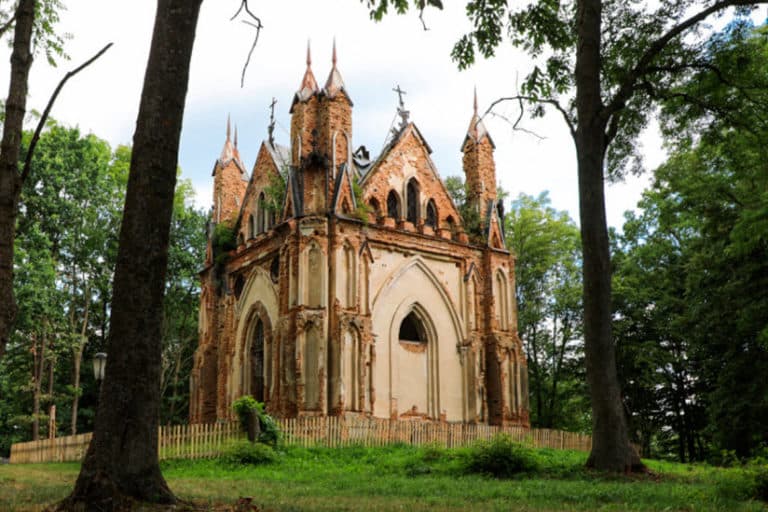
  • Krasny Bereg and Zhilichi. The neo-Gothic Gatovsky manor in Krasny Bereg and the Bulgak palace in Zhilichi - a route for fans of manor architecture.
  • Loyev. A small town where the Dnieper and the Sozh meet, known for its Battle of the Dnieper museum. An easy add-on from Gomel.

A weekend route: Turov and the Pripyat

Turov is one of the oldest towns in Belarus and deserves a trip of its own. Day one: drive via Mozyr or Zhitkovichi and walk around Turov, including the ancient hillfort and the old cemetery with its revered stone crosses. Day two: Pripyatsky National Park - nature trails, floodplain viewpoints and, in spring, birds on the flooded meadows. Farmstead guesthouses around Turov are a convenient place to stay.

Roads and seasons

Gomel is linked to Minsk by a highway via Bobruisk and Zhlobin; roads to the south run via Rechitsa and Kalinkovichi. Distances between Polesie towns are long and filling stations are fewer, so fill up before heading into the countryside. In spring the Pripyat floods - the best time for landscapes and birdwatching, but dirt roads in the floodplains may be under water. Summers are hot with lots of mosquitoes, so bring repellent. Note that part of the south is occupied by the Polesie State Radioecological Reserve, which is closed to free entry, so don’t include points inside it in your route.

What to combine with a trip

Southern routes pair well with a river trip or a boat ride on the Pripyat. A Gomel visit is nicely rounded off with an evening stroll along the Sozh embankment. And if you’re driving south from Minsk, stop in Bobruisk and do the walking route through its historic centre - it’s in the catalog.

Short on time? Pick one river and stick to it. The Sozh means Gomel, Vetka and Loyev; the Pripyat means Mozyr, Narovlya and Turov; the Dnieper means Zhlobin and Rechitsa. That keeps the route logical and the drives short. Trips across the whole region are best split over two days with a night in Mozyr or Gomel.

For a first trip to Gomel Region, Gomel plus Vetka is a good choice: the drive is short, and the city and the museum can fill a whole day even in bad weather.

Frequently asked questions

What can I see in Gomel Region in one day?

From Gomel, combine the Rumyantsev-Paskevich palace and park with a trip to Vetka. In the south of the region, Mozyr and Narovlya make a good day.

Where should I go in Gomel Region for a weekend?

The best two-day option is Turov and Pripyatsky National Park with a night at a farmstead. It’s especially beautiful in spring during the floods.

Can I do the routes without a guide?

Yes. All routes on the site are designed for independent travel, each with a map, the order of stops and descriptions of the places.

Can I include the Chernobyl exclusion zone in a route?

No. There is no free entry to the Polesie State Radioecological Reserve, so plan your route outside its boundaries.

Other collections

All excursion collections