
Zyabki. The mill of Raphael Itman.
Landmark
Vitebsk region, Glubokoe district, village of Zyabki, Mira St., 28
Description
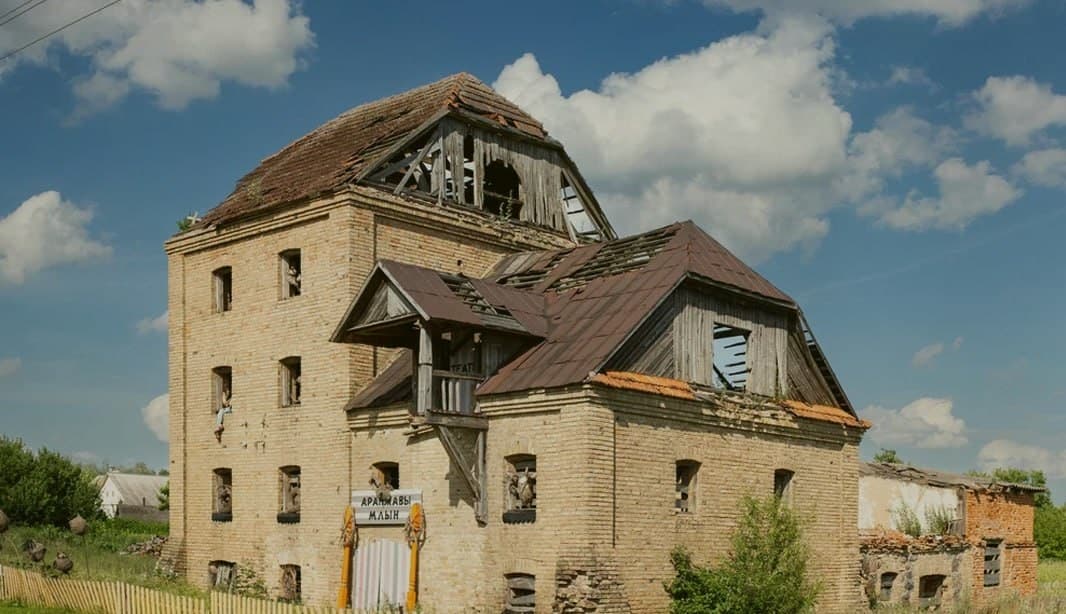
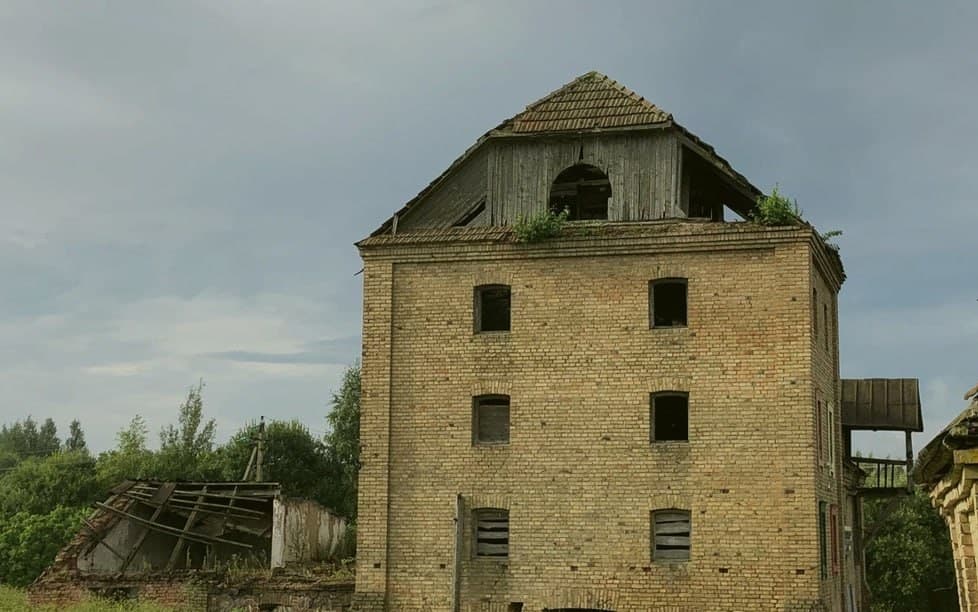
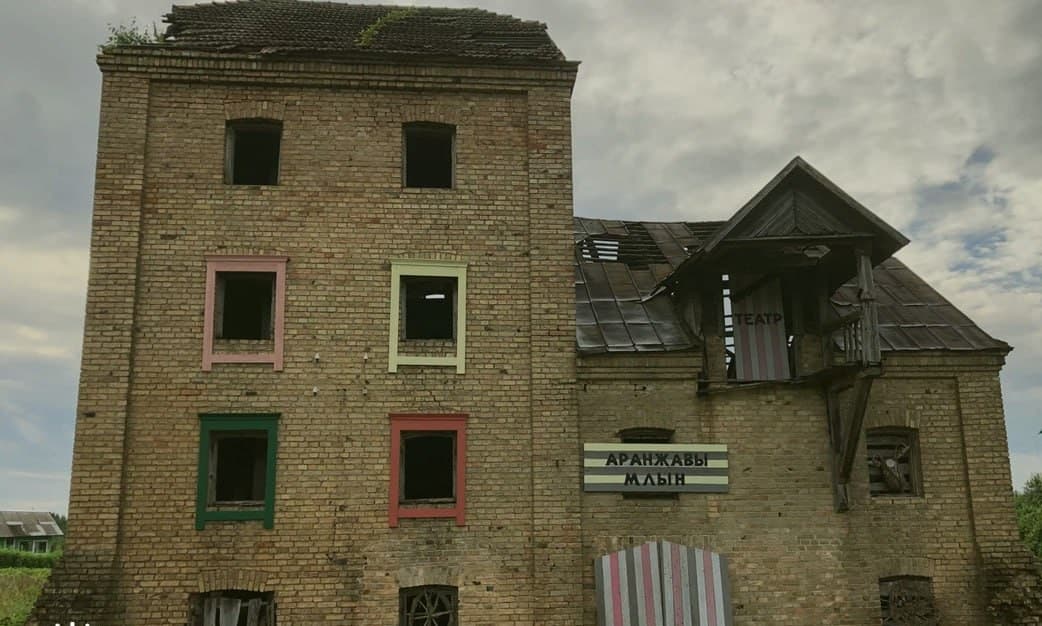
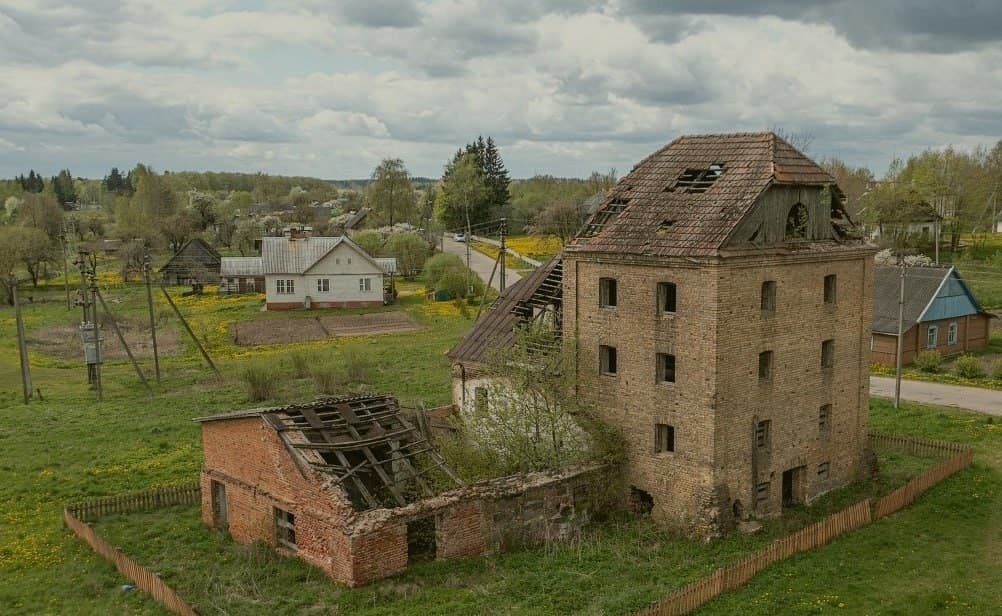
In the village of Zyabki, among the fields, stands a three-story brick frame. Once upon a time, machinery was humming here and work was in full swing for the entire region.
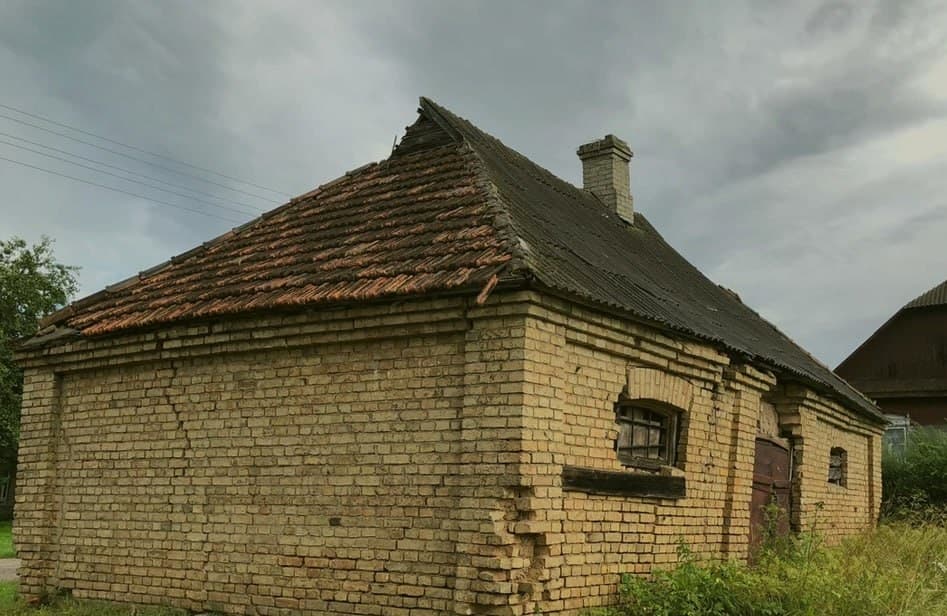
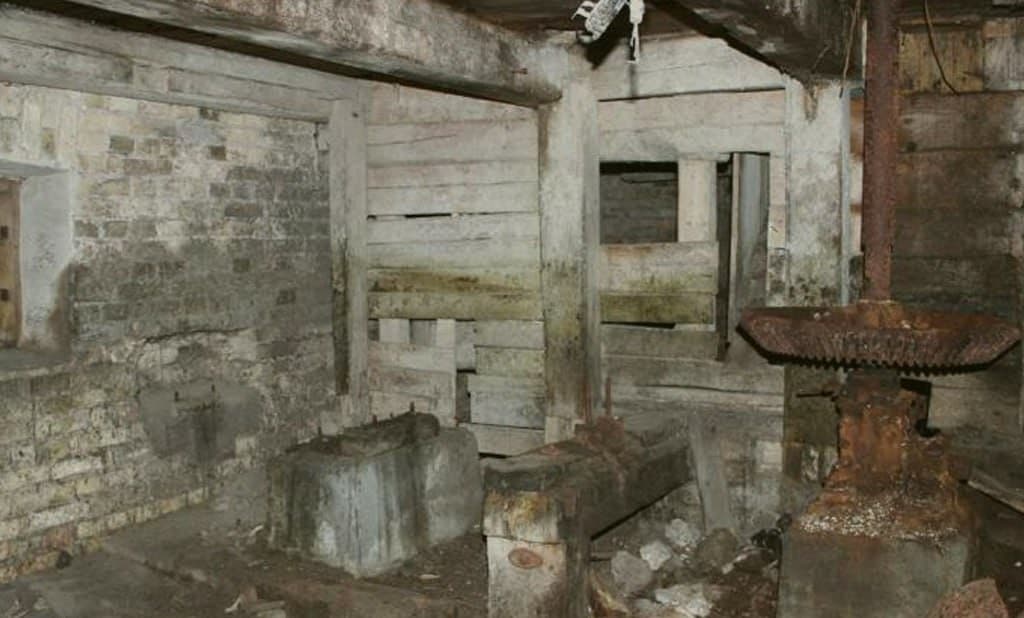
The mill was built in the 1920s, when the land belonged to Poland. The project is German, funded by local businessman Raphael Itman. It was not just a barn, but a full-fledged complex: a sawmill, a blacksmith shop, warehouses, and housing for workers. The grain was lifted by elevator, and a peat-fired gas generator, the heart of the system, was operating in the basement.
The peasants carried grain, some of it was left for grinding, and the flour went all the way to Western Poland.
After joining the BSSR, the mill was nationalized, but it was not closed - it worked for a long time. And then she stood up.
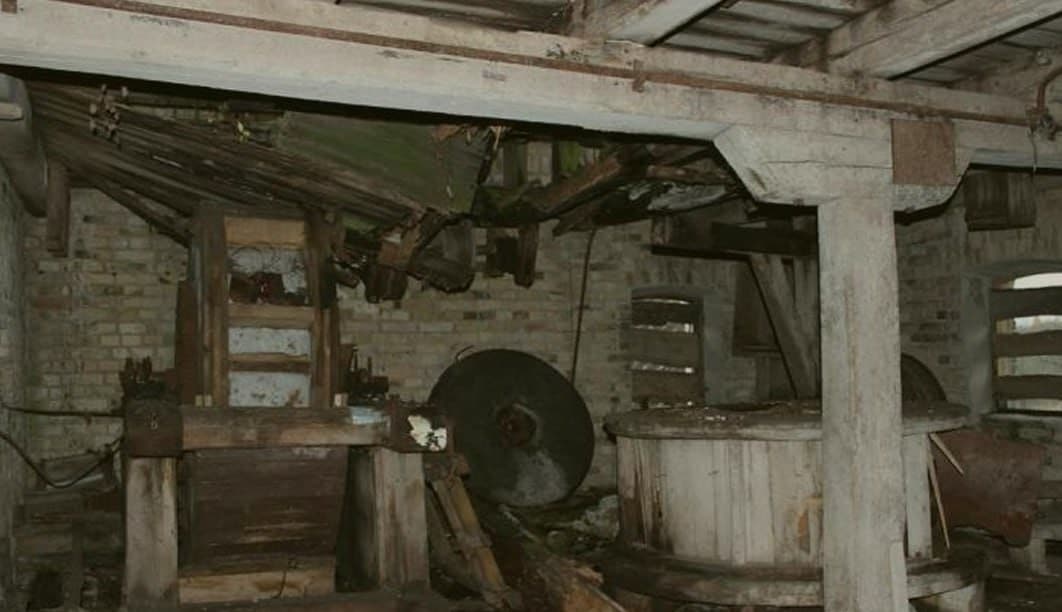
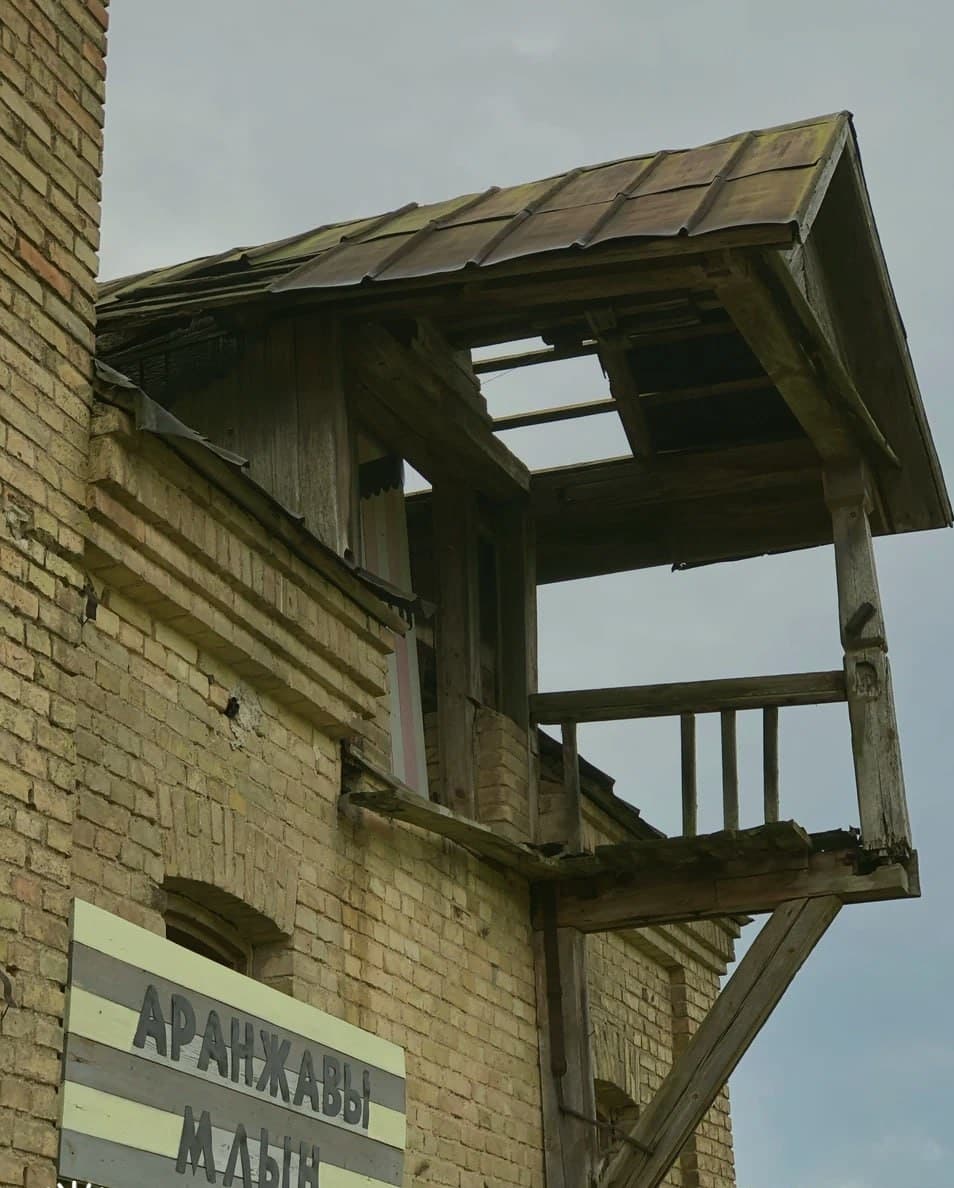
Today - empty windows, collapsed floors. The structure is still holding up, but inside there is only wind and silence. It remains a reminder of how this corner was a living industrial heart a hundred years ago.
Categories

Architectural monument

Ruins

Historical
Comments
Reviews to the Place
1Ольга Ерёменко
14.07.2026
Raphael Itman's Mill: the story of an industrial ghost.
In the village of Zyabki, Glubokoe district, there is a three-story brick frame. Once upon a time, machinery hummed here, dozens of people worked, and products went all the way to Western Poland.
How it started
The 1920s. These lands are part of Poland. Local entrepreneur Raphael Itman decides on a bold project - to build not just a mill, but a full-fledged industrial complex. The project was commissioned from German engineers, who were renowned for their quality and reliability.
Itman has invested serious money. A sawmill, a blacksmith shop, warehouses, and housing for employees appeared next to the main building. It was an autonomous cluster where everything worked as a single mechanism.
The main feature is the gas generator in the basement. It worked on wood and peat, producing combustible gas. This gas set the engine in motion, and that - through a system of belts and pulleys - transmitted energy to all floors.
The grain was lifted up by a mechanical elevator. It was cleaned, dried, and sorted there. Then it flowed through the gutters to the millstones on the second floor. The finished flour went downstairs, where it was packed in bags.
The peasants brought grain, and some of it was left as payment for milling. So Itman accumulated large quantities of goods and shipped them by rail to Vilno, Warsaw, Gdansk and even abroad.
Life around the mill
It was an economic center for the surrounding villages. Dozens of people worked here - men, women, teenagers. A shop, a blacksmith shop, and even a school were opened at the mill. During the holidays, fairs were held right next to the walls.
Itman was respected - he paid on time and kept order.
The turning point - 1939
With the advent of Soviet power, the mill was nationalized. Itman has disappeared, most likely repressed. But production did not stop - the state needed bread.
During the war, the facility was probably used for the needs of the German army. After the liberation, the equipment was still working. In the 1950s and 60s, the mill was switched to electricity, which prolonged its life.
But by the 1970s, large grain elevators had made such enterprises unprofitable. In the mid-1980s, the mill finally stopped. The equipment was taken out for scrap.
Now the building is slowly collapsing. Collapsed ceilings, empty windows, rusty beams. The basement, the former site of the gas generator, is quiet and dark.
But the frame holds. The contours of warehouses and sawmills can be guessed. Nature is getting its way back: grass on the walls, nests in crevices.
This place is not just ruins. It is a memory of an epoch, of work, of people. The German project, Jewish capital, peasant work, Soviet nationalization, war, oblivion - all in one building.
If you don't intervene, in 20-30 years there will only be a pile of stones. But for now, you can come, stand, hear the silence and imagine how life used to be here.