
Voronino. A monument at the site of the execution of Jews.
Memorial
Mogilev region, Bykhovsky district, Voronino
Description
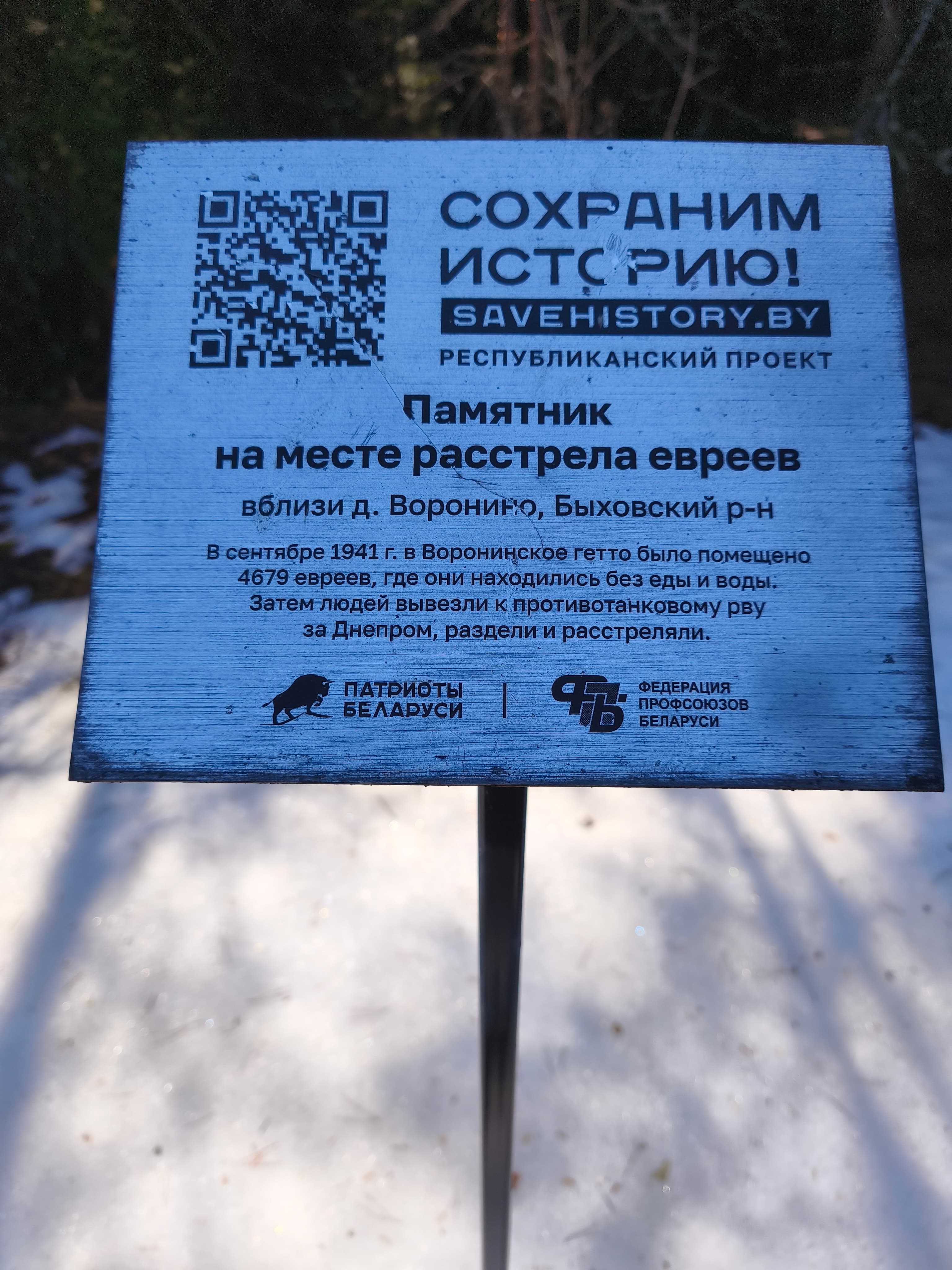
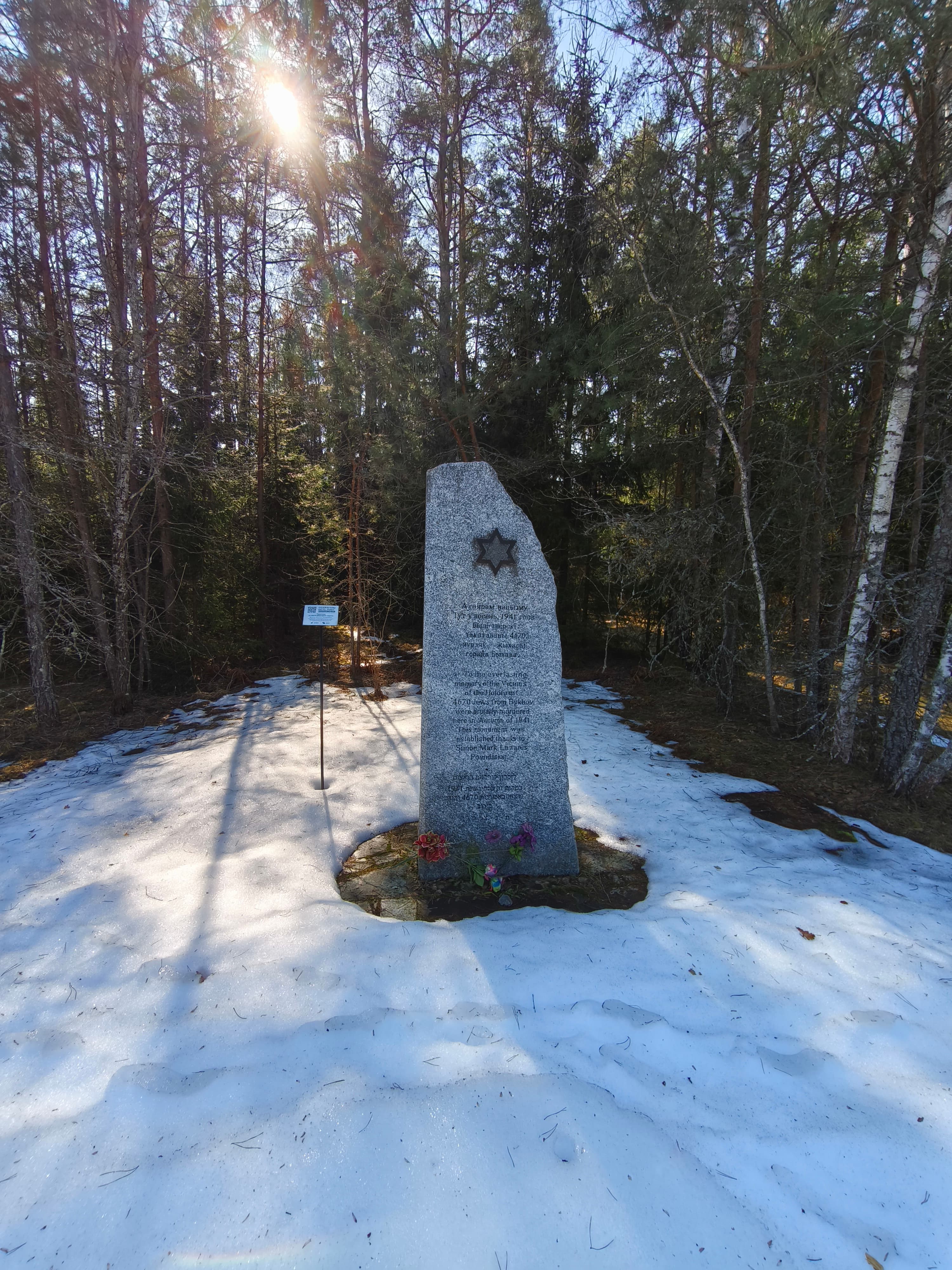
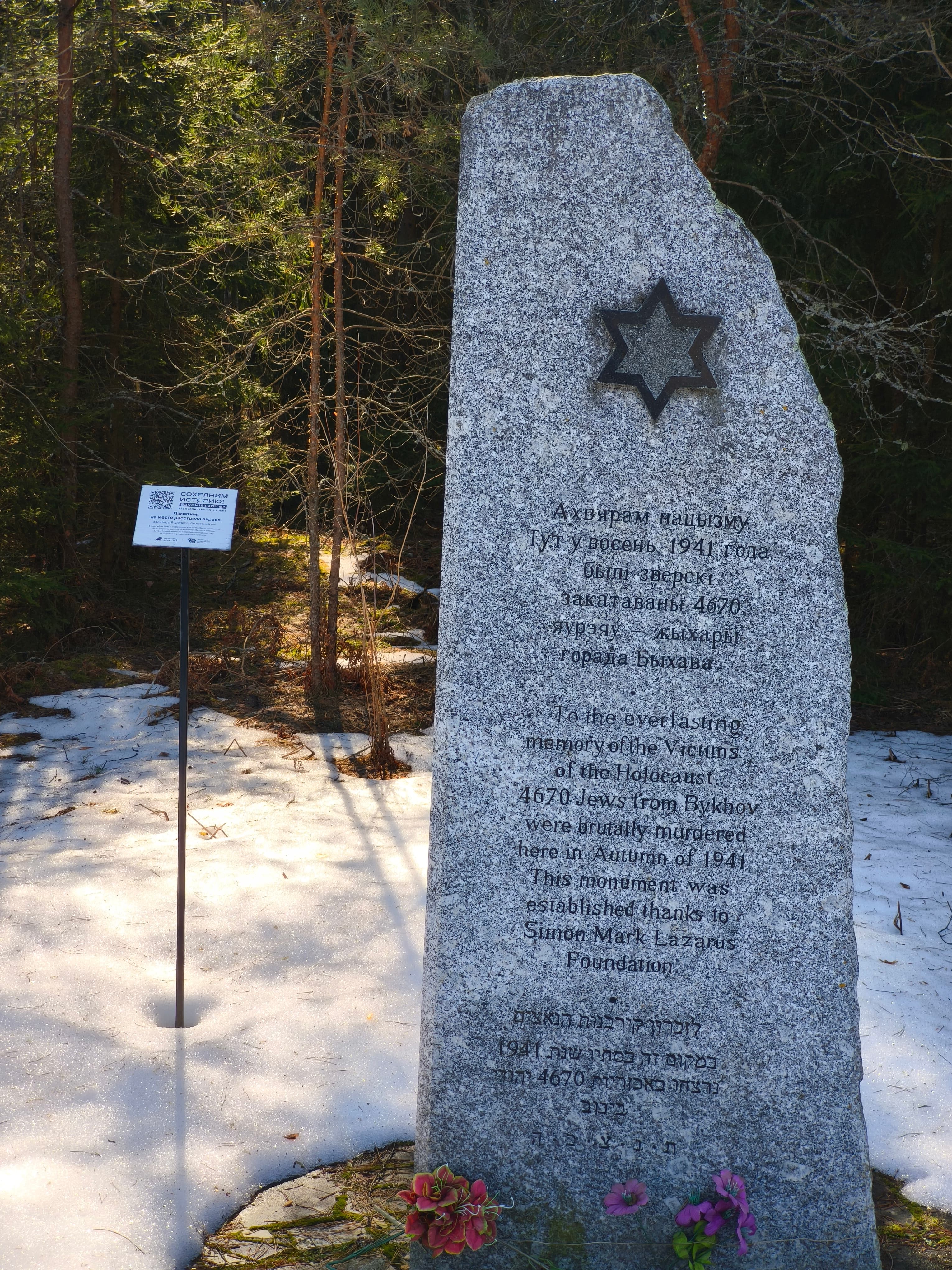
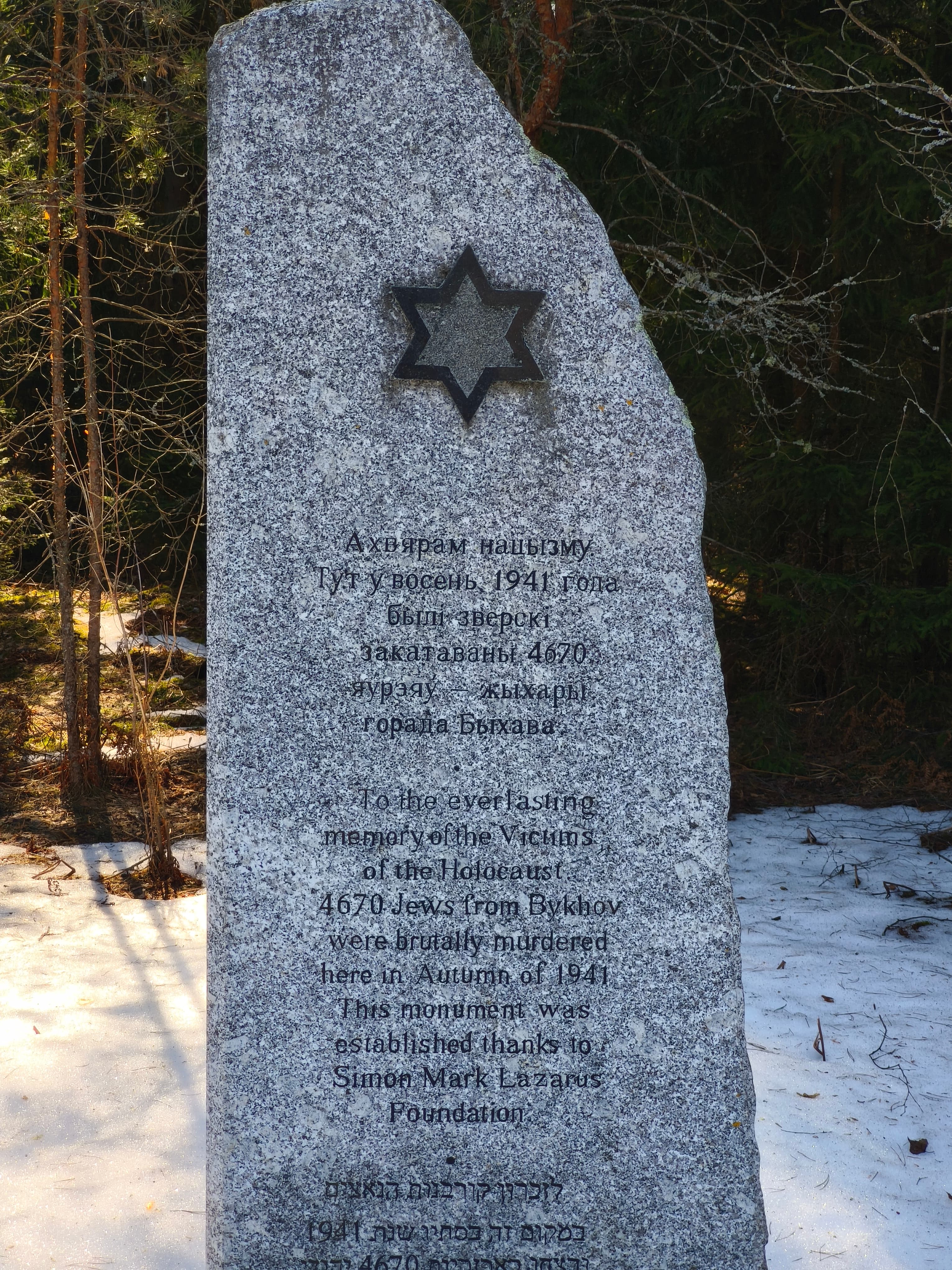
In the quiet village of Voronino, Bykhov district, there is a place where the air is heavy. This is Gonkov moat, an anti-tank moat that has become a mass grave for hundreds of innocent people. Today there is a modest monument here, reminiscent of the most terrible page in the history of this region - the mass shooting of the Jewish population in the fall of 1941.
Categories

Historical
Comments
Reviews to the Place
1Ольга Ерёменко
29.03.2026
The tragedy at Gonkov Moat: Monument to the victims of the Holocaust in Voronino
Bykhov district was occupied by German troops at the end of July 1941, and almost immediately the policy of genocide began here. The main target of the Nazis were Jews, who were rounded up in ghettos and methodically exterminated.
By September 1941, most of Bykhov's Jews had already been killed. But the tragedy in Voronino happened later, in November. The remaining Jews, mostly women, the elderly, and children, were herded into the building by the Nazis. They were kept there for about a week without food or water. People were dying of thirst and hunger right in front of each other, and the guards just watched them suffer.
The few who survived this "sitting" were doomed. They were loaded into trucks and driven to the village of Voronino, 6 kilometers from Bykhov. The road to the place of execution was already lined with corpses - those who tried to escape along the way or simply collapsed from weakness were shot on the spot.
"They were thrown alive into the moat".
An anti-tank moat was chosen as the place of execution. Witnesses of those events said that the doomed were forced to undress. Then people were lined up along the moat and shot with machine guns.
The massacre of children was especially monstrous. According to the testimonies of the survivors and the materials of the Extraordinary State Commission of the USSR, the Nazis did not waste bullets on children under 10-12 years old. They were broken through the knee, the spine was broken and thrown into the moat alive, buried with earth. Among those buried alive were wounded adults who were not finished off.
The numbers vary. The ESC calls the horrifying figure of 4,679 people killed in this place. However, researchers are inclined to believe that this figure includes other executions of civilians in the area. Historians estimate the number of Jews from Bykhov who were killed on that November day at about 2,000.
Covering their tracks.
Two years later, at the end of 1943, the Nazis, retreating under the onslaught of Soviet troops, tried to hide the traces of their atrocities. As part of "Operation 1005" (to cover up mass killings) they came to Voronino, exhumed the bodies and tried to burn them. But memory turned out to be stronger than fire - the ground at the site of the moat remained soaked with blood forever.
Monument.
For many years, the place of the tragedy was not properly marked. Only decades later, thanks to the initiative of the chairman of the Jewish community of Bykhov, S.P. Dvoskin, a monument appeared here.
Today Gonkov moat is a place of sorrow. Every year on December 9, the International Day of Remembrance of the Victims of the Crime of Genocide, local residents and young people come here to clear the territory, lay flowers and honor the memory of the victims with a minute of silence.
Standing by this moat, it is difficult to realize that once here, in the silence of a Belarusian village, machine gun fire and children's crying could be heard. The monument in Voronino is not just a stone. It is a reminder of what hatred leads to, as well as a call to remember that this will never happen again.