
Voronichi. The castle.
Monument of archeology
Vitebsk region, Polotsk district, Voronichi village
Description
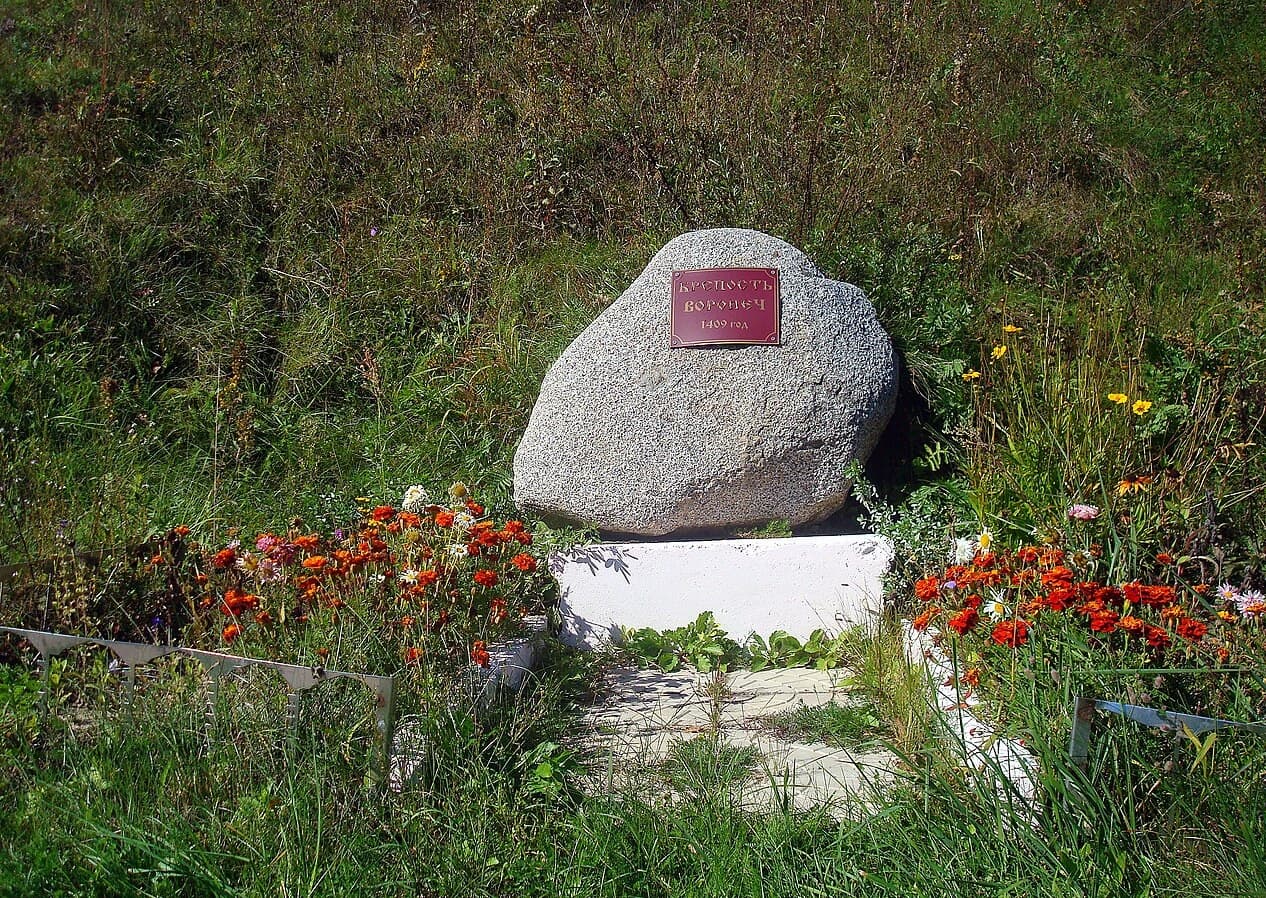
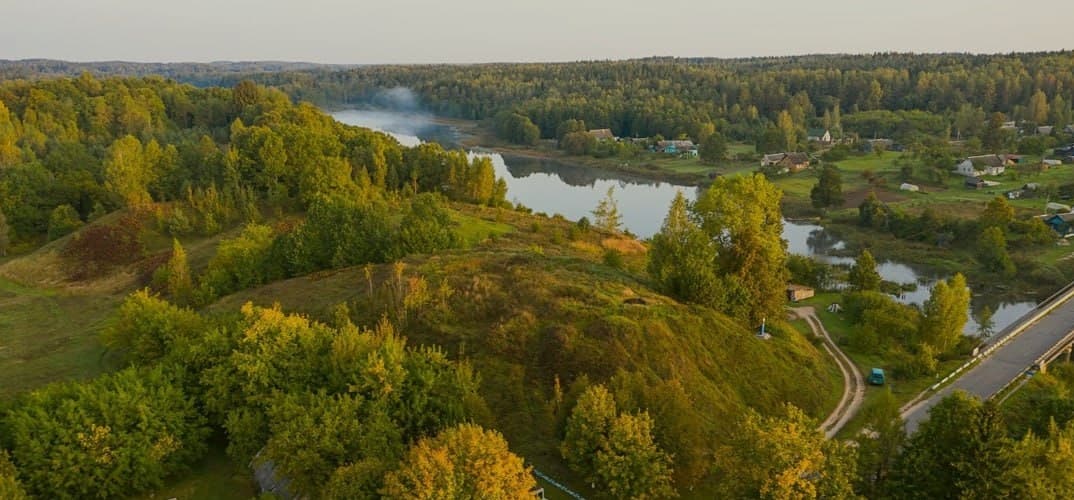
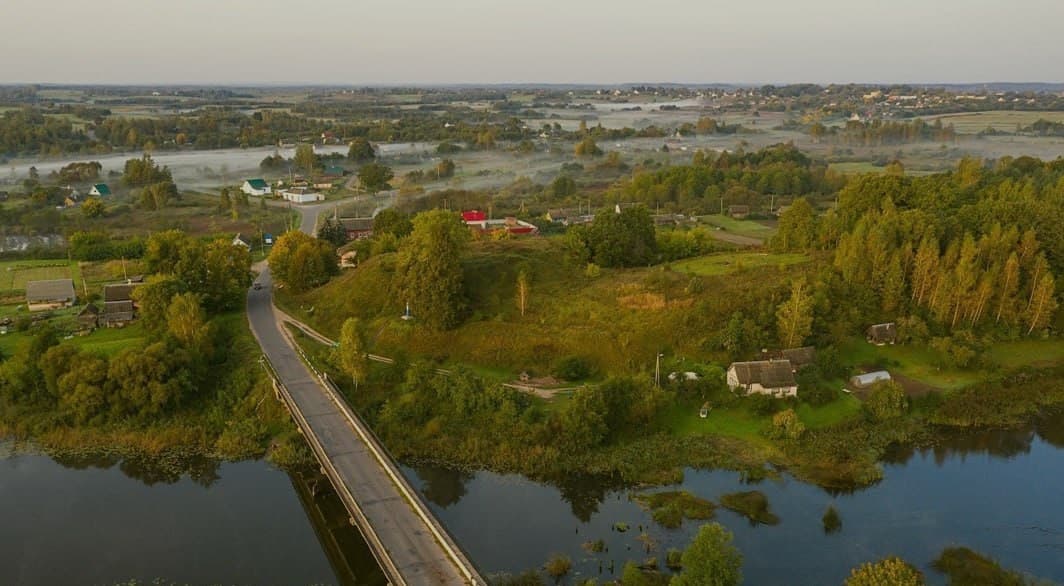
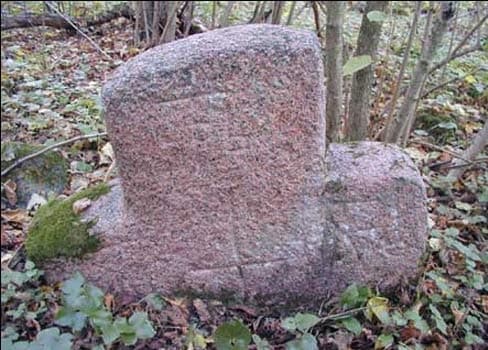
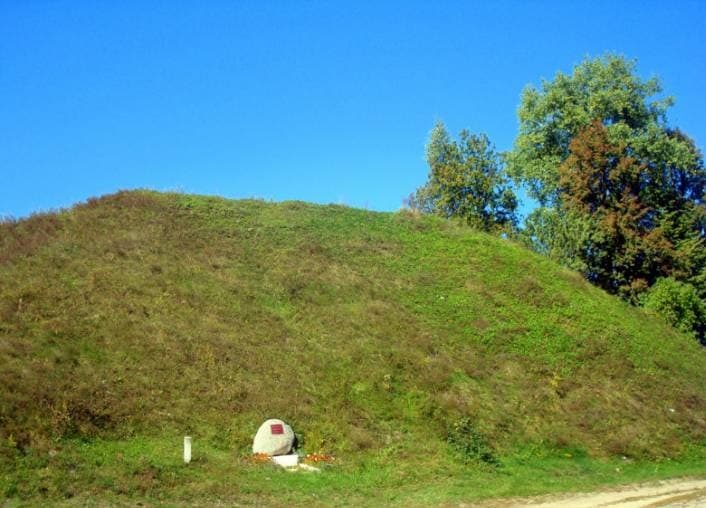
Just a hundred kilometers from Minsk, in quiet Voronichi village, you can touch the history of the Grand Duchy of Lithuania. Here, on the shore of Ushacha river, there is a Castle - the remains of a wooden castle of the XVI century, erected by order of Zhigimont Augustus. Only earthen ramparts and moats remain from the majestic structure, but they allow you to feel the power of the ancient outpost. Come breathe in the history and enjoy the views!
Categories

Historical
Comments
Reviews to the Place
1Ольга Ерёменко
11.03.2026
The forgotten outpost: Voronichi Castle keeps secrets of the 16th century
Hidden among the picturesque hills of Polotsk lands, on the high bank of the Ushacha River, there is a corner where time flows differently. This Castle in Voronichi is a place that wonderfully combines the majestic past and the silence of the Belarusian countryside. Today, trees grow here and birds sing, but a few centuries ago there was a lot of life here, and the walls of a wooden castle towered over the area.
The village of Voronichi (today it is the Polotsk district of the Vitebsk region) may seem like an ordinary settlement, but its history goes back centuries. The greatest flourishing of these places occurred in the XVI century, the era when the Grand Duchy of Lithuania strengthened its borders and built powerful defensive structures.
The Legend of the Seven Hills.
According to historical data, it was in the XVI century by order of the Grand Duke of Lithuania and King of Poland Zhigimont II Augustus that a wooden castle was erected here. The choice of location is not accidental. Voronichi is located on a hill, and the bend of the Ushacha River created a natural barrier for uninvited guests.
The castle in Voronichi was a typical private-owned fortification of its time. It wasn't just a barracks: It was the center of administrative power and a refuge for local residents in case of military danger. Powerful wooden walls (gorodni), deep ditches and high earthen ramparts made it a serious obstacle for the enemy. Imagine: the ringing of a blacksmith's hammer, the trampling of horses, the whispering of prayers in the chapel and the creaking of the gates opening before a messenger with important news from Polotsk or Vilno.
One hundred years of greatness.
Alas, the age of the wooden castle is not long. After existing for about a hundred years, the majestic structure fell. The reasons could be different: devastating fires, so frequent in the history of wooden cities, or the hardships of wars that swept through these lands. Polotsk was the scene of fierce battles in the Livonian War, and then the war of the Russian Empire with the Polish-Lithuanian Commonwealth. The castle most likely shared the fate of many Belarusian fortifications - it was burned or destroyed and was no longer restored in its former form.
What can be seen today.
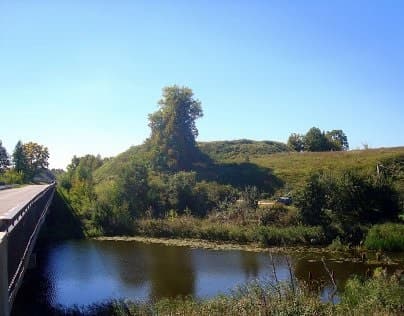
Today, only "silent witnesses" remain of the former greatness - fragments of an earthen rampart and traces of a swollen moat. These seemingly modest landscape forms mean no less to a historian and archaeologist than stone walls.
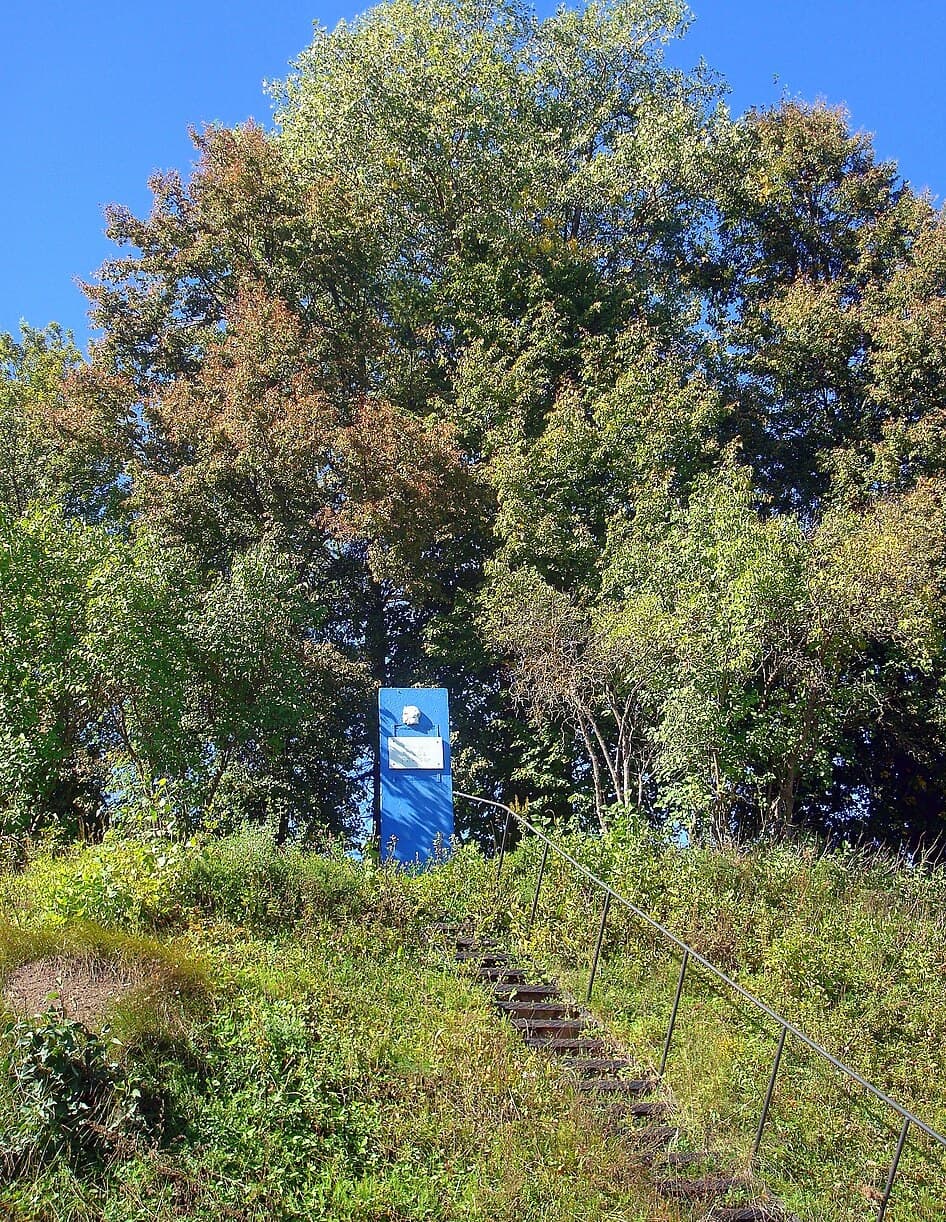
The Earthen Castle in Voronichi is recognized as an archaeological monument and is protected by the state. Climbing up the rampart, overgrown with thick grass, you stand on the spot where the guards once kept watch. A calm landscape opens from the height: a meadow, a ribbon of the Ushachi River, a distant forest. This view has hardly changed in the last four hundred years, and it is here that, looking into the distance, you feel the connection of time most acutely.
For tourists and lovers of antiquity, Voronichi is an opportunity to touch the origins. This place attracts not with spectacular ruins (there are none here), but with an aura of authenticity. A walk to the Castle will be an excellent addition to a trip through the Polotsk land, which is famous for its antiquities. A few kilometers away is the agro-town of Ostrovlyane with its manor park, and Polotsk itself, the oldest city in Belarus, is a must-visit.
The spirit of bygone eras.
Voronichi Castle teaches us that history is not just about ceremonial halls and stone cathedrals. These are also fortifications on the borders, the lives of ordinary people defending their homes, and the transience of human creations. Come here to stand in silence, reflect on the frailty of existence, or just have a picnic on the riverbank, where the wives and mothers of Voronichi warriors once drew water.