
Tomashovka. Railway station "Vlodava".
Landmark
Brest region, Tomashovka village, Vlodava station, 1
Description
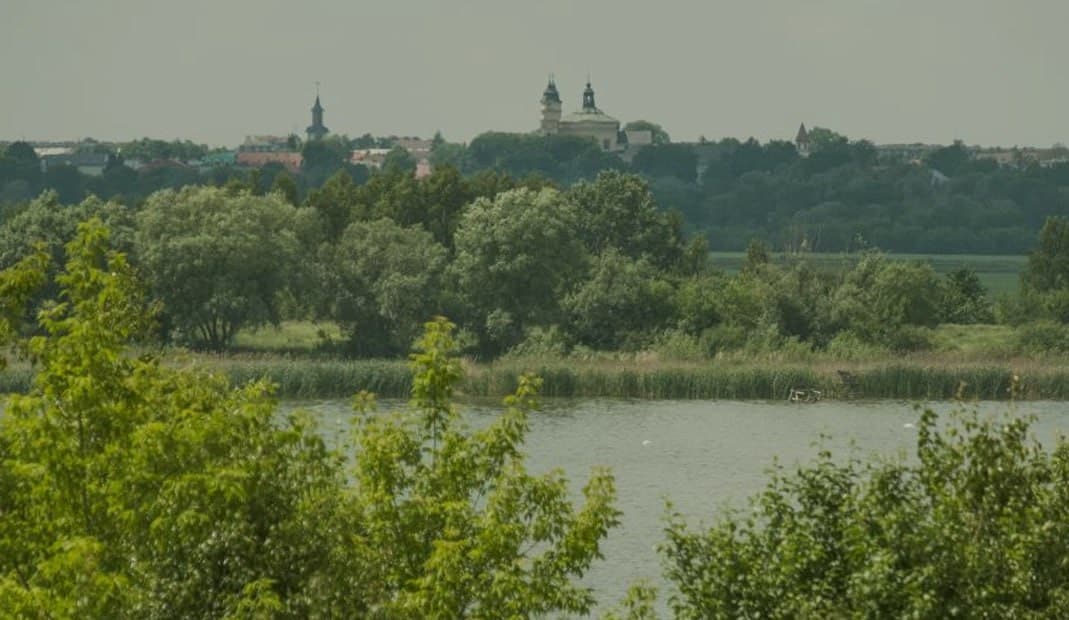
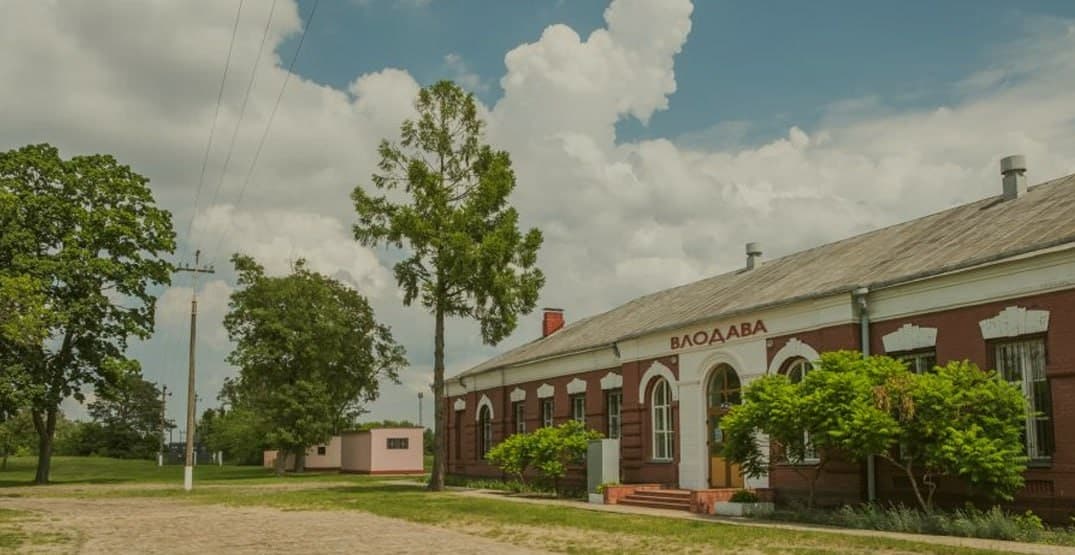
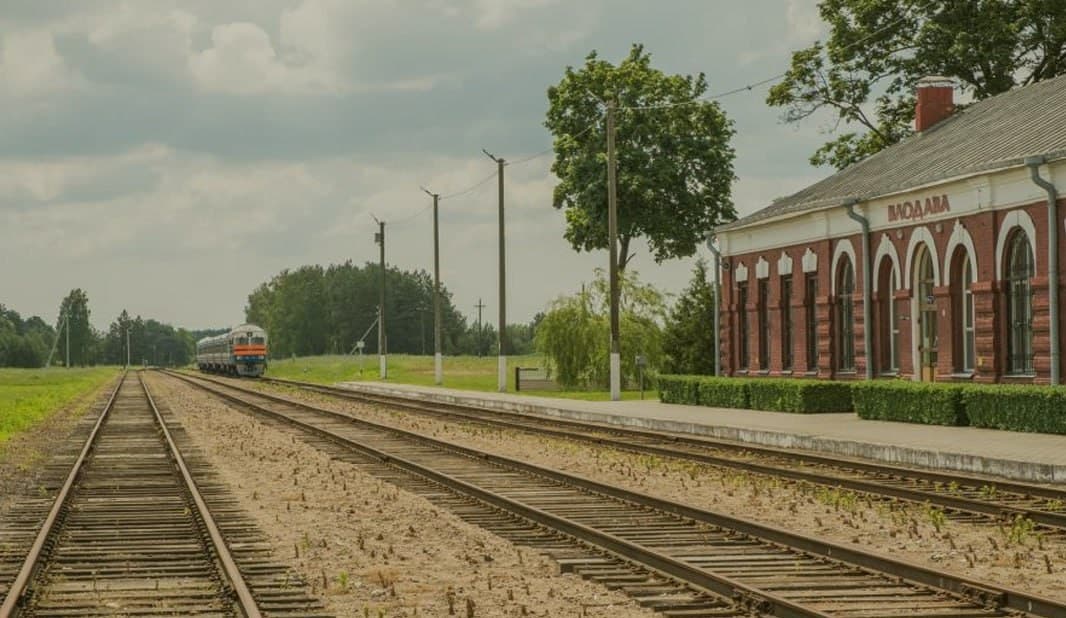
There is a ghost station in Belarusian Tomashovka, three kilometers from Polish Vlodava. Built in 1897 as a junction on the Brest-Chelm line, it remembers the times of the Russian Empire. The station at the beginning of the 20th century was destroyed in the war, but rebuilt in the 60s. Today it is a dead end: the bridge over the Bug was blown up, the rails to Poland were dismantled. Only diesels from Brest come here. The rusty paths ending at the border zone and the old embankment leading nowhere are the best monument to a bygone era when borders were not divided, but connected.
Categories

Historical

Architectural monument
Comments
Reviews to the Place
1Ольга Ерёменко
18.03.2026
A dead end on the border of empires: the history of the Vlodava station in Tomashovka
There is a special category of attractions in Belarus that cannot be found in tourist booklets, but they attract travelers more than other museums. These are the silent witnesses of history, places where time seems to have frozen. The Vlodava railway station in the village of Tomashovka is an ideal image of such a "portal to the past". Today it is a quiet dead end, the final stop for passenger trains from Brest, but if you listen closely, you can still hear the hum of bygone eras here.
Witness the age of empires.
To understand the significance of this place, you need to go to the end of the 19th century. In 1887, when the western provinces of the Russian Empire were actively entangled in a network of railways, construction began on a line that was supposed to connect Brest-Litovsk (the most important fortress of the empire) with Kholm (now Chelm) and Bialystok. It was a strategic corridor that allowed for the rapid transfer of troops and supplies along the western outpost.
The station itself, named "Vlodava", appeared a little later - in 1897. However, the choice of location was unusual: it was built not in the city of Vlodava itself (which is now in Poland), but only 3.5 kilometers away from it, on the eastern shore of the Western Bug - in Tomashovka. Why? Most likely, the terrain features, the benefits of laying roads, or military logistics played a role. In those days, it was a full-fledged hub with a developed infrastructure: a small factory operated here, there was a turntable for steam locomotives (after all, locomotives could not travel backwards for long distances at that time), and the station building itself was the center of attraction for the surrounding residents and transit passengers.
The current station building is already a second life. The first one, built at the very beginning of the 20th century, did not last long. It survived the First World War and the change of power, but the Second World War was fatal for it. In 1944, retreating under the onslaught of the Red Army, the Nazi troops systematically destroyed the infrastructure. The bridge over the Bug River was blown up, the railway track was rendered unusable, and the station building itself turned into ruins.
Restoration and new oblivion.
For many years, the station stood in ruins, reminiscent of the recent war. It was only in the 1960s, when the region was actively recovering, that the decision was made to bring the station back to life. The station was rebuilt, carefully preserving its historical appearance. Today, looking at the neat one-story building with the characteristic architecture of the middle of the last century, you can guess the features of the pre-revolutionary original in it. For many residents of Tomashovka and the surrounding area, this station has become a symbol of peaceful life.
In Soviet times, trains went through the Vlodava station again, but not the same ones. They did not restore the bridge over the Bug River - the border with Poland became a state border, and railway communication with it turned out to be unprofitable or too complicated from a political point of view. Instead of a through path, a dead end has formed. Trains ran from here in only one direction - to Brest. The Polish city of Vlodava remained in direct line of sight, but the railway connection was replaced by border crossings for motorists.
Today: between the past and the future.
In the 2000s, the last attempt was made to establish international communication. There was talk of restoring a branch line to Poland, but it didn't go beyond that. The track was finally dismantled towards the border, and the Vlodava station became the final one forever.
Today, coordinates 51.5514,23.6121 will take you to a place where time flows differently. This is a typical station for suburban lines of the Belarusian Railway. A diesel train from Brest arrives here several times a day to take a half-hour rest and head back. There are few passengers - summer residents, locals, and rare tourists.
Looking at the station building, it's hard to believe that it witnessed the collapse of empires. Now there is a cozy provincial silence here. But if you go beyond the platform and walk a few hundred meters towards the Bug, you may stumble upon the remains of an old embankment going nowhere - to a ruined bridge. The rails end right in the grass, resting against a barrier, beyond which there is a border zone and silence.
The Vlodava station in Tomashovka is not just a transport facility. It is a monument to an era when borders were more transparent, and the railway was the main artery connecting nations. This place is an ideal metaphor for the Belarusian-Polish borderland: once a single space, torn apart by wars and politics, but preserved a common memory in the brickwork of the old railway station. Come here to hear the echo of trains that have gone down in history.