
Tomashovka. Monument to soldiers of the First World War.
Memorial
Brest region, village of Tomashovka, Quiet street
Description
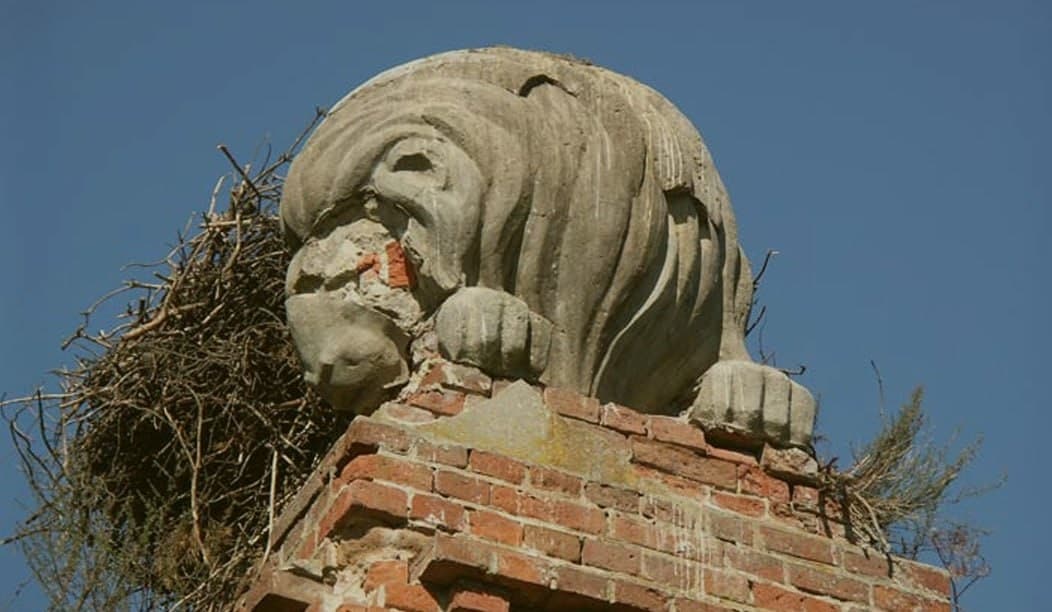
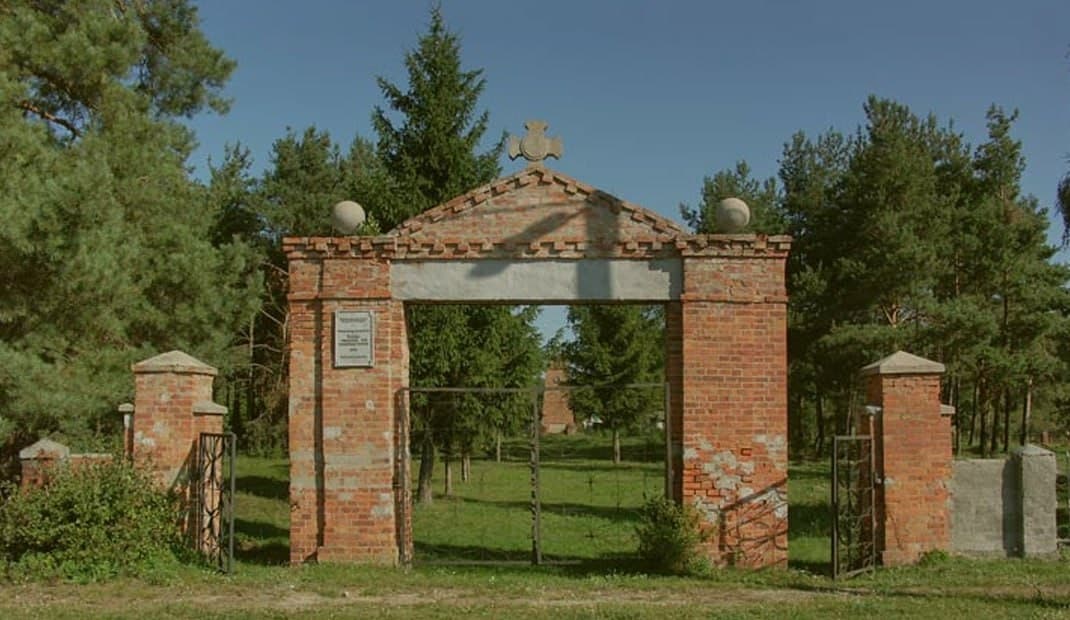
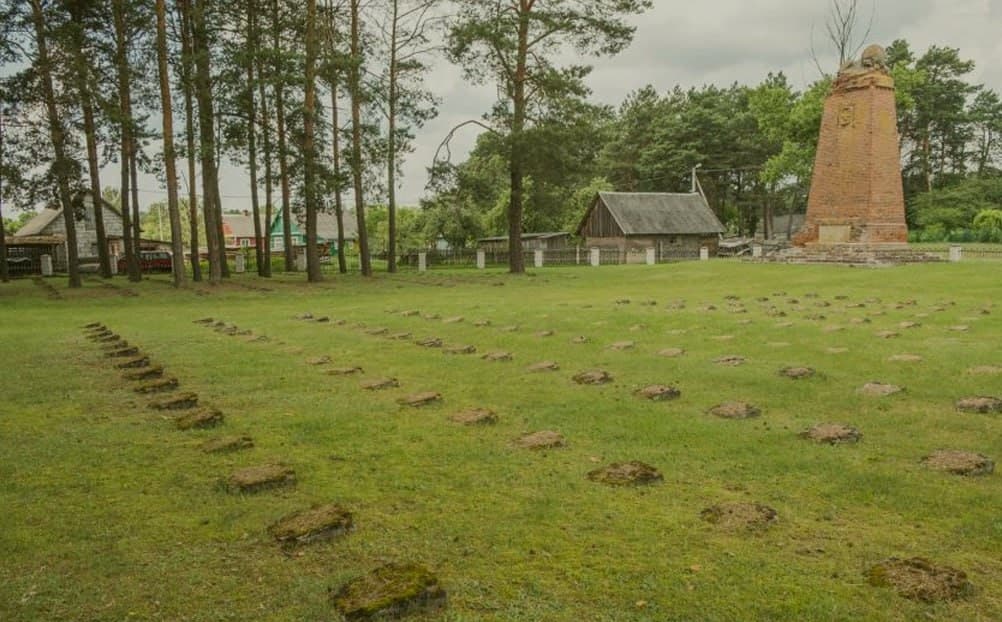
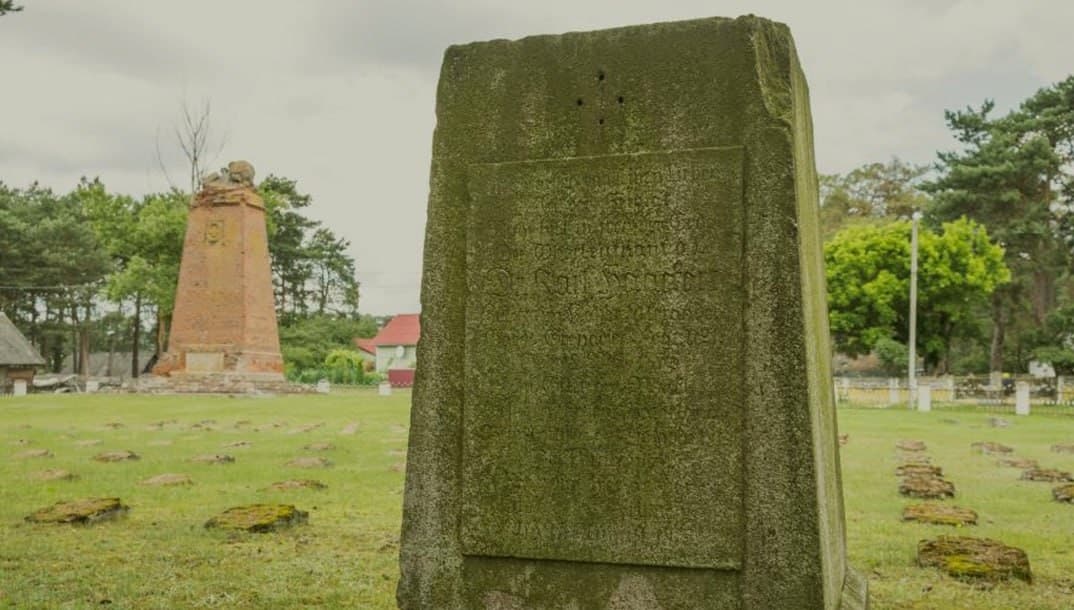
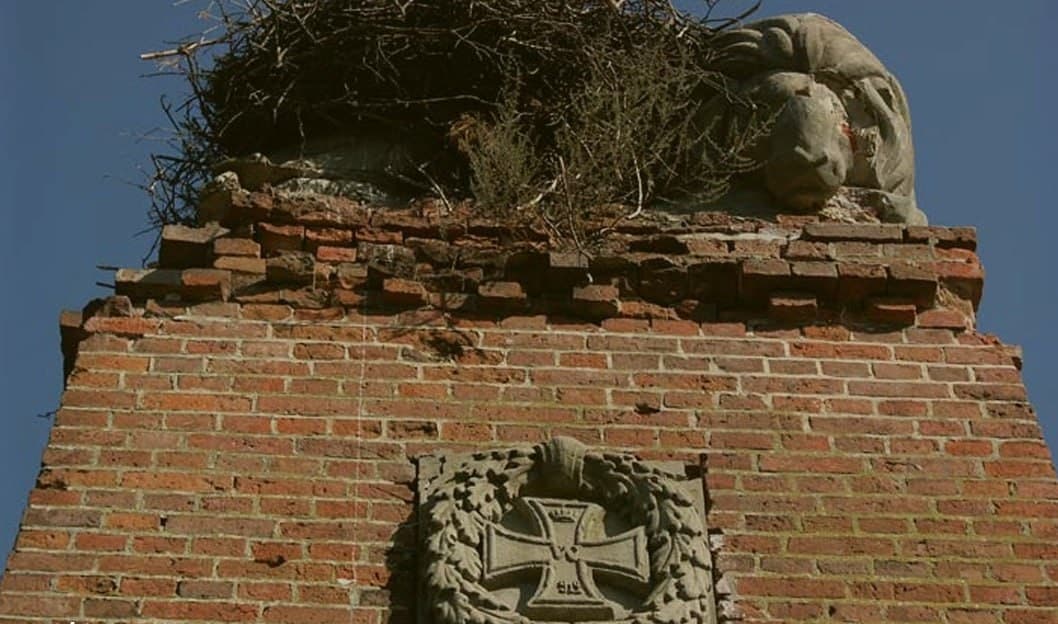
There is an unusual monument in the center of the village of Tomashovka on the "Quiet Street". In 1916, a brick obelisk topped with the figure of a grieving lion was erected here at the military cemetery. More than 1,300 soldiers of the three warring empires: the Russian, German and Austro-Hungarian empires are buried under it. The iron cross on the monument commemorates the supreme valor, and the memorial itself has become a symbol of the common tragedy of the First World War. The silence of this place makes you think about the price of peace.
Categories

Historical
Comments
Reviews to the Place
1Ольга Ерёменко
12.03.2026
Tomashovka: the resting place of three empires
In the Brest region, in the very depths of the Belarusian Polesie, a small village with a telling name Tomashovka was lost. Today it is a quiet corner near the border, where tourists rarely wander. But if you turn onto the street with the eloquent name Tikhaya (Quiet), you can find yourself face to face with a story that is never silent.
Here, in the center of the village, stands a monument commemorating more than 1,300 soldiers. And it's not just about the numbers. The uniqueness of this memorial lies in the fact that under its shadow, subjects of three warring empires sleep forever: the German, Austro-Hungarian and Russian.
History in stone and brick.
The year is 1916. The very heat of the First World War. Heavy positional battles were taking place in the vicinity of Tomashovka. The ground here is literally soaked with blood, and the surrounding forests and fields have become the last refuge for thousands of soldiers. It was then, at the height of the war, that a monument was erected at the military cemetery in the center of the settlement.
The choice of location and time for the cemetery's construction speaks volumes: even in the flames of the fratricidal massacre, there was a place of humanity and respect for the fallen, regardless of which side of the front line they fought on.
The memorial is a majestic brick obelisk. It is not plastered, and this intentional or time-preserved asceticism of red brick gives it a special severity and authenticity.
Symbols of sorrow.
Take a closer look at the details of the monument. The top of the obelisk is crowned with an image of a lion. In the European memorial tradition, the lion is not only a symbol of strength and valor, but above all, the personification of sorrow. The stone beast seems to guard the peace of the dead, reminding the living of the magnitude of the loss.
Just below, you can make out the image of an Iron Cross. Yes, this is the highest military award of Imperial Germany. Her presence on the obelisk indicates that the cemetery was originally created, probably by the forces of German units for the burial of their compatriots. However, history ordered otherwise, making this cross a symbol of a common tragedy for the soldiers of all armies resting here.
Memory without borders.
According to various sources, the mass grave in Tomashovka united the remains of soldiers from Germany, Austria-Hungary and the Russian Empire. Today, the memorial is being cared for. Thanks to the efforts of local residents, enthusiasts and, possibly, international organizations, the monument did not collapse and did not sink into oblivion.
Search engines are brought here, and commemorative ceremonies are held here. A quiet street in Tomashovka is the very place where you realize the absurdity of the phrase "the war has an end". It has only consequences, carved in stone and buried in the ground.
Why is it worth seeing with your own eyes?
The monument in Tomashovka is not just a point on the map, it is a bridge between the past and the future. It reminds us that historical justice and simple human compassion are stronger than political ambitions.
Come here to feel the silence. The one that reigned here 100 years after the cannon volleys. Lay flowers at the foot of the obelisk, crowned with a grieving lion. After all, the memory of that forgotten war, which contemporaries called the Great War, begins with such places - sincere, sad and very humane.