
Svyatsk. Chapel of All Saints.
Church
Grodno region, Svyatsk village
-1773916457744.webp&w=3840&q=75)
Description
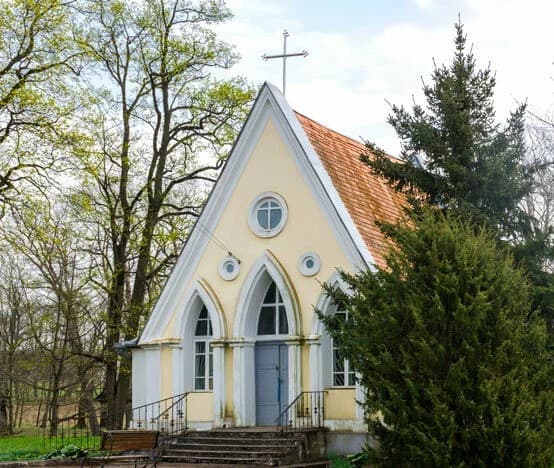
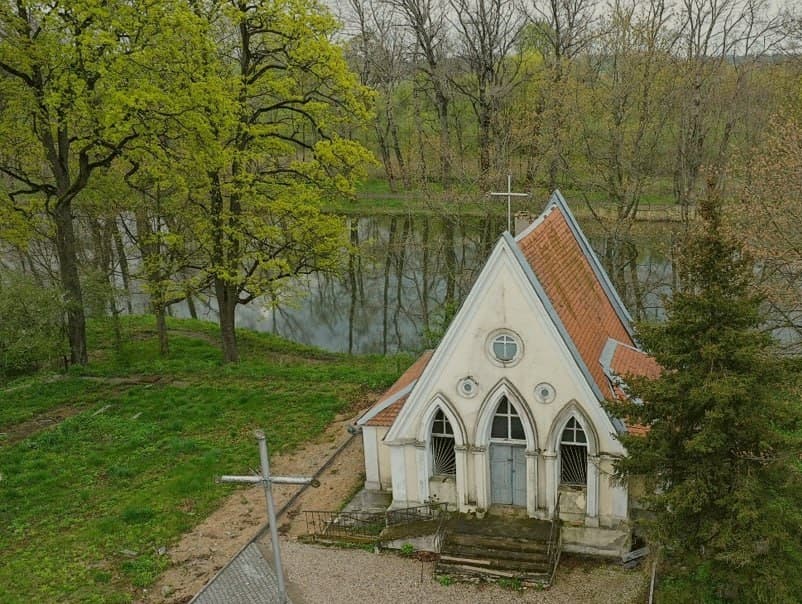
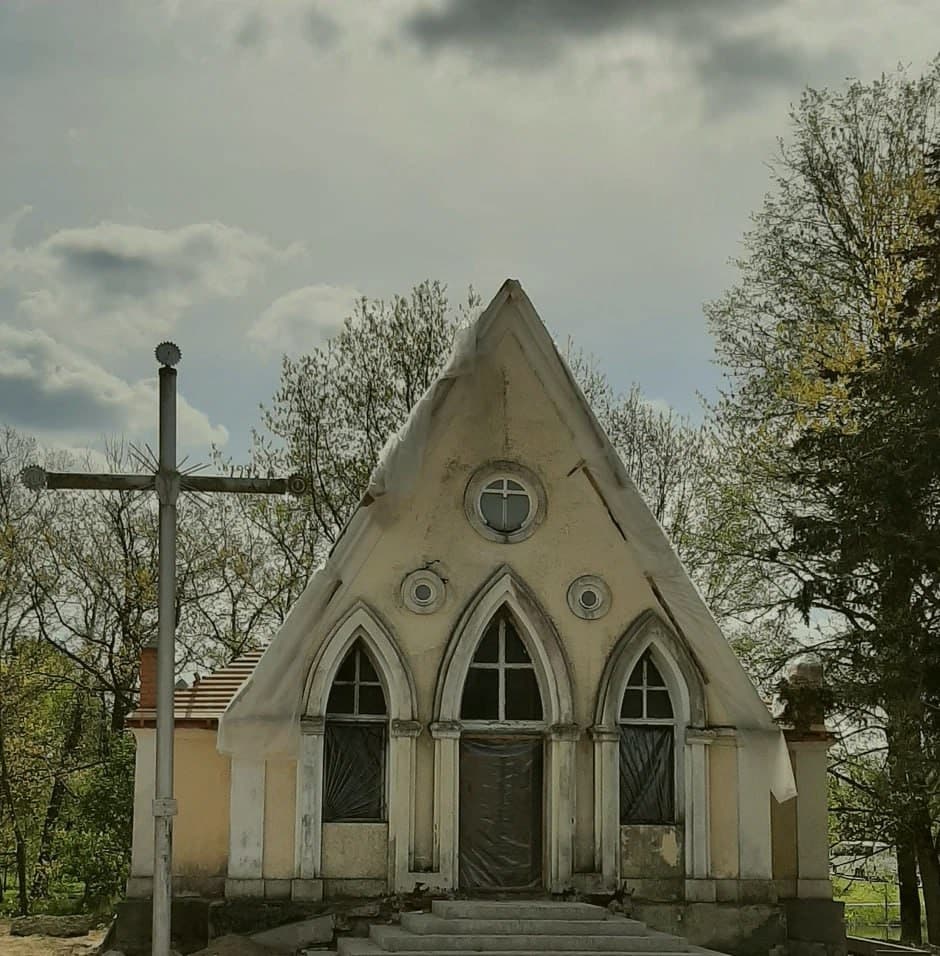
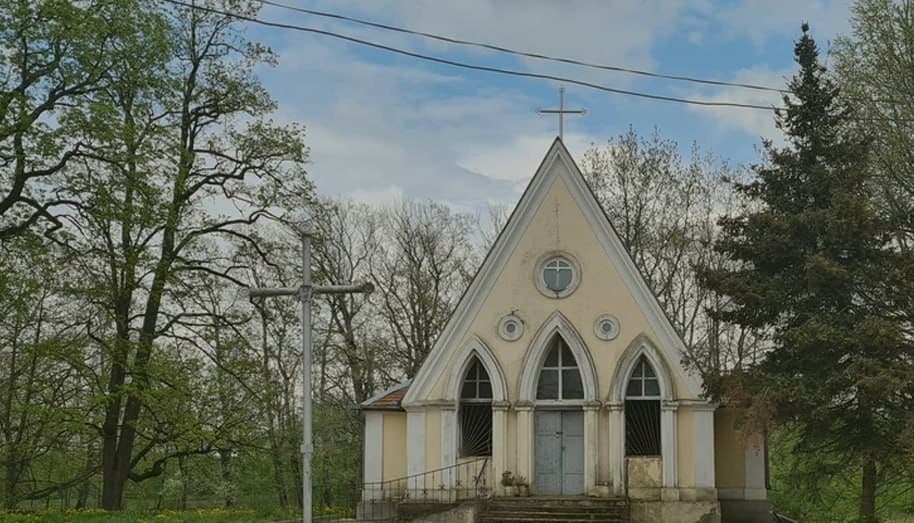
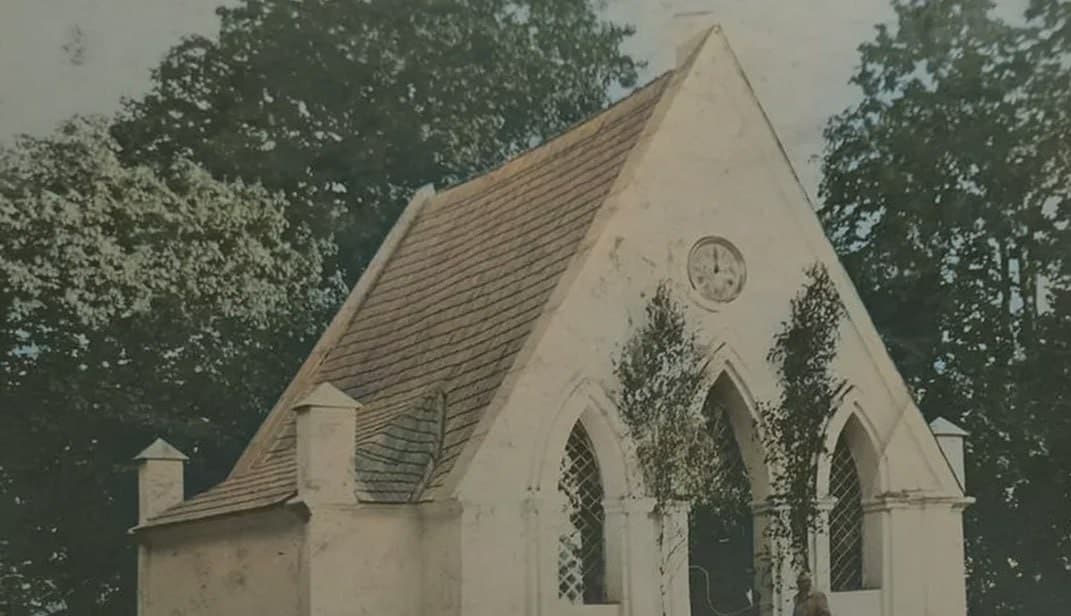
In the village of Svyatsk, near the border with Poland and Lithuania, the Neo-Gothic Chapel of All Saints (1889) has been preserved. It was part of the Volovichs estate complex, designed by architect Giuseppe de Sacco. The lancet windows and towering silhouette make it an architectural gem of the region.
Categories

Historical

Architectural monument
Comments
Reviews to the Place
1Ольга Ерёменко
19.03.2026
The Ghost of the Gothic Revival: the history and decline of the chapel in Svyatsk
Just seventeen kilometers from Grodno, at the very junction of the borders of Belarus, Poland and Lithuania, there is a village with a telling name - Svyatsk. Today it is a quiet corner of the Grodno region, but two and a half centuries ago, one of the most expressive manor complexes in the region was in full swing here.
The history of these places goes back to the XVI century, when the territory belonged to the powerful Radziwill family. However, the Volovich noble family became the true architectural "godparents" of Svyatsk. It was they who initiated the construction of the palace in 1779, which was to overshadow the neighboring residences. The author of the project was Giuseppe de Sacco, an architect whose name is inextricably linked with the pearls of the Belarusian Baroque and classicism.
The erected ensemble was amazing: a two-story main building with a baroque broken roof, wings connected by colonnades, and an extensive English park with a system of ponds, alleys, and a greenhouse. The Volovich Palace has become a real symphony of stone and greenery.
But every symphony has a final chord. In 1889, a century after the construction of the palace, a small but surprisingly harmonious temple was erected opposite its front facade. The Chapel of All Saints has become an architectural dominant, gathering around itself all the lines of the manor landscape.
Its appearance is based on the canons of Neo-Gothic, a trend that experienced a rebirth in these lands at the end of the 19th century. Lancet windows, skyward lines, a recognizable silhouette with a pointed spire - the chapel looks like a medieval knight standing guard at the gates of the ancestral nest. Initially, it served as a tomb or a home chapel for the subsequent owners of the estate (at various times it was owned by the Volovichs, and then other gentry families), being not just a place of prayer, but also a symbol of the continuity of generations.
The chapel retains its expressiveness and magnetic appeal for lovers of antiquity. It is like a huge puzzle in which the features of former greatness can be guessed.
Those who decide to visit this place should be extremely careful. Locals and tourists warn that black snakes (probably vipers or melanistic snakes) are found on the estate and around the chapel. Eyewitnesses note their unusual aggressiveness - they can hiss and take up defense right at the stairs leading to the temple. Nature seems to be trying to recapture man-made monuments, turning them into wild, impregnable bastions.
The chapel in Svyatsk is a silent witness to a bygone era. It reminds us that even the most beautiful creations of human hands, without proper care, become just a decoration that time inexorably erases from the face of the earth.