
Starodvorishche. Chapel of St. Jadwiga.
Church
Belarus, Vitebsk region, Braslav district, Starodvorishche village
Description
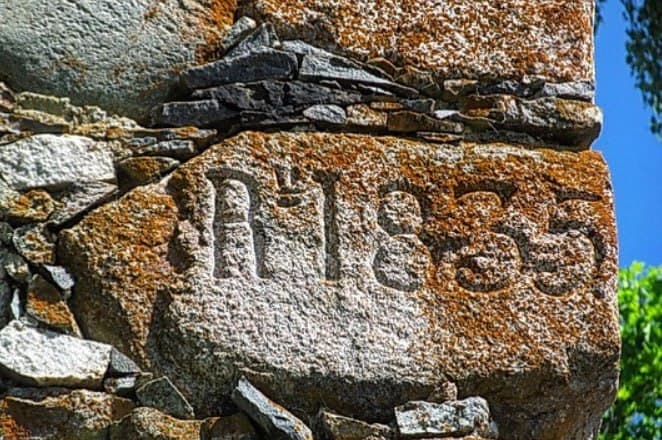
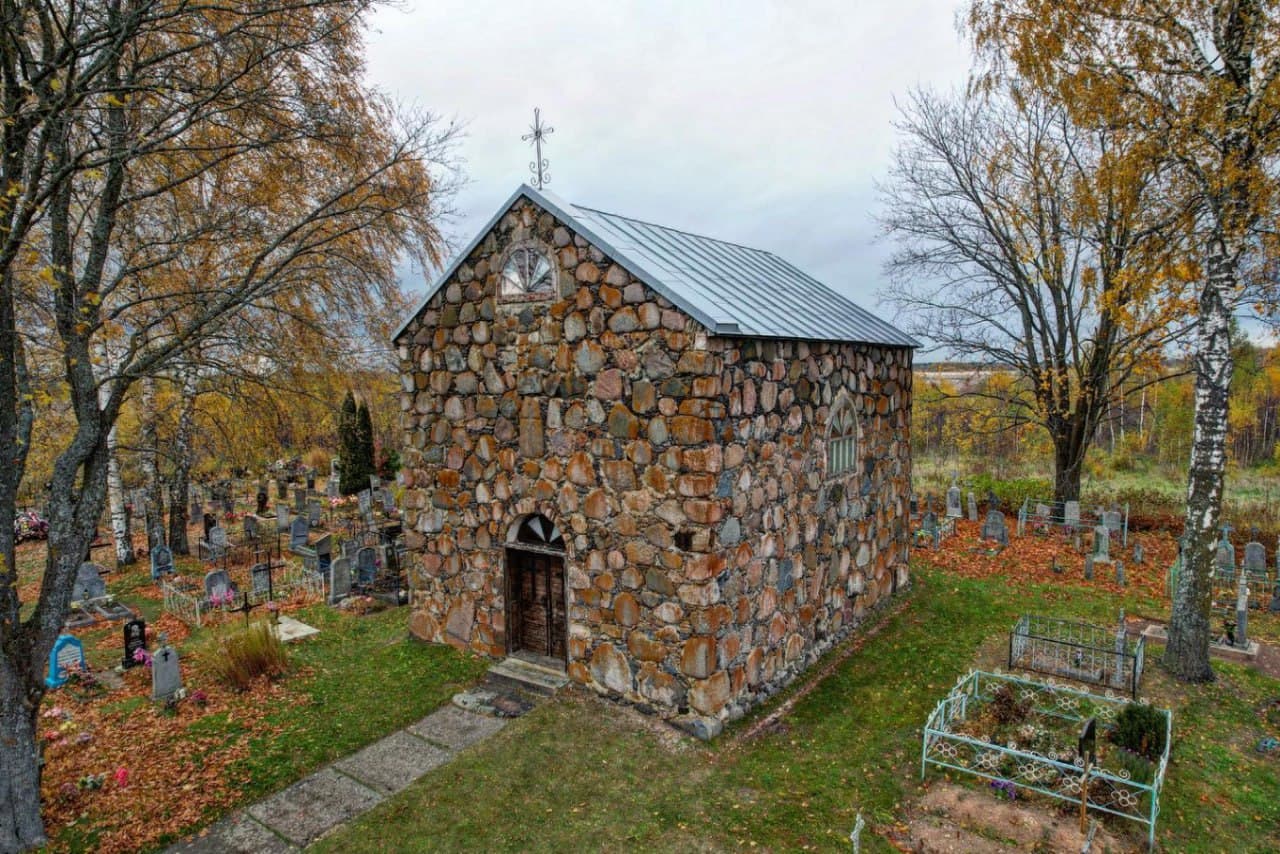
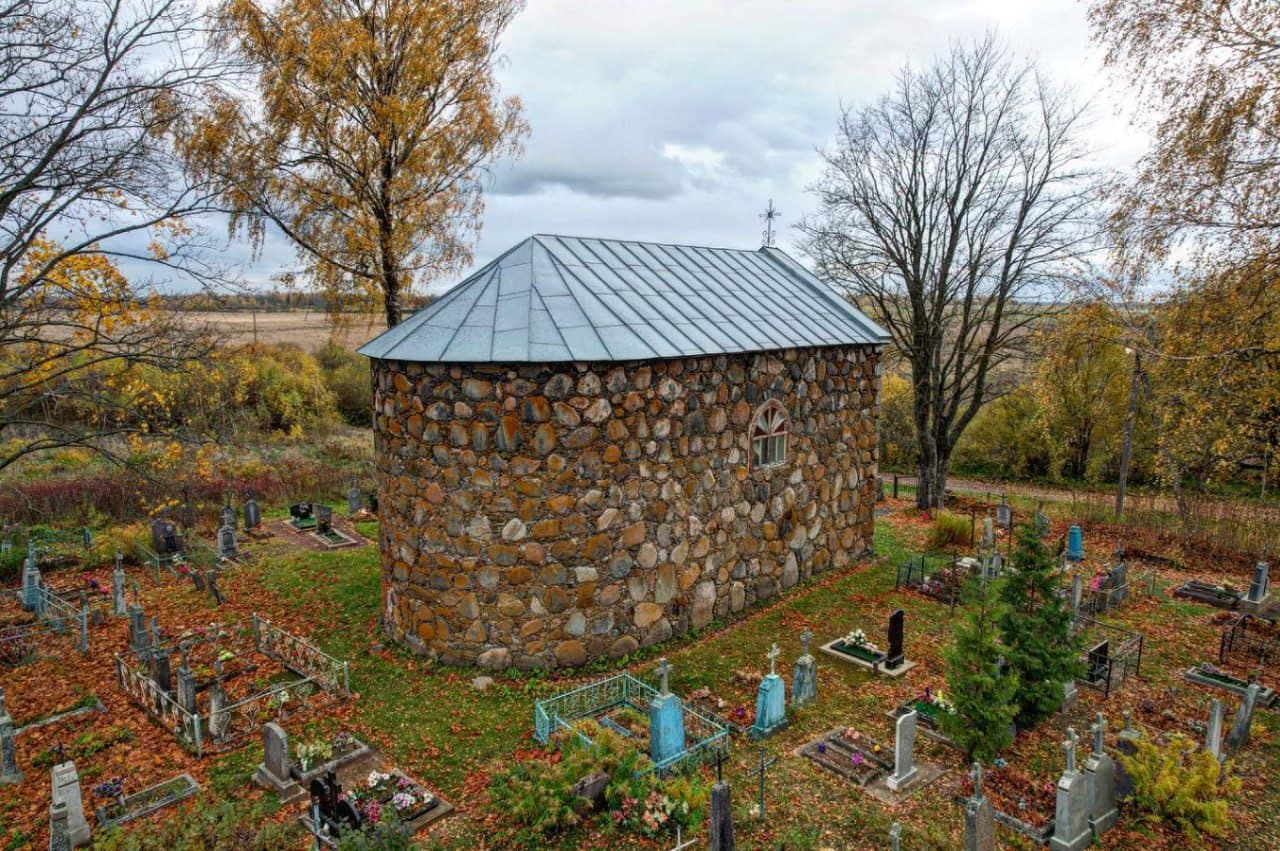
The ascetic chapel of St. Jadwiga near the village of Starodvorishche appeared in the cemetery in 1835. The small stone building impresses with its strict lines. Above the entrance is a crucifix carved in stone and an inscription in Polish: "God save them".
The main shrine inside is an altar made of a huge boulder. According to legend, this stone was sacred in pagan times, long before the chapel was built. The place wonderfully combines the Christian tradition and the memory of ancient beliefs, preserving the atmosphere of genuine spiritual austerity.
Categories

Historical

Architectural monument
Comments
Reviews to the Place
1Ольга Ерёменко
23.03.2026
The ascetic chapel of St. Jadwiga: a stone that remembers paganism
There is a special magic of places in Belarus where time flows differently. Here, among the century-old pine trees and well-groomed graves of the cemetery in the agro-town of Starodvorishche (Braslav district), time stopped in 1835. It was then that a Catholic chapel dedicated to Saint Jadwiga appeared on this site. Despite its venerable age - almost two centuries - it is surprisingly well preserved, retaining its pristine ascetic beauty.
Architecture devoid of pathos.
The chapel in Starodvorishche is an example of genuine modesty and nobility. Unlike the majestic churches with rich stucco, this building attracts the eye with its stone solidity and lack of unnecessary details. This is not just an architectural form, it is the embodiment of prayer in stone.
The first thing that catches the visitor's eye is the sculptural composition above the entrance. A crucifix is expertly carved above the doorway. The figure of Christ, framed by the strict lines of the stone, seems to guard the entrance to the kingdom of eternal peace. Below, on the lintel, you can see the inscription in Polish. It is short, but emotionally filled: "Boże, zachowaj ich" - "God save them". These words addressed to the Almighty have been the leitmotif of this place for almost 200 years, connecting the past generations with those who come here today.
The heart of the temple: the boulder altar.
But the most amazing discovery awaits the visitor not outside, but inside. When you cross the threshold of the chapel, the first thing you notice is the absence of an altar made of wood or marble, which is customary for Catholic churches. His role here is played by a huge boulder.
This stone is the main shrine and the main mystery of the chapel of St. Jadwiga. Smooth, polished by time and hands, it occupies a central place in the interior. Locals and old-timers cherish traditions that go back centuries.
According to legends, this boulder was sacred long before the first Christian cross appeared on the hill. In those days, when the lands around Starodvorishche were pagan, the stone served as a place of sacrifice or a center of power where ancient tribes conducted their rituals. With the advent of Christianity, the stone was not destroyed, as it often happened in other places. Its sacred essence has been reinterpreted. The pagan "stone altar" organically fit into the new religious tradition, becoming the basis for the Christian altar. This is a rare example of how two cultural strata - an ancient belief and a modern church tradition - have found a point of contact.
The atmosphere of the place.
The chapel of St. Jadwiga is located in a functioning cemetery. This place is not a tourist "museum", but a living part of the community. Memorial services are still held here and divine services are held on the days of the saints' memory.
The interior of the chapel is designed in the same strict aesthetics as the facade. Light penetrates through the narrow windows, picking out the rough texture of the stone walls and the boulder from the gloom. This asceticism does not leave anyone indifferent: there is nothing superfluous here that could distract from thinking about the eternal.
Visiting this place leaves an unusual aftertaste. On the one hand, you see an architectural monument of the 19th century with a clear chronology and history. On the other hand, you are touching a much more ancient layer of history, feeling the very connection of times, which in the language of archaeologists is called the "continuity of sacred spaces."
If you find yourself in the Braslav district, be sure to take the time to turn off to the village of Starodvorishche. The ascetic chapel of St. Jadwiga is worth seeing with your own eyes. Here, under the shadow of a stone that witnessed pagan rituals and Christian prayers, you best understand what true faith is - beyond time and beyond epochs.