
Shimki. Remnants of an old tar factory.
Landmark
Grodno region, Mostovsky district, village of Shimki
Description
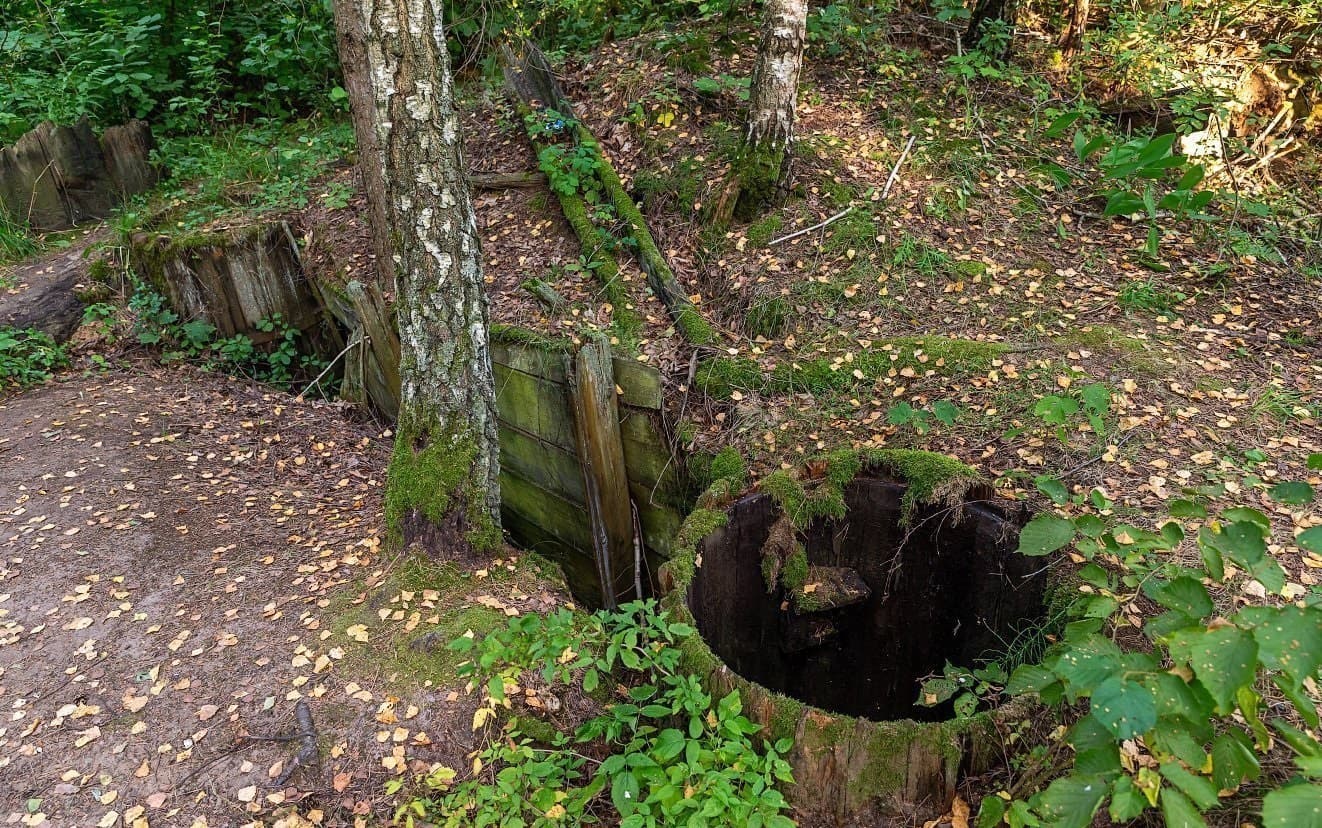
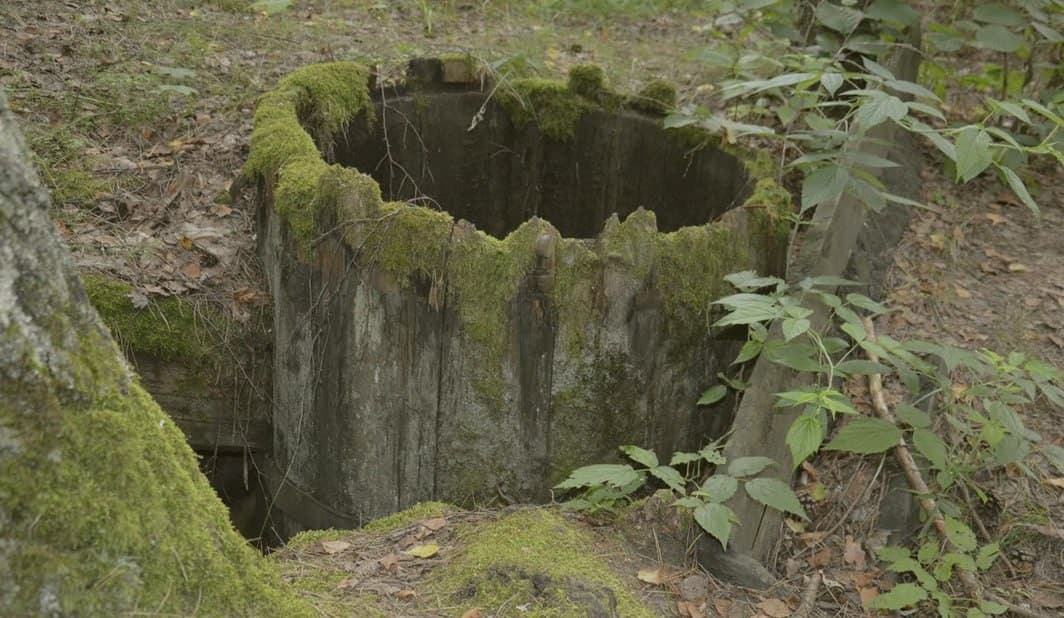
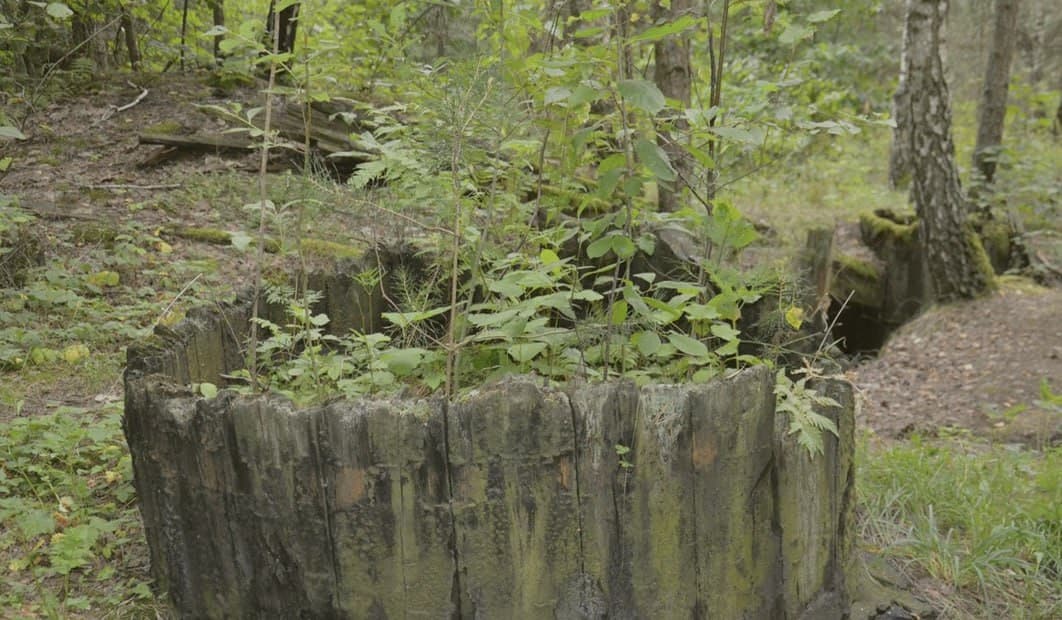
In the wilderness of the Mosty district, near the village of Shimki, there are remnants of a tar factory that operated until 1965. Among the silent witnesses of the past are oak barrels dug into the ground. Oxygen was "trapped" in them so that the birch bark turned into tar. There were channels underground through which the product flowed into containers. This place is a living history of the Lipichansky Forest and the traditions of forestry.
Categories

Historical
Comments
Reviews to the Place
1Ольга Ерёменко
11.03.2026
The smell of the century: how tar was driven in Lipichanskaya Pushcha until 1965
In the Mosty district, among the deep forests that were once part of the vast Lipichansky Forest, time seemed to stand still. If you decide to go for a walk, enter the coordinates 53.4119, 24.8867, and your navigator will lead you not to a tourist attraction, but to a real monument of industrial archeology. Here, near the small village of Shimki, the remains of a tar mill are still kept, which stopped working relatively recently - in 1965.
The time machine is underfoot.
Today, this place looks like a grassy hill, but for an experienced eye or a caring local historian, it tells a whole story. The main "exhibits" of this open-air museum are oak barrels. They are not lying on the surface, but are buried vertically in the ground, like giant time capsules.
Why were they buried? The technology of tar production was ingenious and almost waste-free. Birch bark was packed tightly into these barrels. The lack of oxygen (to "lock up" the air is the main condition of the process) and exposure to high temperatures turned the birch bark into a thick oily liquid. Special channels (gutters or pipes) were laid underground, through which the finished product flowed into the receiving tank.
It was not just a handicraft, but a well-established production. Tar was a strategic commodity in those days. They lubricated cart wheels and wooden harness parts, soaked leather shoes and harnesses to keep out water, used in construction as a preservative for wood and even in folk medicine.
The last of the Mohicans.
The fact that this tar factory worked until 1965 is an amazing fact. In the middle of the 20th century, the industry had already switched to synthetic analogues and petroleum products, and chemical plants were operating at full capacity. But in the depths of Lipichanskaya Pushcha, far from the big cities, the tradition lived to the last.
Tar pits were not uncommon in these parts. The large forests have served as a raw material base for such crafts for centuries. The forest provided the main material - birch bark. However, the tar mill near Shimki is one of those that has existed the longest. Today, it is a silent witness to the era when the forest fed, clothed and provided "lubricant" for the economy.
What's left for us?
Barrels embedded in the ground, which have already crumbled and turned black, but still retain their shape. Next to them, you can see mounds and depressions - traces of those same underground passages and technological pits.
This place is an ideal weekend destination with a historical twist. There are no signs or caretakers here, just the forest, silence and the spirit of a bygone time. To find the remains of a tar pit means to touch the history of Belarusian forestry, to feel the smell of resin and wood, which still seems to hover over the old barrels.
This is not just a point on the map, it is a portal to the past of the Belarusian Polesie and the Forest.