
Samokhvalovichi. The former Unikhovskys estate "Rusinovichi"
Manor
Minsk region, Minsk district, Samokhvalovichi agro-town, 7A Park Street
Description
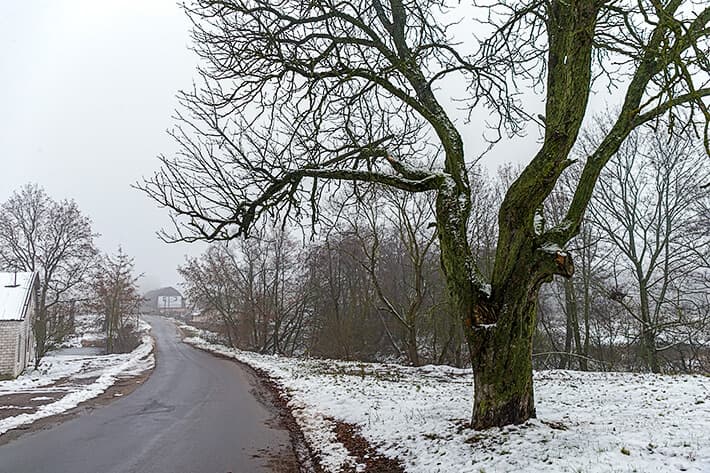
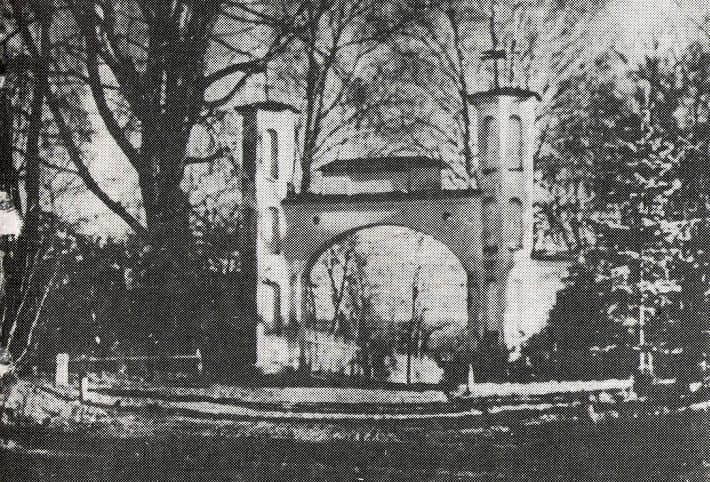
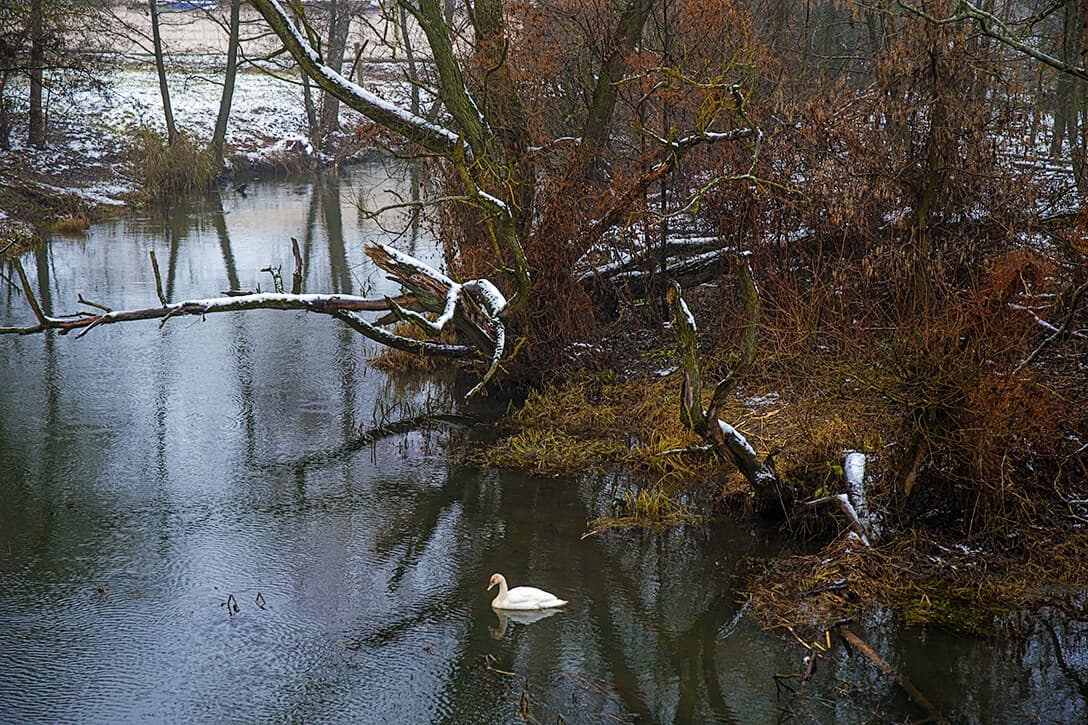
Here, on the picturesque bank of the Ptich River, amidst an overgrown park and a shallow pond, there are almost no traces left of the once luxurious Unikhovsky estate. In the 19th century, this estate was called one of the most comfortable in the region: a luxurious house with columns, a winter garden, collections of crystal and paintings. Today, only a dilapidated park gates and memories remind of the former greatness - the forgotten history of the noble nest, erased by time and wars.
Categories

Park area

Ruins

Historical
Comments
Reviews to the Place
1Ольга Ерёменко
09.03.2026
Samokhvalovichi. The forgotten estate "Rusinovichi"
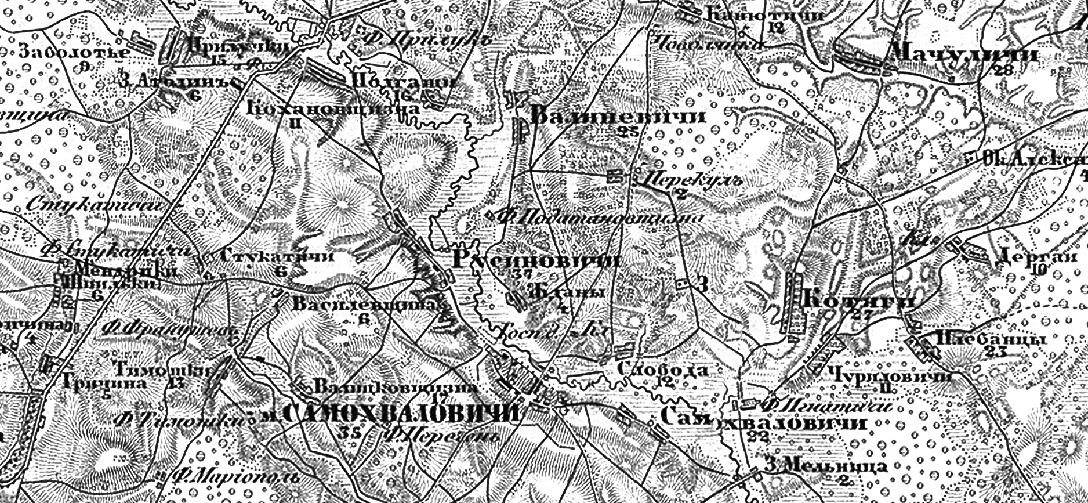
Not far from Minsk, on the picturesque right bank of the Ptich River, the history of one of the once richest noble residences in Belarus has been lost. Today this place is known as the agricultural town of Samokhvalovichi, but old-timers remember: it was here, in the Rusinovichi tract, that the luxurious estate of the Unikhovsky noble family was located.
The history of this corner goes back centuries. In the 17th and 18th centuries, the village, which was then called Seksnarovichi, belonged to the princely family of Zhizhemsky, who traced their ancestry back to the Rurikovichi. However, the estate's true heyday is associated with the Unikhovsky family, who owned these lands from the end of the 18th century until the upheavals of the First World War and the October Revolution.
"One of the most well-maintained estates".
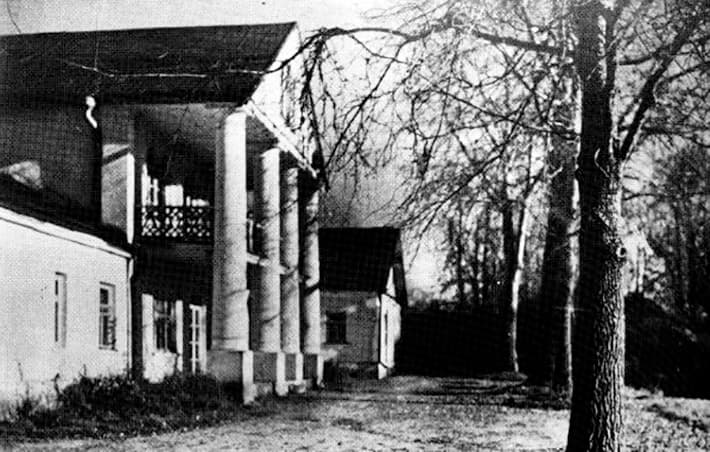
The last owner of the estate was Janusz Unikhowski, who was married to Sophia, the daughter of the famous composer and violinist Mikhail Yelsky. It was under them that the estate reached its heyday. The center of the composition was a two-story stone house built at the end of the 18th century on the site of an ancient settlement. The architecture of the estate corresponded to the latest fashion of the time: the main and park facades were decorated with four-column porticos, and a winter garden was erected nearby. The place for the house was chosen for a reason - from its terraces there were amazing views of the floodplain of the Ptich River and the picturesque surroundings.
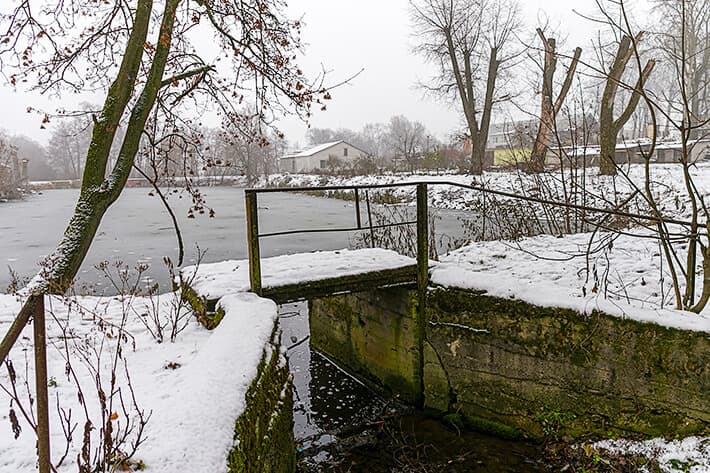
Special attention should be paid to the park frame, made in the form of a monumental single-span arch with high side towers. Not far from the house, on the site of an ancient moat, a small pond was built in deep banks, which seems to continue the riverbed of the Bird and gives the landscape a romantic mood. All this beauty was surrounded by the greenery of a well-kept park.
But the Unikhovskys were not only aesthetes, but also diligent hosts. In the "Geographical Dictionary of the Kingdom of Poland" for 1889, Rusinovichi is described as an exemplary profitable farm. The extensive orchards numbered up to 4,000 trees. A large mill with a cloth mill, a distillery, and the rental of nearby farmsteads brought the owners up to 12,000 rubles of income per year, which at that time was a huge sum.
Lost treasures and the memory of descendants.
The estate was famous far beyond the borders of the Minsk province due to its unique collection of artistic treasures. The Unikhovsky house housed antique furniture, collections of crystal and numismatics, paintings, family portraits and relics of the war of 1812. Famous guests have visited here, and the interiors were captured in photographs by renowned photographer Jan Bulgak.
The revolution of 1917 destroyed this idyll. Janusz Unihowski was forced to leave his ancestral home forever and emigrate to Warsaw. With him went the priceless art collection that the family had been collecting for generations. Only empty buildings remained in the homeland.
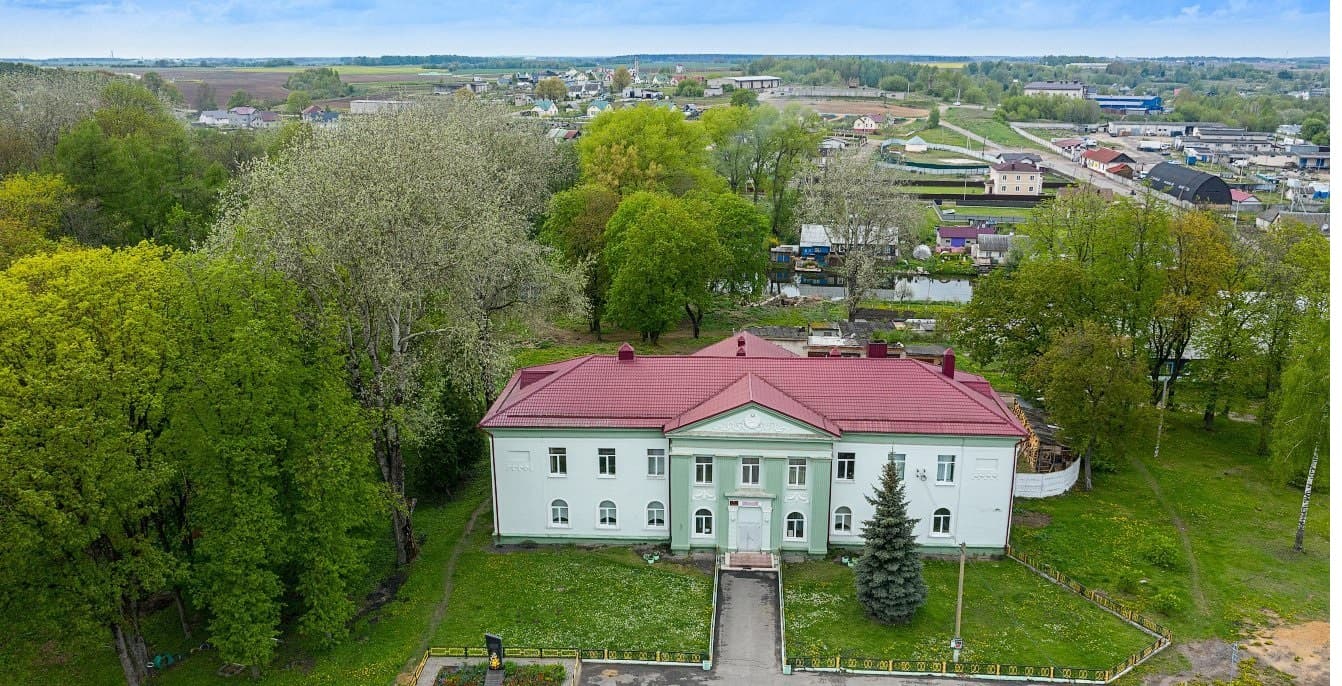
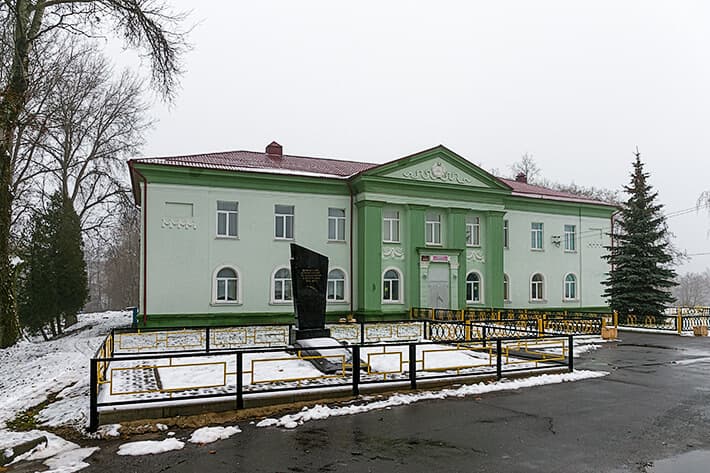
Today, it is not easy to find traces of former greatness. The two-storey manor house has not been preserved - we can only judge its appearance from pre-war photographs and drawings made by the son of the last owner, Anthony Unihowski, who later became a famous artist in Poland. The area where the park was once noisy and social life was in full swing now belongs to Samokhvalovichi and is built up with administrative buildings. The old pond is almost overgrown and shallow, and the park has turned into impenetrable thickets. Only a few rebuilt outbuildings (barn, stables) and fragments of the foundation remind the casual traveler that there was once a noble manor here.
Ironically, in Soviet times, the name "Rusinovichi" was transferred to a neighboring village, and the territory of the estate itself administratively became part of Samokhvalovichi. Today, this place is a silent story that preserves the memory of the Unikhovsky family. The locals, who mostly come here for the summer, still remember the stories of their elders about the "noble house", but every year these memories become fewer and fewer.
But it was here, on the shores of Ptich, that life once boomed, music sounded and people who sincerely loved this corner of the Belarusian land gathered.