
Ruins of the Ludvikovo Border Guard corps.
Landmark
Brest region, Gantsevichi district
Description
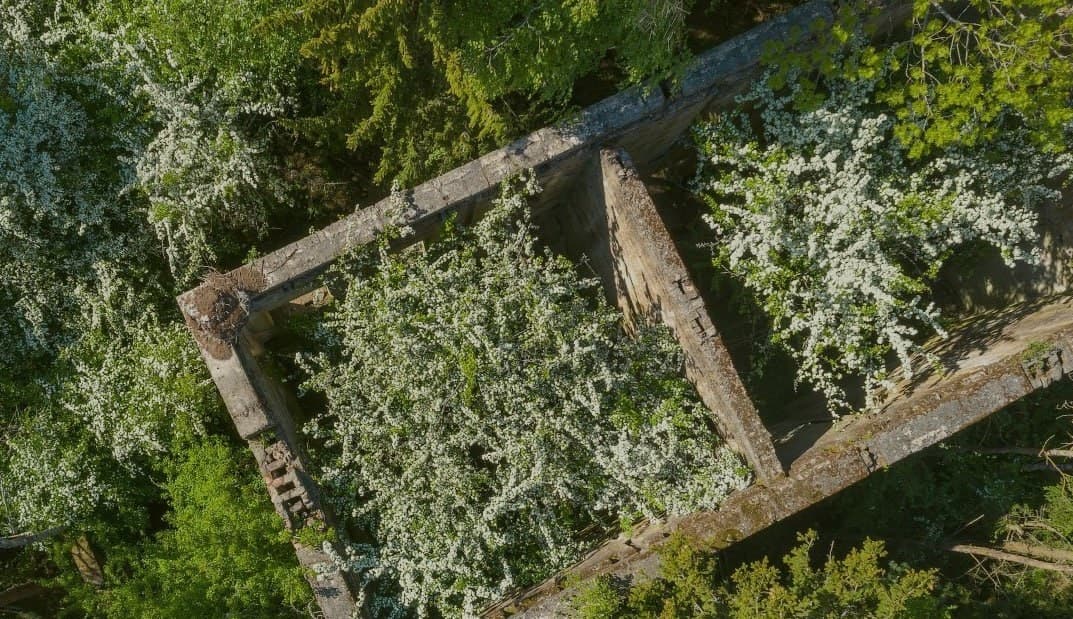
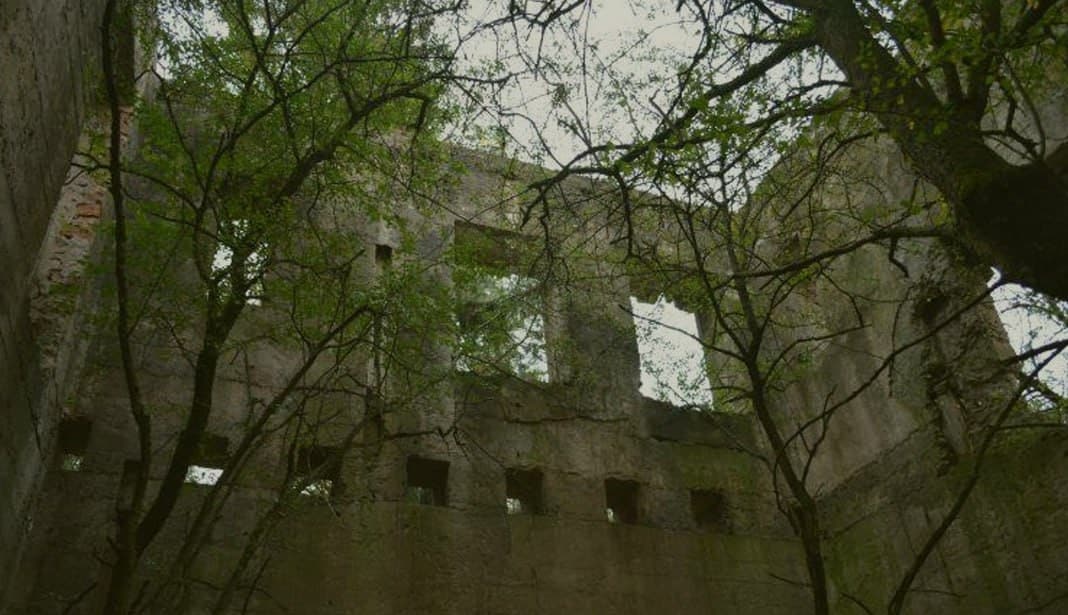
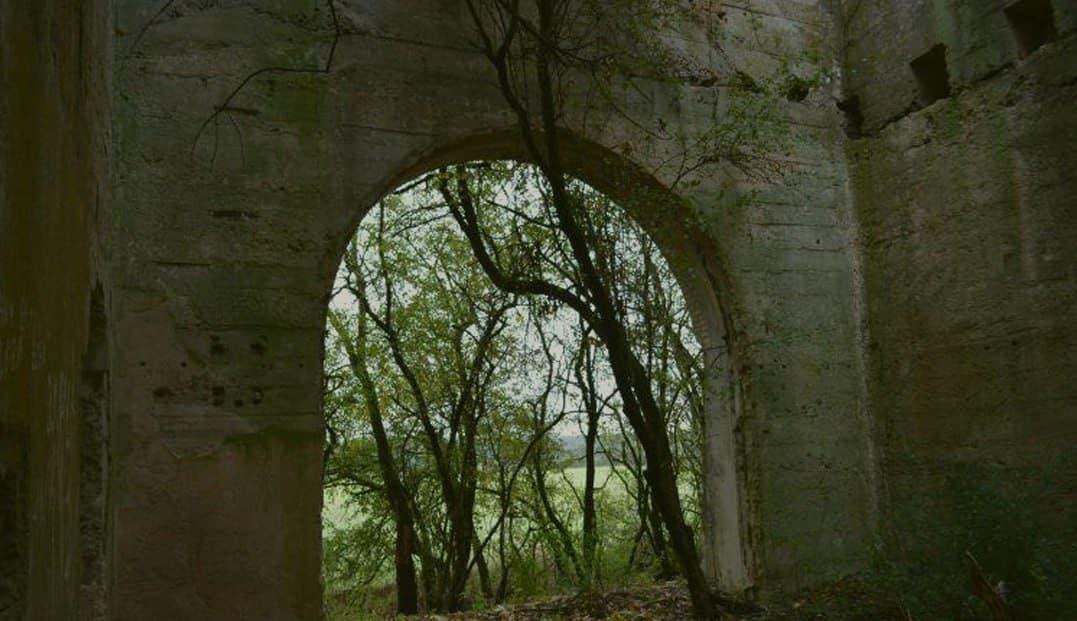
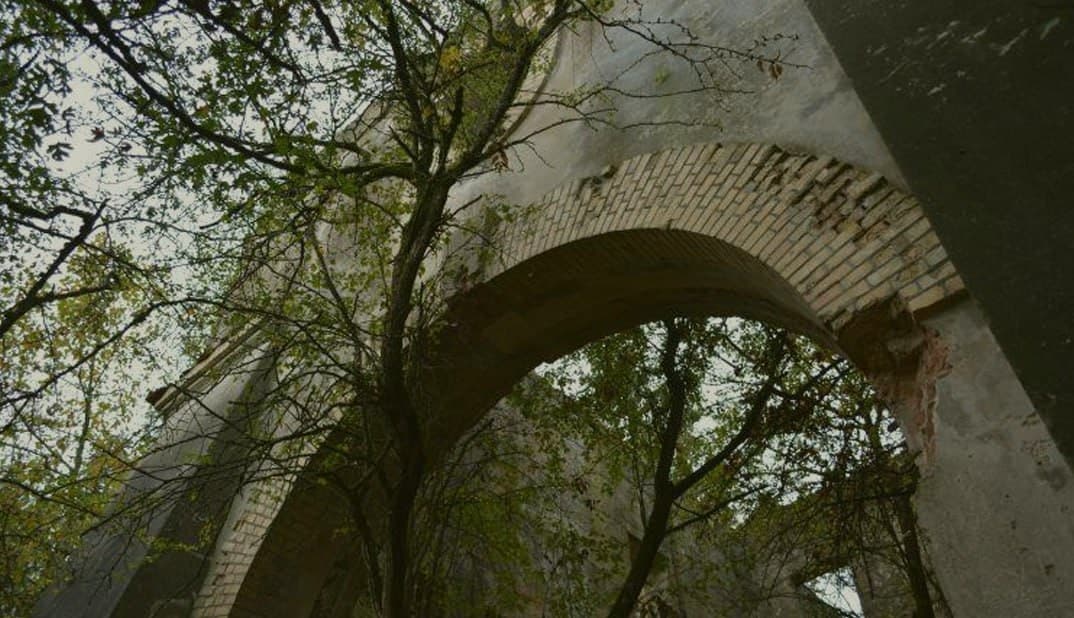
The Ludvikovo tract was lost among the forests of the Gantsevichi district. In the 1920s and 30s, the Polish garrison was located here: barracks, houses, and a water pump. The Second World War changed everything - the town was deserted, and the walls were dismantled by the locals. Today, this place attracts stalkers and romantics. The remains of red brick buildings, overgrown with moss, stand among the pines as silent guardians of history. There is incredible silence and a special atmosphere of a bygone era. Ideal for those who seek solitude and want to touch the past.
Categories

Ruins

Historical
Comments
Reviews to the Place
1Ольга Ерёменко
18.03.2026
Ruins of the Ludvikovo Border Guard Corps: the ghost of the Polish garrison in the Belarusian forests
Abandoned places have a special magic. They are not just silent witnesses of history - they are keepers of the atmosphere of bygone eras. One of these unique places was lost in the forests of the Gantsevichi district. We are talking about the Ludvikovo tract, where you can still see the ruins of a once prosperous border town.
Quiet life on the border.
Imagine the beginning of the 20th century. After the Peace of Riga in 1921, these lands became part of the Polish Republic. To protect the eastern borders, fortifications and infrastructure for the Border Guard Corps (KOP) began to be built here. That's how the Ludvikovo garrison appeared.
In the 1920s and 1930s, it was not just a military post, but a real residential complex. Solid brick barracks, officers' houses, their own water tower and other outbuildings were built here for the officers and their families. Life here flowed smoothly: children's voices could be heard, officers' wives were breaking up front gardens, and sentries were on duty at the towers. An infrastructure was gradually formed around the garrison, ensuring a comfortable existence away from major cities.
The tragedy of oblivion.
The idyll ended in September 1939. With the outbreak of World War II and the change of state borders, the Polish garrison ceased to exist. The military and their families left Ludvikovo, and the town, as if by magic, was deserted.
The last chord in the history of these walls was struck by the post-war period. Local residents, who needed building materials, began to dismantle solid buildings. The brick, which had recently protected the border guards, was used to build huts and farms in the surrounding villages. What people couldn't carry was destroyed by time and harsh weather.
Ludwikovo today: the charm of ruins.
Today, walking along the tract, it's hard to believe that there was once a lot of life here. The forest is slowly but surely regaining its territory. Among the tall pines and shrubs, you can stumble upon the remains of foundations and fragments of walls.
The main attraction of these places is the well-recognizable ruins of one of the buildings. The massive red brick walls, overgrown in places with moss and saplings, still stand, as if trying to resist the pressure of time. They look like the scenery for a horror movie or a post-apocalyptic drama.
Is it worth going?
Absolutely, yes. Ludvikovo is an ideal place for those who are tired of noisy cities and looking for privacy in nature. This place is called "belorussian kontrovskaya" (a reference to abandoned military installations in Poland).
There is an amazing silence here, broken only by the rustle of leaves. Looking at these ruined walls, one can't help but think about the fragility of human creations and the inexorable course of history.
A walk to the ruins leaves a twofold feeling: on the one hand, it is a picturesque forest picnic, and on the other, contact with the tragic fate of a place that was once home to dozens of people. The echo of bygone times can be heard most clearly here.