
Rakov. The ancient settlement.
Monument of archeology
Minsk region, Volozhinsky district, agro-town of Rakov
Description
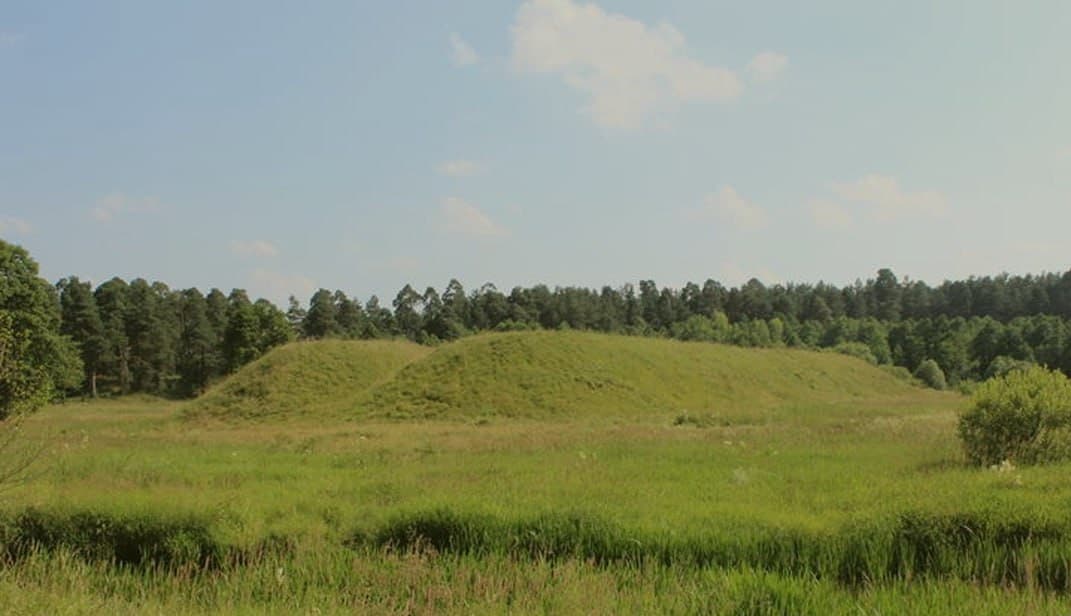
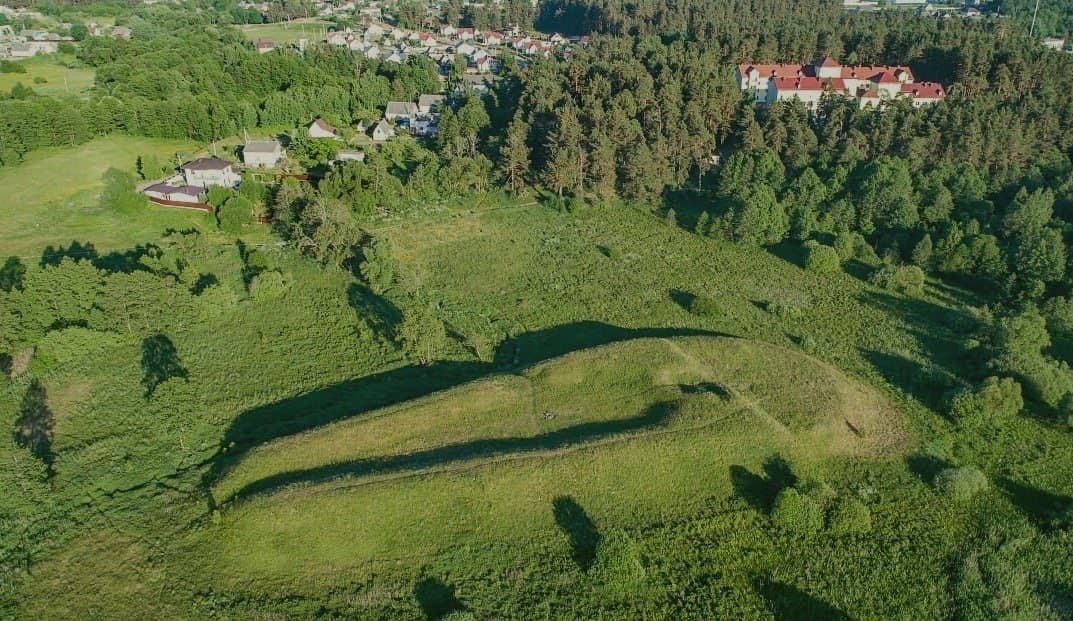
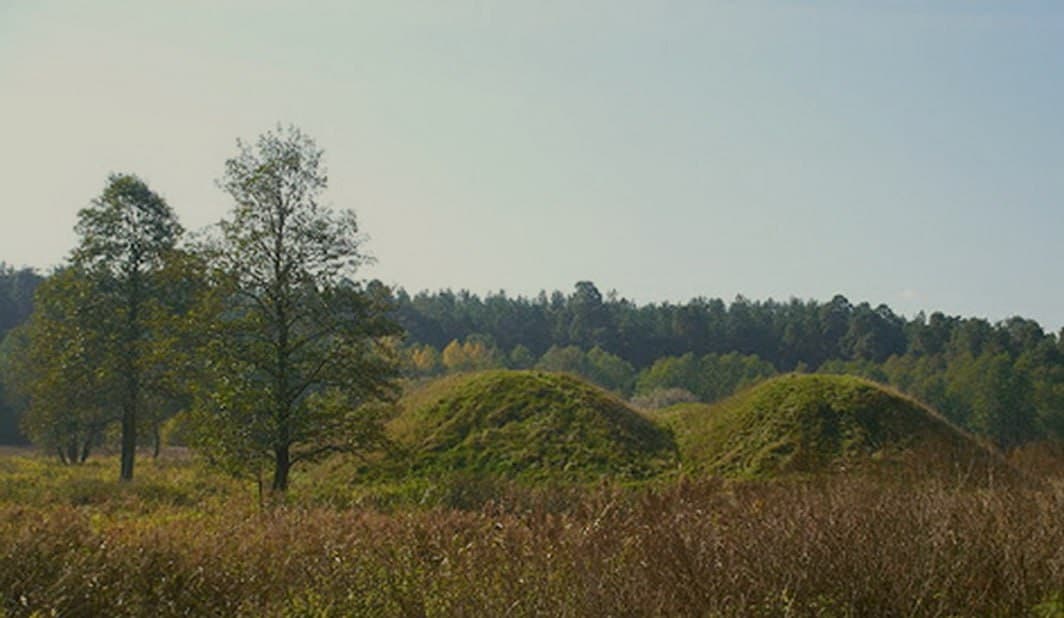
The ancient settlement near the agro-town of Rakov preserves the memory of thousands of years. Originated in the 1st–2nd centuries A.D., it was a pagan center with a sacrificial mound and an altar. Later, these places were covered by the Christian legend of the epiphany of a blind elder at a miraculous spring. Today it is a quiet, mysterious place on the banks of the Isloch River, where you can touch the history from the Iron Age to the present day.
Categories

Historical
Comments
Reviews to the Place
1Ольга Ерёменко
18.03.2026
Rakov hillfort: the hill of centuries above the quiet island
Just half an hour away from bustling Minsk, in the Volozhin district, time flows in a completely different way. Here, among the green hills of the agro-town of Rakov, on the high bank of the Isloch River, there is a place that preserves the memory of thousands of years. This Rakov hillfort is an ancient guardian, a witness of the epochs, wrapped in silence and legends.
The depth of centuries: from paganism to the Jagiellons.
The history of Rakov in written sources dates back to the 14th century, when Grand Duke Casimir Jagiellon granted these lands to nobleman Mikhail Kyazhgailo. However, long before the appearance of the gentry and feudal lords, back in the I–II centuries of our era, Iron Age life was in full swing on this cape. Archaeological excavations have lifted the veil of mystery over the ancient past of this piece of land.
Research has proved that there was a powerful fortified settlement here. Scientists have discovered the remains of defensive ramparts and ditches that reliably protected local residents. But the most valuable finds were hidden in the cultural layer. Among the fragments of molded ceramics, bone tools and household utensils, archaeologists were waiting for a sensational discovery - the remains of a pagan altar. This discovery confirmed that the settlement was not just a shelter, but an important spiritual center, a place where rituals and sacrifices were performed.
Archaeological secrets and the "casket of the ancestors".
The most active research was conducted here in the 70s of the XX century (in particular, in 1976 and 1979). Despite the relatively small depth of the cultural layer (up to 20 cm), the scientists managed to collect a wealth of material. The finds indicate continuous life at this place for centuries.
Of particular interest is the sacrificial mound with multi-layered burials. Some researchers associate the very name of the place with these ritual finds. There is a version that the toponym "Rakov" comes from the word "raka" - the so-called casket or tomb for storing holy relics and relics. Perhaps, for the ancient Baltic or Slavic tribes, this hill was such a sacred "Raka" - a repository of ancestral memory.
Holy water and the epiphany of the elder.
But the Rakov settlement is not only pagan antiquity. It is closely intertwined with Christian miracles. A touching legend about the blind elder Kasperovich is connected with this place. One day, having lost his way in the local forest, the elder prayed for help and suddenly regained his sight when he saw the face of the Virgin. Immediately, he found a spring, drank the water, and was finally cured of his blindness.
Since then, the spring, beating near the foot of the settlement, has been revered as miraculous. The water in it remains cold and clean at any time of the year, and today pilgrims from all over Belarus come here to collect healing moisture and touch the holy place.
Legacy today.
Today, the Rakov settlement is an amazing symbiosis of epochs. A place where memories of the Iron Age, pagan temples, medieval feudal lords and Christian miracles coexist on a small patch of land.
Most of the artifacts found during the excavations (fragments of dishes, tools, household items) are kept in the collections of national museums and private collections, but the spirit of this place remains unchanged. When you come here, you can just stand on the top of the hill, look at the leisurely flow of the Isloch and feel like a part of the great and ancient history, frozen in the stone and earth of the Rakov settlement.