
The Pyatevschina. The Samuelev estate.
Manor
Minsk district, Pyatevschina village, Pridorozhnaya St., 15
Description
In Pyatevschina village, the remains of the once cozy Samuelev estate have been preserved. Its history began in the 19th century, when these lands belonged to Franz Goos, then Chapsky. In 1910 the manager Samuelev began building his own estate.
A rolling park with terraces and a picturesque alley gave the estate a special charm. In spring, apple orchards turned the surroundings into a sea of white flowers.
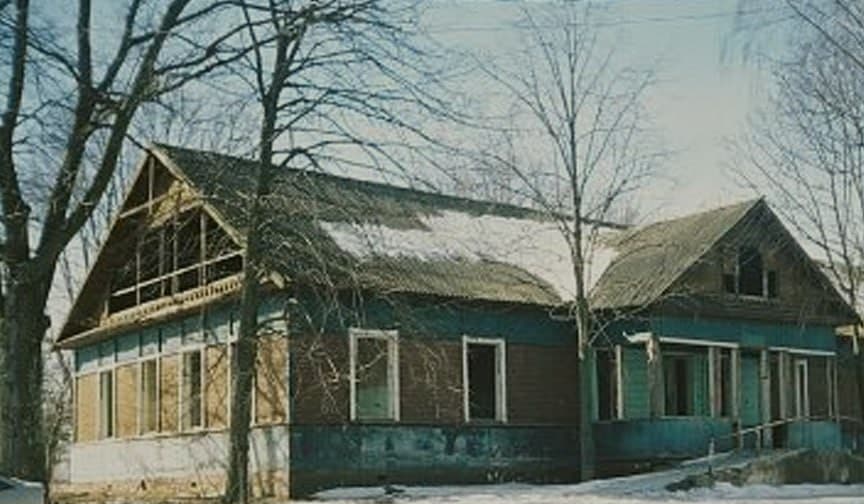
The house was wooden, and later there was a brick extension. After the war, the estate was nationalized, placing a rural hospital here, which helped preserve the complex.
In the 1920s, Pyatevschina thundered throughout the district thanks to Ivan Borisevich's dairy artel, where the famous Dutch cheese was produced.
In 1982, a monument to Professor Pasternatsky, the Belarusian balneology founder, was erected near the estate.
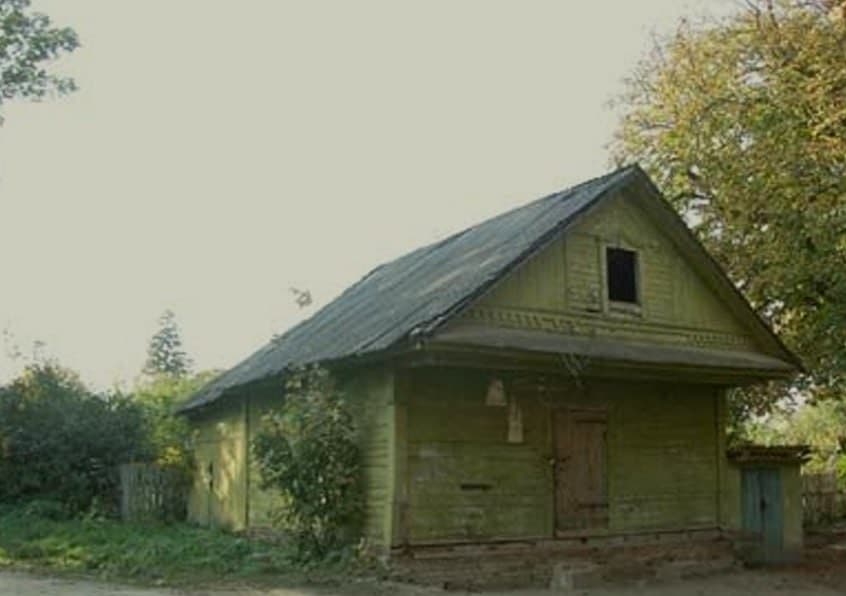
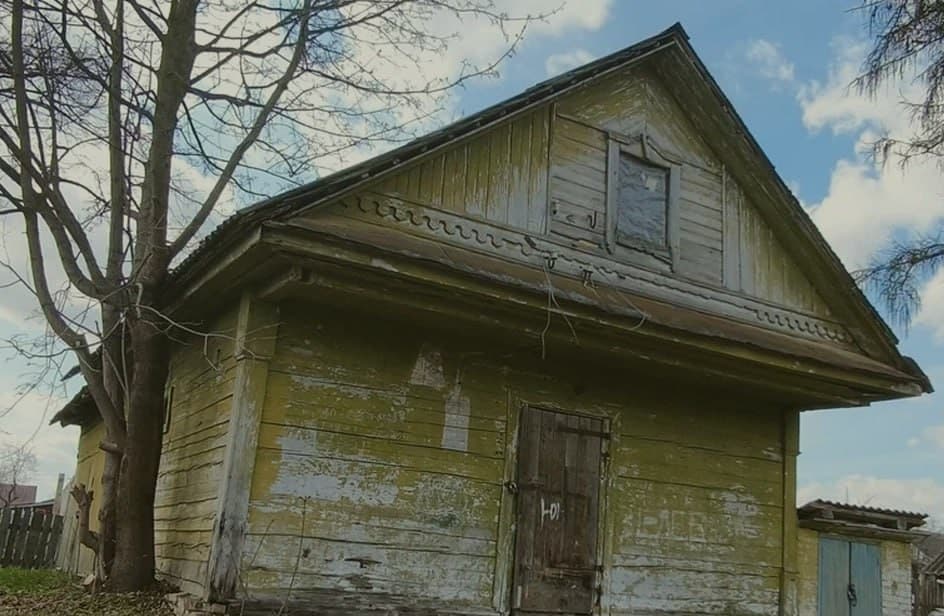
Today, the ruins of the entrance gate, the foundation, the elements of the park and the building of the former hospital remain from their former greatness.
Categories

Ruins

Historical

Park area

Architectural monument
Comments
Reviews to the Place
1Ольга Ерёменко
19.07.2026
The Samuelev estate in the village of Pyatevschina: history, greatness and loss.
In the Minsk region, among the hills and fields of Belarus, the village of Pyatevschina was lost. At first glance, it looks like an ordinary rural settlement. But for those who know its history, a different picture opens up. There was once a lot of life here, parks were noisy and apple orchards were in bloom. Today, little remains of the Samuelev estate, but its history remains one of the most interesting in the Minsk region.
The story began in the 19th century. The lands belonged to Franz Goos, but financial difficulties forced him to sell Chapsky's possessions. Under the Chapskys, Samuelev, the manager, appeared on these lands. In 1910, he began building his own estate on moraine hill. The architectural ensemble included a residential building, outbuildings, an ice house for storing ice and a grain storage tank. The park and garden became the main pride.
The territory was decorated with terraces, emphasizing the height differences. A wide alley led to the house. Maples, oaks, linden trees, larches and chestnuts were planted in the park. Over time, the crowns closed, forming a green vault. Apple orchards gave special beauty. In spring, thousands of white and pink flowers covered the branches, and in autumn, the gardens yielded a rich harvest.
Originally, the house was wooden and one-story. Later, the brick part was added, and the main entrance was equipped with a ramp. Inside, the house was furnished with good furniture, and portraits decorated the walls. According to the memories of the old-timers, there was an atmosphere of peace here.
After the Great Patriotic War, the estate was nationalized. The building housed a rural hospital, which has worked here for many decades. This decision saved the complex from destruction: the hospital maintained order and monitored communications. The park was also not abandoned, but the original layout was lost over time.
In the 1920s, Pyatevschina became famous thanks to the dairy artel founded by agronomist Ivan Borisevich. He united the peasants of the surrounding villages and established the production of Dutch cheese and butter. The products were highly appreciated, and the artel became the center of the cooperative movement in the region. Today, only archival documents remind us of this.
In 1982, a bust of Professor Fyodor Pasternatsky, the founder of Belarusian balneology and balneology, was installed near the estate. He worked for many years at a local hospital, treated peasants, and conducted scientific observations. His works formed the basis for the creation of many Belarusian sanatoriums.
Time proved to be merciless. At the beginning of the 21st century, the wooden part of the house was dismantled. The remains of the entrance gate, the old foundation, elements of the park layout and the former hospital building have survived to this day. The park has gone wild, but individual trees are still impressive in their power. The oaks remember Samuelev, Dr. Pasternatsky, and the hospital fuss.
The Samuelev Estate is not a restored museum, but a ghost place, a place of memory. It is worth coming here if you are interested in the history of Belarus, love the atmosphere of abandoned farmsteads, and want to see how nature recovers what was created by man. It is especially beautiful here in spring, when the wild gardens are still blooming, and in autumn, under a golden carpet of foliage.
The manor represents the layers of history: the landowner's life, the cooperative movement of the 1920s, the post-war hospital, and medical discoveries. It will not become a museum, but it continues to live in old trees and foundations. Stand at the old gate, listen to the wind in the crowns of the lime trees and chestnuts. Perhaps you will hear the whisper of time, which is not found in the guidebooks.