
Proshki. The Mound of Friendship.
Memorial
Belarus, Vitebsk region, Verkhnedvinsky district, Proshki village





Description
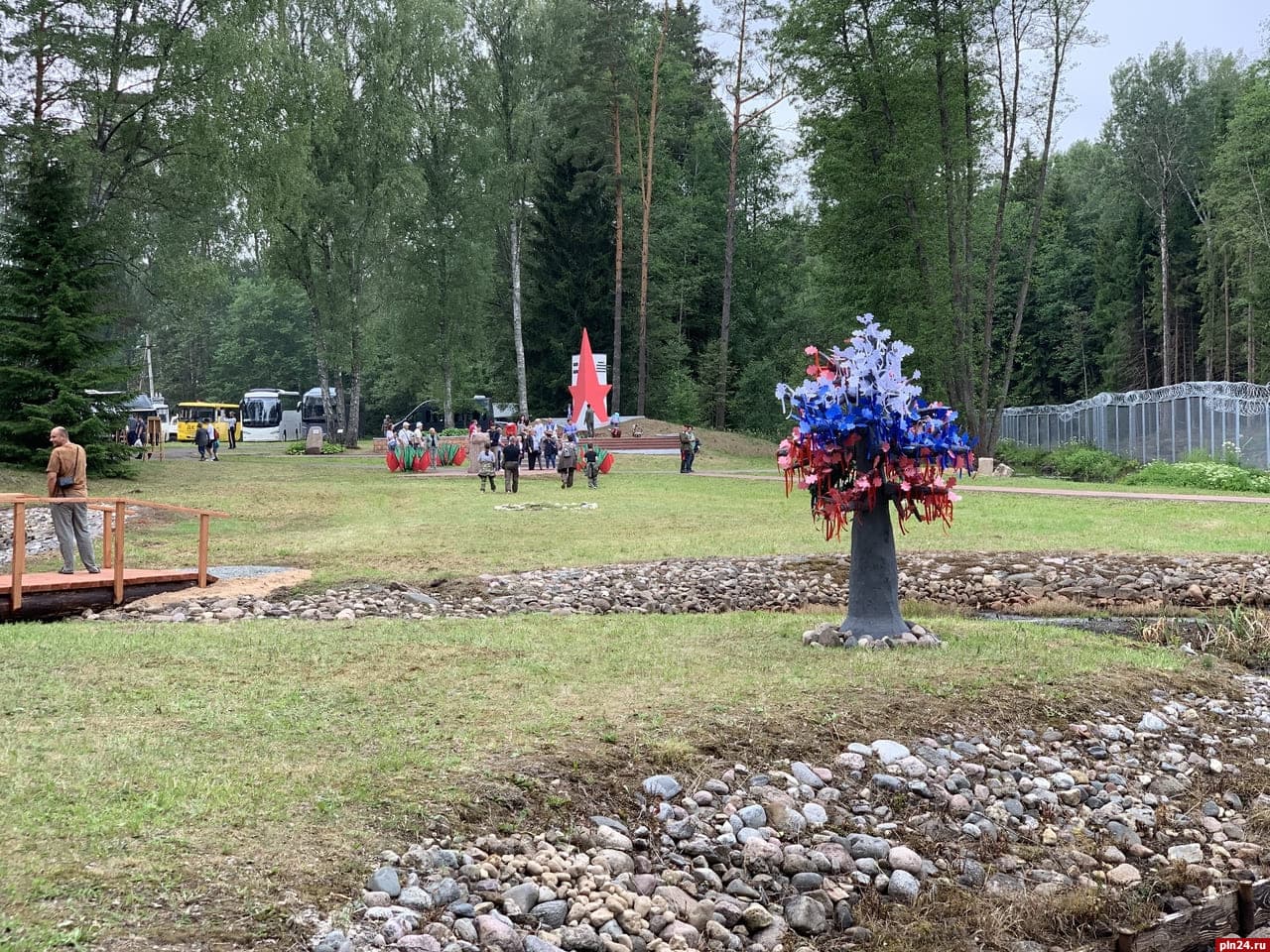
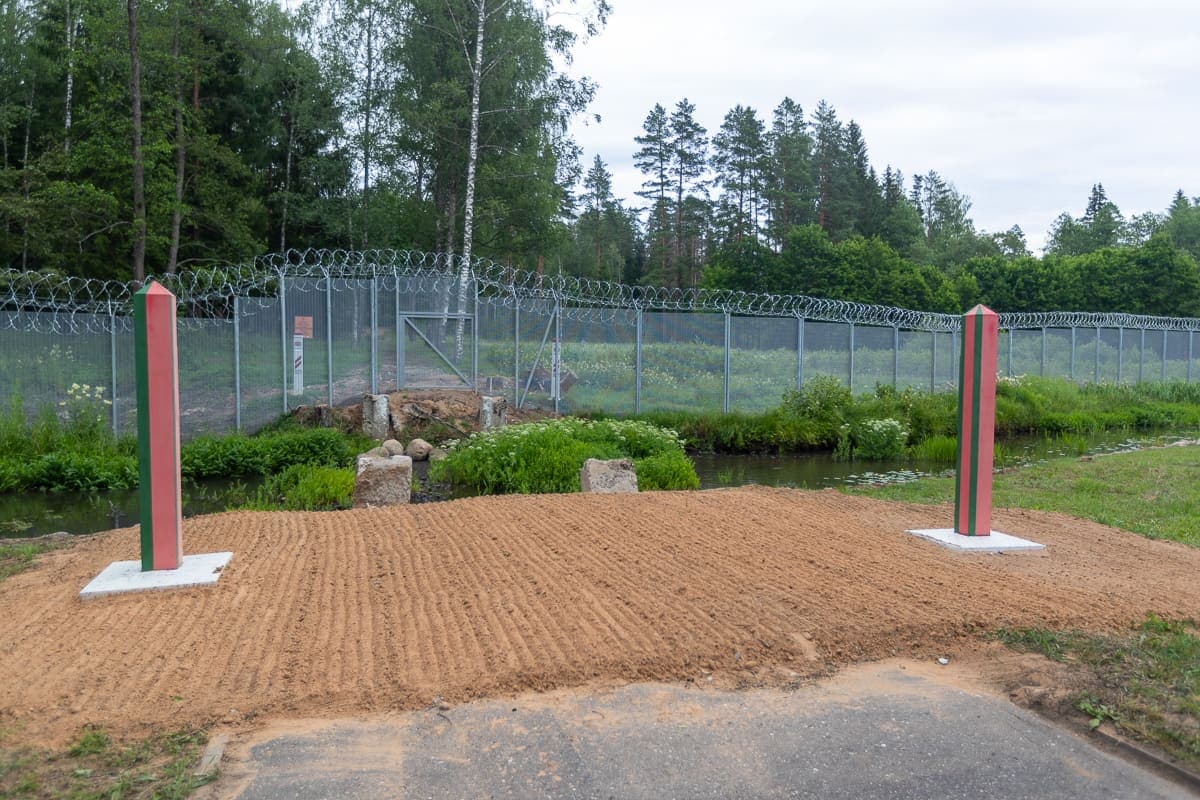
The Mound of Friendship is a memorial complex at the junction of the borders of Belarus, Russia and Latvia (Verkhnedvinsk district, Vitebsk region). It was founded on July 3, 1959 as a symbol of the unity of the partisan forces of the three nations during the Great Patriotic War. In the center is a man-made hill with the "Friendship Oak", from which three alleys (birches, linden trees, maples) diverge and lead to commemorative signs on each side. Annual meetings on the first weekend of July, patriotic camps and international events make Kurgan a living platform for memory and interregional cooperation.
Categories

Historical

With children
Comments
Reviews to the Place
1Murphy Darkwalker
02.02.2026
The Mound of Friendship.
The Friendship Mound is a place where history, geography and the ritual of memory merge into one symbolic point. The memorial is located north of Osveya Lake, near the villages of Proshki and Gavrilino, where the Neveritsa and Sinyukha rivers merge and where the borders of the three states converge. The kurgan was inaugurated on July 3, 1959 in memory of the joint guerrilla struggle of Russians, Belarusians and Latvians and as a sign of respect for those who gave their lives in the forest battles of the border region.
The idea of the Mound is simple and powerful: the earth for the mound was collected from the places of death and burial of partisans and soldiers of the Red Army. Over the years, earth was brought to the mound from the graves of famous heroes and from battlefields — so the memory is literally "molded" from those places where the struggle took place. An oak tree is planted on the top of the hill — the "Oak of Friendship" — a symbol of life and continuity of generations. Stone steps lead to the top, the continuation of three alleys: birch — to Belarus, linden — to Latvia, maple — to Russia.
Architecturally and landscape-wise, the complex is built as a three-sided composition. Each side has its own commemorative signs: on the Belarusian side there is a stele in honor of the Proshki underground fighters; on the Russian side there is a marble monument to the partisan Maria Pynto; on the Latvian side there is a monument to the Hero of the Soviet Union Imants Sudmalis. Next to the Mound are the Friendship Memorial house Museum and a recreated guerrilla dugout, opened in 1964; a concert bandstand, camping grounds and sports games have been set up in the forest, which makes the place convenient for mass events.
Since the middle of the 20th century, the Mound of Friendship has become the center of annual international meetings. On the first weekend of July, veterans, government officials, and young people from Vitebsk, Pskov, and Smolensk regions, as well as Latvia, come here. The program combines official rituals — laying flowers, lithias, and requiem rallies ‑ with folk festivals: reenactments of partisan camps, field cooking, concerts, and a Friendship bonfire. Wartime songs are traditionally played, theatrical performances and workshops for young people are held.
In recent years, Mound has also become a platform for international social projects. Hundreds of schoolchildren from Belarus and the Pskov region gather at the civil‑patriotic camps and shifts at the Vitebsk Cadet School: participants study the history of the partisan movement, prepare joint projects and present them at the final celebration. Such programs are aimed at fostering patriotism, strengthening inter-regional ties and passing on memory to new generations.
The place is not devoid of modern difficulties. In 2014, a chapel in the name of Sergius of Radonezh was consecrated on the Russian side; in October 2022, part of the memorial decoration on the Latvian side was dismantled by local authorities, which caused a resonance and discussion. In 2023, a new memorial sign was installed on the mound in the form of three metal plates symbolizing a bonfire; the authors of the sign are Sergei Nikandrov and Vladimir Tyuryagin. These events show that the memorial remains a living platform where memory, politics and interstate relations intersect.
The Mound of Friendship is not only a monument of the past, but also a platform for dialogue on how to preserve memory and pass it on. Three things are important to the visitor: geography — the triple junction of borders as a symbol of the intersection of destinies; ritual — annual meetings and rallies that support collective memory; participation — veterans, search teams, reenactors, schoolchildren and ordinary people who gather around the campfire, sing songs and tell stories. The best time to visit is the warm season, especially the first weekend of July, when the program is most intense and the story is heard in action.