
Polyany. St. Anne's Chapel.
Church
Grodno region, Oshmyansky district, village of Polyany, Sovetskaya street, 25A
Description
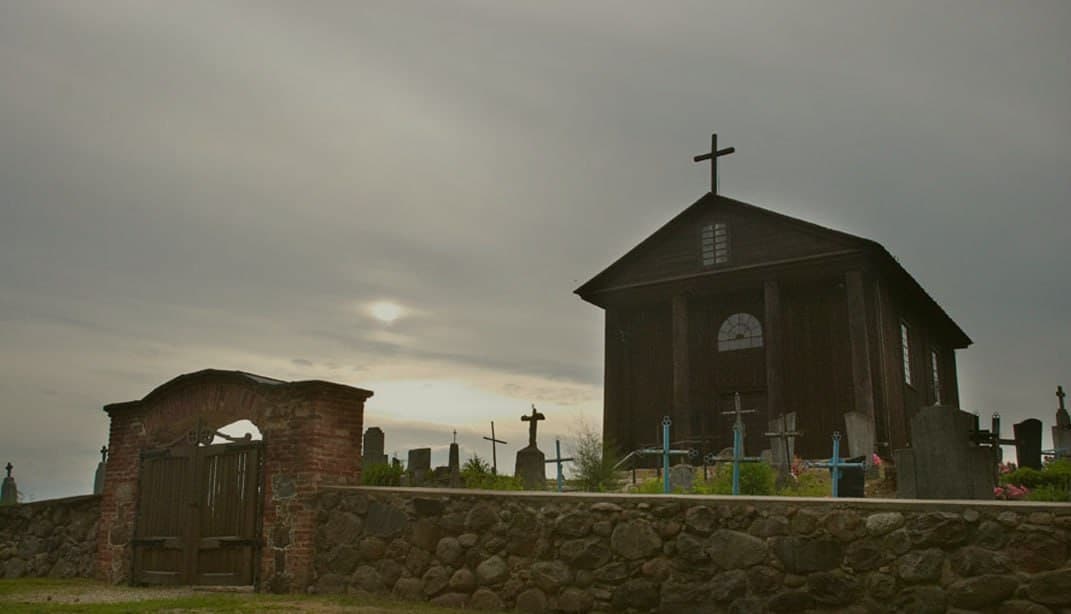
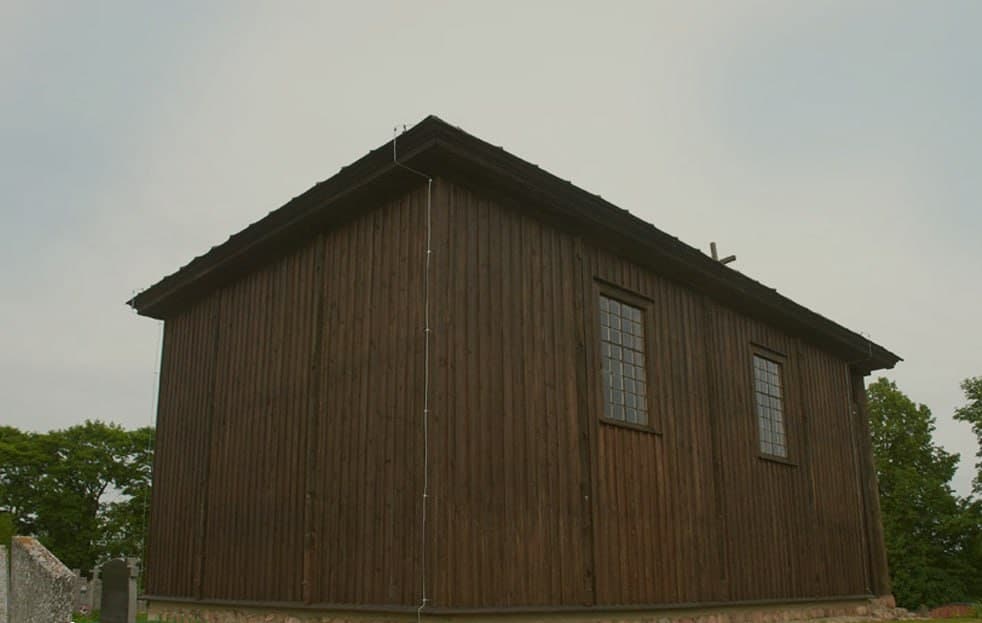
In the Oshmyany district, right on the village cemetery, a unique monument of wooden architecture has been standing for 200 years. The chapel was built in 1810, right on the site of the former estate of the Jankovsky gentry, not far from the battlefield of the Kosciuszko uprising.
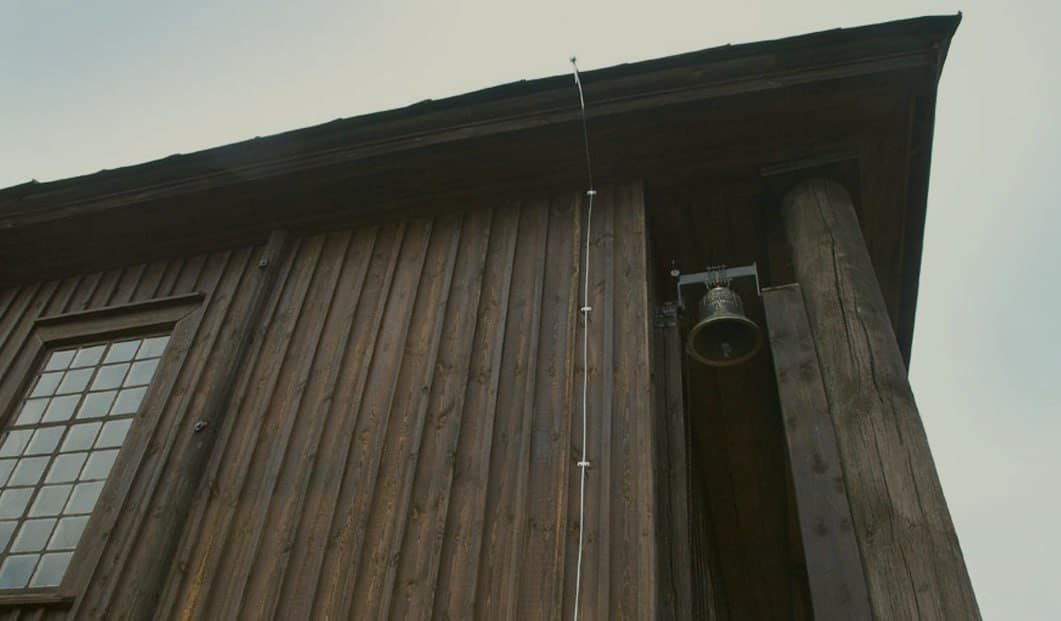
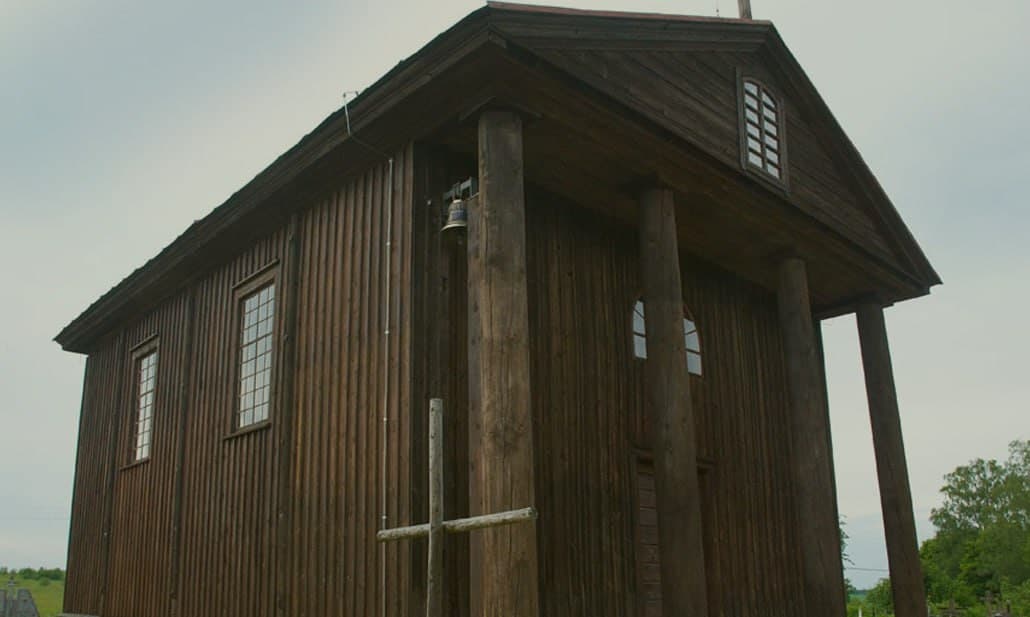
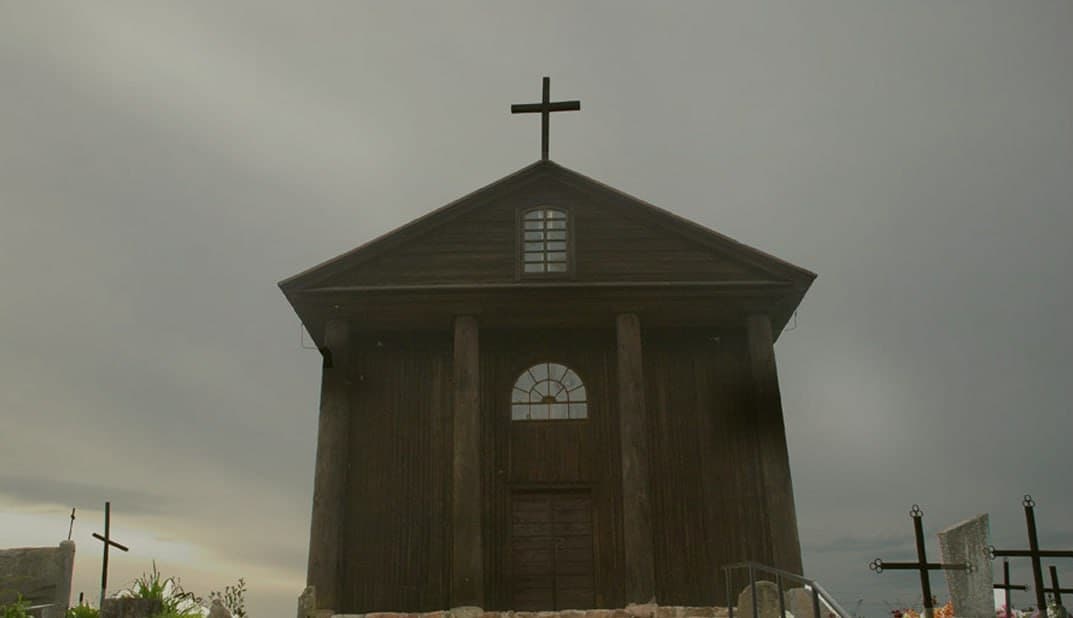
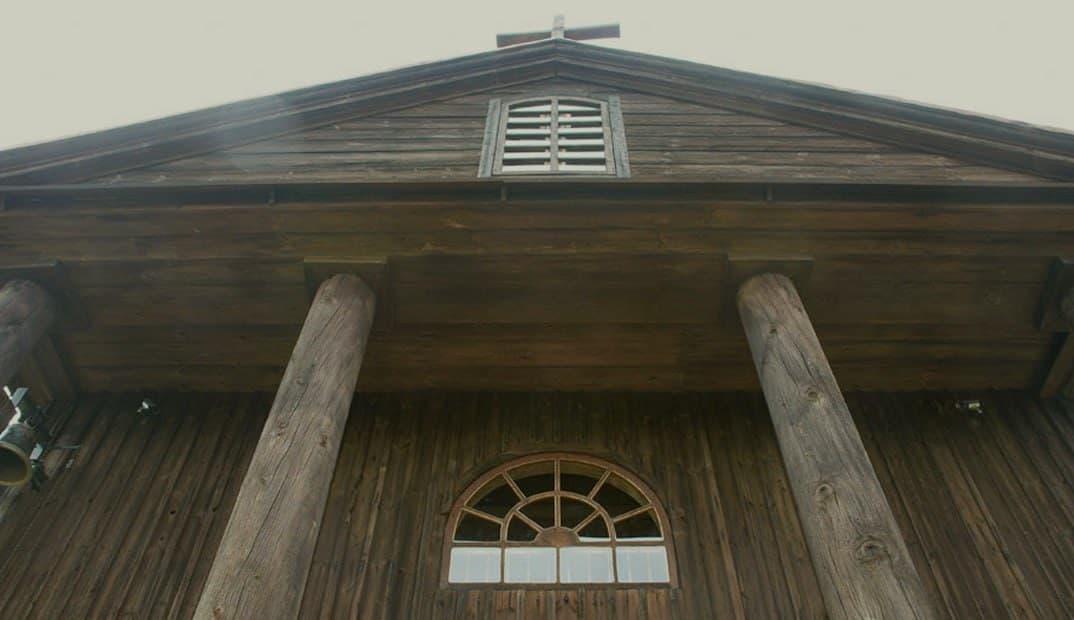
This is a rare example of wooden classicism: a strict portico with four columns, under which an ancient bell hangs, a brick floor and choirs inside.
Despite its age, the chapel is still in operation. The silence, history and cozy aesthetics of the Belarusian countryside.
Categories

Historical

Architectural monument
Comments
Reviews to the Place
1Ольга Ерёменко
18.03.2026
Chapel of St. Anna in Polyany: a wooden guardian of memory in the ancient land
An amazing architectural gem is hidden in the heart of the Grodno region, in the quiet village of Polyany, Oshmyany district. The slender silhouette of the wooden chapel of St. Anna stands among the familiar rural landscape. This place breathes history: time flows differently here, intertwining the fates of gentry families, the events of national uprisings and the quiet life of the modern Belarusian countryside.
The history of these places goes back centuries. For a long time, Polyany were not just a village, but the place where the ancestral estate of the Yankovskys, a famous noble family, was located. The land itself here preserves the memory of the dramatic events of 1794, when the battles of the uprising led by Tadeusz Kosciuszko thundered nearby. The bloody battles between the rebels and Russian troops forever inscribed this area in the history of the Polish-Lithuanian Commonwealth.
But the main attraction of Polyany appeared a little later, in 1810, when the chapel of St. Anne was erected at the local Catholic cemetery. For more than two centuries, it has served as a place of solace and prayer. The chapel is a rare example of the so-called wooden classicism in Belarus. This trend tried to transfer the strict stone forms of ancient architecture to a pliable and warm material - wood.
The main facade immediately catches the eye: a strict four-column portico topped with a pediment. The columns, carved from wood, carry the weight of the roof, creating a feeling of monumentality and lightness at the same time. An ancient bell is suspended in the left wing of the portico - its voice still summons the faithful to services or accompanies the parishioners to their last journey with a sad ringing.
The interior of the chapel is ascetic, which is typical of Uniate and Catholic churches of that time, which were built in cemeteries. There is a cool brick floor under my feet, and a flat ceiling above my head. The special charm of the interior is given by the choirs, which are supported by two powerful wooden pillars. Despite its advanced age and the storms of the 20th century, the chapel has never been closed and still operates, remaining the spiritual center of the village.
Interestingly, Polyany have long played an important administrative role. From 1940 to 1988, the village council center was located here. But if the power is gone, faith remains. Today, St. Anne's Chapel is not just an architectural monument. This is a living witness to history, a place of power where the memory of the Yankovskys, the echoes of the Kosciuszko uprising and the modern life of the Belarusian village, frozen in anticipation of travelers, are intertwined.