
Polotsk. The Rampart of tsar Ivan the Terrible.
Monument of archeology
Vitebsk region, Polotsk
-1773141238052.webp&w=3840&q=75)
-1773141244655.jpg&w=3840&q=75)
-1773141244599.jpg&w=3840&q=75)
Description
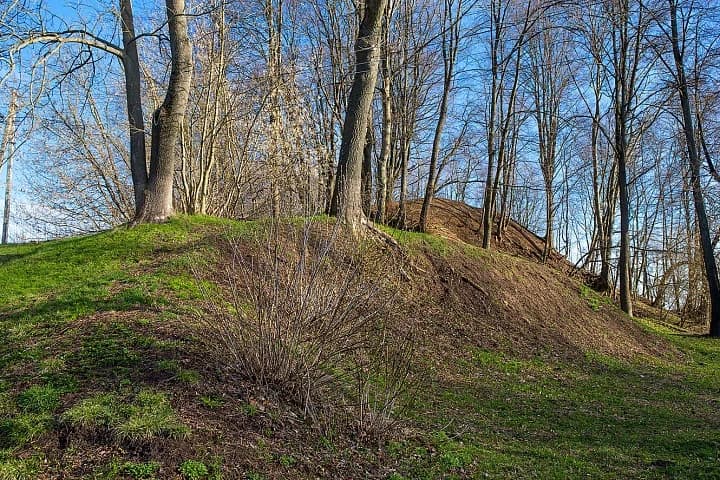
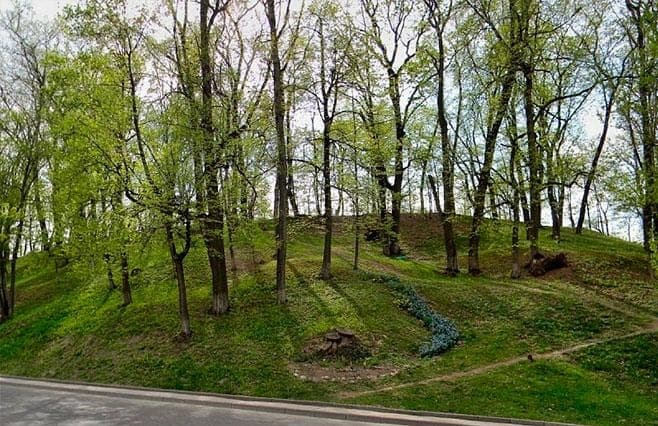
Tsar Ivan the Terrible's Rampart in Polotsk is a unique monument to the fortification of the 16th century and a witness to the turbulent events of the Livonian War. Built by order of the tsar in 1563-1565, it was supposed to become the basis of a powerful fortress of the Moscow state. However, the castle stood for only 16 years and was destroyed. Today it is a 400-meter-long green embankment that has become an integral part of the urban landscape: a stadium is located inside the rampart, and citizens and tourists stroll along its crest.
Categories

Historical
Comments
Reviews to the Place
1Ольга Ерёменко
10.03.2026
Tsar Ivan the Terrible's Rampart in Polotsk: an earthen footprint of the Livonian War
In the heart of ancient Polotsk, among the calm currents of the Western Dvina and Polota, there is a unique monument to the military fortification of the XVI century - Ivan the Terrible's Rampart. This massive earthen embankment is a witness to the dramatic events of the Livonian War and the only reminder of the grandiose fortress that never fulfilled its purpose.
The history of the wall began in 1563, when the troops of Ivan the Terrible captured Polotsk, the largest commercial and strategic center of the Grand Duchy of Lithuania, after a long siege. The tsar hoped to permanently consolidate the city with the Moscow state and planned to use it as a springboard to expand his influence to the west. By his order, on the left bank of the Polota, where the Great Posad used to be located, construction began on a powerful Lower Castle, which was also called Streletsky.
The work was carried out on an unprecedented scale. The main fortification was an earthen rampart with a length of 600 meters, a height of up to 10 meters and a base width of about 30 meters. The volume of the embankment was a whopping 230 thousand cubic meters. Interestingly, the soil for the shaft was taken immediately, digging a new channel of the Polota River, which at the same time created an additional water barrier. The construction was led by boyar Shuisky and voivodes Zaitsev and Shchekin, but historians suggest that Ivan the Terrible personally oversaw the start of work. The shaft was filled in manually by residents of Polotsk for two years.
Wooden walls with eight towers were erected along the crest of the embankment, and in the center of the castle stood a powerful keep tower. The castle was supposed to become an impregnable citadel for the Moscow garrison. However, history ordered otherwise.
Already in 1579, just 16 years after its construction, Polotsk was conquered by the troops of the Polish-Lithuanian king Stefan Batory. The new castle, built without taking into account the development of artillery, did not offer serious resistance. In the 17th century, the fortifications on the rampart gradually deteriorated and were replaced by a simple palisade. By the end of the century, the Lower Castle had completely lost its defensive significance and found itself inside urban buildings.
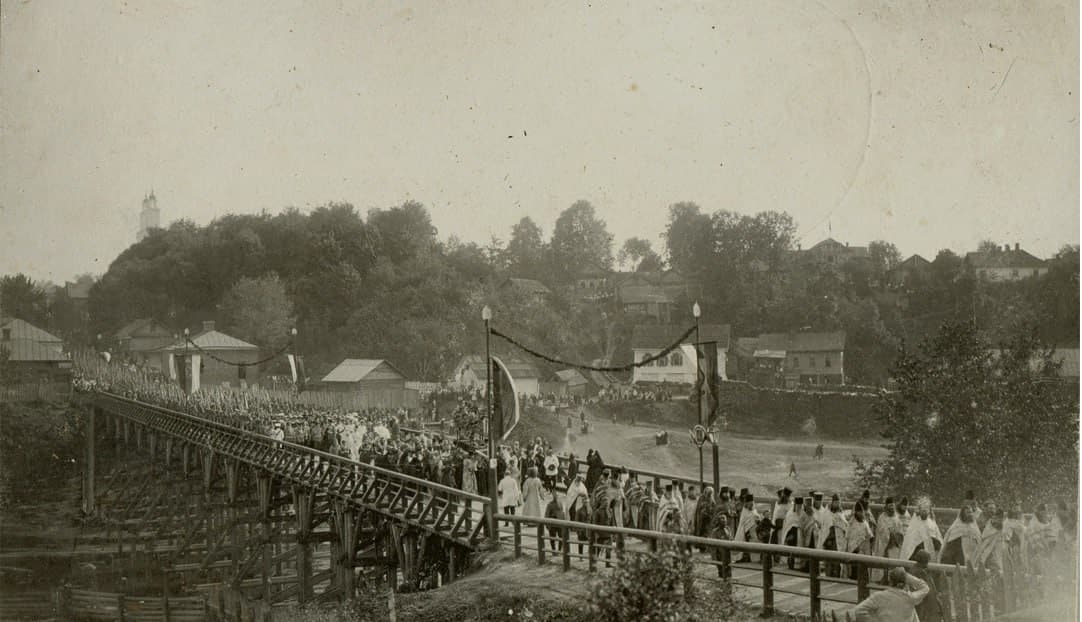
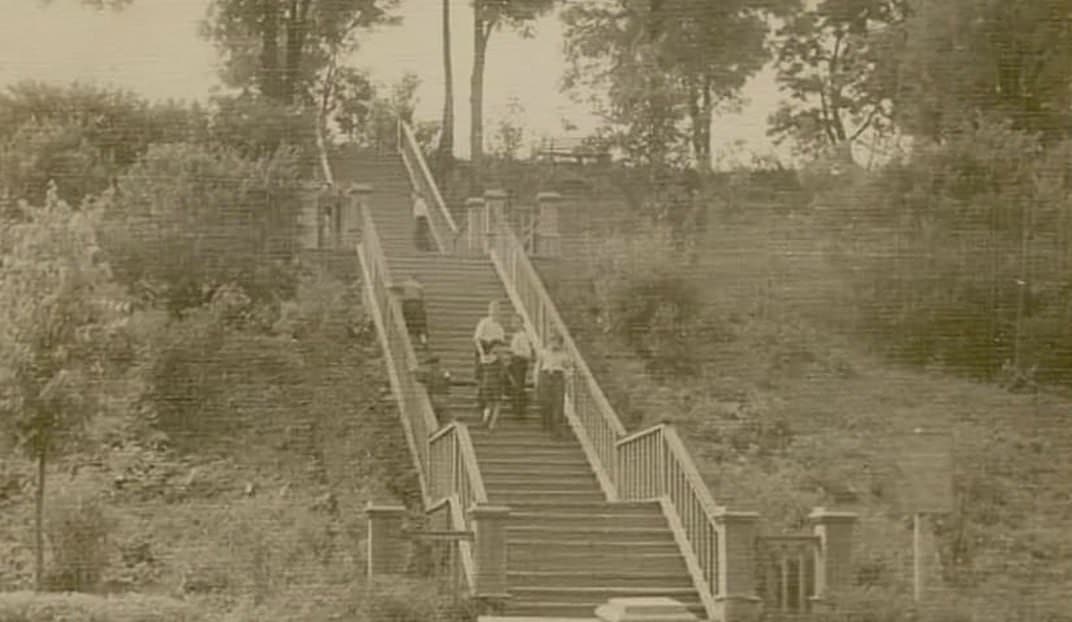
However, the military history of the shaft did not end there. In 1812, during the Patriotic War, French troops used it as an artillery position to defend the city. Later, in the 19th century, the shaft became a favorite vacation spot for the townspeople: it was lined with trees, benches were installed, and a gazebo was built over the Rampart.
The fate of the shaft in the 20th century was not easy. In 1925, it received the status of a state monument. During the Great Patriotic War, trenches were dug here, and the embankment was damaged by shells. And in the 1960s, a radical transformation took place: the inner part of the rampart (the bowl of the former castle) was adapted for the stands of the Spartak city stadium, which is still in operation today.
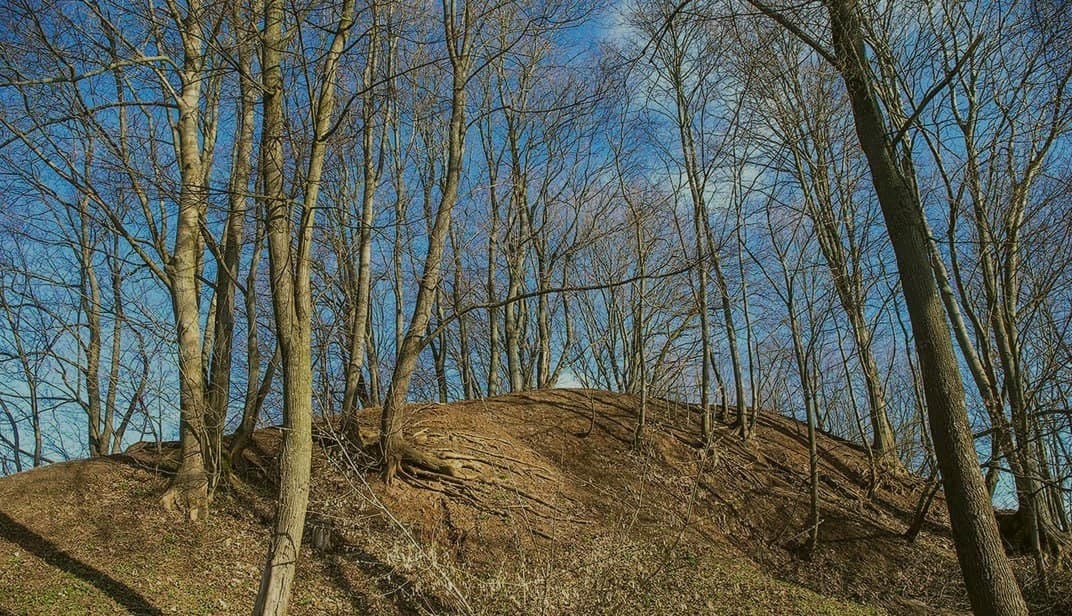
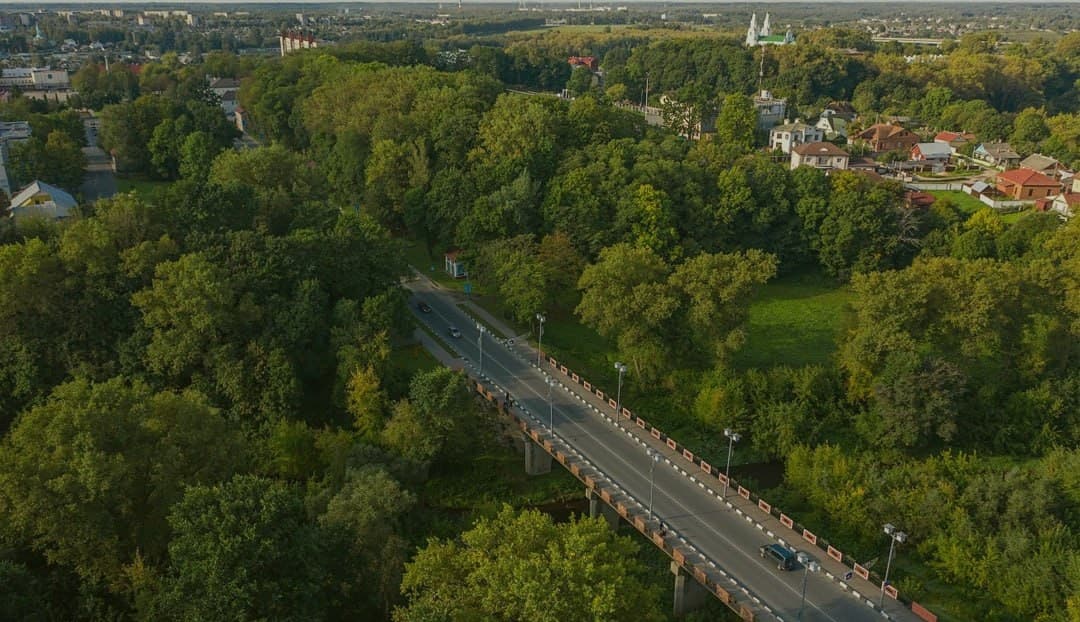
Today, Ivan the Terrible's Rampart is a historical and cultural heritage of Belarus and a popular tourist destination. About 400 meters of embankment overgrown with trees have been preserved from the mighty fortification. Walking along its crest, where cannons once stood and archers served, it is difficult to imagine that this green hill preserves the memory of the bloody events of the XVI century. In 1984, at the foot of the rampart, archaeologists discovered a unique treasure trove of jewelry from the 9th–10th centuries, which confirms the antiquity and richness of the history of this place. Today, the rampart has become not just a monument, but an organic part of the urban landscape, where medieval fortifications, stadium stands and shady alleys are intertwined.