
Pogrebenka. The post office.
Landmark
Vitebsk region, Sennensky district, Pogrebenka village


Description
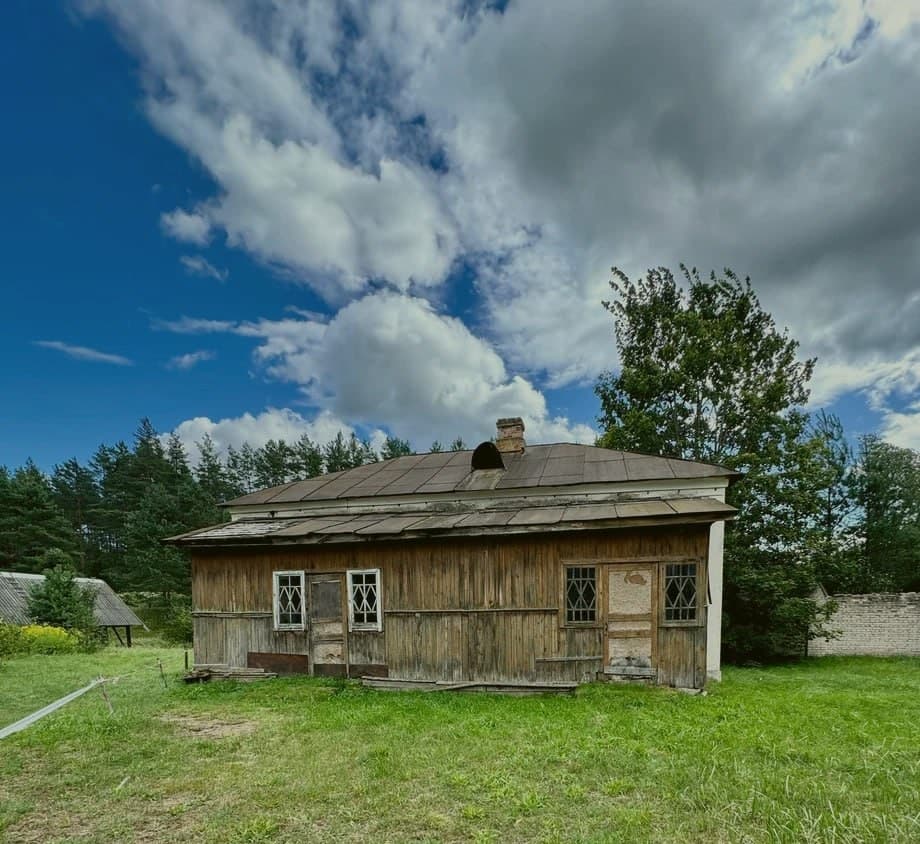
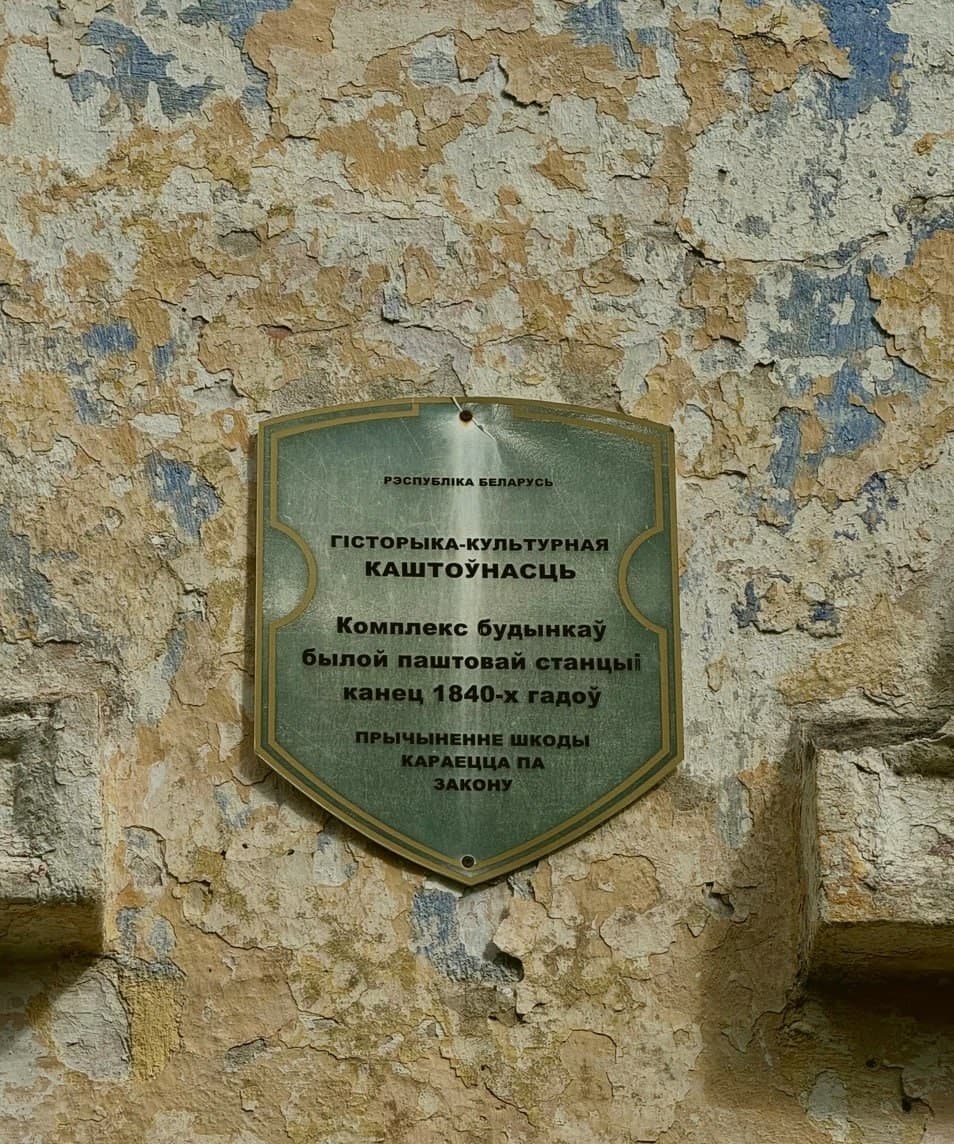
In a remote village in the Vitebsk region, a unique monument is living out its life - a post station of the 19th century. Once upon a time, life was in full swing here on the St. Petersburg - Kiev highway: horses were changed, travelers rested, and correspondence was going on.
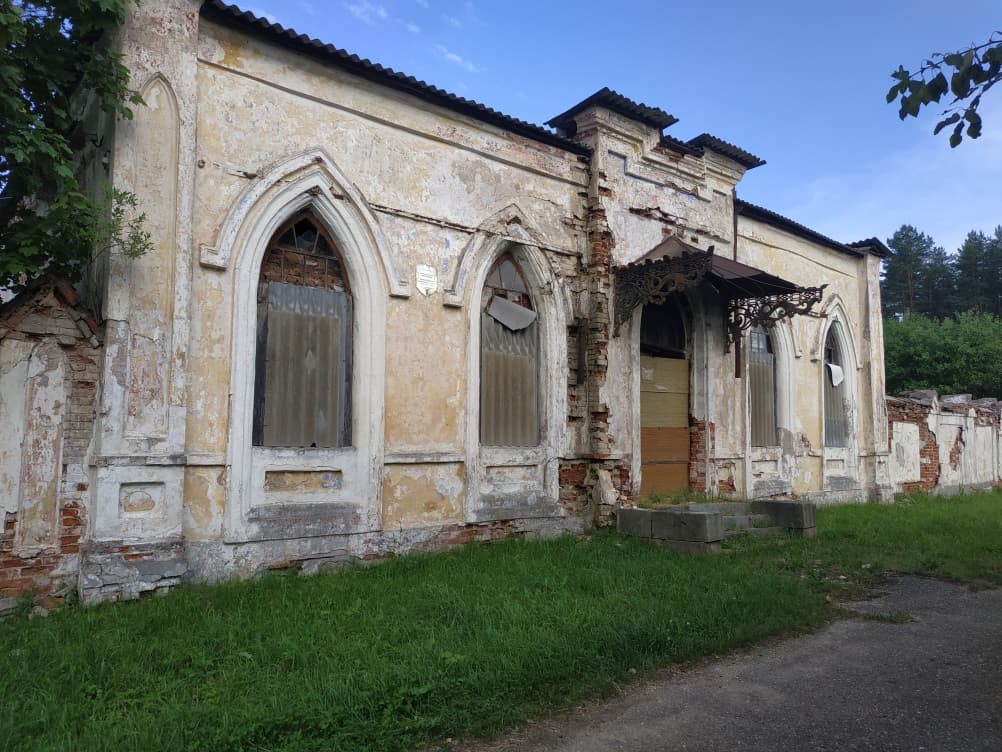
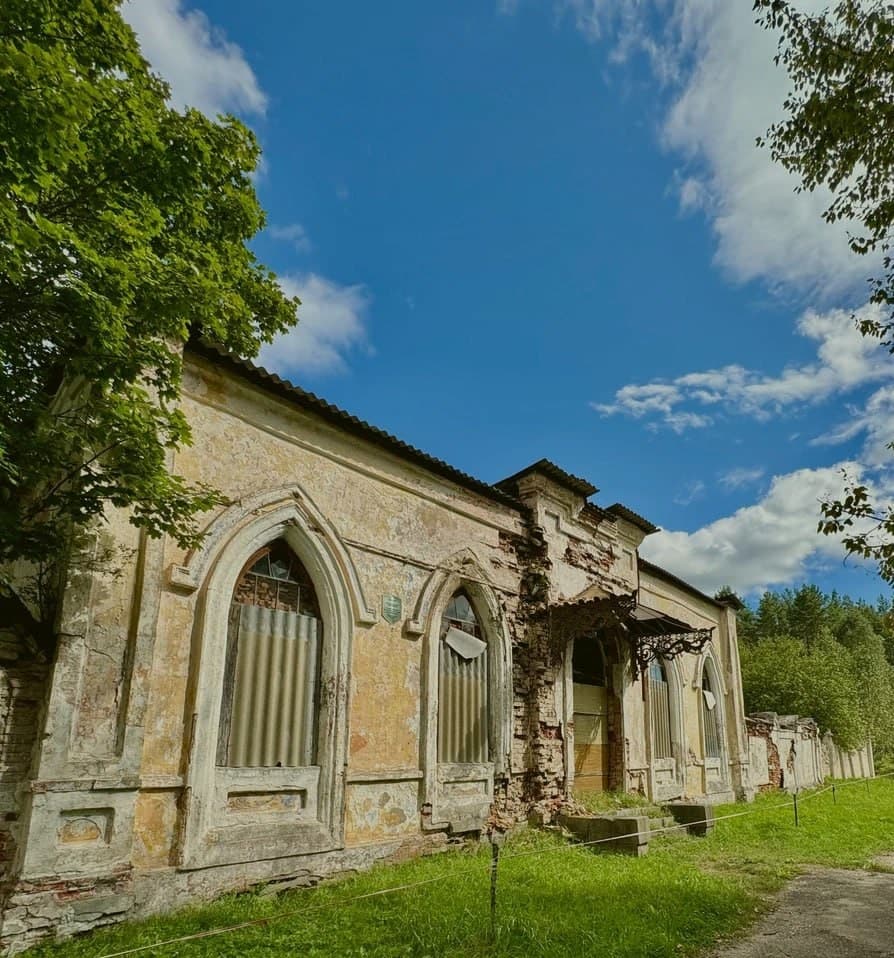
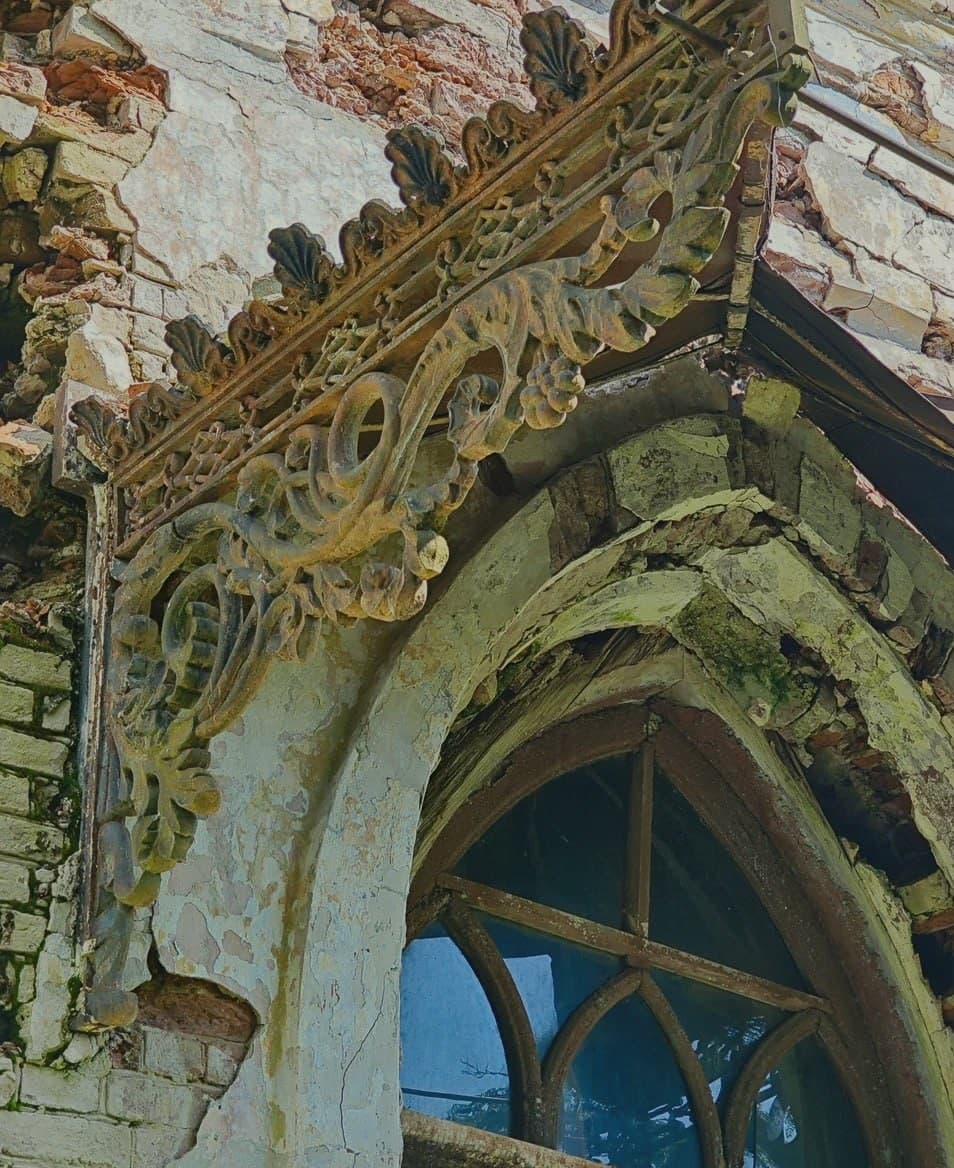
Built in the late 1840s in the Neo-Gothic style, the station impressed with its austere architecture. Arched windows, a wrought-iron canopy, an outhouse for coachmen, stables, an old well, and even paving stones in the courtyard have been preserved. It was an entire road complex that operated according to strict regulations.
Today, everything is different. After the fire, the building is in disrepair, there is devastation inside. Inspection is only from the outside. The state has put it up for auction, but there are no takers - the new owner is obliged to restore the facility with security obligations.
While the station is waiting for its savior, time is running out...
Categories

Architectural monument

Historical

Ruins
Comments
Reviews to the Place
1Ольга Ерёменко
14.07.2026
Pogrebenka post station: a forgotten witness to the Imperial highways.
In the shadow of tall grass and broken branches, a brick hulk froze. It was once the center of life on one of the main routes of the Russian Empire. Today there are ruins that they are trying to sell. But behind these walls there are almost two centuries of history, fate and architectural beauty.
The famous St. Petersburg - Kiev postal route passed through here. It carried letters, couriers with dispatches, diplomats and travelers.
The station was built in the late 1840s according to the standard design of 1846. The government of Nicholas I streamlined the postal system: stations were set up every 20-30 versts along the main roads. The section between Vitebsk and Mogilev was considered difficult, there were only a few stations here.
At the station, everyone passing through was strictly recorded - the name, rank, purpose of the trip, arrival and departure times were recorded in the books. Disruption of the schedule could cost the driver a place.
The station is made in the Neo-Gothic style, which is atypical for the Belarusian province. The main facade faces the road. The pointed arched windows, decorative brickwork, and wrought-iron visor all spoke of status.
The interior layout follows logic: a waiting room, a caretaker's room, an office, and a room for servants.
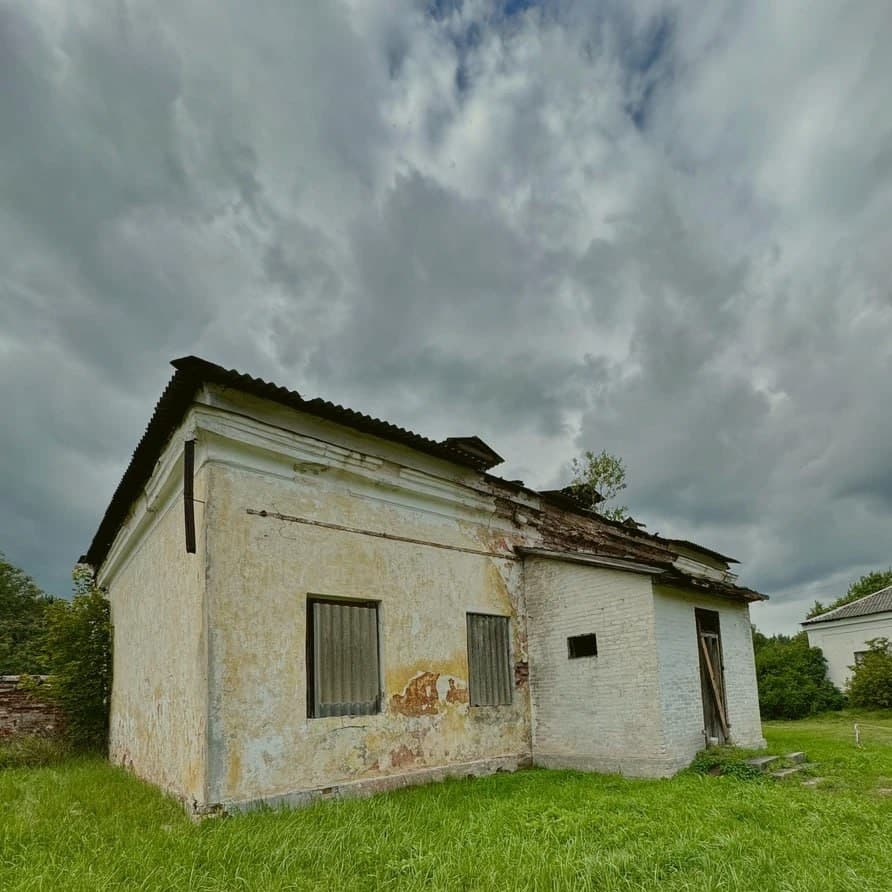
There is an inner courtyard behind the facade. There are preserved outbuildings for coachmen, elements of stables, an old well, the remains of a brick fence with arches and paving stones, on which the wheels of carriages rattled.
The postal stations were government communications hubs. The caretaker was responsible for horses, carriages, and compliance with the rules. The delay of an important messenger had serious consequences. The station operated until the very 20th century - through the Crimean War, revolutions, and world wars.
Today, the main building suffered from a fire - the floors burned out, the roof collapsed. The walls are cracked and soot-stained. The windows are gaping. The yard is desolate. But the complex has retained its planning structure.
Inspection is outside only, it's not safe inside.
The station has been put up for auction several times. But the future owner is obliged to comply with the security obligations - to carry out restoration or conservation. This requires coordination and serious investments. That's what scares customers away. There are no takers.
Why is this important?
It's not just ruins. There are few such facilities in Belarus. Most of them are lost. The entire ensemble has been preserved here - a rare case.
It is an infrastructure monument: how communications, management, and transport worked in the 19th century. The place has a unique atmosphere. You can imagine a tired official getting out of a carriage, horses neighing in the courtyard, and the room smells of wax.
The future?
The ideal scenario is an investor with an understanding of the mission. There could be a museum of road communication, a tourist station, a cultural center. But for now, these are dreams. The reality is a crumbling brick and a well, remembering those who traveled from St. Petersburg to Kiev with a dispatch or a love letter.
Pogrebenka is waiting. The question is whether it will wait...