
Pinsk. The match factory.
Landmark
Brest region, Pinsk, Brestskaya street, 48
Description
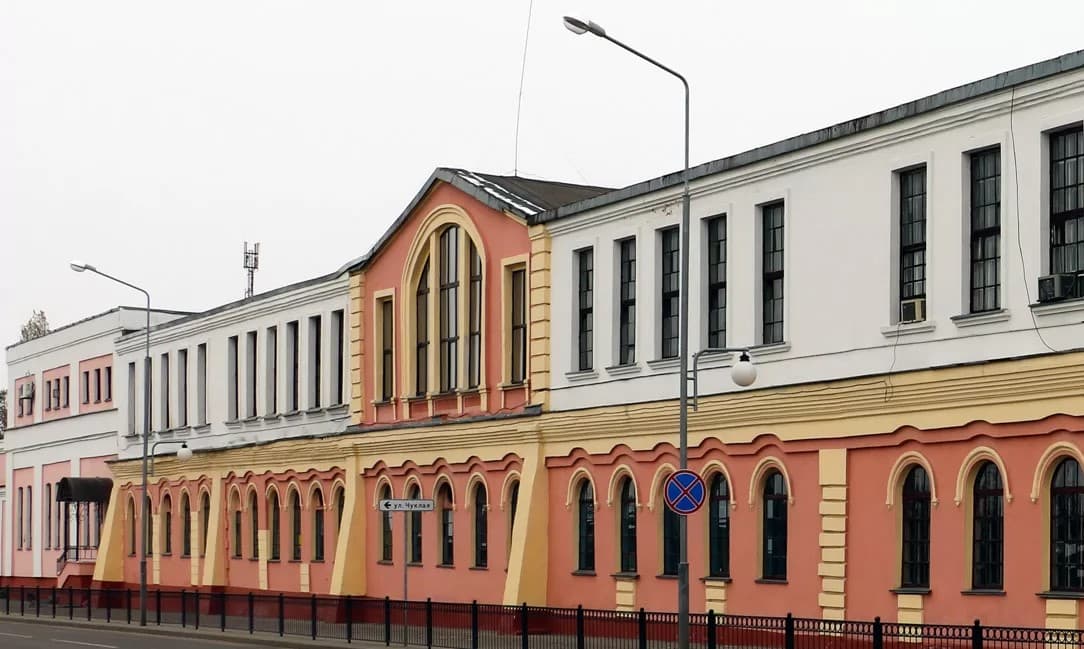
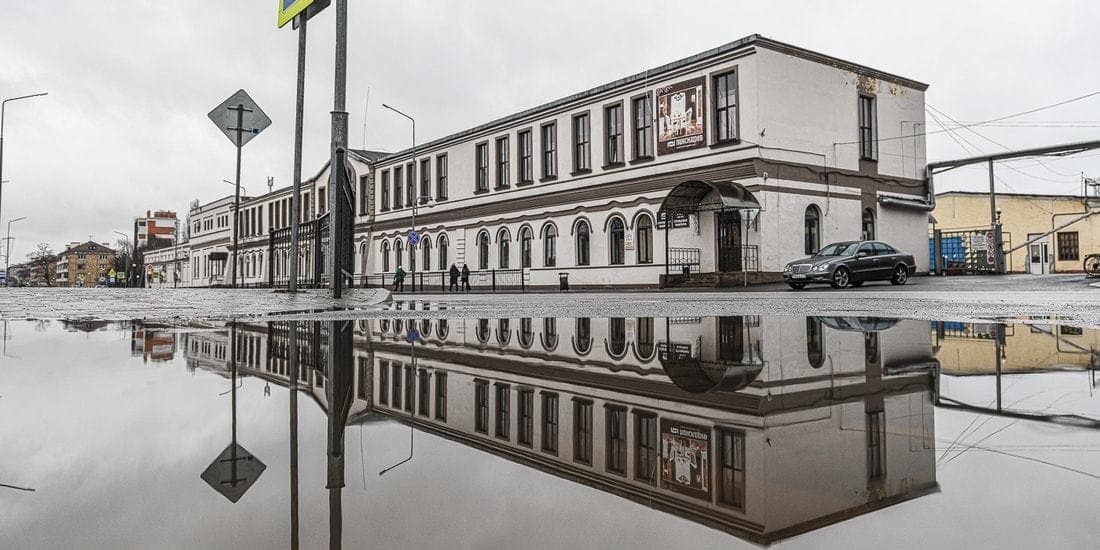
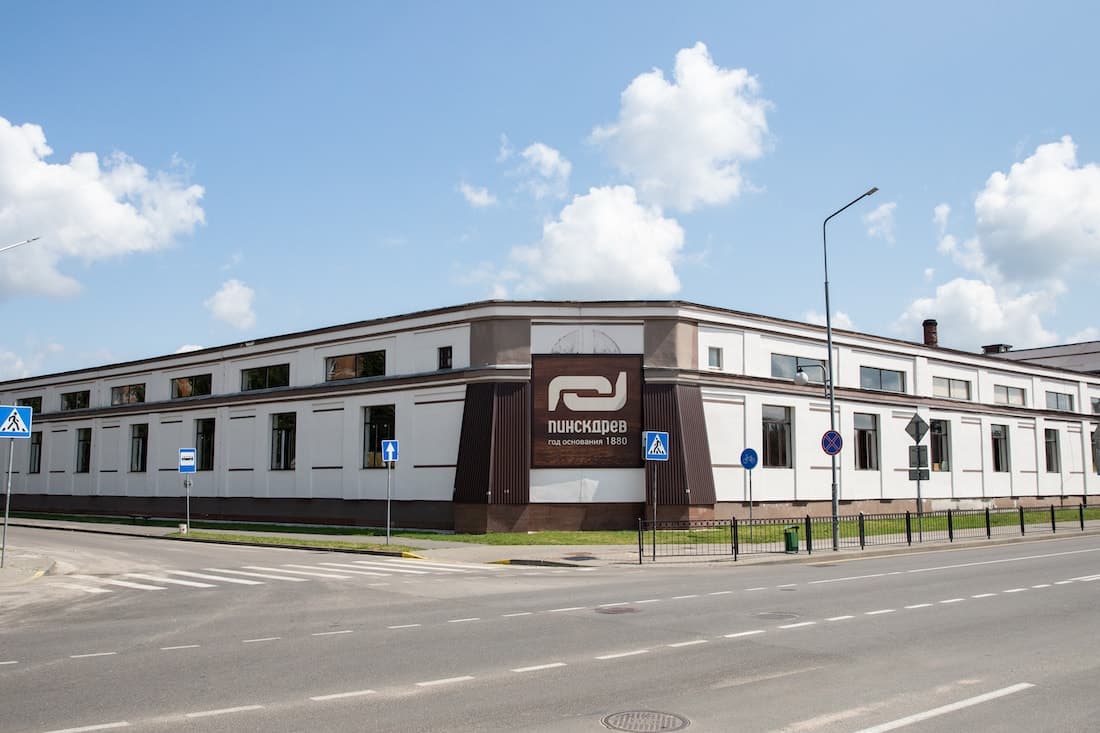
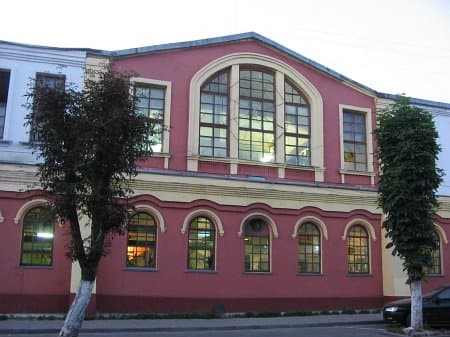
Pinsk was once not only a river port, but also the capital of matchmaking. In 1892, the Volcano factory was opened here, later renamed Volcano-Progress. Its two-storey building at 48 Brestskaya Street with huge windows is an example of pragmatic industrial architecture of the 19th century, where every architectural element worked for production efficiency. This building is the last silent witness of the era that turned a quiet provincial town into the industrial center of Polesie. The history of Pinsk, frozen in brick.
Categories

Architectural monument

Historical
Comments
Reviews to the Place
1Ольга Ерёменко
10.03.2026
The light that lit the city: the history of the Pinsk Match Factory
In the heart of Polesie, in the town above Pina, there are buildings that preserve not just brickwork, but the memory of an entire epoch. One of them is a modest two-storey building at 48 Brestskaya Street. Today it is just a part of the urban landscape, but more than a hundred years ago the industrial heart of Pinsk was beating here, and the products of local craftsmen lit lights in houses far beyond the region.
The "volcano" that awakened the industry.
It all started at the very end of the 19th century. The year 1892 was a turning point for the Pinsk economy: the Volcano match factory appeared on the city map. It was a colossal event for that time. The city, which lived mainly by handicrafts and trade on river routes, began to turn into a major industrial center.
Volcano didn't just produce matches - it laid the foundation for an entire industry. The demand for matches in those days was stable and huge: there was no gas, no lighters, let alone electric stoves. Matches were a basic necessity, and Pinsk quickly became one of the centers of their production in the west of the empire.
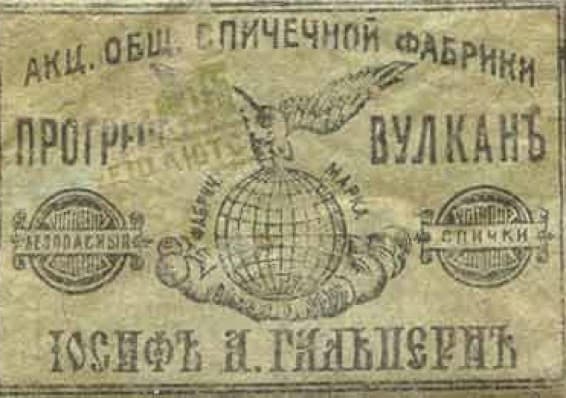
Five years later, in 1897, the company reached a new level, changing its name to Volcano-Progress. This renaming was not just a sign change. It symbolized modernization: the factory expanded, introduced new technologies and increased its turnover. The name "Progress" perfectly reflected the spirit of that time - the time of industrialization and steady progress.
The architecture of use and light.
Today, looking at the preserved building at 48 Brestskaya Street, you can see its main architectural feature - huge windows. Unlike palaces and temples, industrial architecture has always been more pragmatic. And this case is a vivid example of that.
Large window openings are not a fashion statement, but a strict industrial necessity. At the end of the 19th century, electricity was expensive and not always available, so architects and engineers designed workshops to make the most of natural light. Light played a key role in the sorting and packaging of finished products. The laconic decor and functionality make this two-storey building a classic example of factory architecture of its time. This building is a hard worker, built not for beauty, but for business.
The factory in detail: a look through time.
We can judge what the factory looked like in different years from the photographs that have been preserved. In the old photographs, you can see not only the buildings themselves, but also the atmosphere around them: workers, carts with goods, neat stacks of finished products.
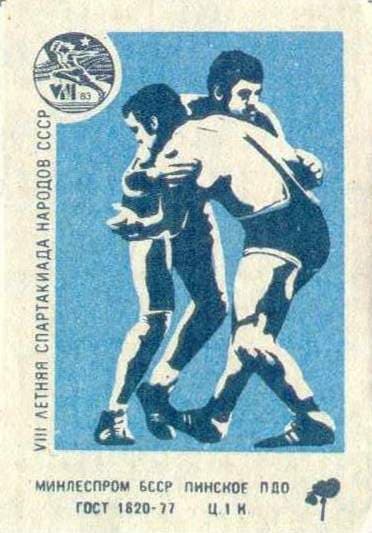
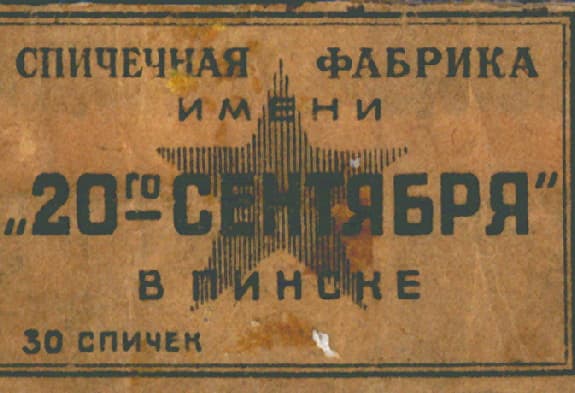
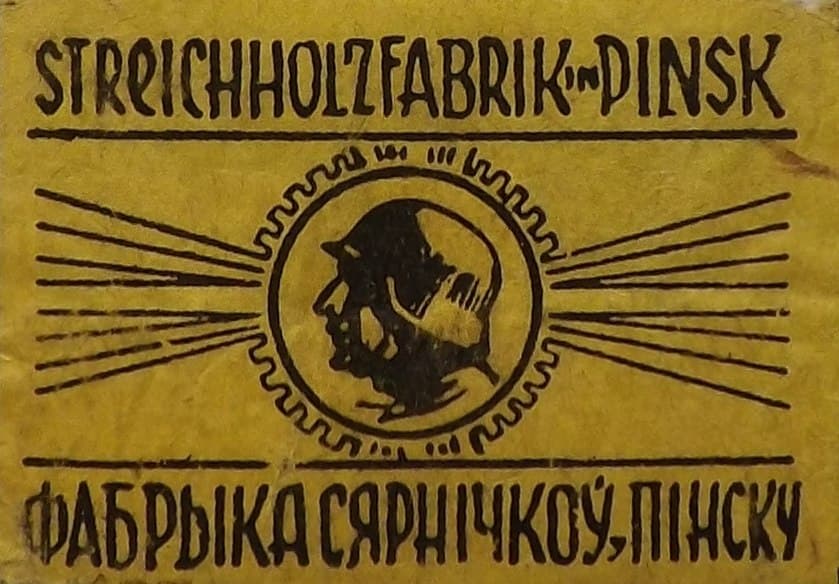
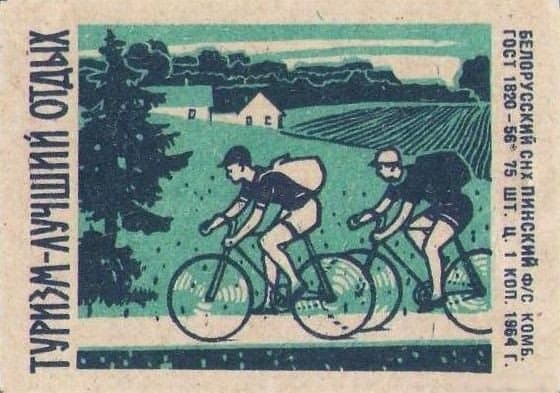
Special attention should be paid to the art of philomania - collecting match labels. It is thanks to the philumenist collectors that the brand names and the artistic design of Pinsk matches have reached us. Bright boxes with labels were distributed all over the country, becoming small ambassadors of the Pinsk industry.
Heritage.
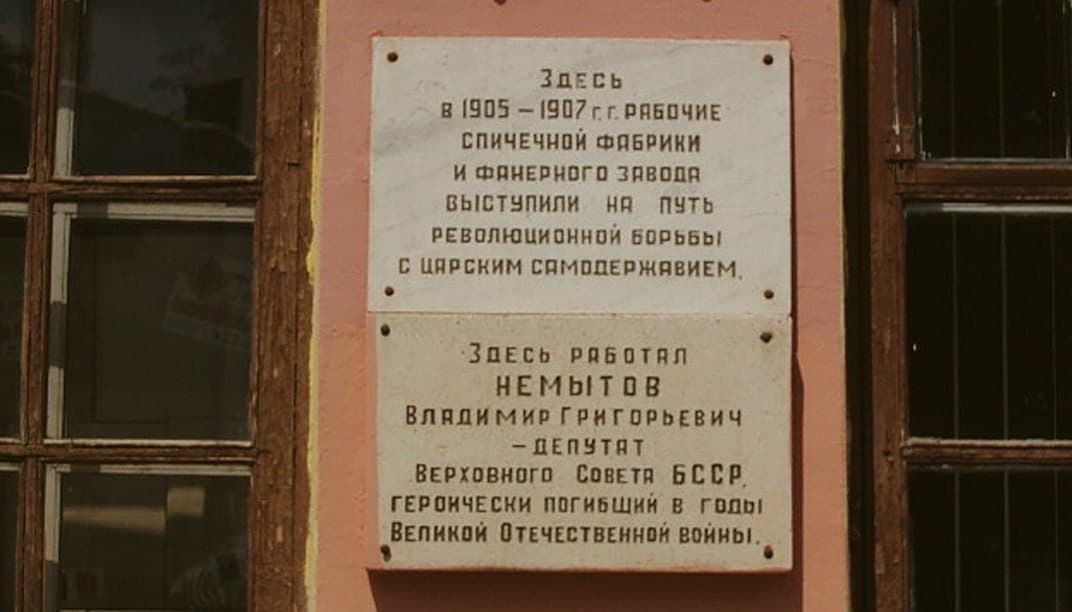
The fate of the factory, like many enterprises of that time, was not easy. Revolutions, wars, the change of epochs - all this has left its mark. But the memory of the "Volcano" and the "Volcano-Progress" remained not only in archival documents.
The building at 48 Brestskaya Street is the last tangible witness of the era when Pinsk was learning to rattle machines and mechanisms throughout the province. It is a symbol of the transformation of a quiet provincial town into the economic center of Polesie.
Today, passing by this building, it's worth stopping for a moment and imagining how the machines were humming inside, how wood and sulfur smelled, how light was pouring through these huge windows, with hundreds of workers packing into boxes the very small light that was soon to be lit in someone's house.
The history of Pinsk is preserved not only in princely palaces, but also in these modest brick walls full of industrial romance.