
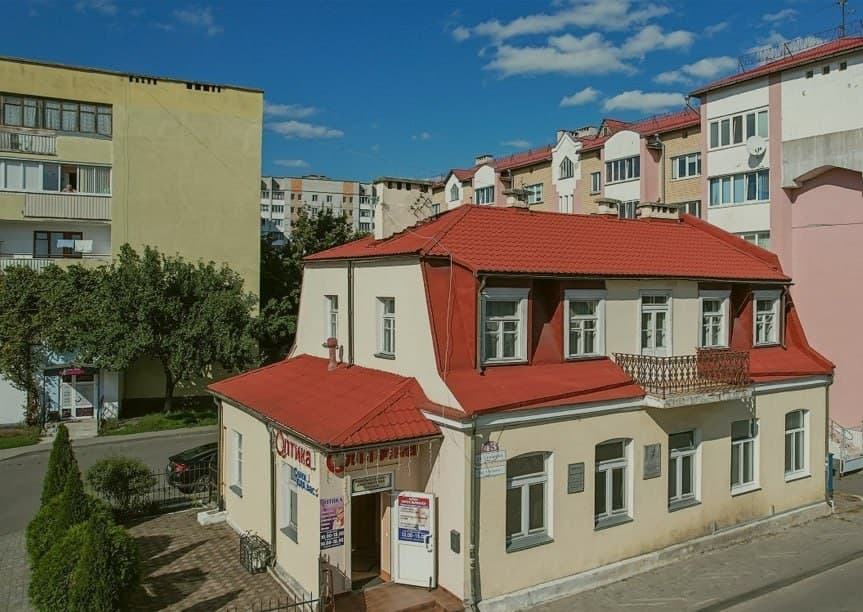
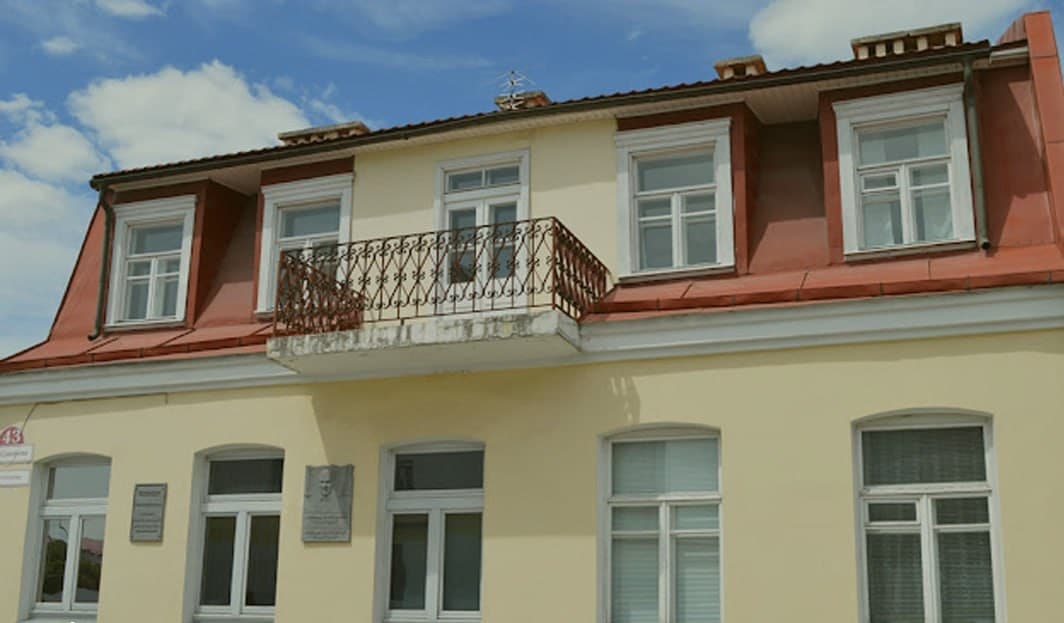
Pinsk. The house where Richard Kapustinsky was born.
Landmark
Brest region, Pinsk, Suvorov street, 43


Description
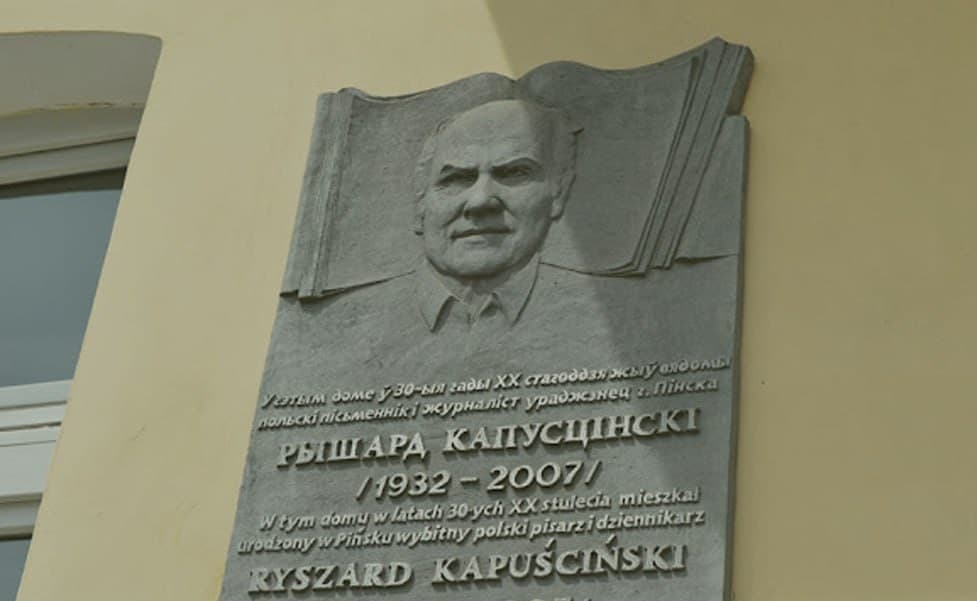
There is an inconspicuous house on 43 Suvorov Street in Pinsk. It was here that Richard Kapustinsky was born in 1932, a man who would later be called the "Herodotus of the twentieth century" and the best journalist of his time. The future classic of world reportage spent the first eight years in this house, which fell during the war, fear and flight. It was here, in a tiny room on Bolotnaya Street, where his mother forced the children to sleep at night without undressing, that his story began. In 1997, he returned here to say goodbye. And today, a memorial plaque commemorates his fate.
Categories

Historical

Literary
Comments
Reviews to the Place
1Ольга Ерёменко
17.03.2026
"Herodotus of the XX century" from Bolotnaya Street: The house where the story of Richard Kapustinsky began
In Pinsk, on Suvorov Street, 43, among the usual urban buildings stands an inconspicuous two-storey house in the Art Nouveau style. Built at the beginning of the last century, it stands out little among its neighbors. But for world literature and journalism, this is an address of great importance. It was here, in 1932, that the man who would later be called the "Herodotus of the twentieth century" and the "poet of reportage", Richard Kapustinsky, was born.
Today, this building is a place of memory, preserving the echo of a difficult fate. In 2007, a memorial plaque was installed on the facade in honor of the famous countryman, so that every passerby would know that the path of a man whose reports shook the world began here.
"My roots are in poverty".
In the 30s, the street was called something else - Bolotnaya (Swampy). The name spoke for itself: the outskirts, damp, unsettled. The family of the future classic huddled in a tiny room, which they rented in this house. His father, Jozef Kapustinsky, taught labor and singing at the local school No. 5, and his mother, Maria, gave music lessons. Ordinary Pinsk teachers who lived from paycheck to paycheck.
Their son Richard grew up as a quiet and precocious child. He learned to read so early and fluently that when he went to elementary school on Kosciuszko Street, he was immediately enrolled in the second grade. Life seemed to be getting better, but history was preparing severe trials for Pinsk and the Kapustinsky family.
The war that entered the house.
In the autumn of 1939, when Richard was only seven, the Red Army entered Pinsk. The world has turned upside down. The Polish language, which was spoken at home, became suspicious. Familiar characters disappeared from school textbooks, giving way to portraits of leaders and political pamphlets.
In his autobiographical book Empire, Kapustinsky later recalled the oppressive feeling of fear that settled in their small room: "There was something disturbing, tense, heavy in the air... We were even afraid to take a deep breath, so that nothing nearby would explode." The mother, anticipating trouble, established a strict rule in the house: do not undress at night. The coat should always be next to it, and the shoes should always be by the bed. She herself did not sleep at night, listening to the sounds outside the window and being afraid of knocking on the door. It was a childhood in which you had to play not in soldiers, but in readiness to escape.
The road to immortality.
In the summer of 1940, Maria Kapustinskaya made a desperate decision to flee. After selling her last belongings, she bought tickets to Lviv, and from there, wandering and taking risks, the family made their way to war-torn Poland, to her father, who miraculously managed to escape from Soviet captivity. Richard remembered this road forever: crowded carriages, crowds of people, despair and moments when the driver refused to drive the train further, and passengers, in order to save themselves, collected a "reward" for him - some a gold ring, some a silver spoon.
So the boy from Bolotnaya Street left Pinsk forever. But the city wouldn't let him go. He became the starting point, the experience of the "periphery", which later allowed Kapustinsky to more acutely feel the pain and tragedy of people in "hot spots" around the world.
Return.
Richard Kapustinsky traveled half the world, witnessed 27 revolutions and 12 wars, survived several assassination attempts, and wrote about the fall of emperors and dictators. Gabriel Garcia Marquez called him his teacher and "the best journalist of the 20th century". But as a citizen of the world, he never forgot his first address.
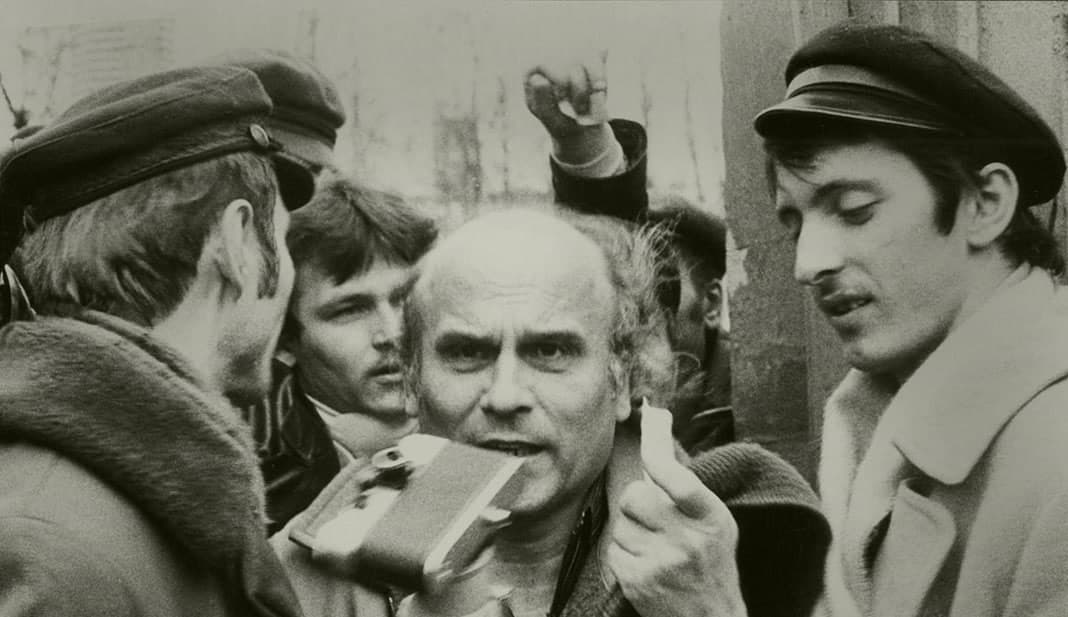
In 1997, Kapustinsky returned to celebrate the 900th anniversary of Pinsk. He arrived modestly, without an entourage or cameras. He stood in front of house No. 43 for a long time, talked with the old-timers, and filmed the old cemetery where his grandmother was buried. It was his farewell and gratitude to the place that made him who he became.
Today, the house at 43 Suvorova Street is a silent witness to a great destiny. The future genius did not just live here; here he learned to feel fear, see injustice and understand the value of human life. And maybe that's why his reports are not dry news bulletins, but poignant prose, understandable to anyone who knows the price of home warmth and the pain of loss.