
Osipovichi. The water tower.
Landmark
Mogilev region, Osipovichi, Internatsionalnaya str., 11.
Description
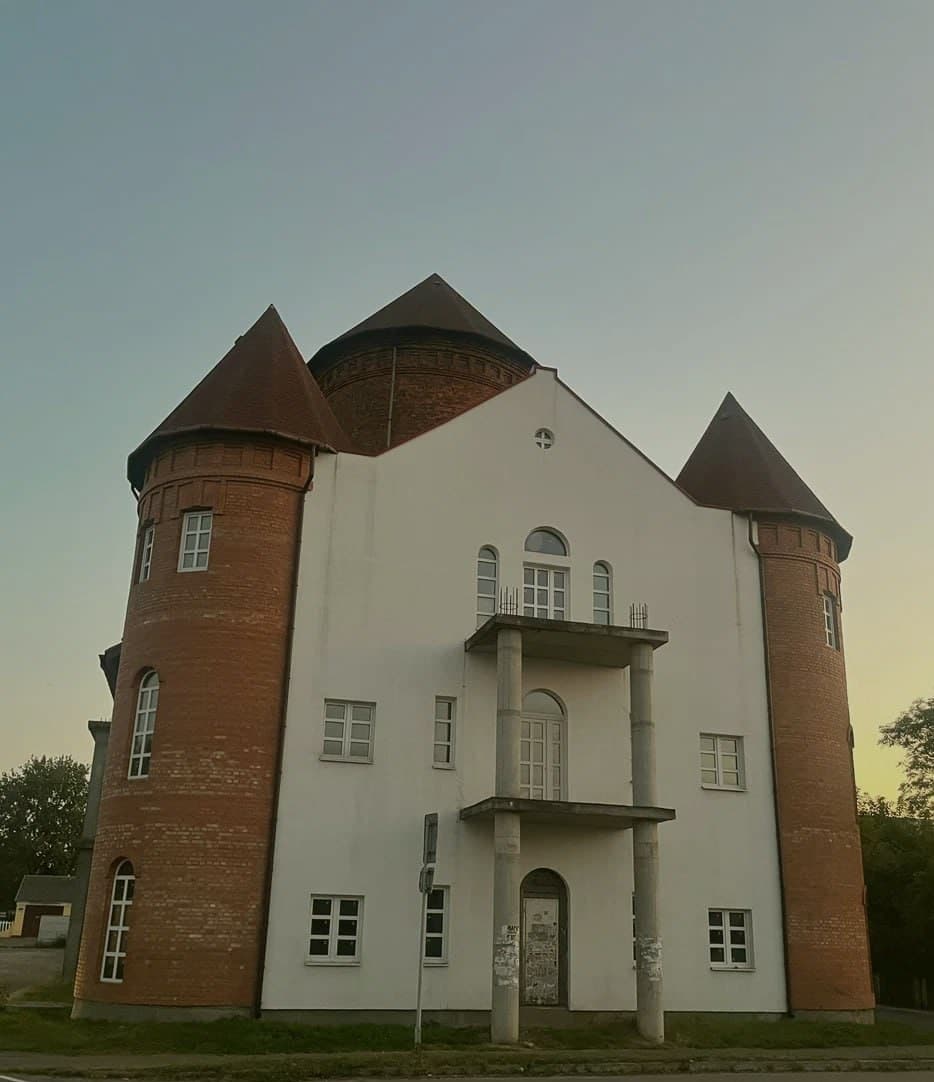
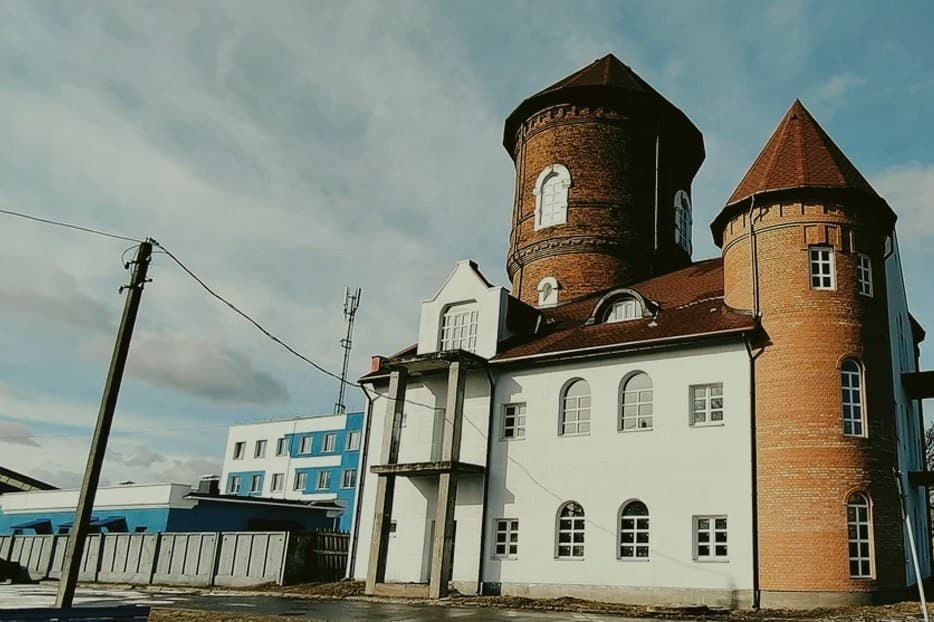
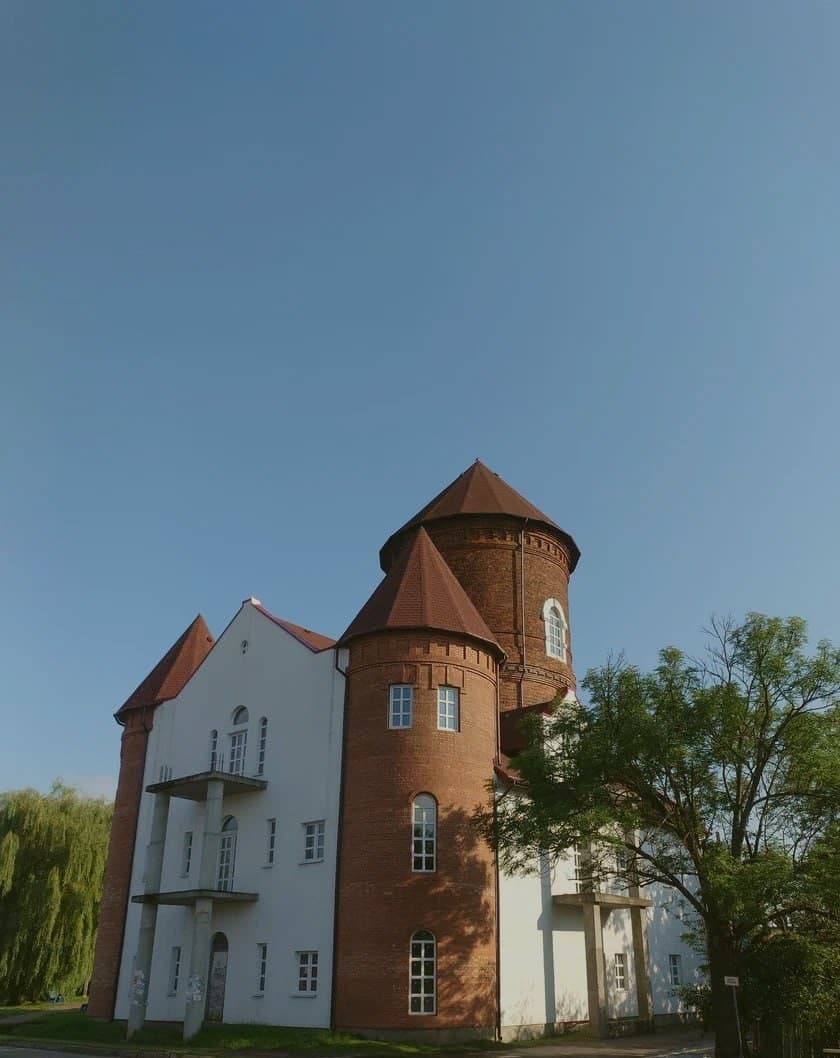
The water tower in Osipovichi is a silent witness to the birth of the city. Built on November 17, 1872 at the same time as the station, it was not just an engineering structure, but the "heart" of the station: steam locomotives were fueled from here. Train traffic would be impossible without it.
Interestingly, the tower stands to the left of the station - it was from this place that the formation of the entire city began. Osipovichi quickly became a major transportation hub, and the old tower remains the last tangible link of that era. Today it is an official historical monument, but its future is uncertain. There is talk of turning it into a restaurant or museum, but so far it just towers, attracting only rare local historians.
Categories

Historical

Architectural monument
Comments
Reviews to the Place
1Ольга Ерёменко
14.07.2026
The old water tower in Osipovichi: a mute witness to the birth of the city.
Osipovichi station traces its history back to November 17, 1872, when this stop was opened on the Libavo-Romenskaya Railway. It was then, along with the first service buildings, that the water tower appeared, a structure without which the operation of any large station was unthinkable in the era of steam locomotives. The tower is located to the left of the railway station.
Engineering necessity
In the 19th century, water towers on railways performed a critical function - they provided steam locomotives with water. One steam locomotive required up to 60 cubic meters of water, and the average mileage without refueling was about 100 kilometers. The tower served as a reservoir, creating the necessary pressure and water supply for uninterrupted train movement.
Structurally, such structures consisted of a cylindrical tank and a supporting part. The height of the towers usually did not exceed 25 meters, and the tank capacity ranged from several tens to thousands of cubic meters. Towers for railways were allocated to a separate category and were built according to standard designs that took into account the scale and workload of the station.
The birth of the city around the station
The station, and later the city, got its name from the village of Osipovichi, located two kilometers away. In the last quarter of the 19th century, the development of railway communication gave a powerful impetus to the economic recovery of the entire region. Already in 1890, the Osipovichi station occupied the third place on the Libavo-Romenskaya road in terms of cargo turnover, after Rudensk and Berezina. And when the Osipovichi - Daraganovo narrow-gauge branch line was laid in the middle of 1896, the station came in second place.
The first wooden railway station appeared here in 1873. The complex of station buildings was constantly expanding, reflecting the growing importance of Osipovichi as a transport hub. However, during the Great Patriotic War, the station was severely damaged: in 1943, the partisans carried out a major sabotage, destroying four trains with enemy equipment and ammunition, and during the retreat, German troops disabled the station. The new station building was erected in 1956.
Architectural appearance and current condition
The Osipovichi water tower dates back to the late 19th and early 20th centuries and is recognized as an industrial architectural monument. According to information from open sources, in the 2010s its fate remained uncertain - it was leased, and its further use raised questions.
However, in May 2024, a tender was announced for the current repair of the water tower. This indicates that the structure continues to be maintained and maintained, although its historical function has long been lost.
Local residents show genuine interest in the fate of the tower. There are suggestions in the reviews of the townspeople to restore it, make it a museum or preserve it as a historical monument. The tower is perceived as a symbol of the city and an important element of local identity.
The prospects
Similar industrial structures around the world are finding new life: they are being transformed into museums, cafes, hotels and cultural centers, preserving historical value and giving a modern function. The Osipovichi Tower could become a center of attraction for tourists and local historians if it receives proper attention and funding for restoration.
In the meantime, it remains one of the few surviving sites that remember the birth of the city and can tell a lot about how the history of the Osipovichi began.