
Polotsk district. Former 249th missile regiment "Squadron".
Landmark
Polotsk district






Description
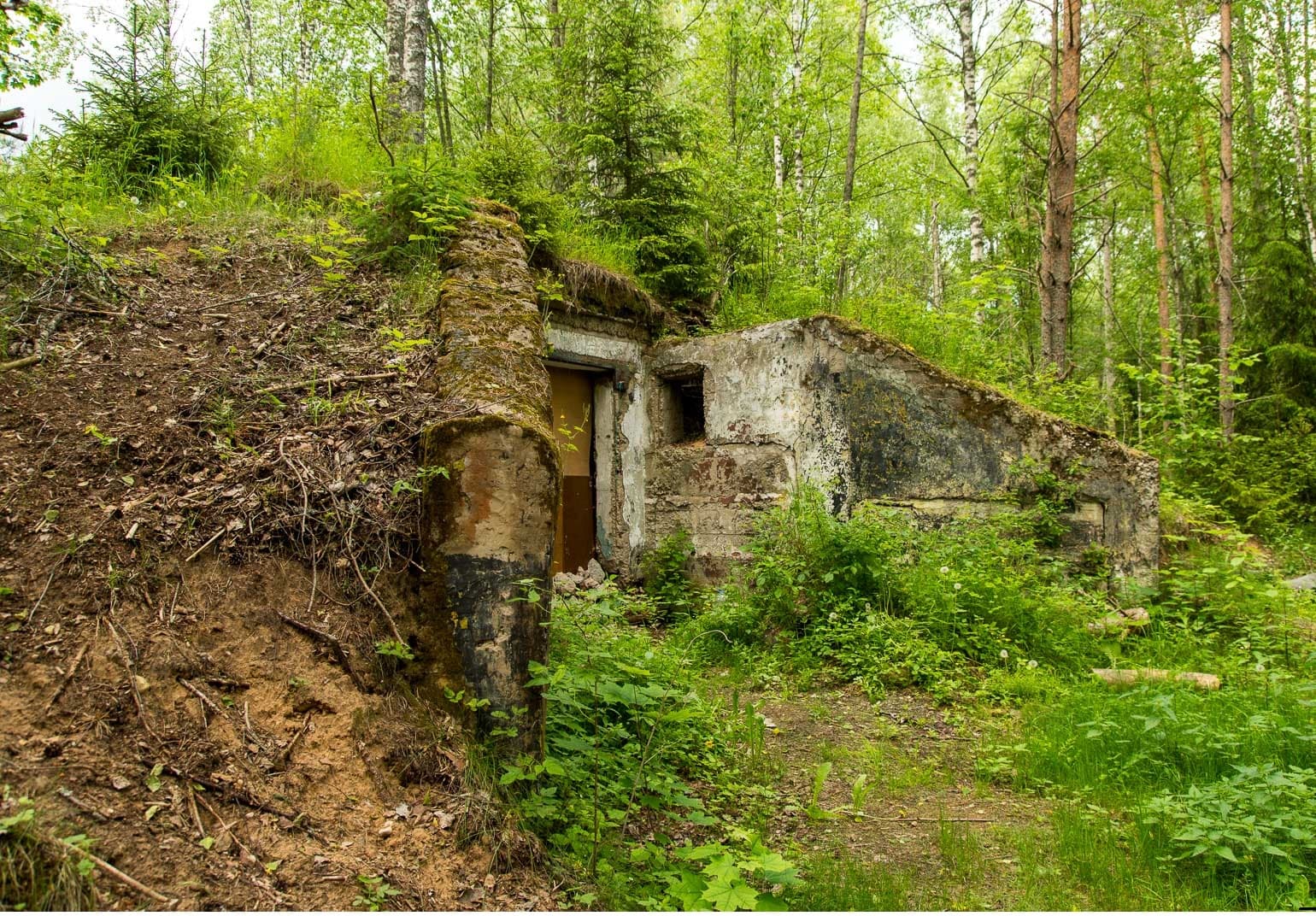
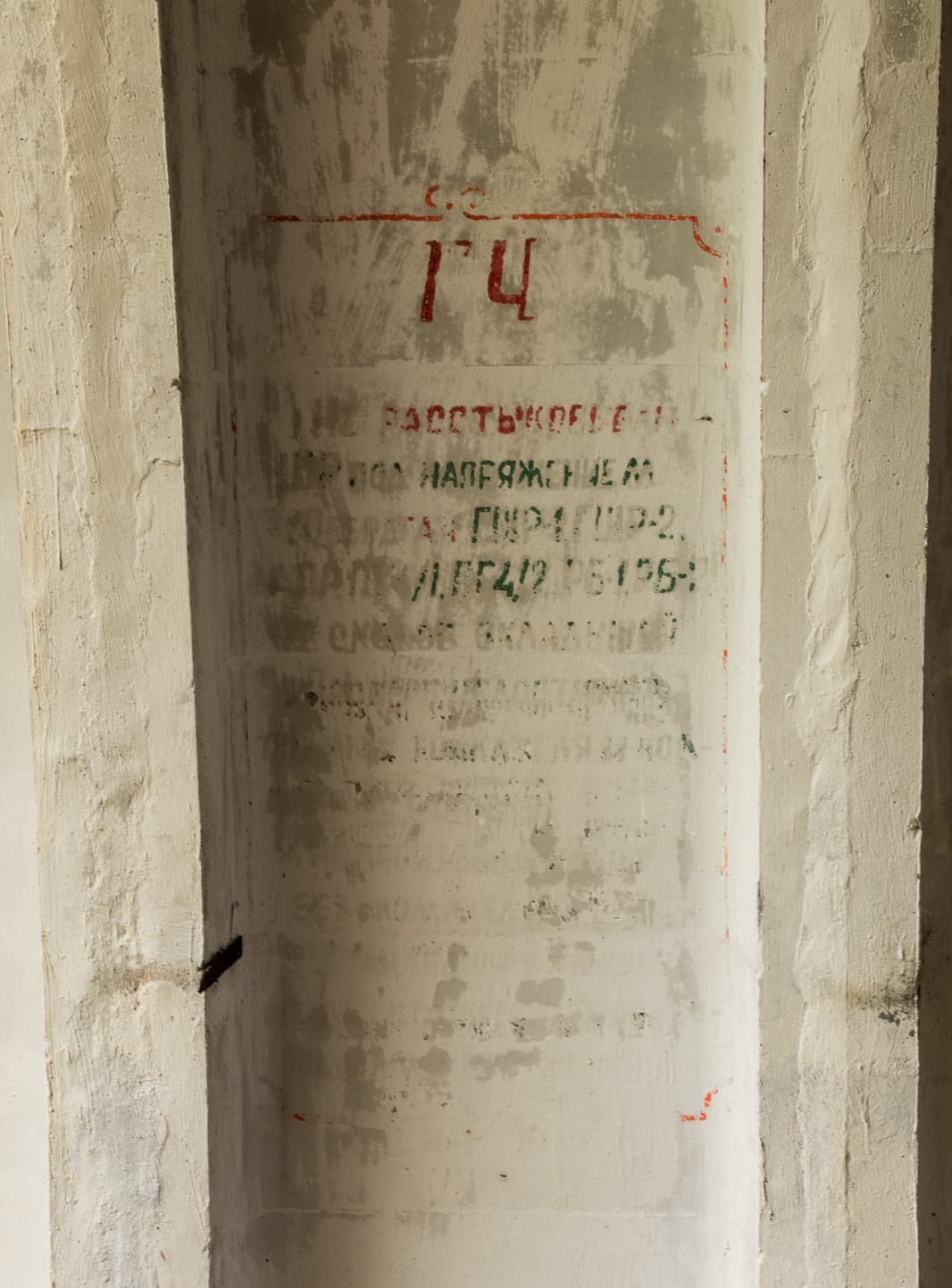
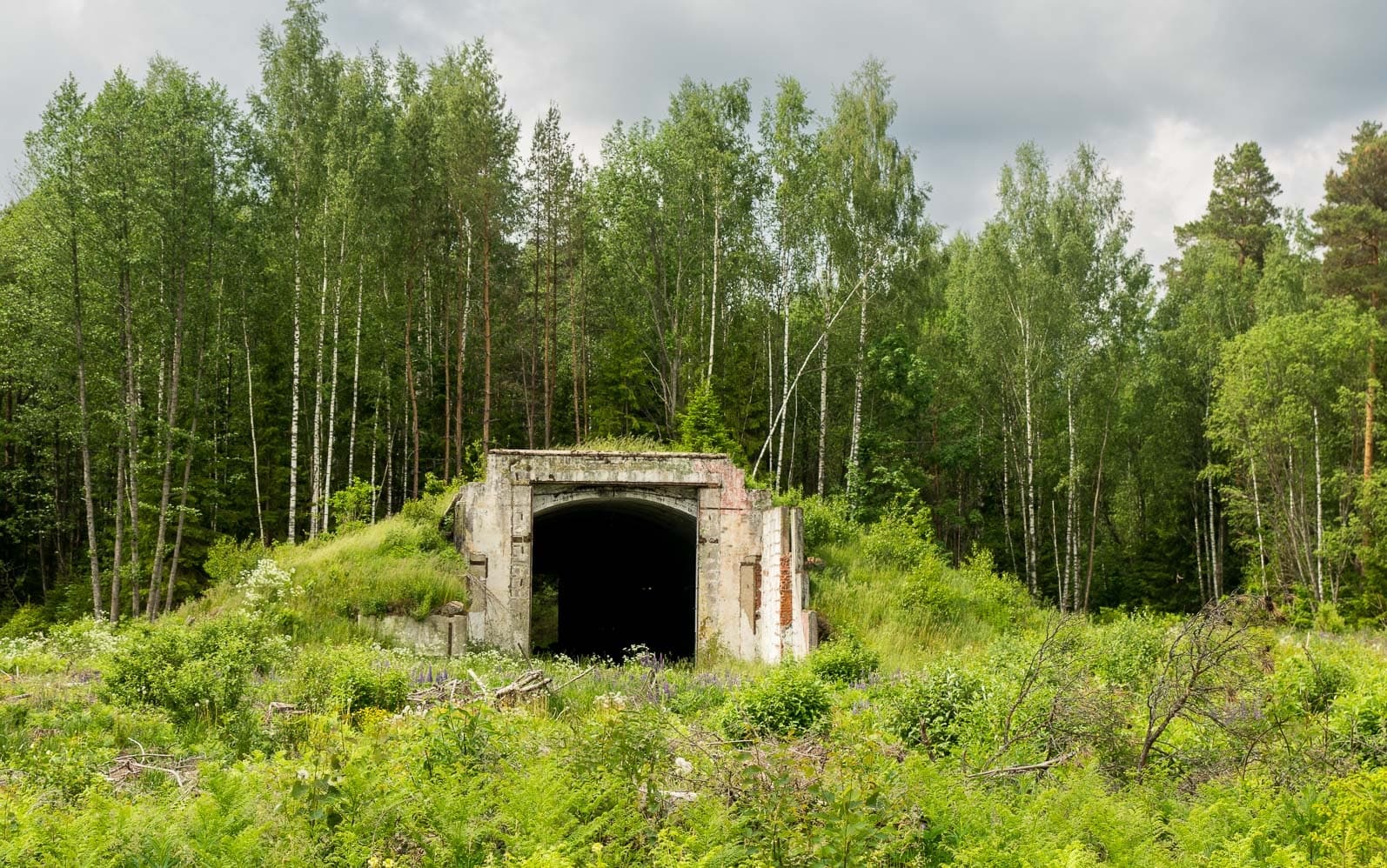
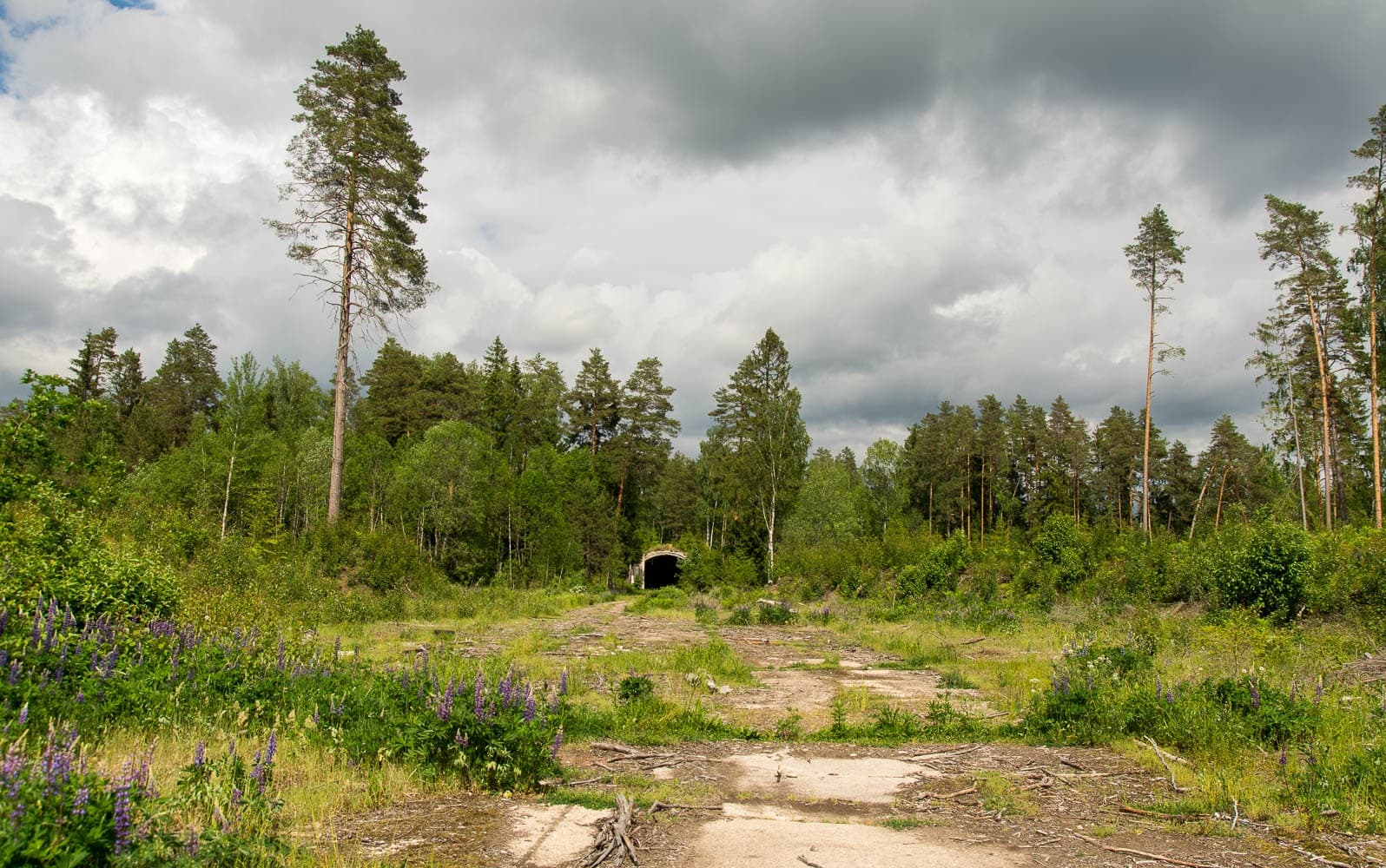
Traces of the Cold War can still be found in the vicinity of Polotsk - the abandoned positions of the 249th missile regiment of the Strategic Missile Forces "Squadron". The unit was formed in 1959 and until the end of the 80s stood guard over the western borders of the USSR, armed first with R-12 missiles, and then with the legendary "Pioneer" (SS-20) complexes. The regiment was the first in its division to be disbanded in 1989 under the INF Treaty. A brief history of the creation, rearmament and combat routine of the regiment, which became a silent witness to a bygone era.
Categories

Ruins

Historical
Comments
Reviews to the Place
1Ольга Ерёменко
07.03.2026
The last witness of a bygone era: the history of the Polotsk "Squadron"
In the vicinity of Polotsk, among the dense Belarusian forests, one can still find silent witnesses of the Cold War - traces of once-secret military installations. Here, in the era of the confrontation between the two superpowers, the 249th Missile Regiment of the Strategic Missile Forces, which had the proud name "Squadron", kept its watch.
The history of the unit began in the late 50s, when the world was just beginning to realize the threat of nuclear confrontation. The regiment was formed on August 21, 1959 as the 249th Engineer Regiment of the Supreme High Command Reserve. Initially, it was part of the 50th Long-Range Aviation Air Army, but in early 1960, with the formation of a new type of troops, it was relocated to Polotsk and incorporated into the 32nd Missile Division. At the same time, in the summer of 1960, the unit received its classic name - the 249th Missile Regiment with the military unit number 23463.
The beginning of the 60s was a time of active deployment of the regiment. The R-12 medium-range missiles have been put into service. Combat duty began in stages: the first division with four launchers took up protection of the borders of the Motherland in October 1960, and only by the beginning of 1963 all three launch divisions, totaling 12 launchers, took up combat duty. Positions have grown around Polotsk, and headquarters and residential towns have been located in the city itself.
Since the late 70s, the regiment has entered the era of rearmament, abandoning the outdated R-12 in favor of modern missile systems. In 1979, the unit was taken off duty for retraining. Mastering the new technology was incredibly stressful. The personnel studied the device of the Pioneer complex right in the wagons on the way to the Kapustin Yar training ground, practicing for 6-8 hours daily, and conducted 10-12-hour training sessions on the spot. As a result, in September 1980, the regiment entered combat duty with an excellent rating, already with 9 Pioneer launchers (SS-20).
But the equipment did not stand still. In 1986, the regiment was re-equipped again, this time with the upgraded Gorn complex. Combat training was conducted with no less intensity. A particularly memorable event was the launch of the rocket on April 3, 1986, conducted by a calculation led by Major Doroshkevich, which was rated "excellent".
However, the age of the regiment was already numbered. Historical changes in the world led to the signing of the Intermediate-Range Nuclear Forces Treaty (INFT). In 1989, the 249th Missile Regiment, which bore the honorary name "Squadron", was the first in its division to be decommissioned and disbanded. The equipment, which had taken so much effort and time, was eliminated.
Today, only the abandoned territories of former positions, and the pages of books that preserve the memory of the service of officers and soldiers, remind of their former power. Among the commanders of the unit were such people as colonels Bolshakov, Guley, Naugolnov, Lyga, Fomichev. For them, the "Squadron" was not just a call sign, but a symbol of the missile shield of the Motherland, which they forged with their daily labor in the quiet but strategically important surroundings of ancient Polotsk.
Here are the coordinates of the former facilities of the 249th missile regiment "Squadron" near Polotsk:
· Regimental headquarters (command post, military unit 23463): 55°24'43"N 28°33'49"E
· 1st starting position (4 points-12): 55°22'22" N 28°44'17"E (later also used for the Pioneer/Gorn complexes)
· 2nd starting position (4 points-12): 55°24'13" N 28°33'42"E
· 3rd starting position (Zyolki district): 55°35'49"N 28°24'32"E
There were also reserve field positions in the area of Plissa: 55°12'46"N 28°02'21"E and 55°11'41"N 27°54'37"E (active in 1967).