
Mogilev. Ancient settlements of the Iron Age period.
Monument of archeology
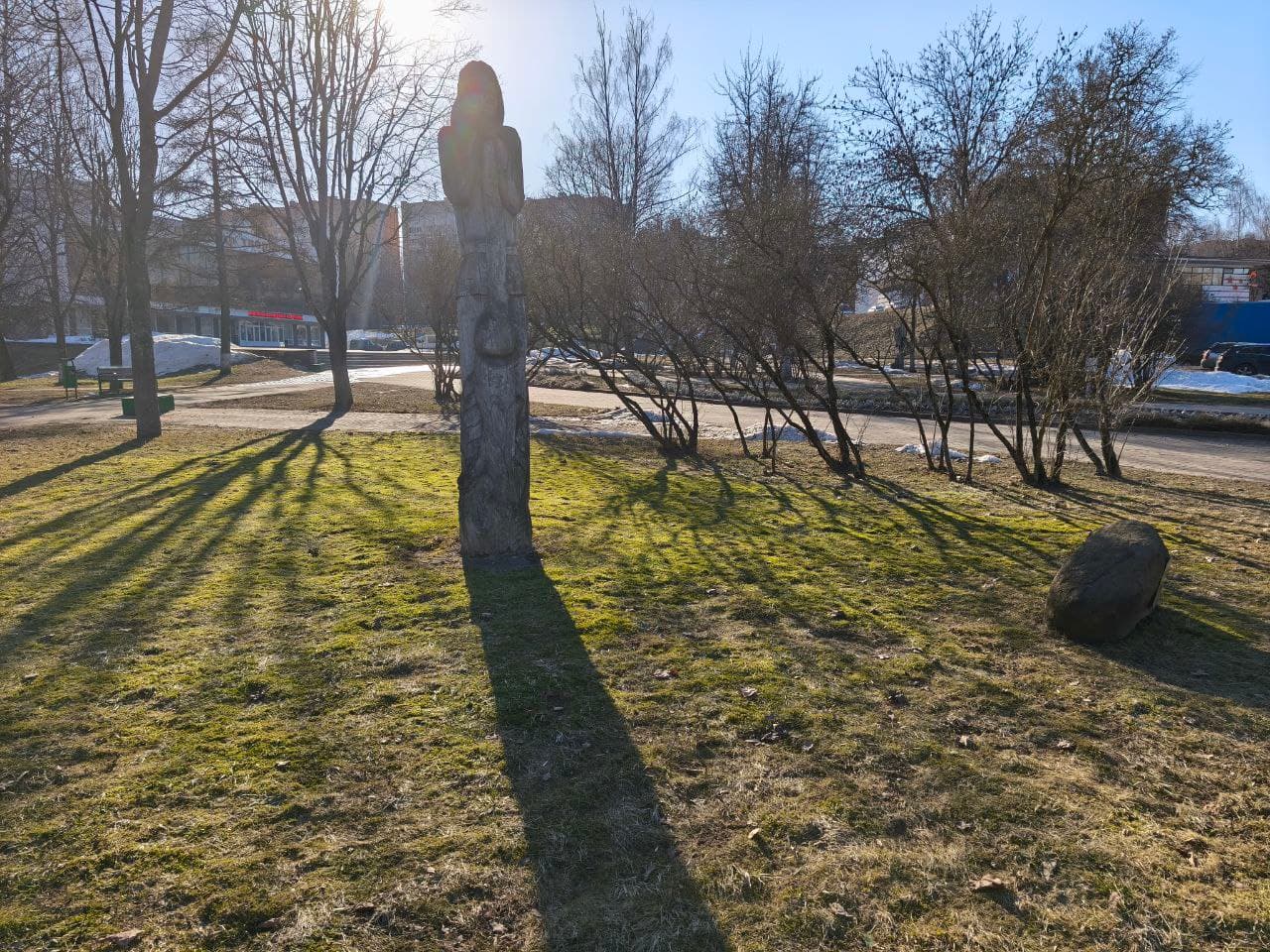
Mogilev, Zmeevka tract, bank of the Dubrovenka river
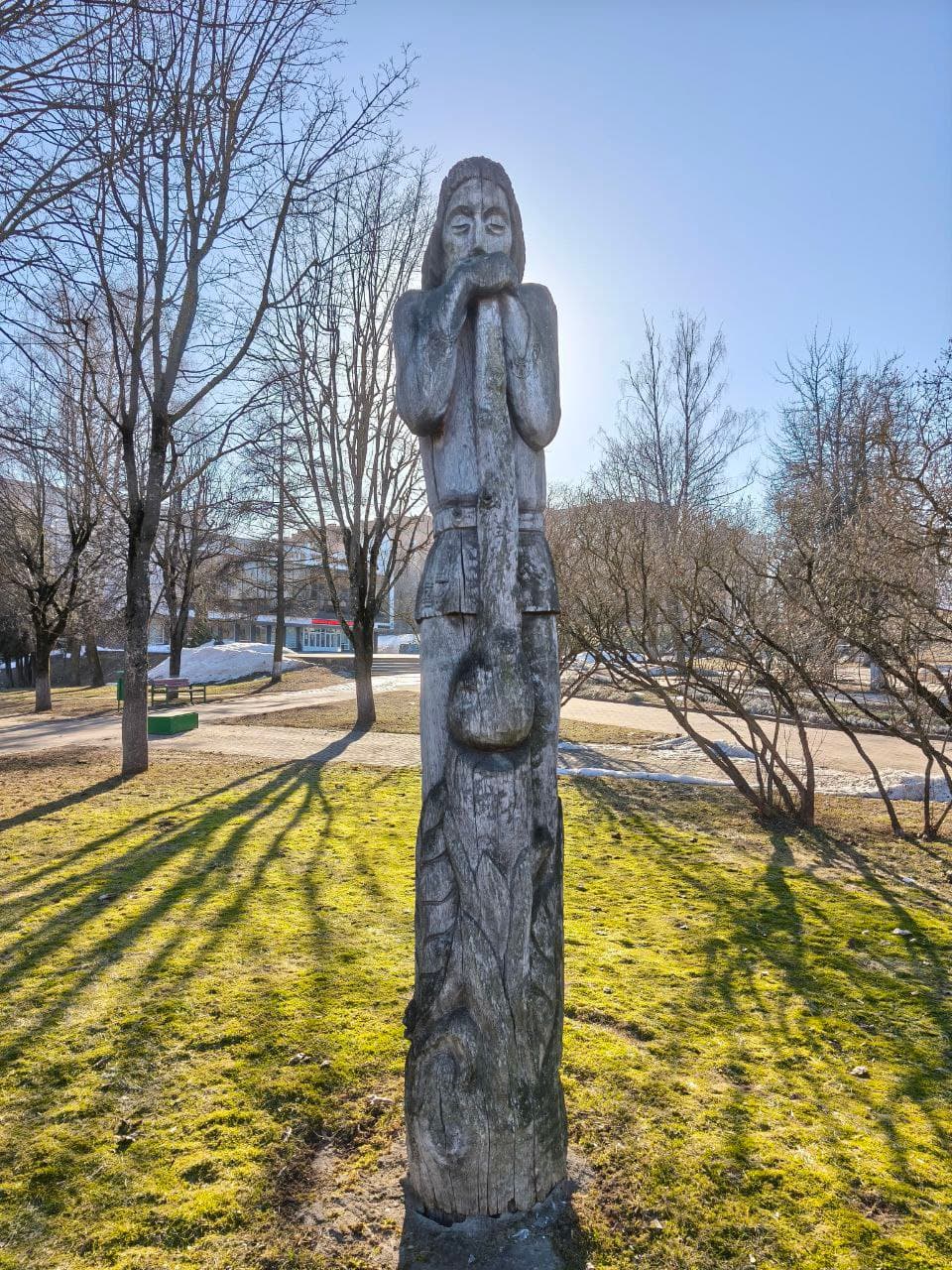
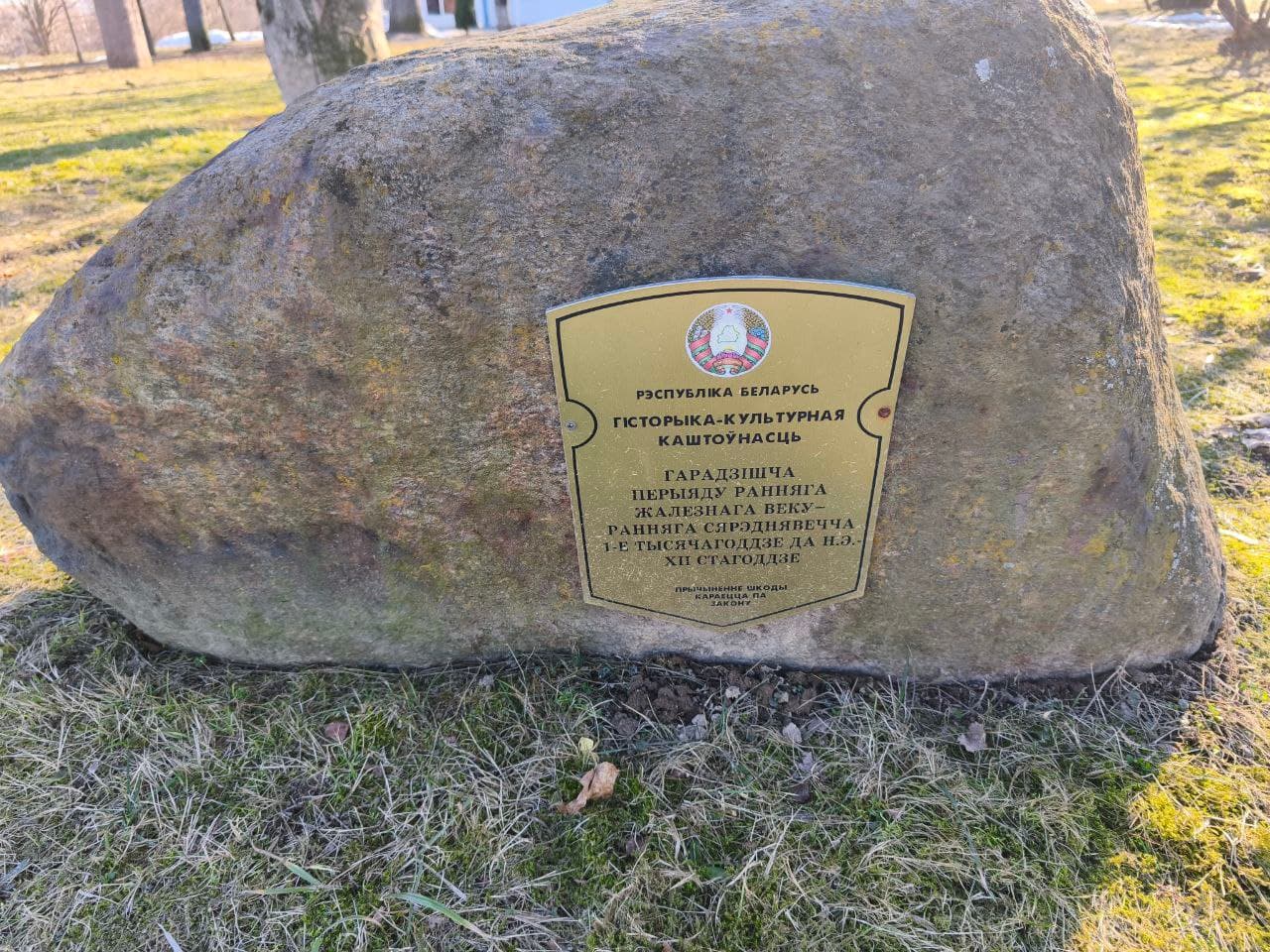
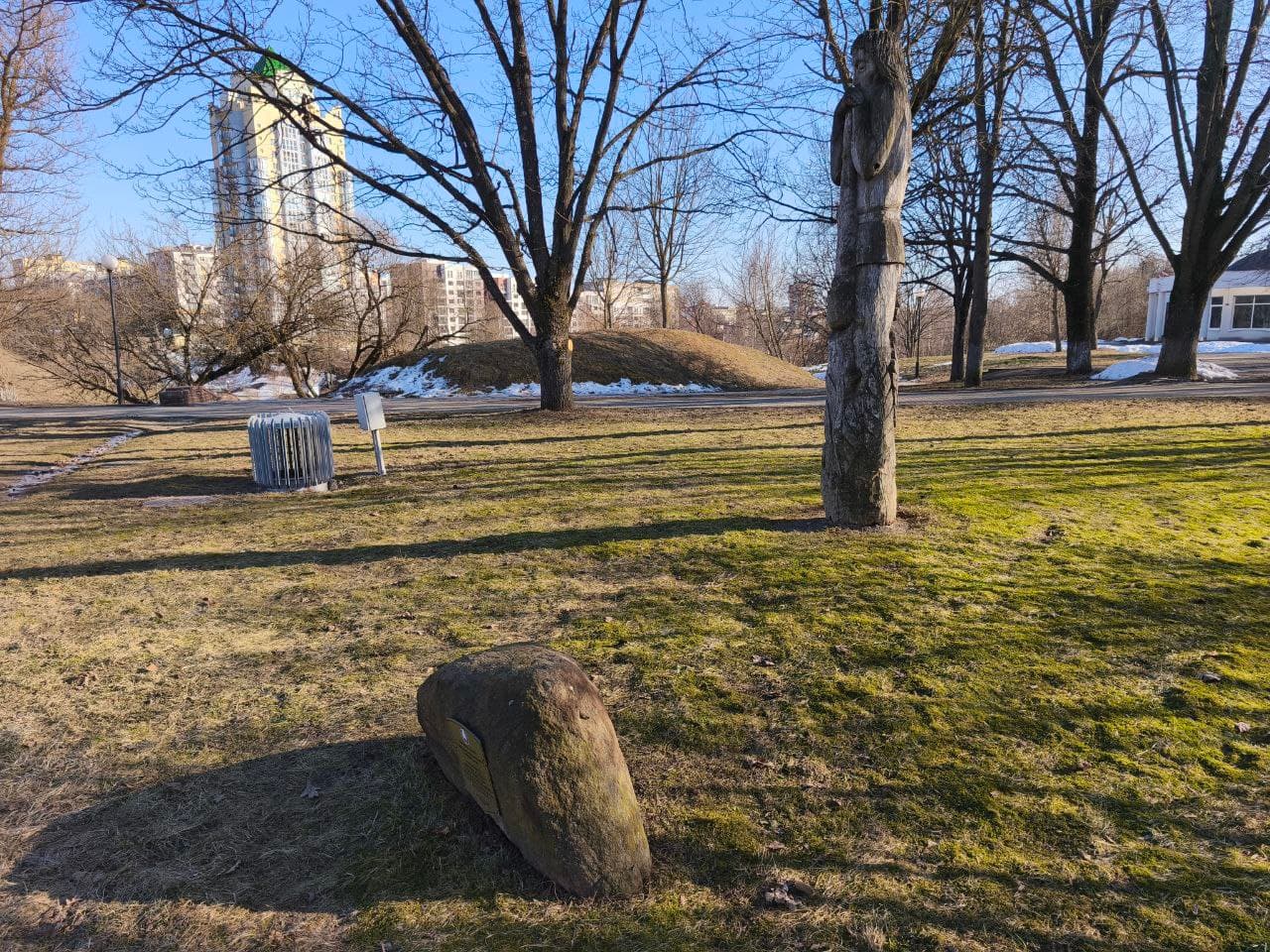
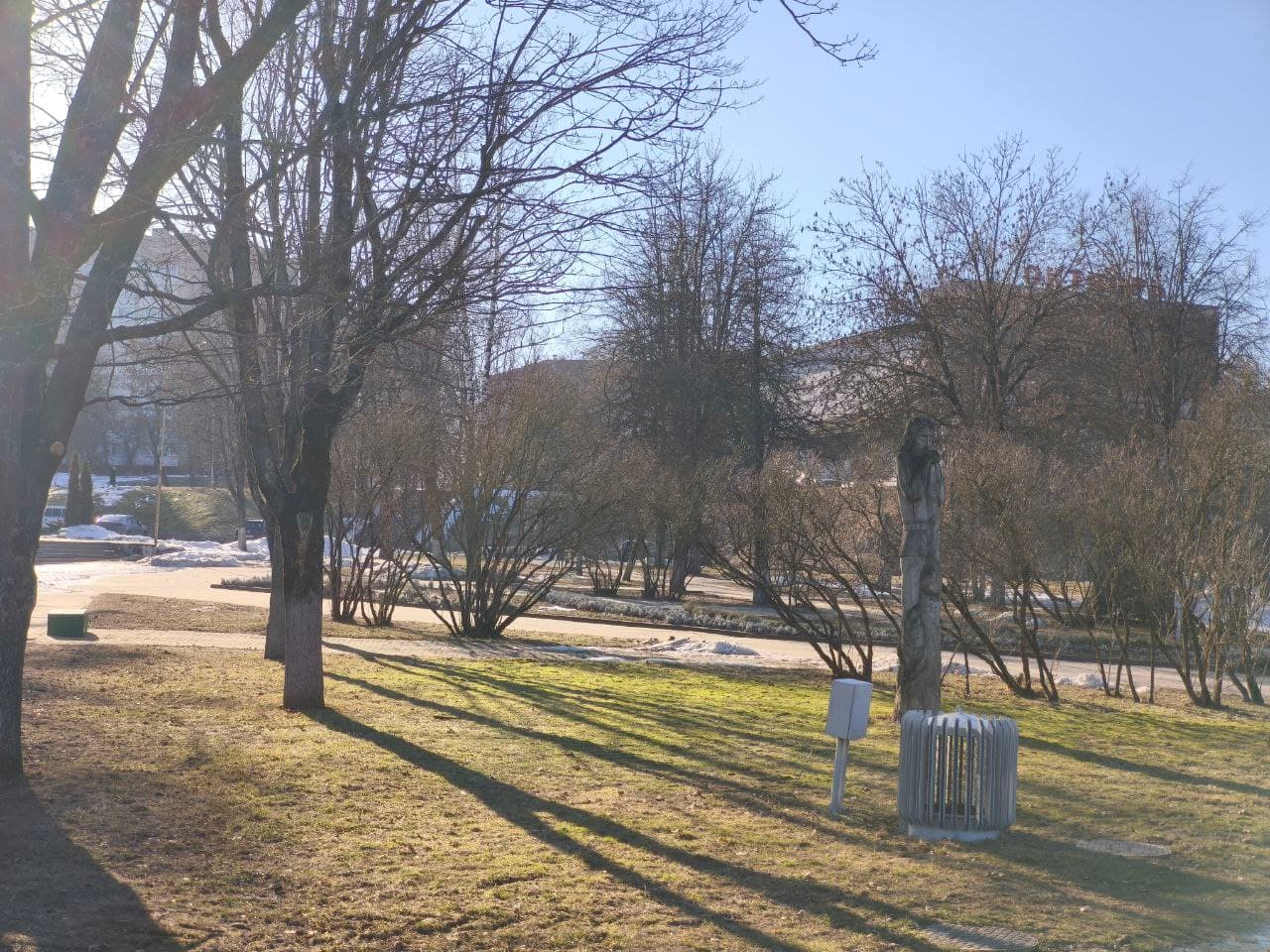
Description
Learn about the ancient history of Mogilev, dating back to the Iron Age (1st millennium BC). Long before its official foundation, there were settlements of Balts and Slavs here on the banks of the Dnieper River. Archaeological finds - from unique jewelry to princely signs - tell about the life, crafts and secrets that the Mogilev land preserves.
Categories

Historical
Comments
Reviews to the Place
1Ольга Ерёменко
15.03.2026
Secrets of the Dnieper shores: how Mogilev preserves the memory of thousands of years
When we say "ancient Mogilev", the date 1267, which is considered the official year of the founding of the city, pops up in my head. However, archaeologists know for sure: people fell in love with these high banks at the confluence of the Dubrovenka River with the Dnieper millennia ago. The history of these places goes back to the Iron Age, and the first fortified settlements appeared long before the chroniclers took up pens.
Two ancient hearts.
There were two early settlements on the territory of modern Mogilev. The first, known as Pelageevskoe (in the Zmeevka tract), originated in the 6th century BC and lasted until the 13th century. It was a powerful fortification at that time: an oval platform measuring 25 by 17 meters, protected by the steep slopes of the Dubrovenka River and impressive ramparts up to 4 meters high.
The second center of gravity was the Mogila (Grave) Mountain, a hill in the area of the current Gorky Park, at the confluence of the Dubrovenka River with the Dnieper River. It was here that later, in 1526, the famous Mogilev Castle was built. The very name of the city, according to the Barkolab chronicle, came from this mountain: "Mogilev is named after the mountain Mogila". The archaeological layers on this cape can be read like the pages of a book: the lower horizons preserve the memory of the first settlers of the Early Iron Age.
Traces of the Great migration.
The excavations provide a glimpse into the daily life of distant ancestors. Scientists have discovered three cultural horizons at the Pelageevsky settlement. The lowest one (VI century BC – IV century AD) contains fragments of the so-called hatched ceramics typical of the Baltic tribes.
The middle stratum (VI-VIII centuries) was a time of turbulent events, the era of the great migration of peoples. The remains of a pillar-type dwelling and even bronze bracelets with geometric ornaments have been found here. And the upper horizon (XII-XIII centuries) is already the era of Slavic development, when the Krivichi and Radimichi tribes appeared here, gradually displacing or assimilating the local Baltic population.
Treasures and everyday life.
Archaeological finds near Mogilev are sometimes amazing. In 1994, the bottom of a pot with a princely badge was found in the area of the castle, which researchers identified as belonging to Prince Vseslav Izyaslavovich of Polotsk. This discovery suggested that Mogilev as an administrative center existed already in the 11th century, long before the official date of its foundation.
Burial mounds are being explored near the city. In one of them, archaeologists have discovered the burial of a woman who lived about 1,000 years ago. She was wearing the richest jewelry: rare temple rings with blades, hundreds of bronze pendants, and a magnificent hryvnia. But the most amazing thing is that strands of long curly hair have been preserved in the grave. The analysis showed that the woman was a fiery brunette. In another burial mound, a unique amulet was found - a bone disk with three figures of "duck dragons", which simply have no analogues in Belarusian museums.
From the settlement to the city.
Gradually, the fortified villages at the foot of the hillforts grew. In the 12th and early 13th centuries, life was already in full swing on the Mogila mountain: evidence of a developed craft was found - processing of bone, metal, pottery. Scientists believe that there was a princely manor-patrimony here. Life here did not stop even after the Mongol-Tatar invasion of the middle of the 13th century, although traces of a fire from that era have also been recorded by archaeologists.
Unfortunately, today the ancient settlements of Mogilev have been largely lost under the onslaught of modern urban development. But the earth continues to give away its secrets. Every summer, archaeological expeditions find new artifacts confirming that the city on the Dnieper has a much more ancient and rich history than is commonly believed. And as long as clay potsherds, bronze jewelry, and bone amulets are in the hands of scientists, this story has a chance to be told.