
Mogilev. Dubrovenka the "Mogilev tsunami".
Landmark
Dubrovenka River, Mogilev
Description
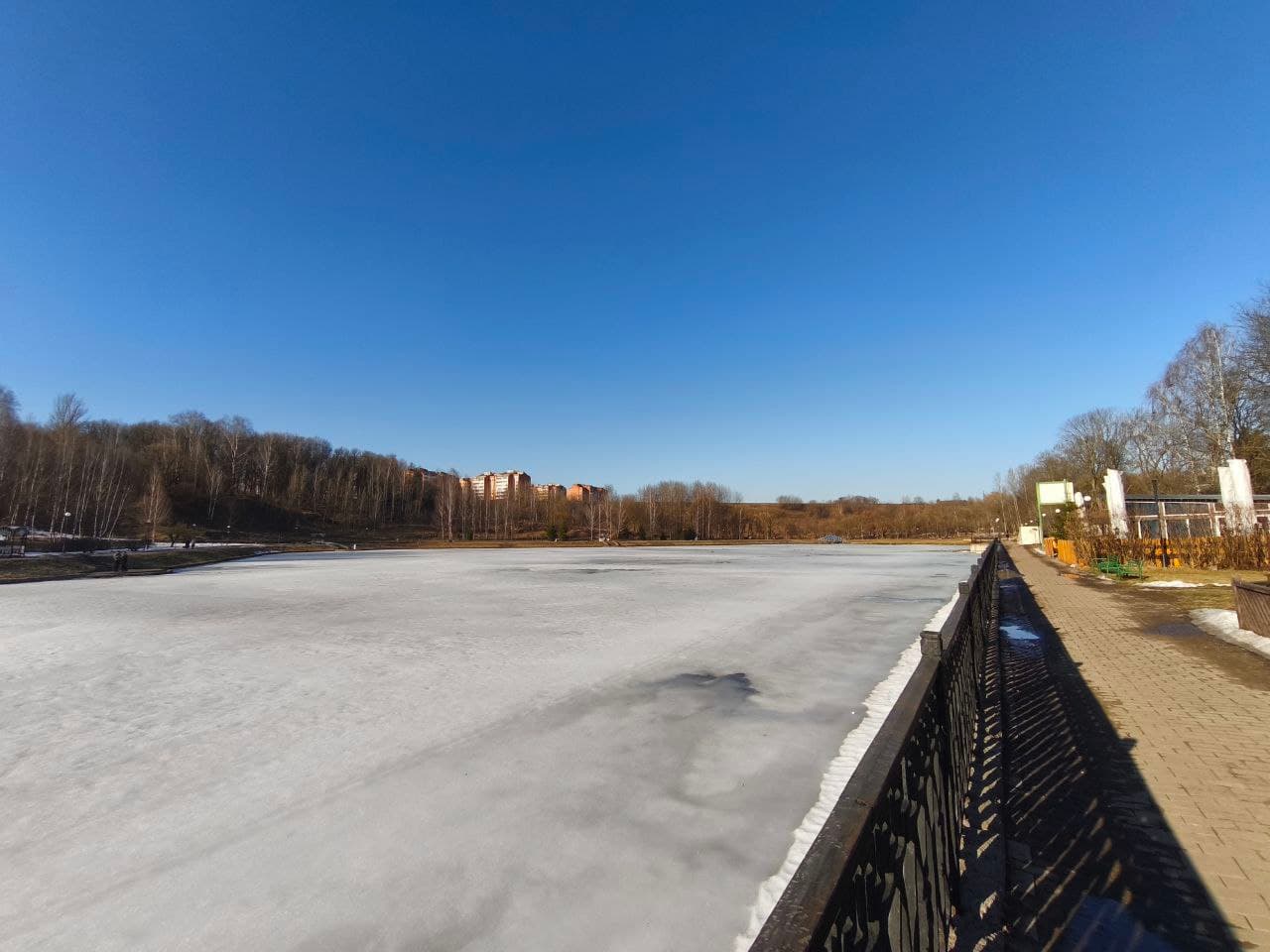
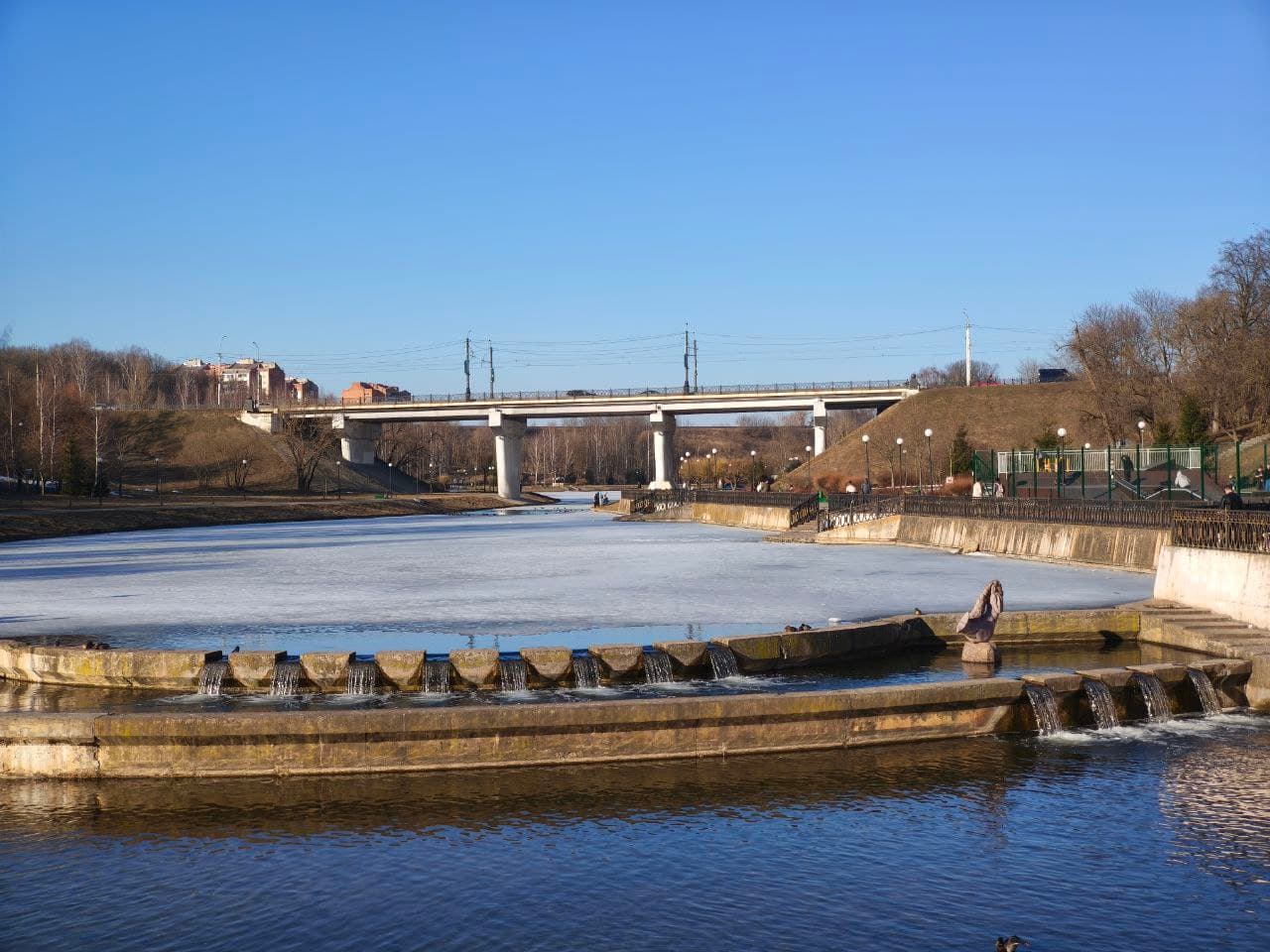
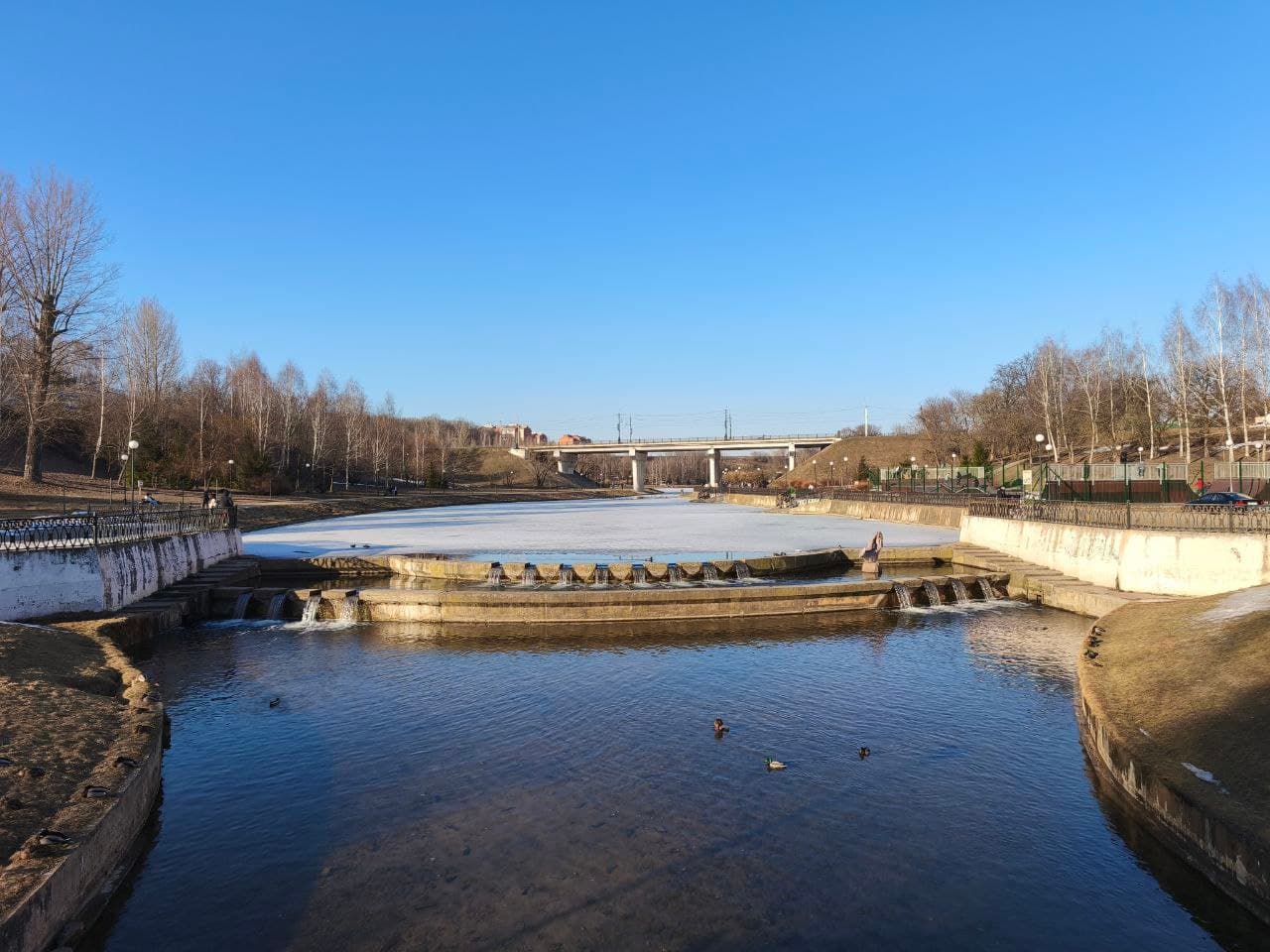
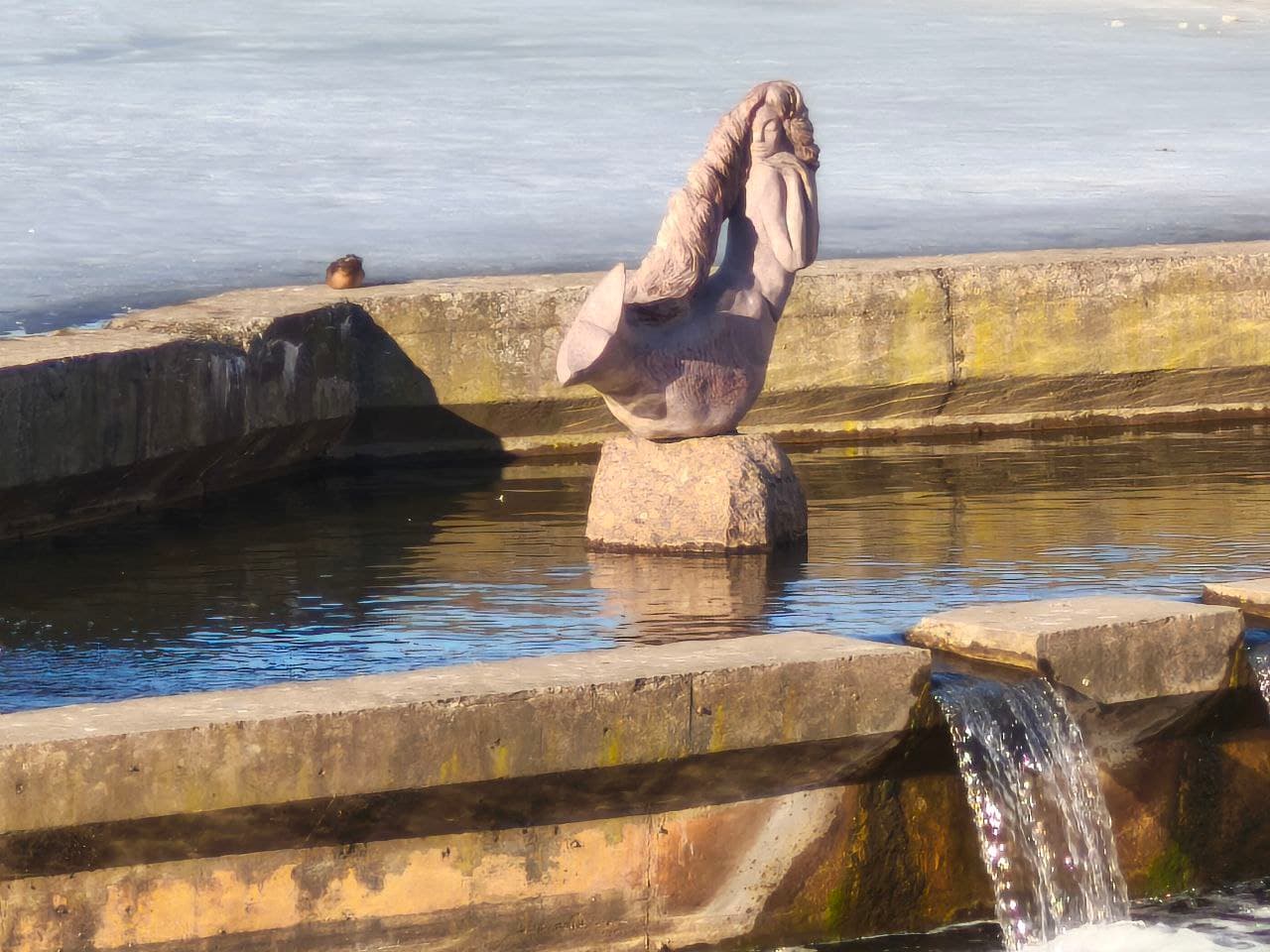
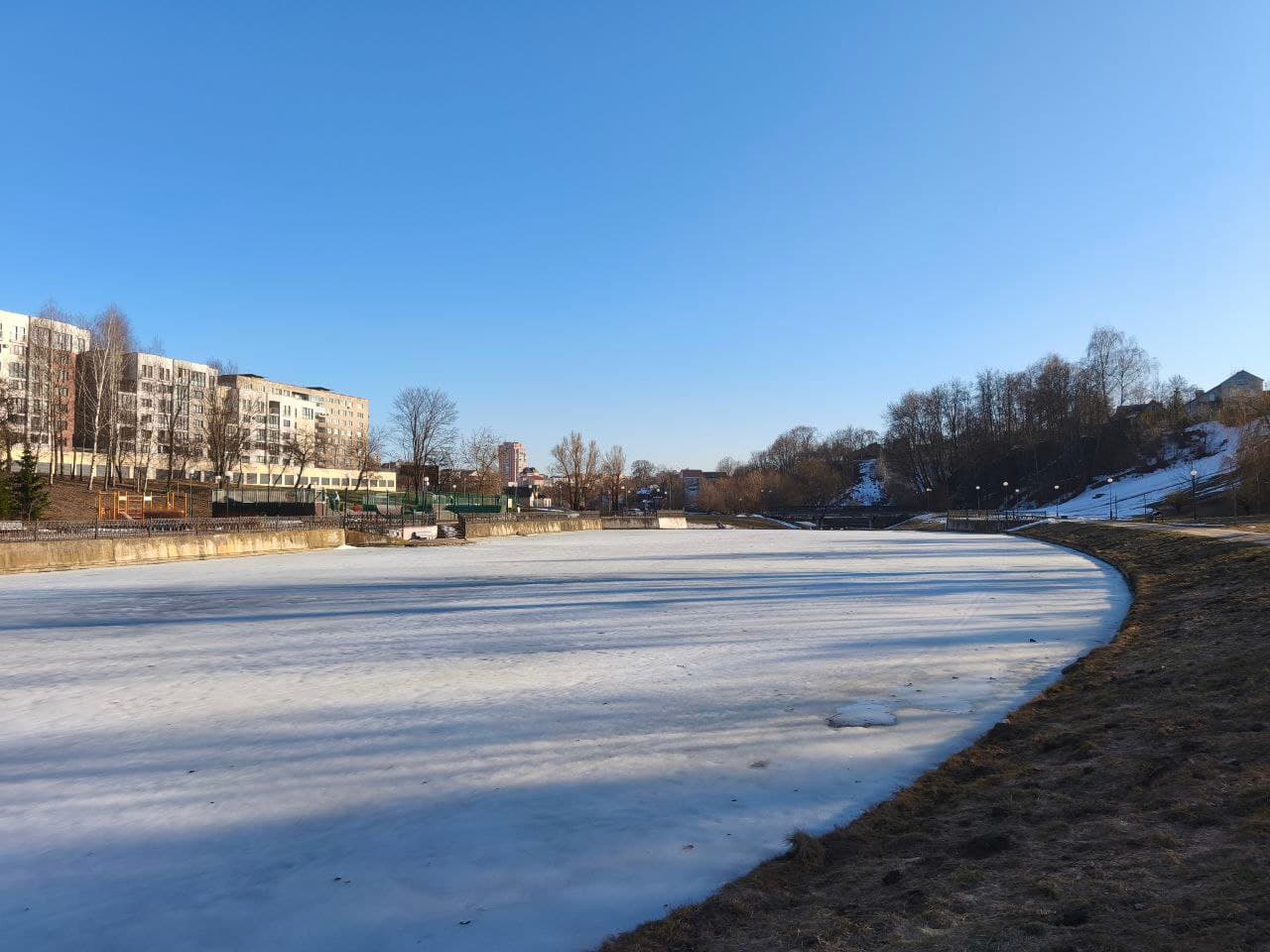
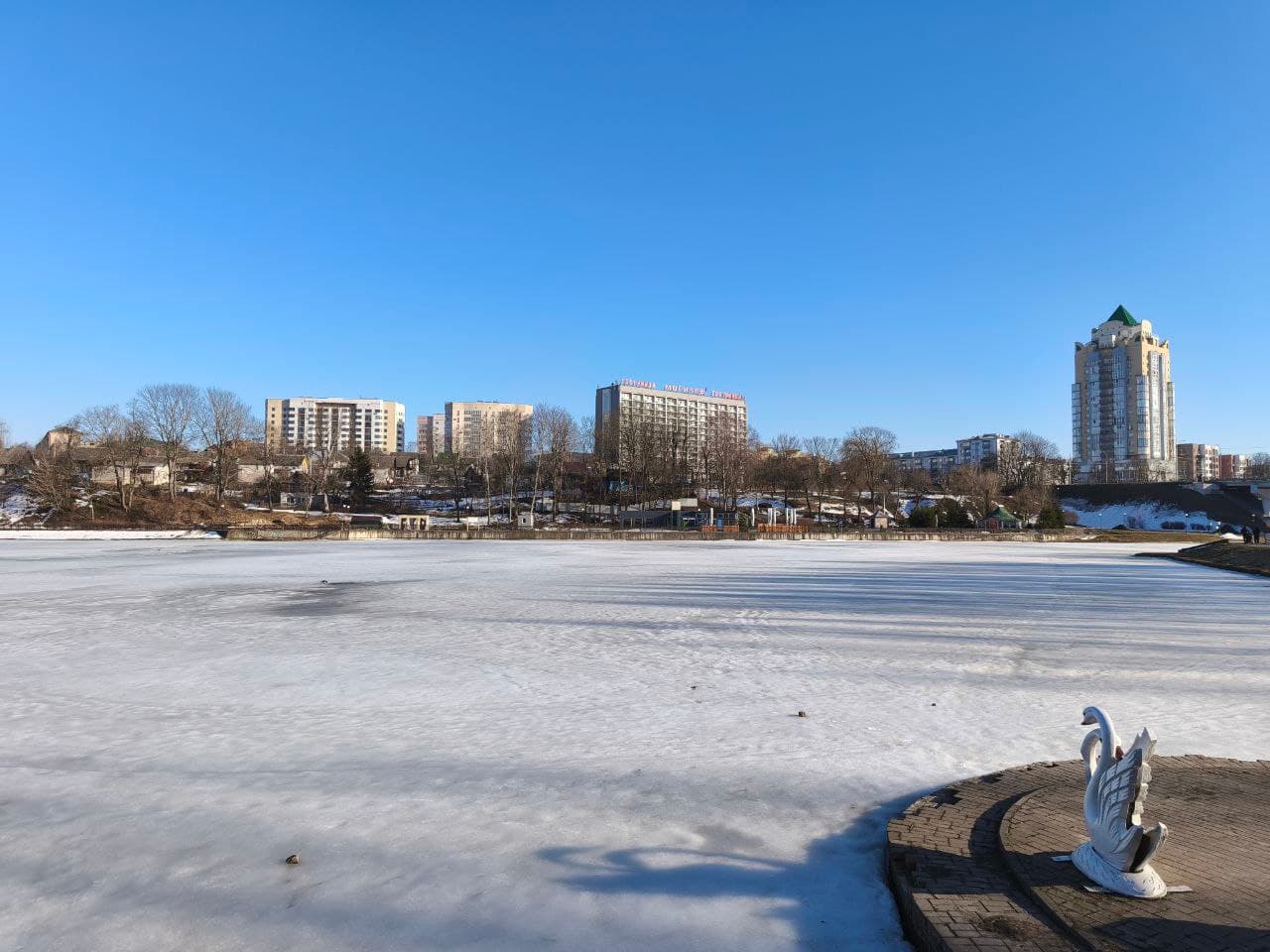
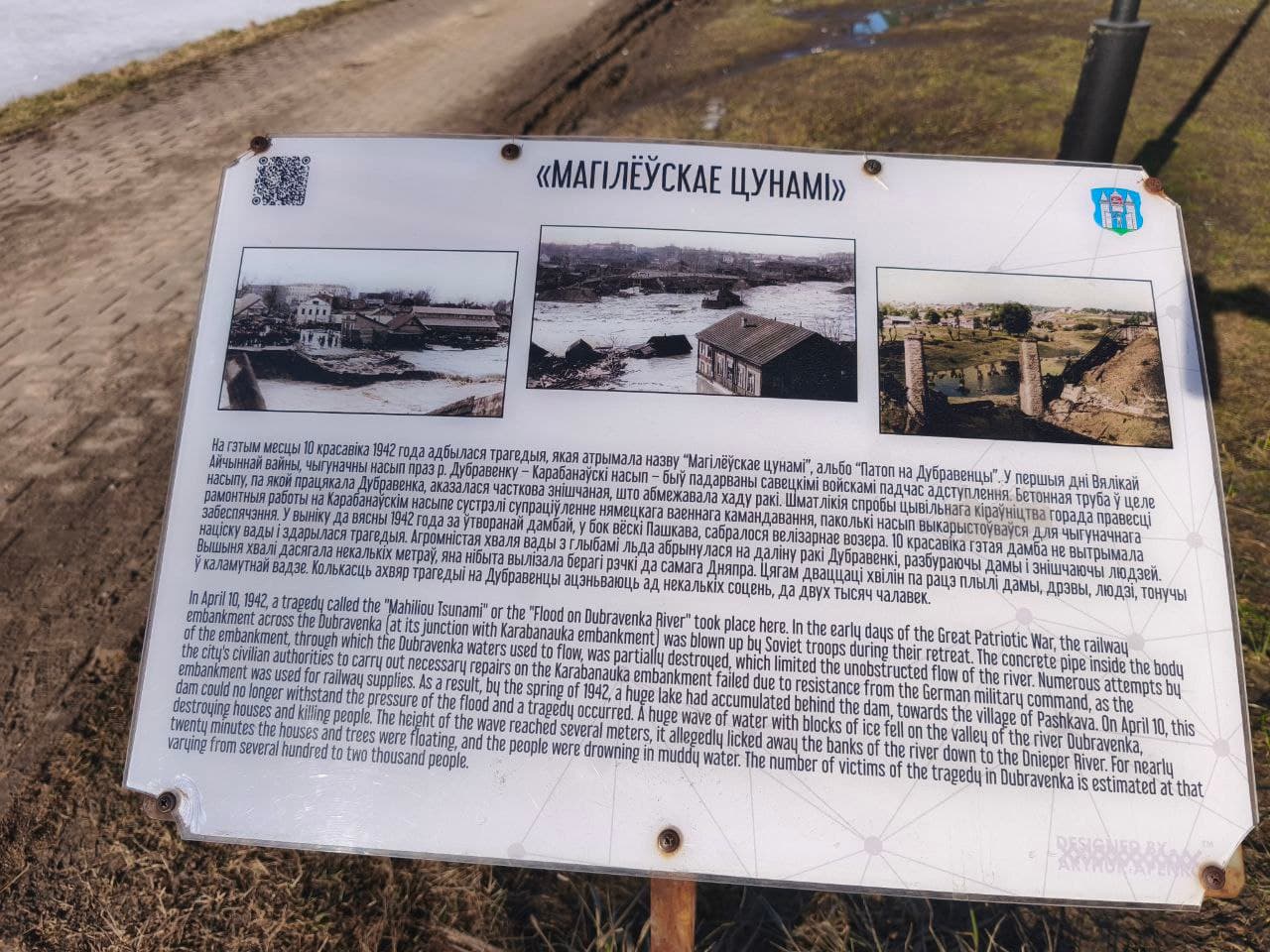
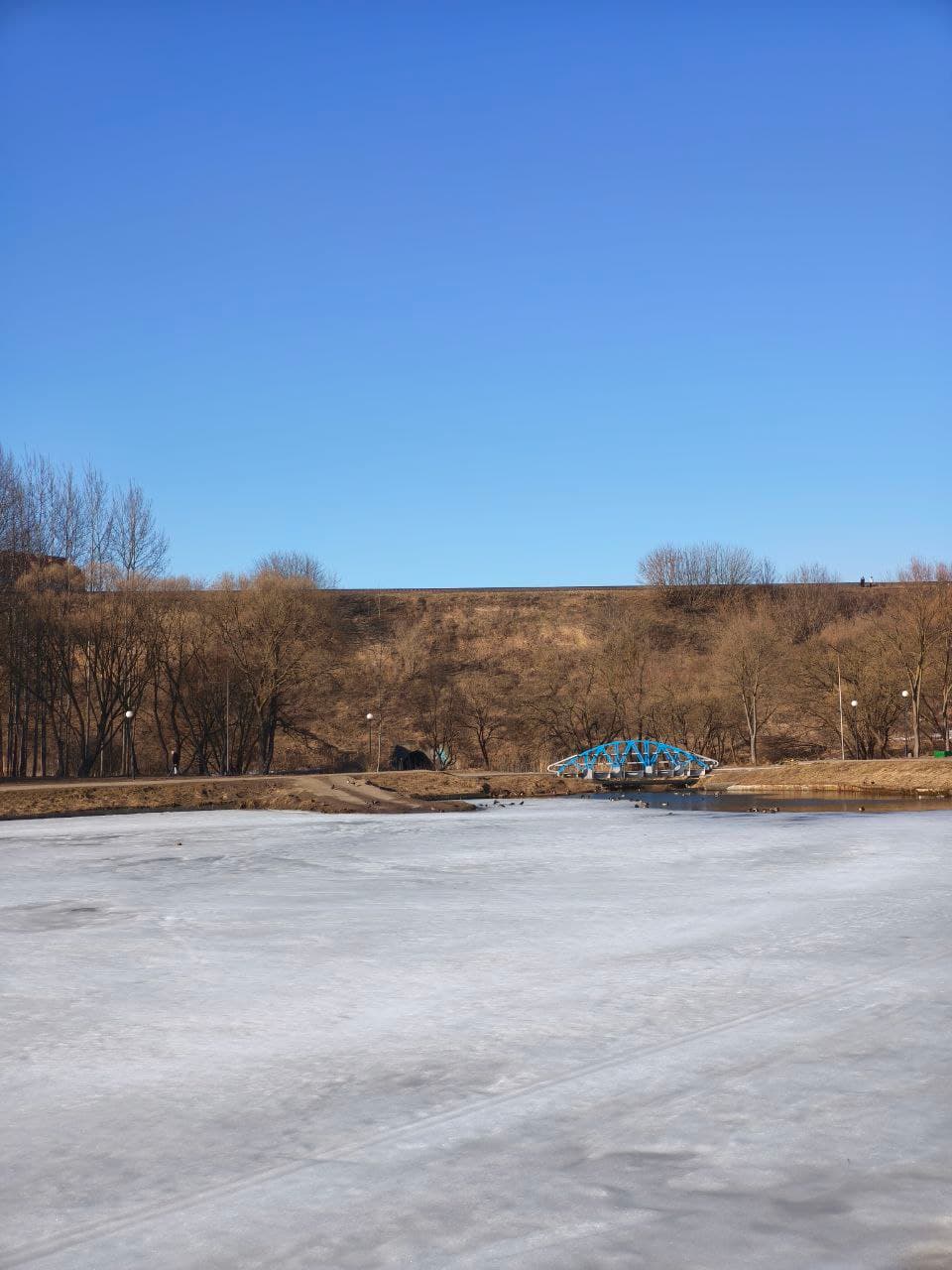
The Dubrovenka River in Mogilev preserves two opposite realities. On April 10, 1942, a tragedy occurred here, which is called the "Mogilev tsunami": due to the breakthrough of the railway embankment, a 15-meter wave washed away the Bykhovsky market and hundreds of houses, killing up to three thousand people. For many years, this was kept quiet, and a memorial sign has not yet been erected to the victims. Today, Dubrovenka is a modern urban space with a fountain, an extreme park and cozy bridges. Only the water remembers that this quiet corner once became a mass grave.
Categories

Historical

Hydrological

Outdoor activity

With children
Comments
Reviews to the Place
1Ольга Ерёменко
15.03.2026
The killer River and the recreation area: the tragedy and rebirth of Mogilev Dubrovenka
Today, this quiet place in the city center is difficult to recognize. Mothers with strollers walk along the manicured embankments, runners pace the pedestrian bridges, and in the evenings the colorful jets of the new fountain dance to the music. But the old-timers know that the water here can not only murmur, but also kill. The Dubrovenka river, which is affectionately called the "daughter of the Dnieper" by the people, preserves the memory of the day when it turned into a monster.
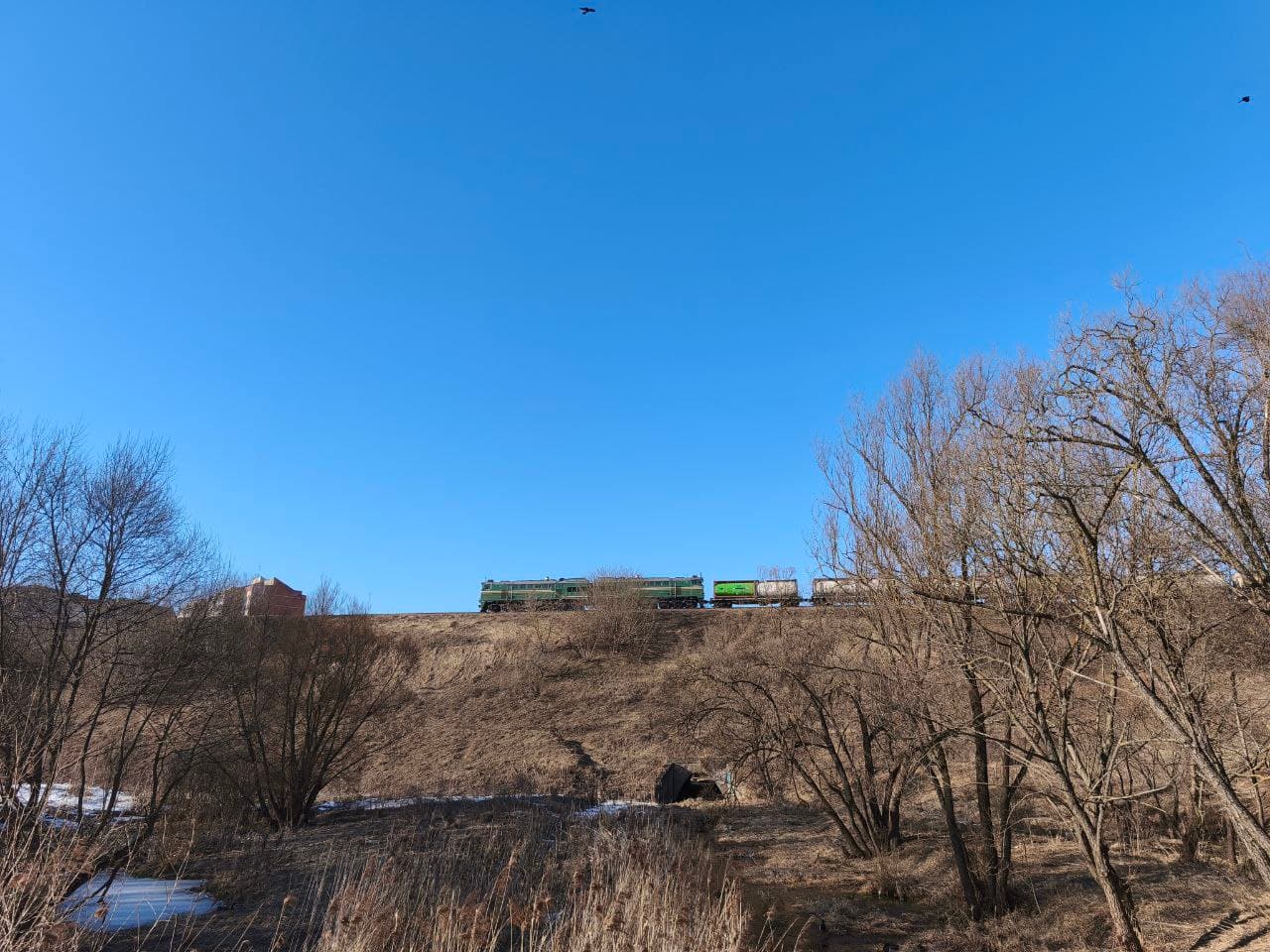
April 10, 1942. Mogilev has been living under Nazi occupation for almost a year now. This day was Friday, a market day when the Bykhovsky market in the floodplain of the river was filled with people. No one knew that the railway embankment dam hanging over the city was about to collapse. The reason lay in negligence: back in the summer of 1941, during the retreat of the Soviet troops, a concrete pipe was damaged, through which the Dubrovenka flowed under the embankment. The occupiers, while restoring the railway, did not hammer the pipe back in. The lowland turned into a huge pond, which was filled with meltwater every day.
Engineers warned the German command about the disaster, but the commandant of the railway junction forbade any work until April 1, fearing to stop train traffic. On April 10, at about two o'clock in the afternoon, a wall of water up to 8-15 meters high broke through the embankment. Eyewitnesses said there was a dull explosion, the rails hung in the air "like a cable car", and an ice avalanche swept over the city.
Everything was washed away: Bykhovsky market, dozens of houses, a stone bathhouse (where everyone who washed there died). Within 20 minutes, the floodplain turned into a wasteland. The bodies of the dead were found in the Dnieper river for two more weeks. Exactly how many people died that day is still unknown. Historians cite figures from one to three thousand people. The drowned were buried right in the courtyard of St. Nicholas Church - it was their remains that were found by builders during excavations at the end of the 20th century. Under the glass of the chapel, the bones of those who had no one to identify during the hard times of the war still rest.
In Soviet times, the tragedy was hushed up. It's not that they forgot about it, but it was inconvenient to talk about the disaster in front of the Germans. It was only in the 2000s that the public began to sound the alarm. Teachers and students of the Belarusian-Russian University collected signatures under the letter with a request to install a memorial sign. In 2007, they came to the shore for the first time to honor the memory of the victims. But there is still no memorial plaque on Dubrovenka. There is nothing to remind young Mogilev residents who are now skateboarding in the extreme park that there was once a mass grave here, except for an inconspicuous plaque.
Today, the river is experiencing a real renaissance. In 2024-2025, the city undertook landscaping on a large scale. First, the riverbed was completely cleared: 16 tons of silt and debris were lifted from the bottom so that the water could breathe again. Then the piles were screwed on and they plan to build a fountain, which the local authorities are already comparing to the famous fountain in Dubai. It will consist of several contours that will "dance" and glow in different colors.
Eleven pedestrian bridges across the Dubrovenka River will soon become a work of art. Students of the architectural college won a competition for their reconstruction. They suggest decorating bridges with Belarusian ornaments, fairy-tale plots and using eco-friendly materials. One of the projects is called "The Flow of fairy tales and legends". Its author was inspired by history: there is a belief that if you look into the water of Dubrovenka for a long time, you can see the reflection of a ghost town.
This year, new benches, bike paths, and cafes have appeared on the embankment. Young people have chosen the extreme park, and pensioners feed the ducks, who now live here all year round. Beavers and swans also lived in clean water. Life goes on as usual.
But even now, looking at this cozy corner, it is worth remembering what happened here 83 years ago. Historians are still arguing why there is still not even a modest stone at the site of the deaths of thousands of people. Perhaps the complex interpretation of events is to blame: on the one hand, the war and the occupiers, on the other, negligence and a combination of circumstances. Or maybe people are just used to not noticing the pain under their feet.
And the river is flowing. It is no longer the same as in 1942, but cleared, framed in granite, with fountains and lighting. But somewhere deep in the sediments, the memory of that terrible April day when little Dubrovenka became a big grave is still splashing.