
Mogilev. The "Gray" house.
Landmark
Mogilev, Chelyuskintsev St., 54
Description
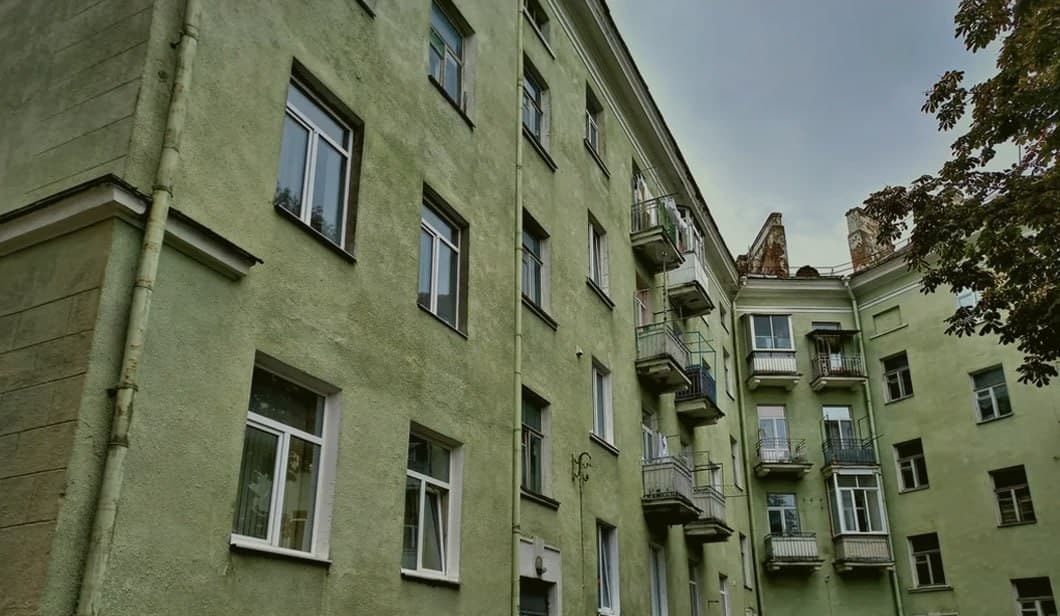
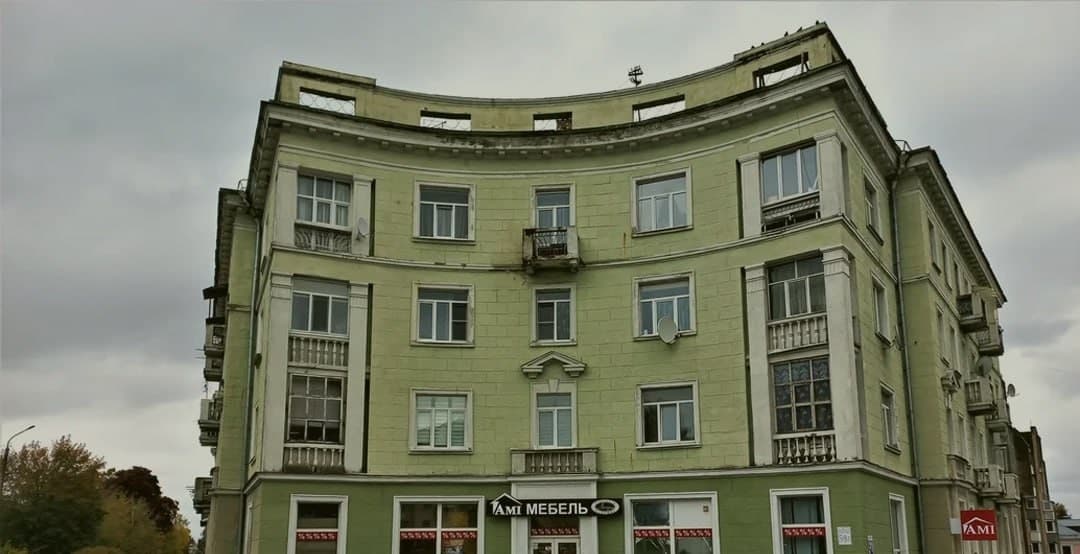
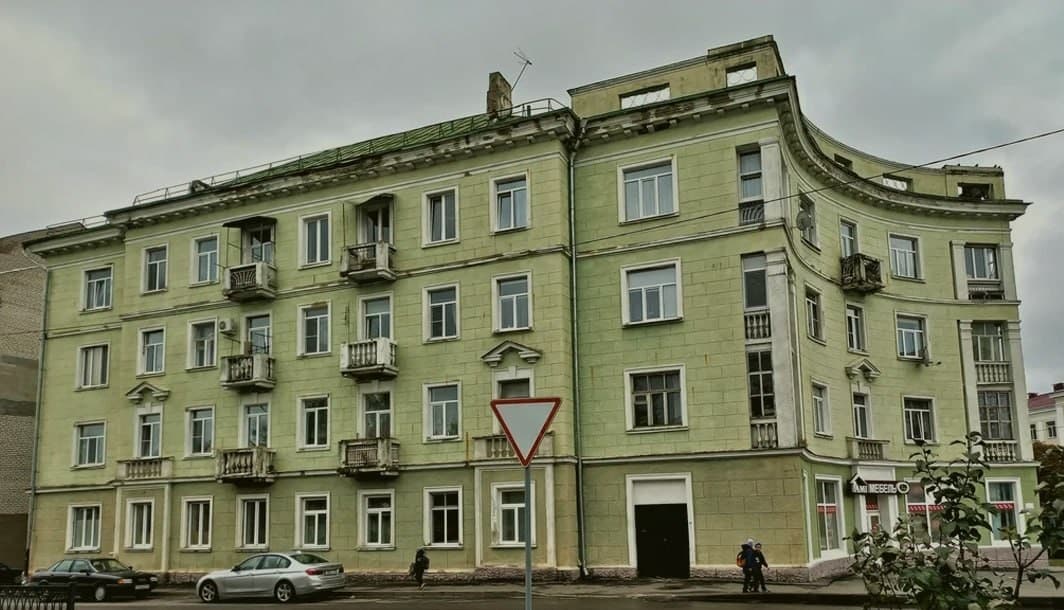
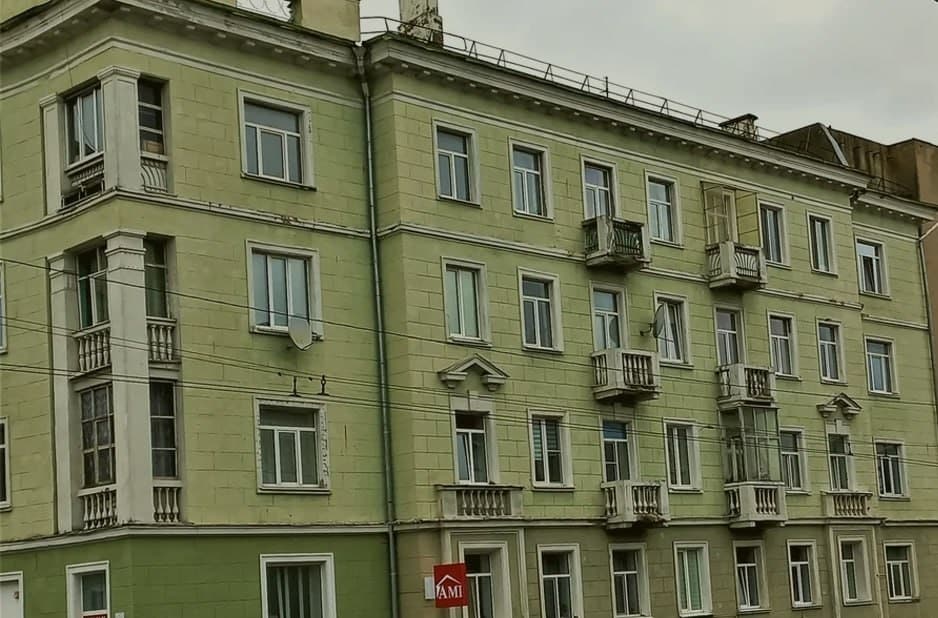
In Mogilev, at the intersection of Chelyuskintsev and Menzhinsky streets, there is a house with a double destiny. Built in the 1930s, it was a model of solidity and was long remembered by the townspeople for its ashen facade. Later it was painted pistachio, but the name remained the same - the Gray House. Even the local deli was called "Gray" until it moved in.
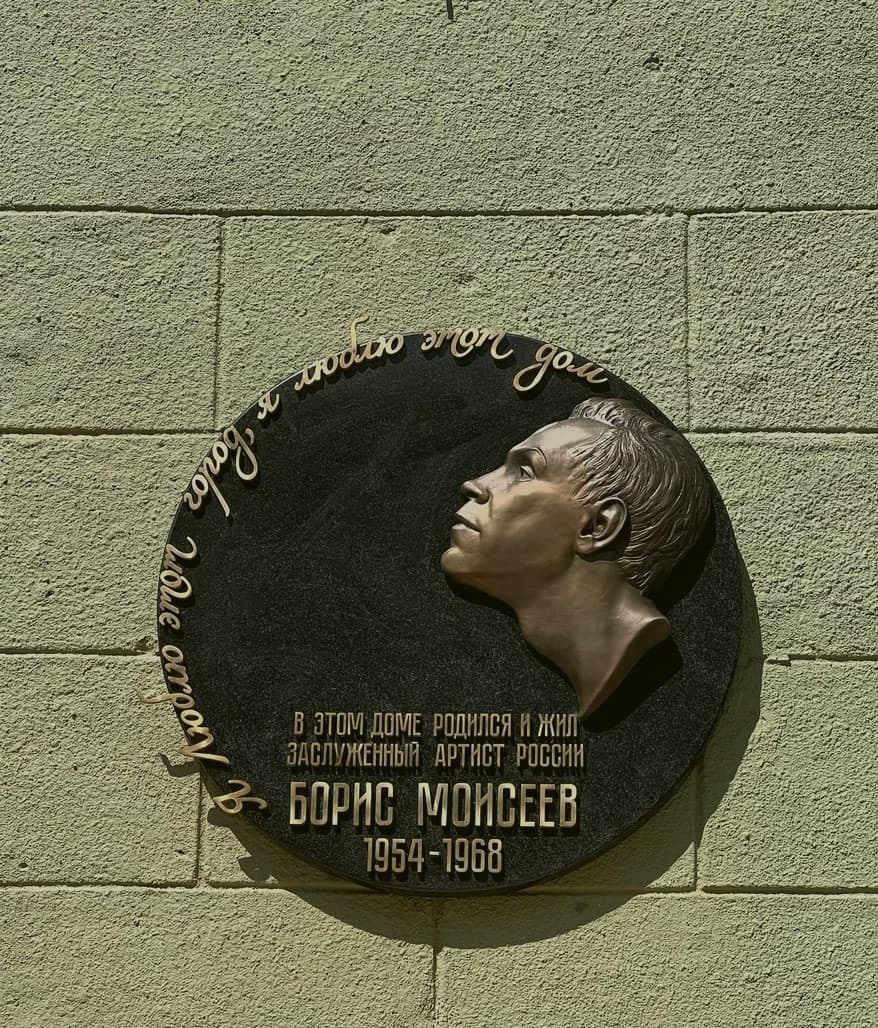
But the main thing is Boris Moiseev's house. His childhood was spent here from 1954 to 1968, and across the street was school No. 10, where he went every day. In memory of this, a plaque with a portrait of the artist and his touching words was installed on the facade: "I love this city, I love this house".
Today, the building is included in the unofficial list of urban landmarks. It reminds us that the national memory clings not to the color of the walls, but to the stories and people who made the place truly alive.
Categories

Historical

Architectural monument
Comments
Reviews to the Place
1Ольга Ерёменко
19.07.2026
The Gray House: the legend of Mogilev.
There are few buildings in Mogilev that everyone knows. Not just an address, but a name. The "Gray house" is one of these phenomena. It is located at the intersection of Chelyuskintsev and Menzhinsky streets and has remained for almost a century not just a residential point on the map, but a full-fledged urban character.
It was built in the 1930s. It was a bold and expensive project for that time: a solid height, thoughtful layout, expressive facade, which immediately distinguished the building from the low-rise buildings of that time. The house was conceived as a model home for the Soviet elite - industrial workers, party employees, and engineers. The apartments here were more spacious than usual, with high ceilings and wide flights of stairs. In short, the house was not just a building, but a status.
But the main thing that made him a legend is the color. For decades, the facade has remained staunchly gray. Not dull, but noble graphite, restrained, monolithic. In rainy weather it merged with the sky, in sunny weather it shone with a cold metallic sheen. This color has become such an integral part of the building's appearance that the townspeople have stopped calling it by its number or street. A simple and accurate nickname was born - the Gray House. It has survived decades, passed from parents to children, and has become entrenched in urban folklore.
And then there was an unexpected metamorphosis. During one of the late renovations, the house was unexpectedly painted in bright pistachio tones. The decision was clearly bureaucratic - to refresh, modernize, add colors. However, the result was the opposite: the townspeople perceived this as a break with tradition. Mockingly, but with respect, Mogilev residents continued to call the building Gray. "How gray is it? - you may ask. "It's green". But in urban toponymy, logic always gives way to memory. Today it's pistachio, but for everyone it's Gray.
Interestingly, the name migrated to the internal deli that operated in the building. The customers said, "I'll go to Gray," and everyone understood what they were talking about. Later, the store moved out, but the residue remained - another proof that the name works stronger than the sign.
The "Gray house" is part of a large Mogilev tradition of unofficial names. There are "Kurskaya Duga", "Red house", "Dunka club", and "Magadanovsky house" in the city. These are not just landmarks, but layers of national cartography, where behind each name there is a story, a curiosity or a personality. The gray house in this row stands alone - it does not have a gloomy or anecdotal aura, it is rather intelligent, even a little melancholic.
It was here in 1954 that another chapter began - the childhood of Boris Moiseev. The future king of the variety show, a world-renowned artist, lived in this house until 1968. A simple boy's life: school No. 10 right across the street (it is clearly visible in archival photographs), the courtyard, the stairs, which he ran hundreds of times. Within these walls, he did his homework, listened to records, dreamed, and perhaps for the first time got a taste for the stage - who knows, maybe the echo of those years can still be heard in the wide corridors.
Later, when he was already famous, Moiseev returned to this address more than once in an interview. For him, the Gray House was not just a point on the map, but a fulcrum. In the 2010s, a plaque with his portrait and a phrase that has become almost a quote was installed on the facade: "I love this city, I love this house". It does not hang in front, but in chambers - as a personal confession addressed not to the crowd, but to passersby and neighbors.
Today, the Gray House is a place of strength for those who remember, and an opening for those who are looking for non-banal routes around Mogilev. To approach it, to read the board, to notice the play of old architecture in a new color means to touch a city that has not only geography, but also a voice. And even though the facade is green now, it's still gray inside, because the color is determined not by paints, but by time and names.