
Minsk. The building of the state wine warehouse.
Landmark
Minsk, Oktyabrskaya St., 15
Description
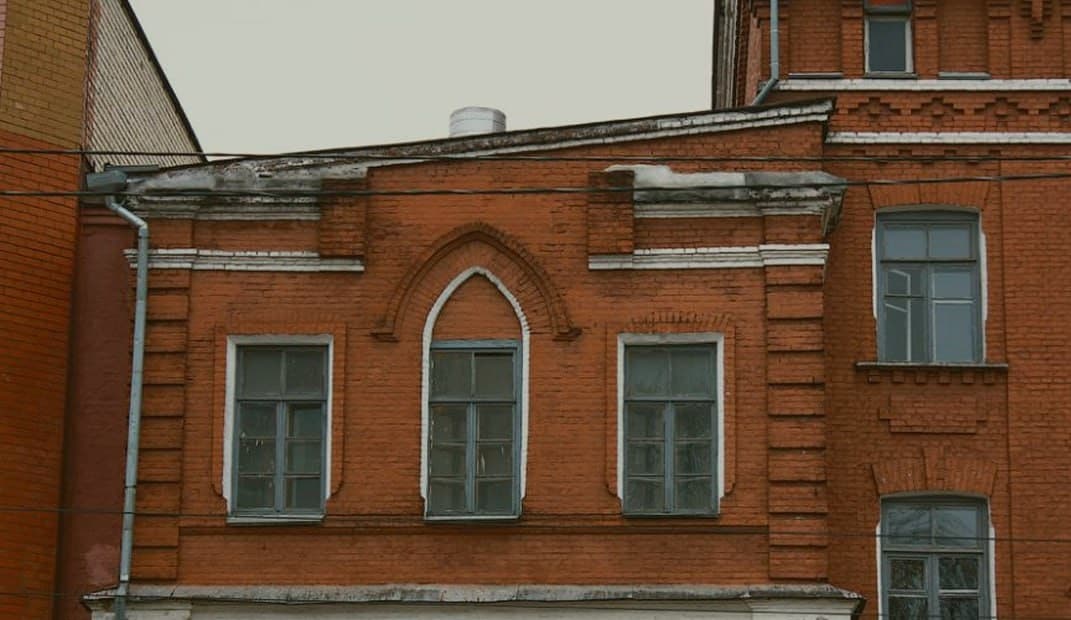
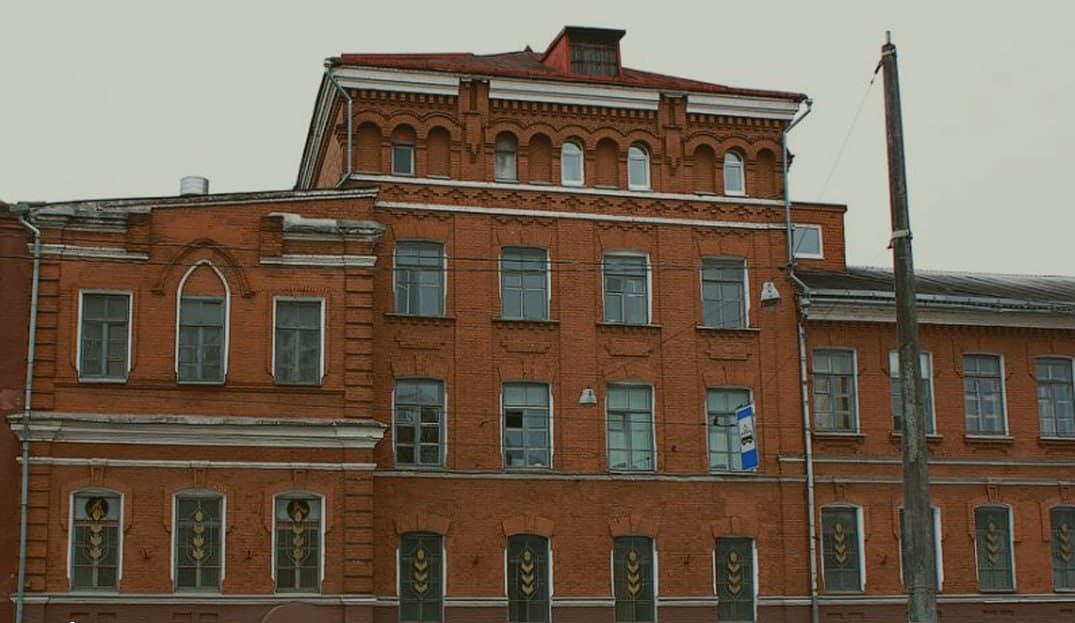
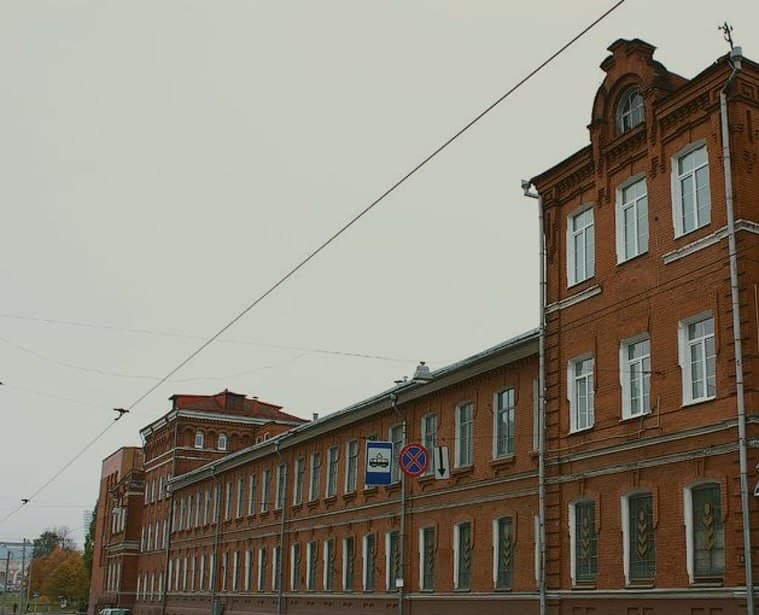
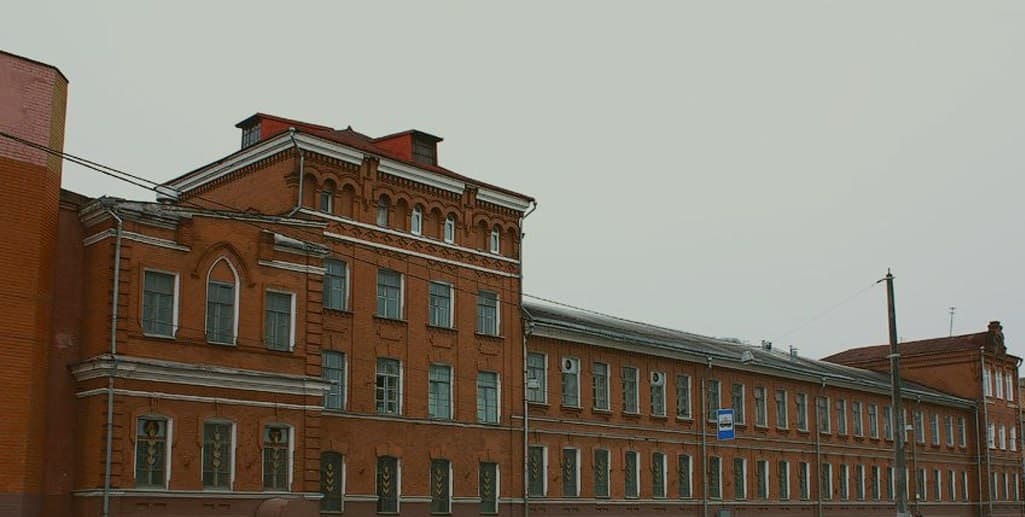
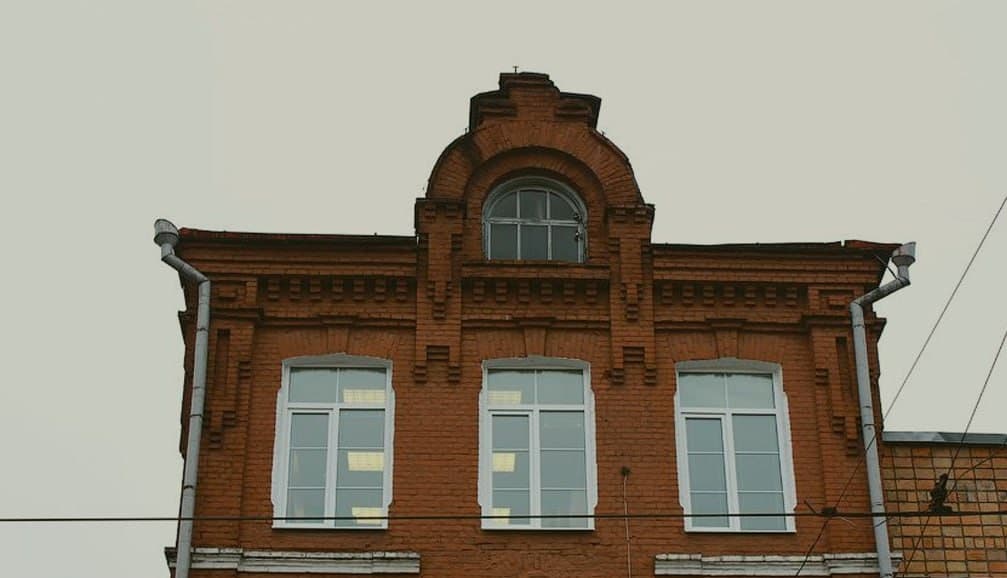
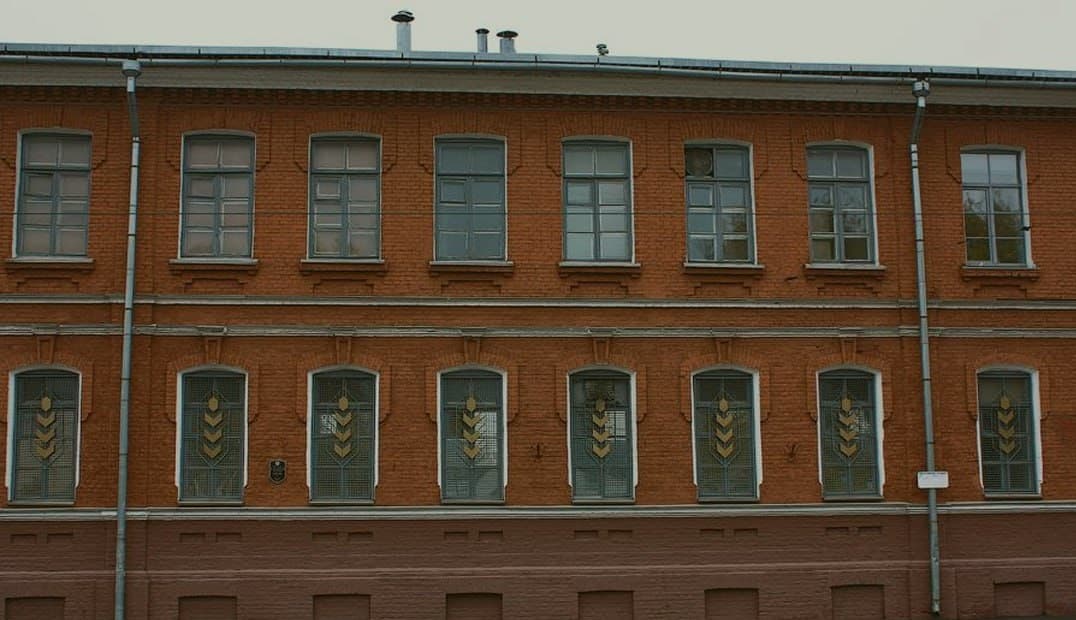
This beautiful building at 15 Oktyabrskaya Street is part of the legendary Rakovshchikov brothers factory. At the beginning of the 20th century, their "Purified" vodka conquered Rome and landed on the table of the imperial court! And the building itself is an architectural monument with towers and arches in the Art Nouveau style.
After the revolution, alcohol was made here, and in 1964 the factory became the legendary "Kristall" (Crystal). The production is still in operation, and the old walls remember the taste of real quality. Be sure to take a look at this brick tower when you are in Minsk!
Categories

Historical

Architectural monument
Comments
Reviews to the Place
1Ольга Ерёменко
18.03.2026
Minsk "Kristall" (Crystal): from the supplier of the imperial court to the main winemaker of the country
In the very heart of Minsk, on Oktyabrskaya Street, 15, there is a building that has seen the change of eras, wars and state structures. Today it is known as part of the legendary "Minsk Kristall" plant, but few people passing by its massive brick walls think that in front of it is a real monument of industrial architecture and a witness to the triumph of pre-revolutionary Belarusian business. It is a former state-owned wine warehouse, inextricably linked with the Rakovshchikov brothers empire.
The Rakovshchikov Empire: vodka that conquered Rome.
The history of this place began in 1893, when the brothers Samuel and Fayvish Rakovshchikov founded a factory here. Initially, alcohol and yeast were produced, but very soon a bet on the highest quality turned a small production into an industry leader. Products with the brand "Br. Rakovshchik" was so impeccable that prestigious awards were showered, and in 1911 the plant received worldwide recognition at an exhibition in Rome.
The crowning commercial success was the title of "Supplier to His Imperial Majesty's Court". Minsk residents of those years idolized "Purified" vodka - they said that it could compete with diamonds in terms of transparency. It was for the storage of these products that the very state-owned warehouse that we can see today was built.
Architecture with a "dry law" and towers.
The warehouse building, built at the turn of the 19th–20th centuries, stands out even among the rich architectural heritage of Minsk. This is not just a utilitarian industrial building, but a real palace for drinks. Its asymmetrical facade immediately catches the eye: the corner part is made in the form of a powerful tower with a four-pitched hipped roof, and the opposite side is accented with a risalite imitating another tower.
The wide belt of arches, elegant decorative elements characteristic of the Art Nouveau style, and the texture of the red brick give the building its monumentality and aesthetic completeness at the same time. The architects managed to combine the fortress of the warehouse with the beauty to emphasize the status of the manufacturer. Interestingly, the heyday of production occurred at the time of the state "wine monopoly", so the warehouse was called state-owned - the state strictly controlled the quality and turnover of alcohol.
From the revolution to the "Crystal".
The 1917 revolution swept away the Rakovshchikov empire, but not the factory. In Soviet times, production not only did not die, but also multiplied. The warehouse remained a warehouse, and then a distillery was opened here. By 1937, it was already a full-fledged distillery.
In the post-war years, when Minsk was rebuilt from the ruins, production expanded. New workshops have been added to the historical building: wine and yeast. This is how the yeast-wine factory was formed. A symbolic merger took place in 1964, when the company was named "Kristall" (Crystal), in honor of the very transparency that the Rakovshchikov vodka was once famous for.
Our days.
Today, "Minsk Kristall" is the flagship of the Belarusian distillery industry. The plant's products are known far beyond the borders of the country, and the traditions of quality laid down by the Rakovshchikov brothers more than a hundred years ago are carefully preserved.
The old building of the state-owned wine warehouse is not abandoned or forgotten. It remains an active part of the enterprise and is recognized as a historical and architectural value. Today it is included in tourist routes around Minsk, reminding citizens and guests of the capital that big business and real art can combine in one bottle.