
Minsk. Museum of Urban Passenger Transport.
Museum
Minsk, Partizansky Avenue, 6, building 4
Description
The Museum of Urban Passenger Transport is not just a repository of old cars, it is a place where history comes to life.
People come here to remember their childhood, surprise children, and understand how the city we live in works.
This is an ideal space for family vacations, themed photo shoots and a real acquaintance with the engineering soul of Minsk.
Categories

With children

Paid

Historical

Exposition
Comments
Reviews to the Place
1Ольга Ерёменко
31.03.2026
Time travel: how the Minsk Transport Museum became a place of attraction for all ages
In Minsk, on Partizansky Avenue, 6, building 4 - a real treasure for the citizens and guests of the capital is hidden behind an inconspicuous entrance. The Museum of Urban Passenger Transport, the only one of its kind in Belarus, offers not just to look at old buses and trolleybuses, but to make a fascinating journey into the past, present and even the future of urban transportation.
The story is in detail.
The museum was opened to visitors in October 2018, but its history began much earlier - with the enthusiasm of the "Minsktrans" employees, who carefully collected the exhibits for many years. Today, the museum's collections number more than ten thousand objects, of which one and a half thousand are represented in the exhibition halls. Merine Petrosyan, the head of the museum, calls it a "living organism" that is constantly evolving and replenishing.
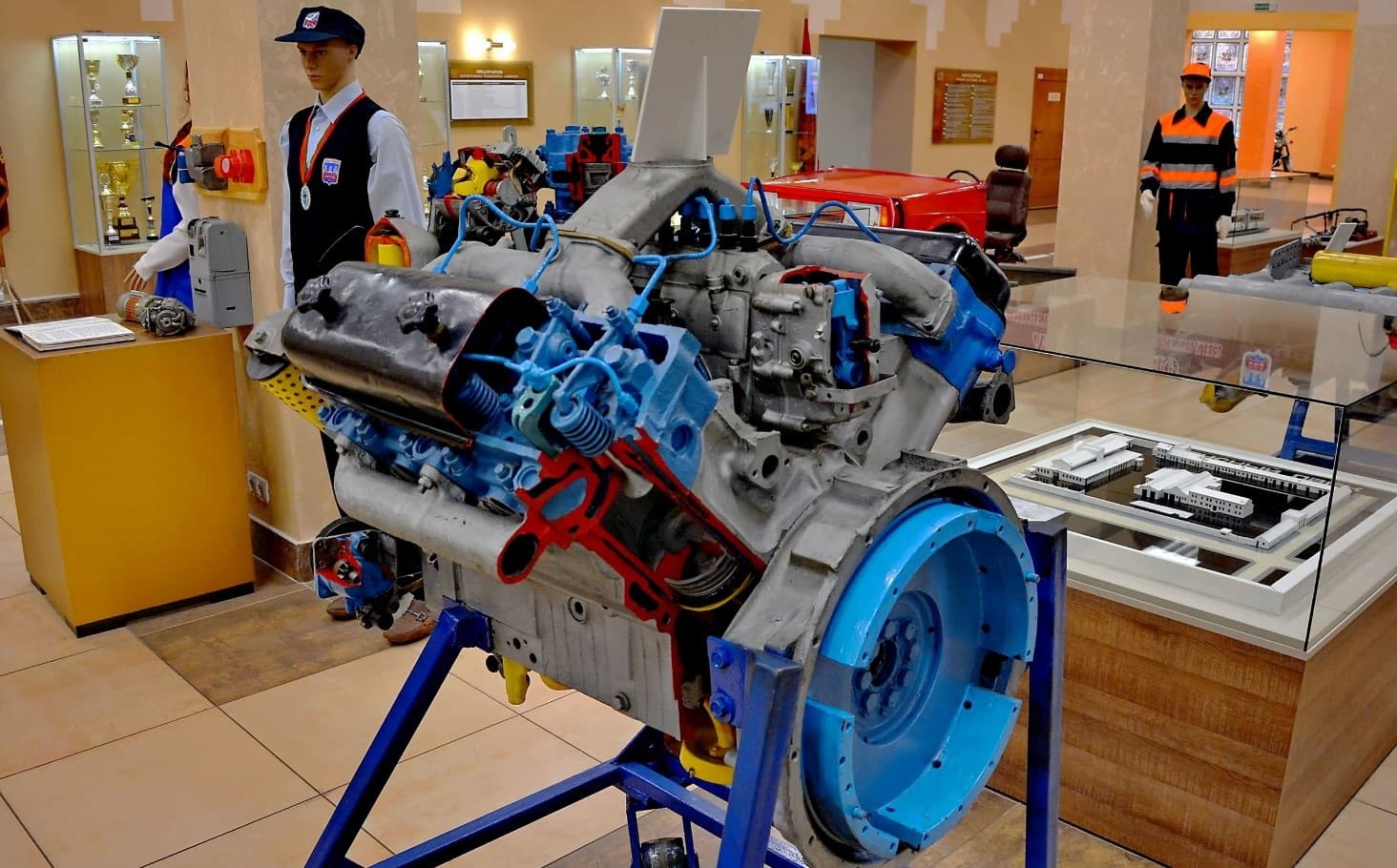
The exposition is conventionally divided into three parts: the main hall, an exhibition of two-wheeled vehicles and an outdoor area with rare machines.
From horse-drawn cars to electric buses.
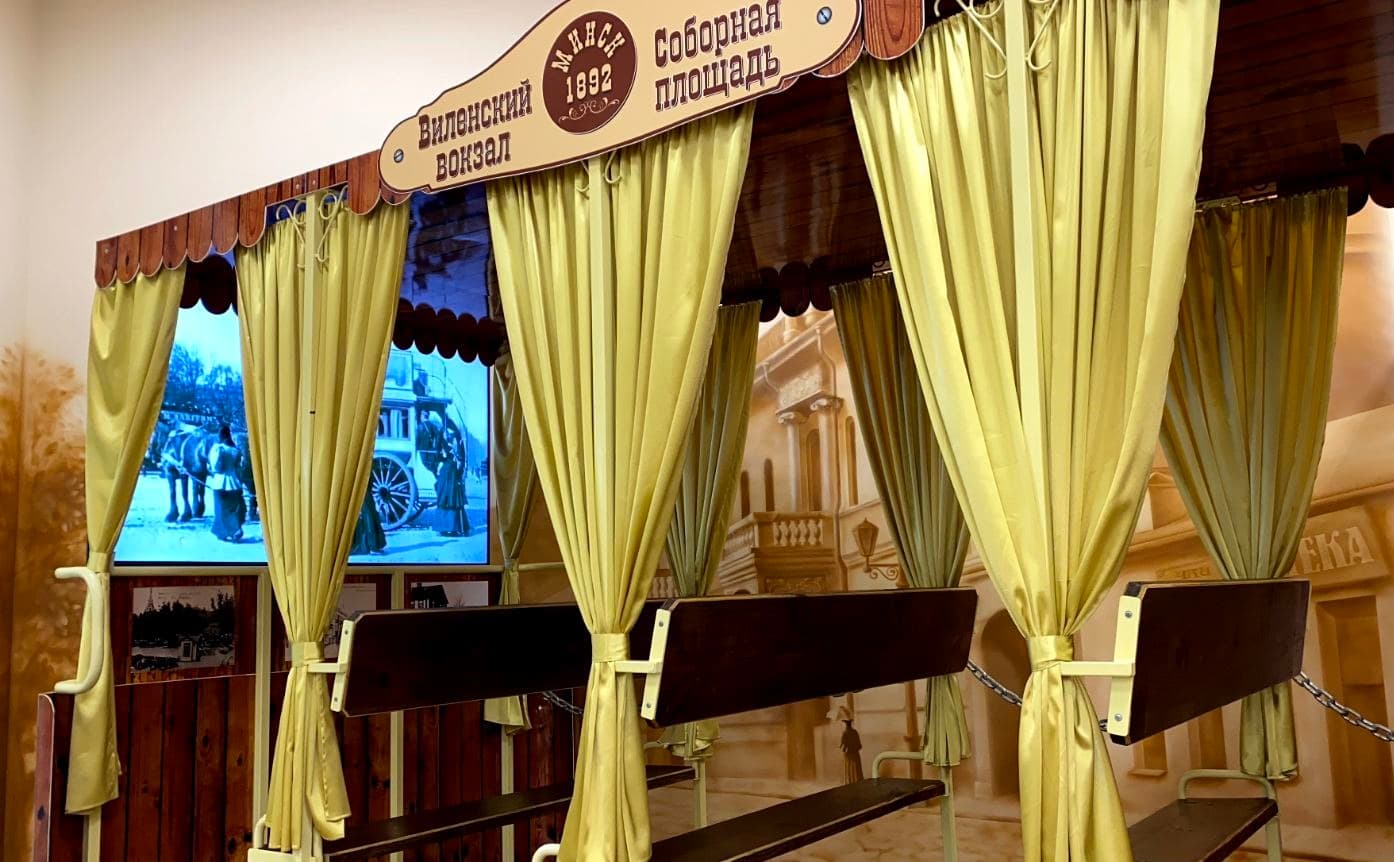
The main exhibition hall is a real time machine. The way of development of public transport in Minsk is clearly shown here. It all starts at the end of the 19th century: guests can see a recreated model of a horse-drawn carriage, the first type of rail transport that ran through the streets of the city since 1892. Under the wheels of the model lies a fragment of an authentic English rail from 1878, found during the reconstruction of the tracks.
The tour smoothly transports visitors to the 20th century: models of the first buses and trams, historical photographs and documents. One of the most valuable exhibits is the tunic of the first Minsk train driver Nikolai Borisov, who is already more than 90 years old. The interiors are complemented by the installation of the office of the director of the bus fleet of the 1960s with typewriters, an adding machine and an antique switchboard.
Interactivity is an important feature of the museum. Here you can use a multimedia information kiosk, watch a short film in a mini-cinema, and even imagine yourself as a traffic controller.
Bicycle Lane and retro motorcycles.
Of particular interest is the exhibition of two-wheeled vehicles, which the museum staff affectionately call "Bicycle Lane". There are more than 20 copies collected here: from rare bicycles of the middle of the XX century to almost modern models. Among the unique exhibits are a 1975 year of release women's bicycle "Swallow" with a safety net on the rear wheel so that long skirts do not get tangled in the spokes, and a bicycle brought from Baghdad.
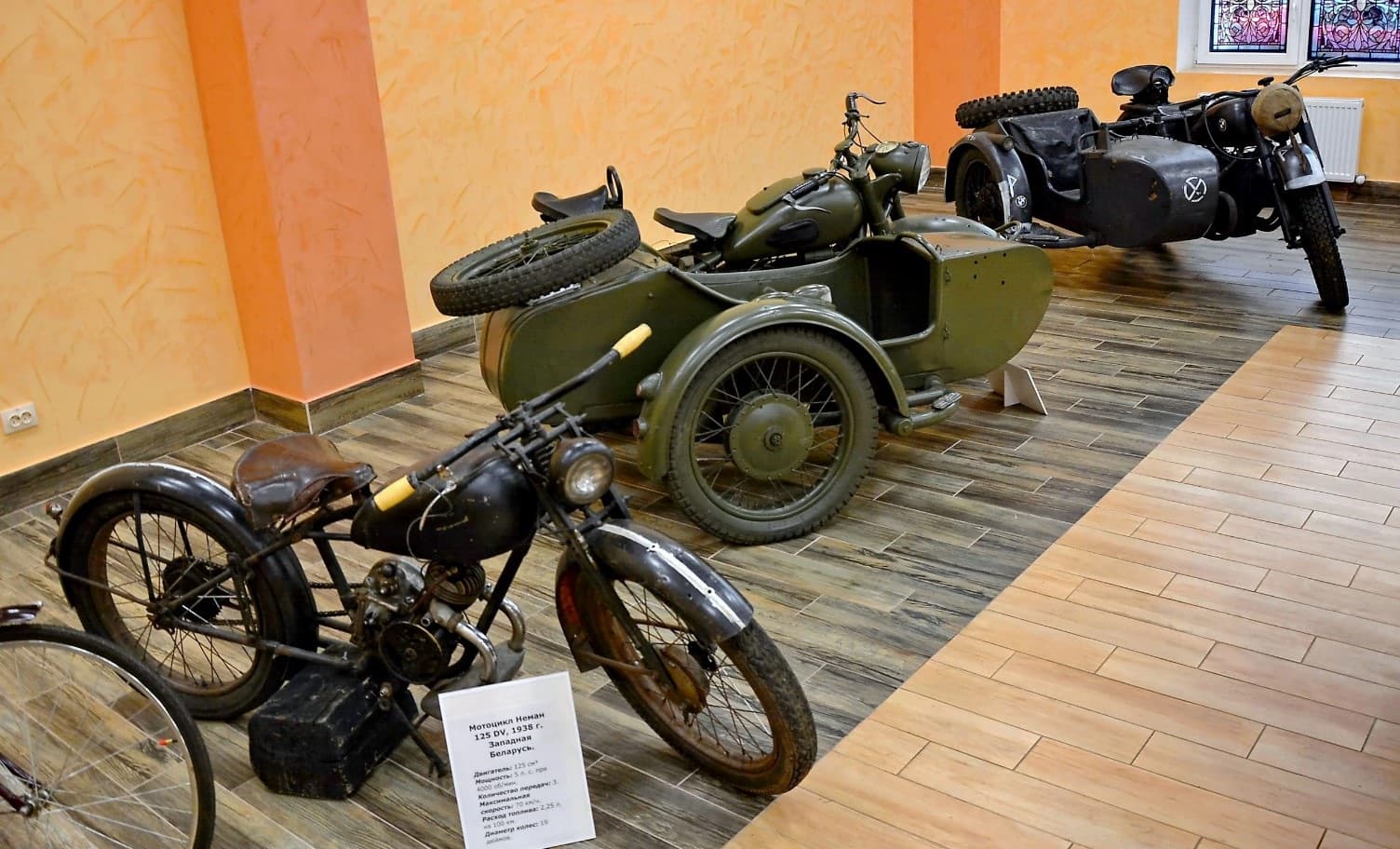
Nearby is a collection of retro motorcycles and scooters, many of which are on the move and have even been featured in historical films. The Grodno motorcycle "Neman" made in 1938 is particularly proud of it.
Main exhibit: an open-air exhibition.
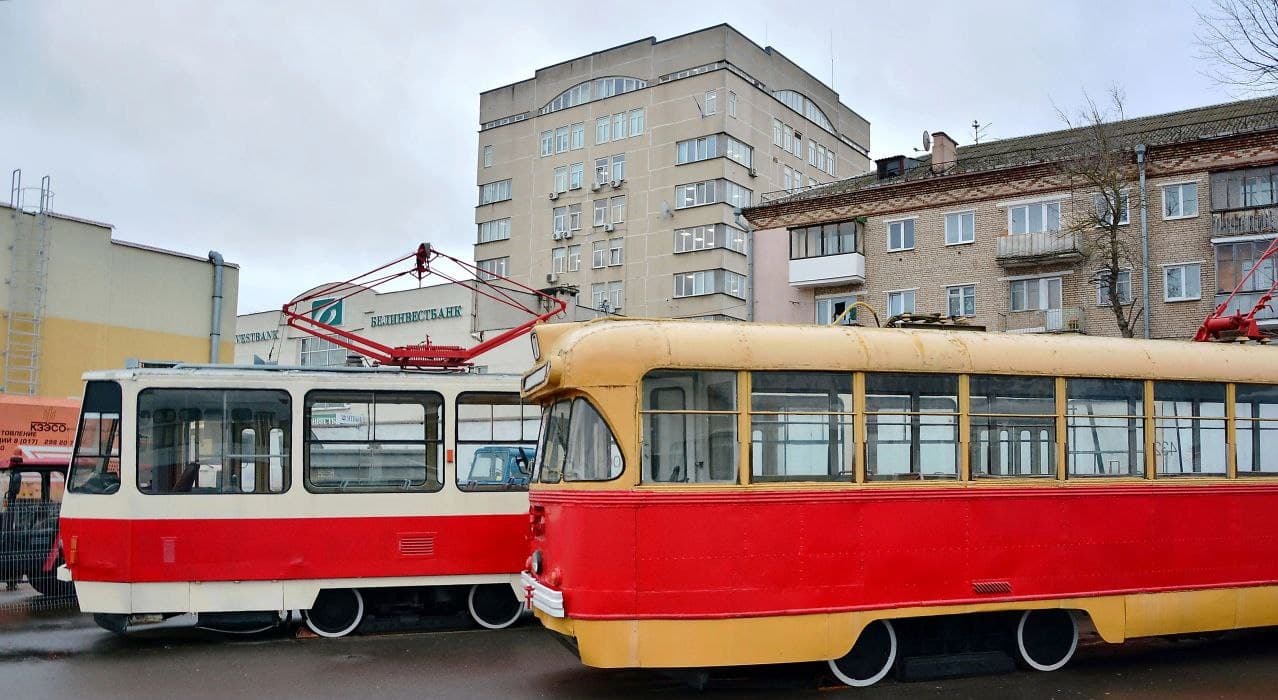
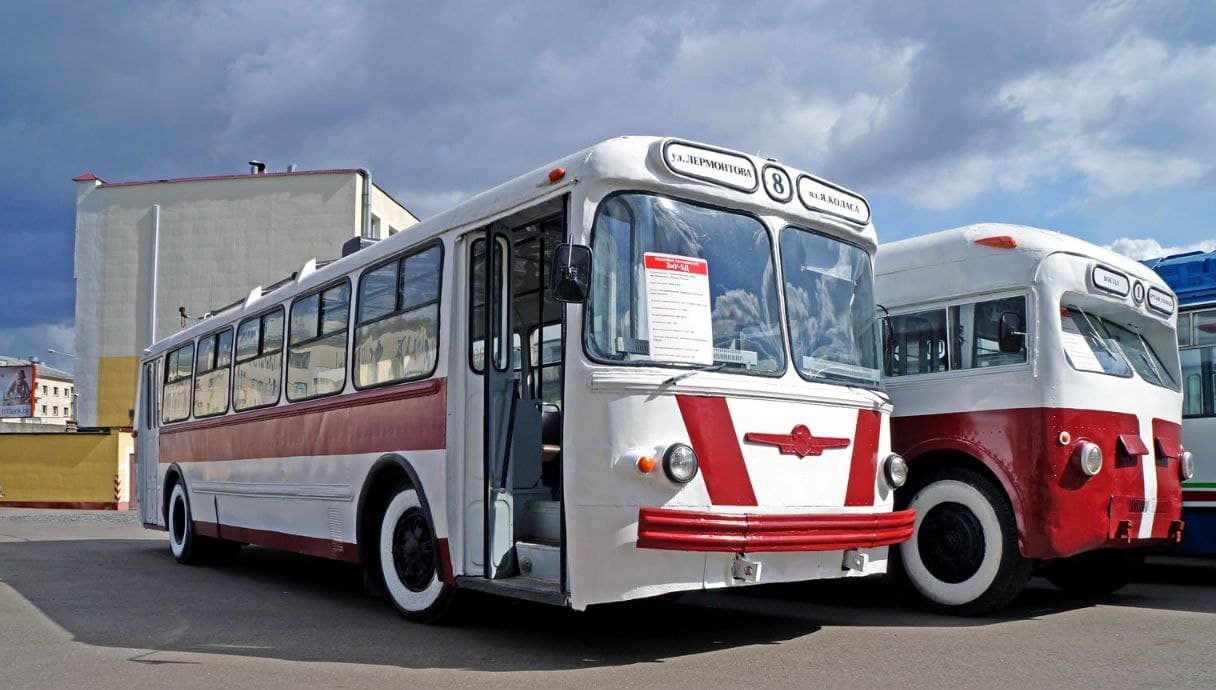
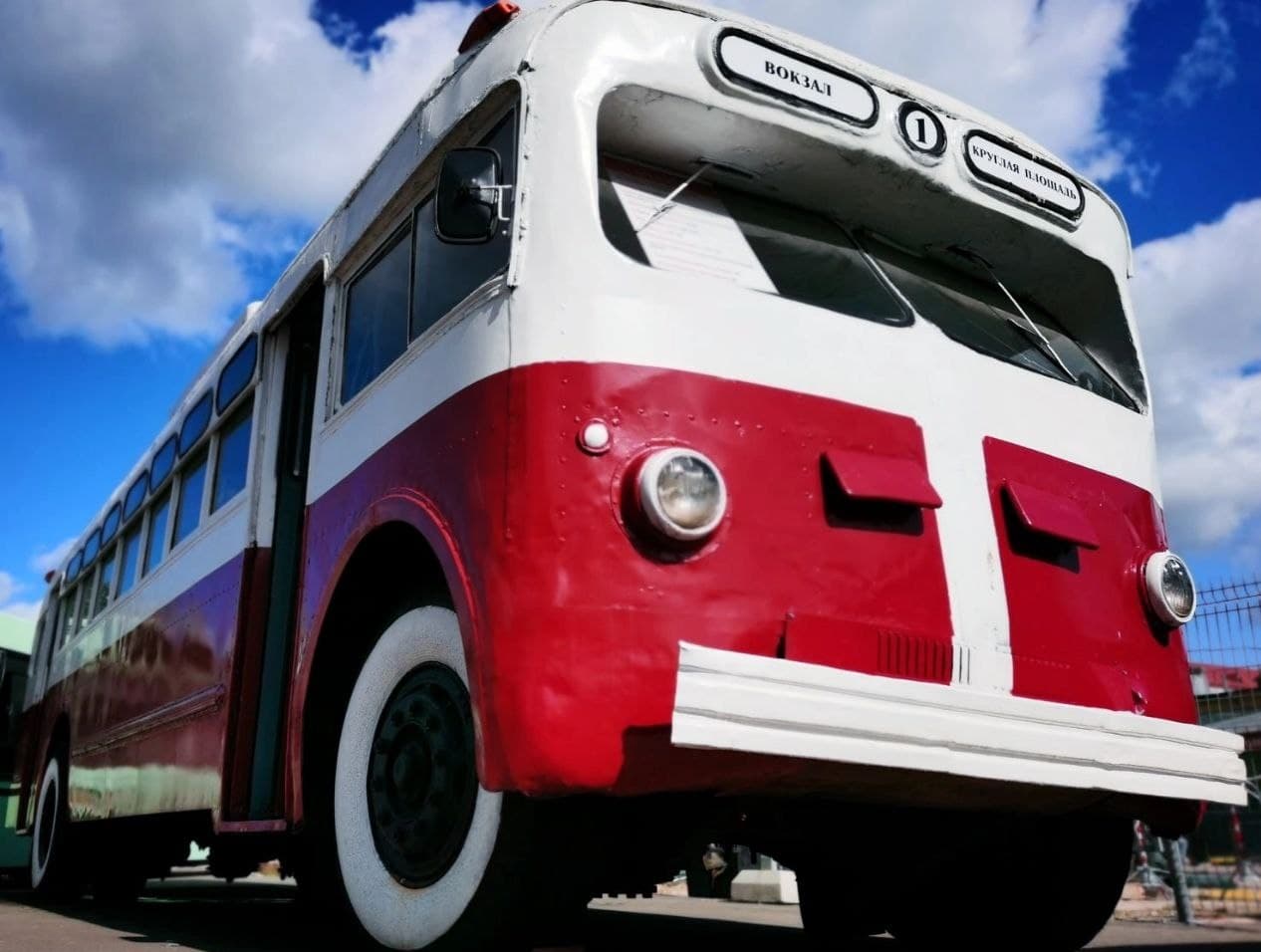
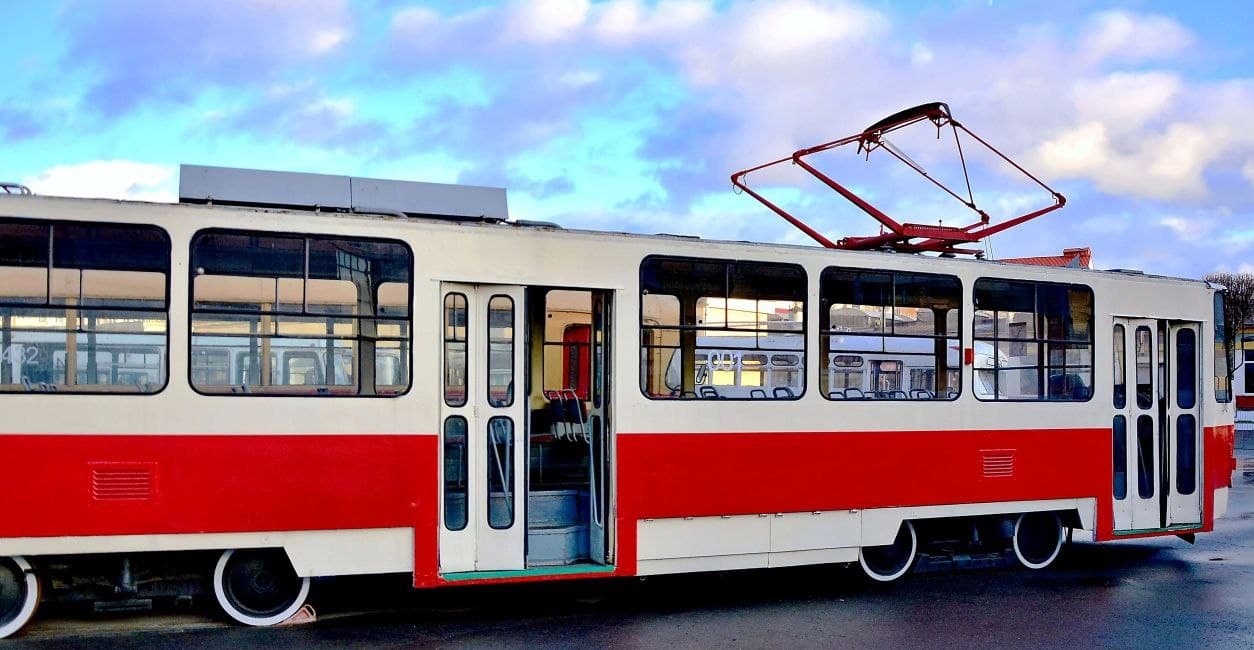
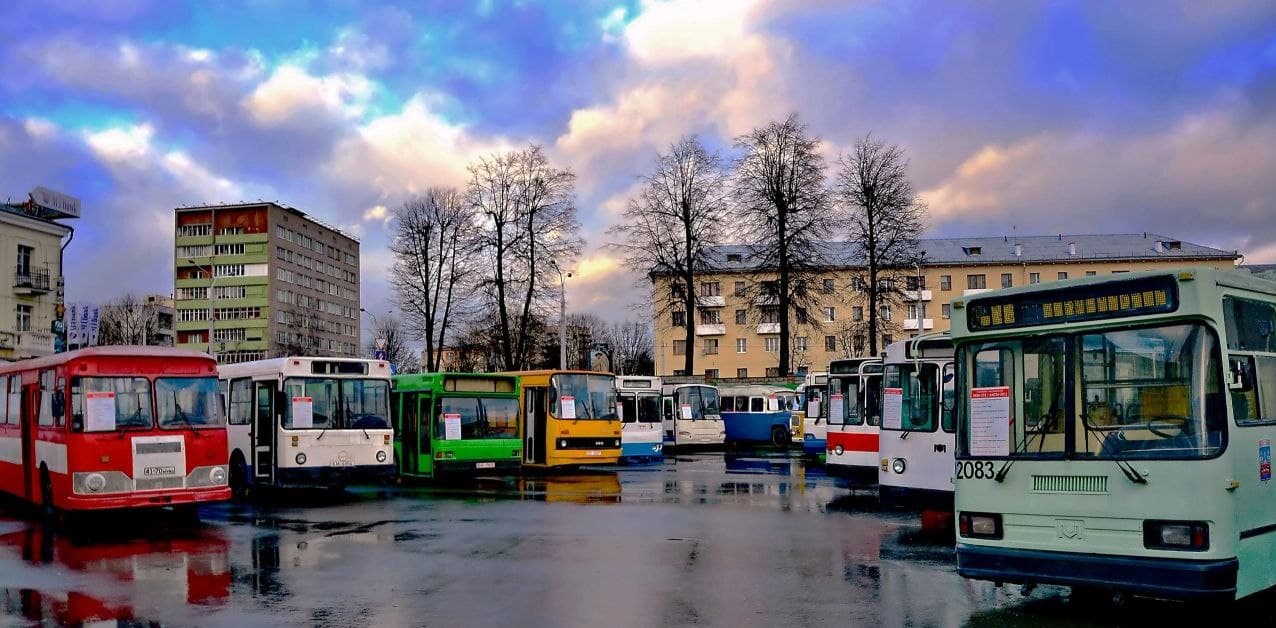
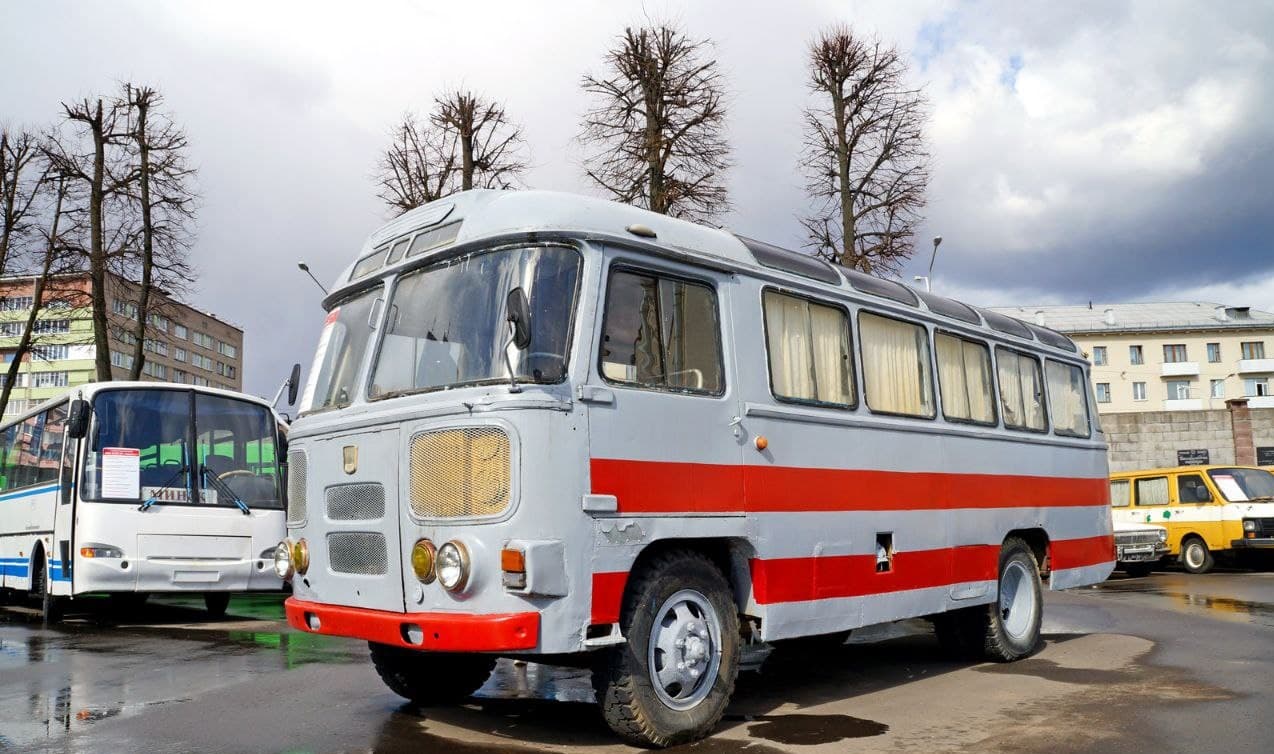
The most spectacular part of the museum is an outdoor exhibition of rare equipment. 30 units of rolling stock were lined up on a site of 2.5 thousand square meters.: buses, trolleybuses and trams that were once the face of city streets.
Here you can see the first Minsk trolleybus MTB-82D, produced at the Engels factory and launched on September 19, 1952. Next to it is the legendary Hungarian Ikarus (models 260 and 280), which has become a symbol of the era, as well as the LAZ and the famous LiAZ-677, which is popularly nicknamed the "cattle truck" for its distinctive appearance.
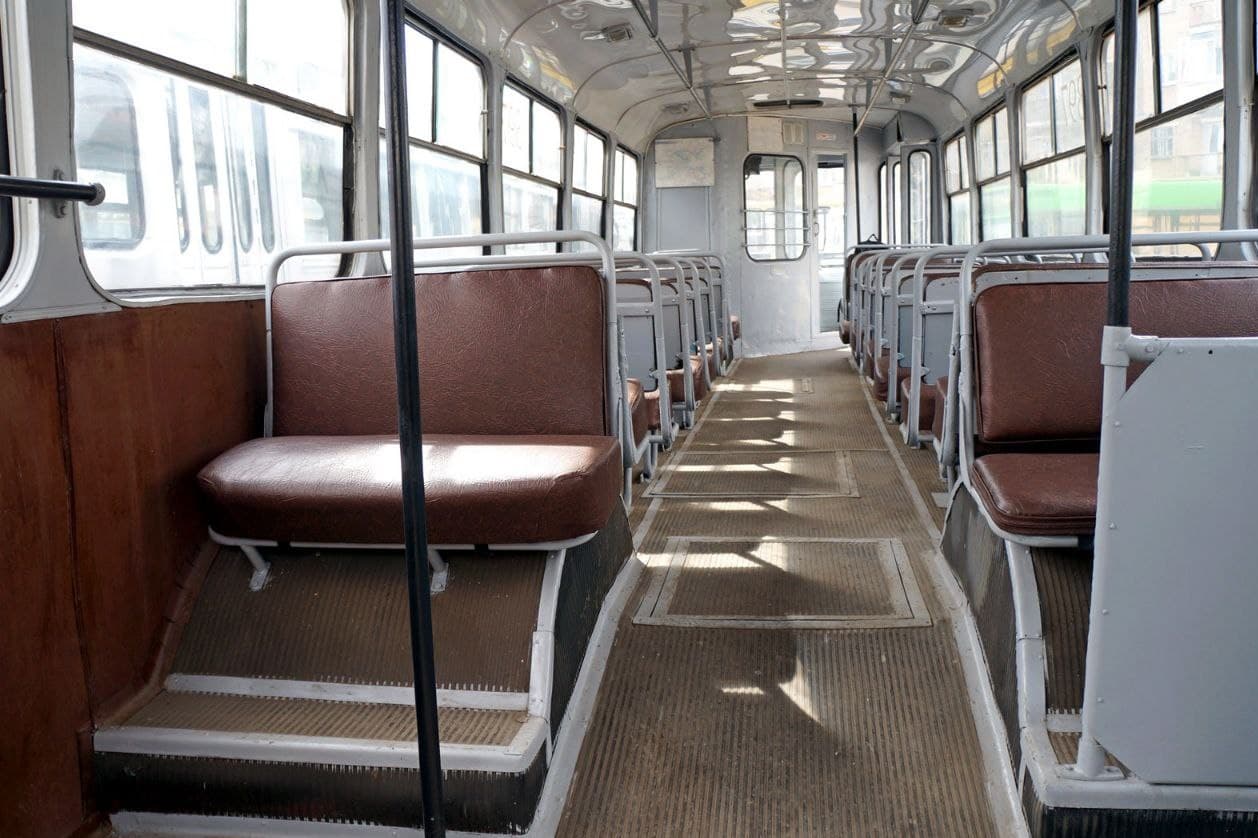
Trams deserve special attention: Riga RVZ-6M2 and Czechoslovak Tatra T6B5. These cars still remember how they worked on the Minsk routes, and arouse sincere nostalgia among the older generation. The main feature of the museum is its full accessibility: unlike many similar institutions, you can not only look at it, but also touch it. Visitors are allowed to go inside the cars, sit in the driver's cabin, hold the steering wheel and take unique photos.
Important information for visitors.
The museum is open by appointment. This is done for the comfort and safety of the guests, as the excursion route partially passes through the territory of the operating enterprise "Minsktrans". You can make an appointment by phone: +375 (29) 217-88-51
Operating mode:
· Tuesday – Friday: from 8:00 to 19:30
· Saturday: from 10:00 to 18:00
· Sunday and Monday are days off .
Address: Minsk, Partizansky Prospekt, 6, building 4 (metro station "Proletarskaya").
Since April 2023, there has been a single day of free admission for students and students, which makes the museum accessible to the younger generation.