
Minsk. "Kitaevskaya" synagogue (House of Nature).
Landmark
Minsk, Central district, Maxim Bogdanovich Street, 9A
Description
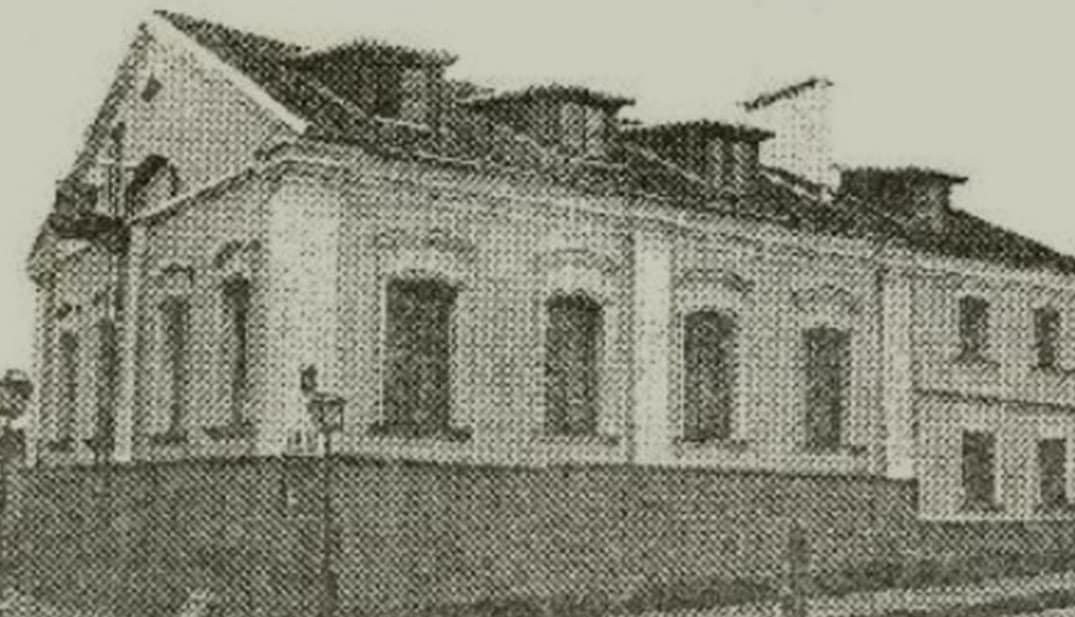
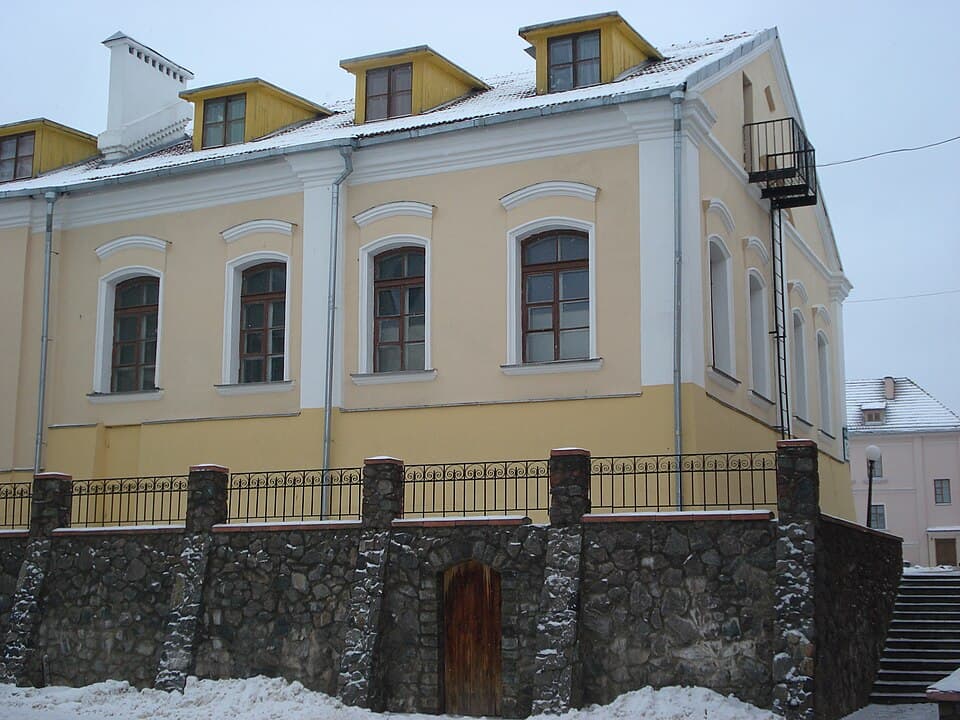
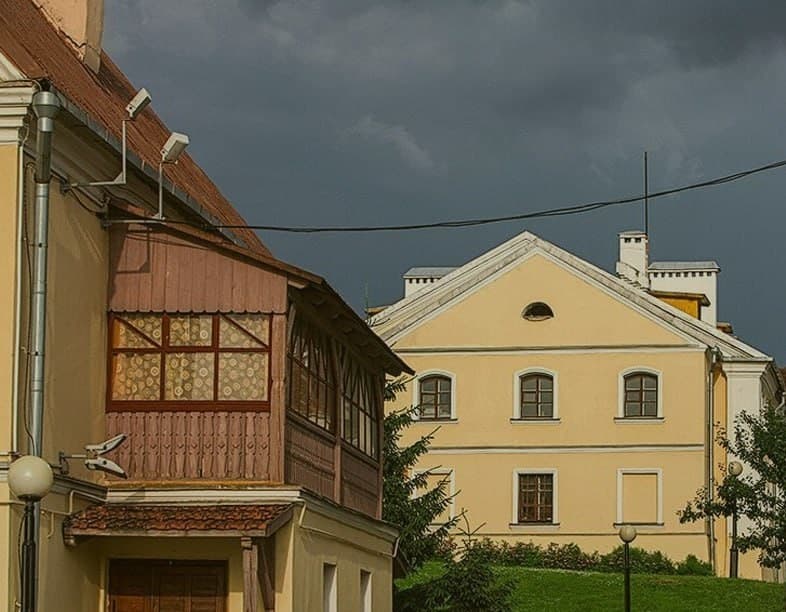
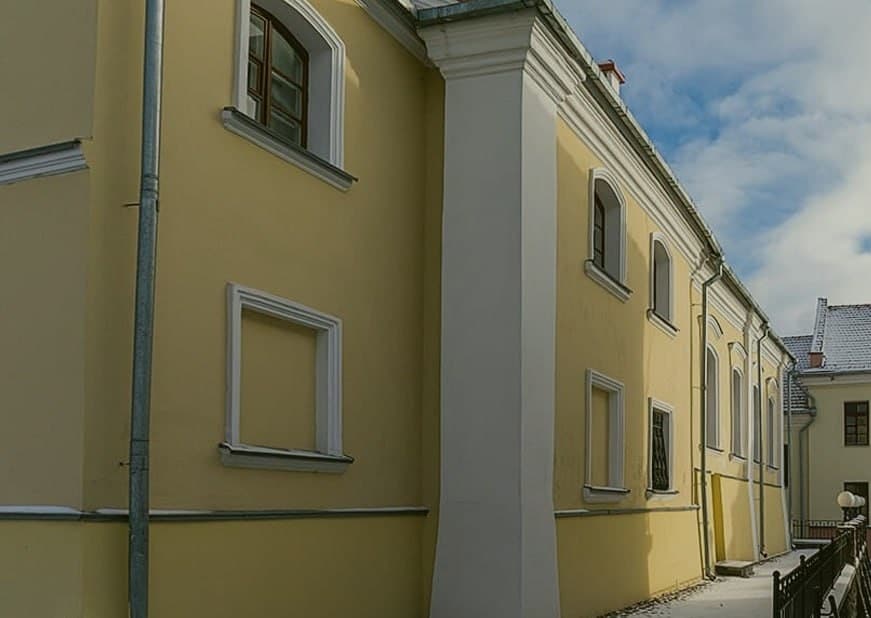
The Kitaevskaya Synagogue in Minsk is a monument with a difficult fate. Built in the 19th century by Hasidim from Dzerzhinsk, it was the main spiritual center of the Jewish quarter. A yeshiva worked nearby, and the walls remember the flames of the fires of the Great Patriotic War. In the 1980s, the building received a new lease of life, becoming a Nature House. Today it is not only the exhibition space of the Museum of Nature and Ecology, but also the architectural gem of the Troitsk suburb with its characteristic narrow windows and red brick pediments.
Categories

Historical

Architectural monument
Comments
Reviews to the Place
1Ольга Ерёменко
17.03.2026
Two faces of the same house: from Hasidic tunes to "The Girl with the Owl"
In the very heart of the tourist Troitskoe suburb of Minsk, where the brick pavements remember the sound of carriages, and cozy cafes beckon to taste draniki, there is a building that is difficult to miss. It attracts attention not with its ornate stucco or pompous turrets, but with the restrained, almost austere elegance of the red brick and the touching sculpture at the entrance - a girl trustfully clutching an owl. This is house No. 9A on Maxim Bogdanovich Street. Today it is known as the House of Nature, but old-timers and connoisseurs of urban history will call it something else - the "Kitaevskaya" synagogue.
A voice from the past.
The history of this building is a mirror of the difficult fate of Minsk. Built in the early 19th century (some researchers cite a later date - 1874), it became a spiritual center for Hasidim, representatives of one of the most mystical and emotional movements in Judaism. The funds for the construction of the prayer house were donated by the merchant Borukh Kitaevsky, whose surname was fixed in the name, although there is a version that the adherents of this doctrine themselves were popularly called "Kitaevites".
The "Kitaevskaya" Synagogue was not just a place of prayer. Nearby, in house No. 9, there was a Hasidic yeshiva, a school where they learned the wisdom of the Torah. It was a whole neighborhood full of the intellectual and spiritual life of the Jewish old town. The rousing melodies of the famous cantor Yankel Telehaner were played here, which, according to legend, could bring parishioners to a state of religious ecstasy. The walls of this house have heard heated arguments about faith and quiet prayers for daily bread.
Red brick lines.
Even now, when the building performs a completely different function, its iconic past is easily discernible in its appearance. The synagogue's architecture is an example of eclecticism with elements of the retrospective Russian style, which was typical of the religious buildings of the Russian Empire at the end of the 19th century.
The single-storey volume of unpainted red brick is placed on a high basement. The main facade facing the street is symmetrical and solemn. Pay attention to the narrow, upstretched arched windows - they seem to direct their gaze to the sky. The central part of the building is accentuated by a high pediment decorated with paneling and small semi-columns. It is these architectural elements - the conciseness, rigor and nobility of the brickwork - that create the very unique image of old Minsk, which is so carefully guarded in the Troitskoe suburb today.
The trials of fire and time.
With the advent of Soviet power in the 1920s, the spiritual life here faded away. The synagogue was closed, and the building housed the usual city institutions. The most terrible pages in the history of the house were written by the Great Patriotic War. Minsk was almost completely destroyed, and the Troitskoe suburb was on fire. The synagogue was badly damaged in the fire, but, like a Phoenix, it was reborn from the ashes. Its walls, made of solid brick, stood firm, preserving the architectural memory of the place for posterity.
New life: The House of Nature.
In the 1980s, during the large-scale reconstruction of the Troitskoe suburb to mark the 900th anniversary of Minsk, the building was given a second life. After careful restoration, which restored its historical appearance, the Museum of Nature and Ecology of the Republic of Belarus (today the House of Nature) was opened in the walls of the former synagogue.
The contrast between the past and the present here is striking. Where the sacred Torah scrolls were once read, there are now expositions dedicated to flora and fauna from all over the world. Stuffed birds and animals in the windows, insect collections, interactive programs for children - this house has become a real oasis of learning for young Minsk residents and guests of the capital.
This amazing image is completed by a touching symbol - the sculpture "Girl with an owl" at the entrance. It was established in modern times and embodies the harmony of man and nature.
A girl dressed in the fashion of the 19th century, like a bridge, connects the present century and the past century, and an owl, a symbol of wisdom, seems to remind us of how many meanings a single building can hold.
Today, walking along Troitskoe suburb past house No. 9A, stop for a minute. Listen carefully. Through the noise of the city and the children's laughter at the sculpture, through the rustle of foliage, you can catch the echo of Hasidic melodies, only to hear the carefree voice of the present again. The "Kitaevskaya" Synagogue is a unique monument in Minsk, where holiness and history were fused into enlightenment and life.