
Minsk. A pillbox from the time of the Nazi occupation.
Landmark
Minsk, Central district
Description
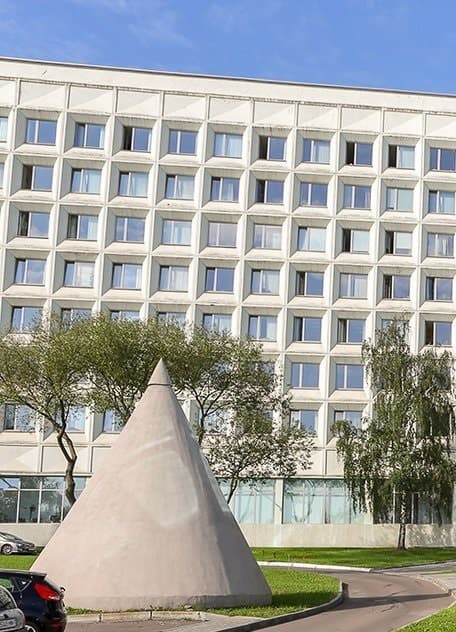
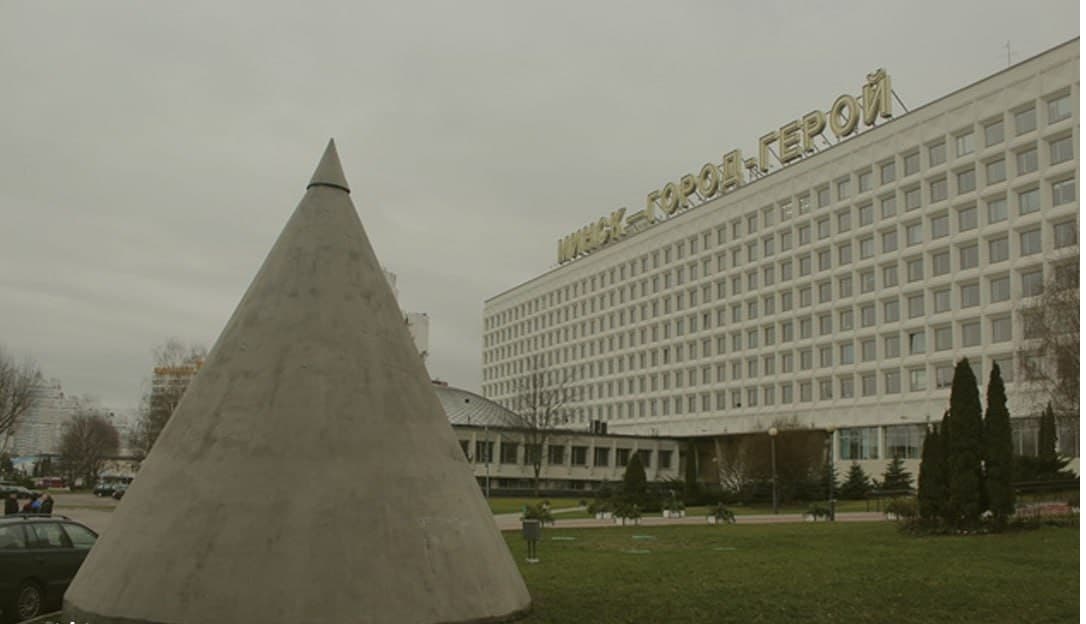
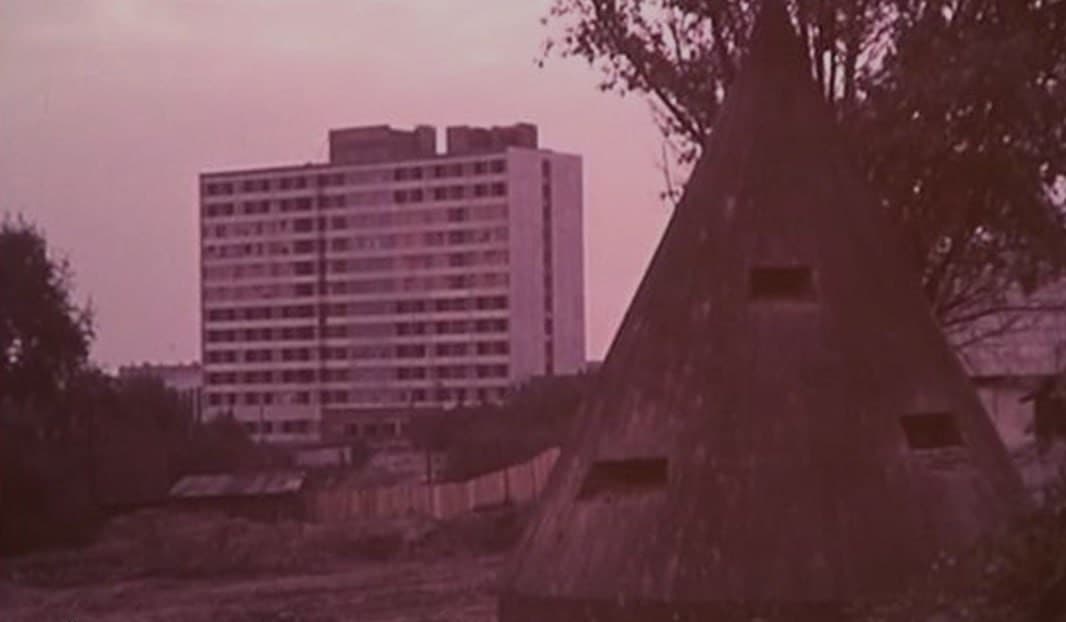
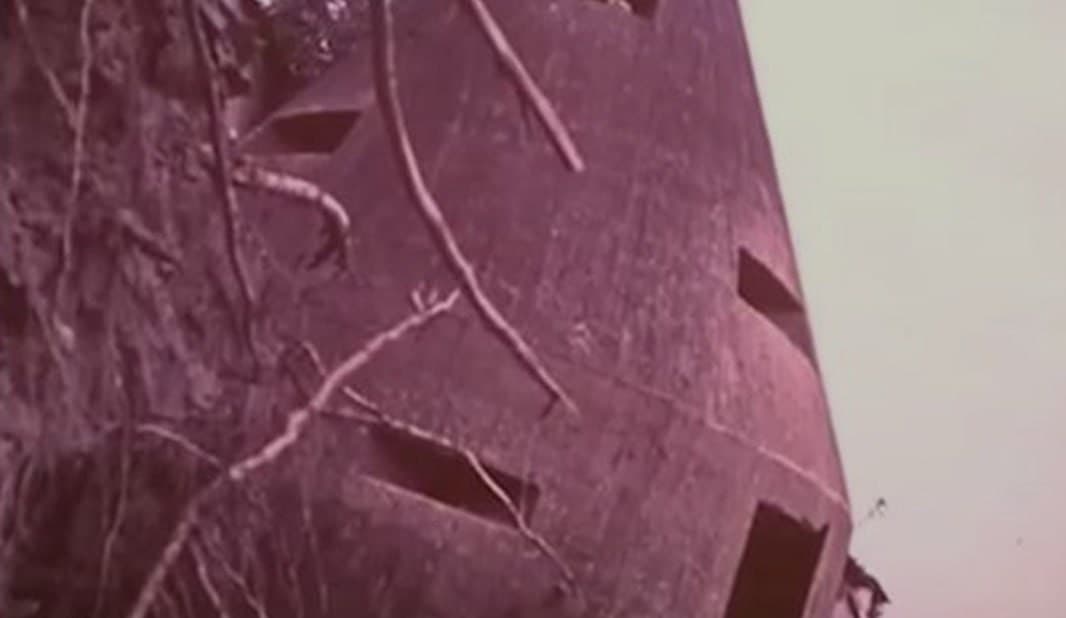
In the center of Minsk, on the edge of the Rakovsky suburb, a concrete pillbox from the time of the Nazi occupation has been preserved. The three-tiered structure with two rows of embrasures was built by Soviet prisoners of war to control the territory and borders of the ghetto. An underground passage led from the pillbox to Svisloch - its flooded remains are visible from the pedestrian bridge. After the war, they tried to blow up the pillbox, but they were afraid to damage the houses, so the embrasures were simply walled up. Today it is a silent witness to the tragedy and a mysterious artifact of the military history of the city.
Categories

Historical
Comments
Reviews to the Place
1Ольга Ерёменко
10.03.2026
The concrete guardian of the Rakovsky suburb: the history of the German pillbox in the center of Minsk
In the very heart of Minsk, in a quiet Central area, among the usual urban buildings, you can find an unusual historical artifact. At first glance, this is just a part of the relief, a concrete block embedded in the ground on the edge of the Rakovsky suburb. But upon closer inspection, it becomes clear: this is a long-term firing point (pillbox), built during the Nazi occupation.
A silent witness to the war.
It is located near a busy highway, on the very border of the historical area where the Minsk ghetto was located during the war. The cone-shaped shape of the structure and its harsh concrete silhouette contrast sharply with the surrounding landscape, riveting the eyes of passers-by and attracting researchers of military history.
According to a popular version, this pillbox was built by Soviet prisoners of war. The German occupation authorities, who occupied Minsk on June 28, 1941 and held it for three long years, turned the city into a powerful fortified area. Reinforced concrete firing points were erected at strategically important heights, intersections of roads and approaches to administrative buildings. This pillbox was supposed to control an important area and, most cynically, serve as a cordon on the border of the Jewish ghetto, preventing its prisoners from leaving the doomed area.
The architecture of death.
This is a three-tiered fortification. Two rows of embrasures made it possible to conduct a circular shelling of the area, shooting through all approaches. The thickness of the walls and ceilings made the pillbox invulnerable to medium-caliber artillery shells and aerial bombs. There was a garrison inside, capable of conducting autonomous combat operations for a long time.
However, the most interesting element is the underground passage. An underground gallery leading to the Svisloch River was laid from the pillbox. The flooded remains of this tunnel can still be seen today from the pedestrian bridge that connects Pobediteley Avenue with the area of the Belarus Hotel. What was this move for? Probably for the hidden evacuation of the garrison, the supply of ammunition or communication with other defensive nodes on the other side of the river. Today, these flooded vaults are another mystery that hides the Svisloch water.
Explosion-proof.
After the liberation of Minsk in July 1944, the new government faced the question: what to do with the legacy of the occupiers? The German pillbox, as a reminder of the terrible years and a symbol of the enemy presence in the very center of the Soviet city, was destroyed several times. However, reality has made its own adjustments.
Powerful explosive charges, capable of destroying monolithic reinforced concrete, could cause irreparable damage to nearby residential buildings and the historical buildings of the Rakovsky suburb. No one dared to risk the integrity of buildings for the sake of destroying a military facility. As a result, they settled for a compromise solution: all the embrasures and entrances were sealed up. The pillbox turned into a mute hill, devoid of its combat essence, but retaining its shape.
Memory in concrete.
Today, the Minsk pillbox from the time of the Nazi occupation is not just a strange concrete structure. This is a multi-valued symbol.
For some, it is a reminder of the tragedy of the war and the price paid for Victory. The fact that it was built by captured compatriots gives the place a special drama. For others, it is a part of the urban landscape, overgrown with legends about underground passages and secret communications. Mentions of the tunnel under the Svisloch excite the imagination of treasure hunters and diggers, although access to the inside has long been closed.
The location of the pillbox on the edge of the former ghetto adds another gloomy touch to this place. He witnessed daily suffering, stages, and shootings. Concrete walls, if they could speak, would tell the stories of thousands of people whose lives were cut short or maimed in the area.