
Minsk. "Oswald's House."
Landmark
Minsk, Central district, Kommunisticheskaya street, 4
Description
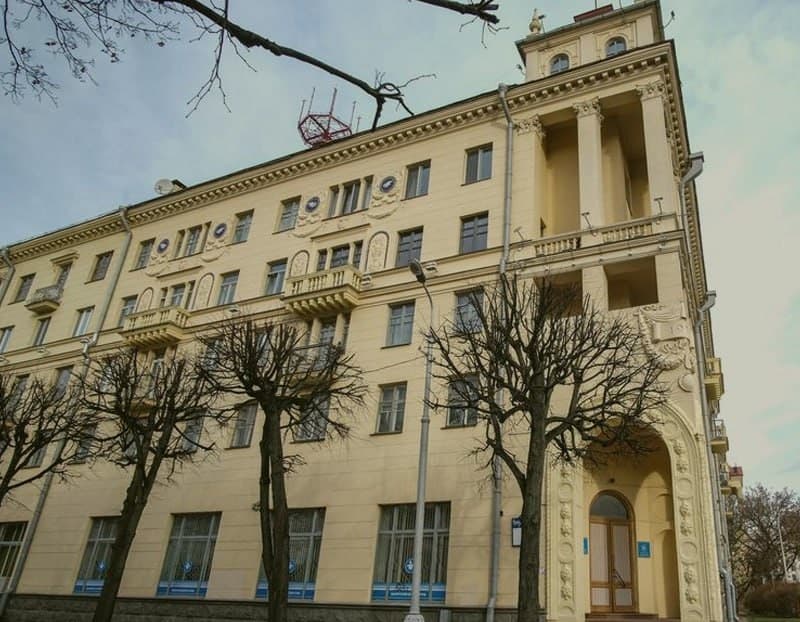
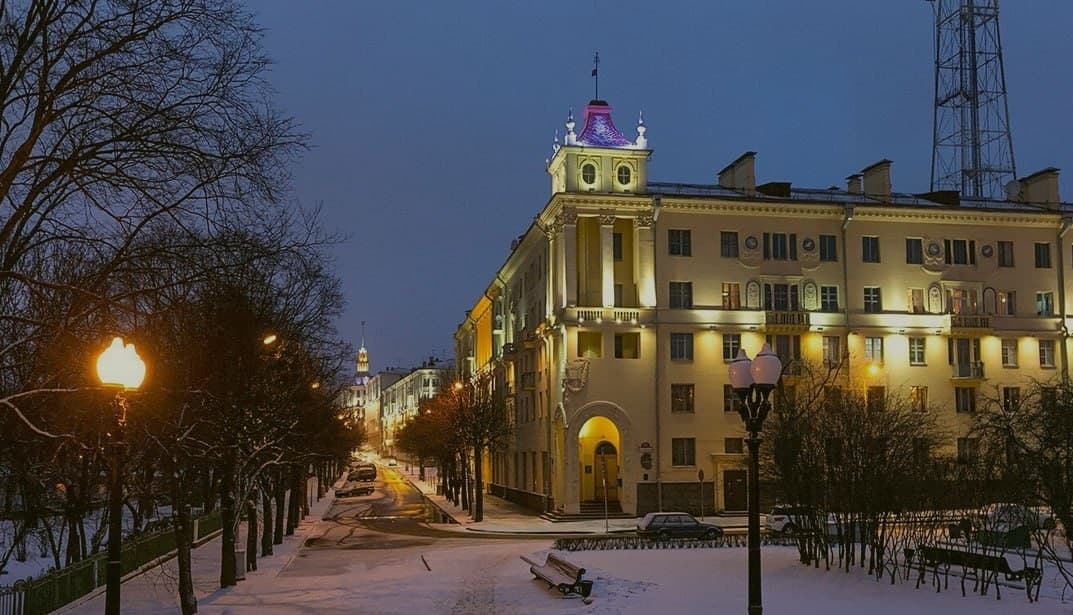
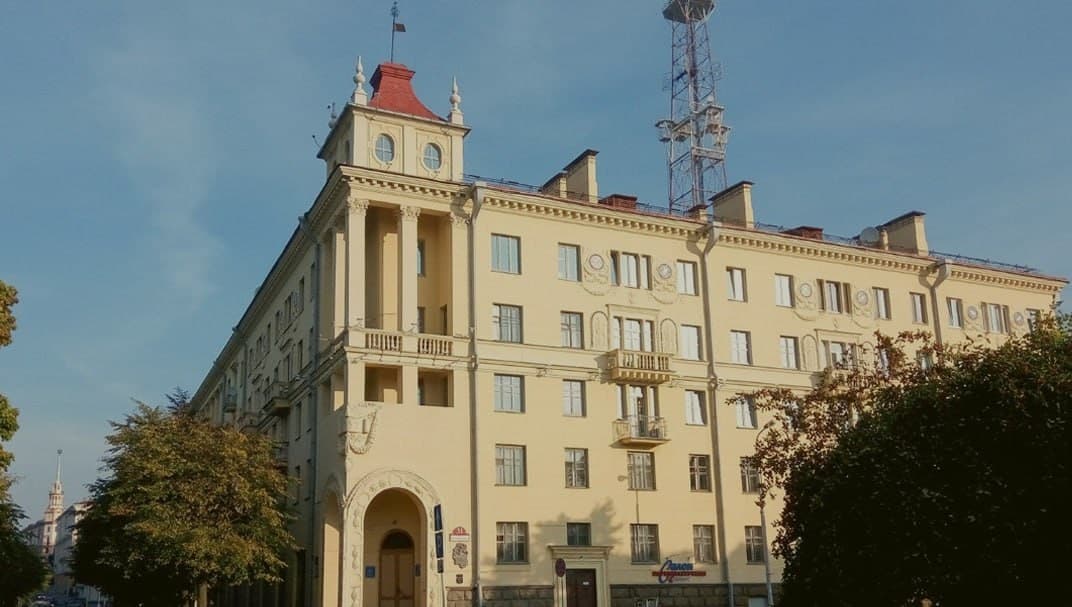
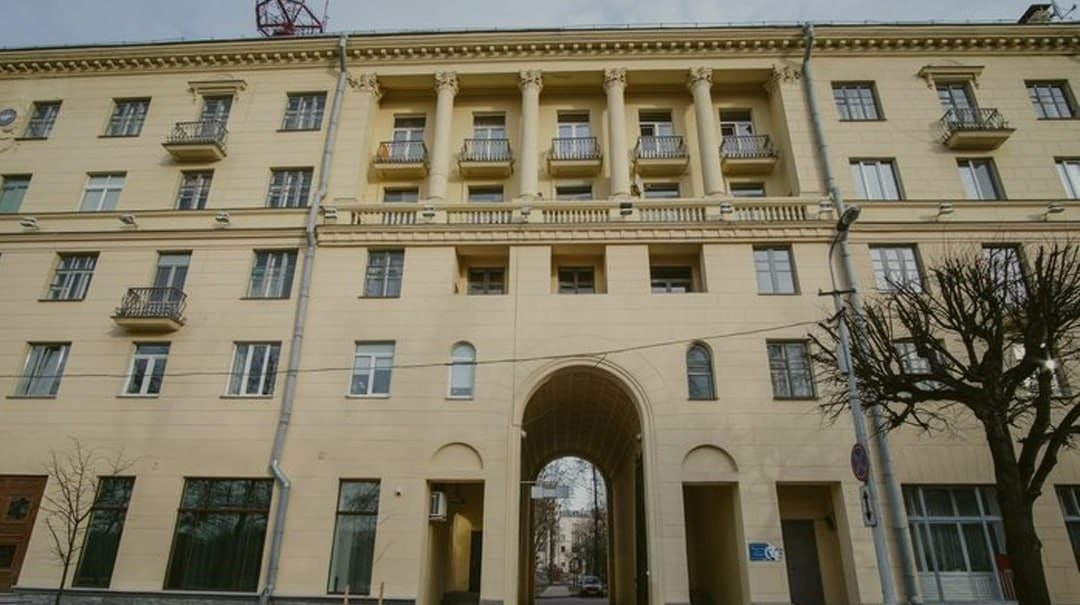
In the center of Minsk, on a quiet Kommunisticheskaya Street, there is an inconspicuous house. In 1960, the American Lee Harvey Oswald moved in here. For a Soviet man, his apartment with two balconies and a view of Svisloch was a luxury. Here he got married, worked at a radio factory and took his daughter to the garden, not even realizing that the next room was full of KGB wiretaps. From there, he went to the United States to become the main suspect in the Kennedy assassination a year later. Today, only the old walls remember the man who divided history into "before" and "after".
Categories

Historical
Comments
Reviews to the Place
1Ольга Ерёменко
19.03.2026
A quiet witness to history: why Minsk's "Oswald's House" cannot be found on tourist maps
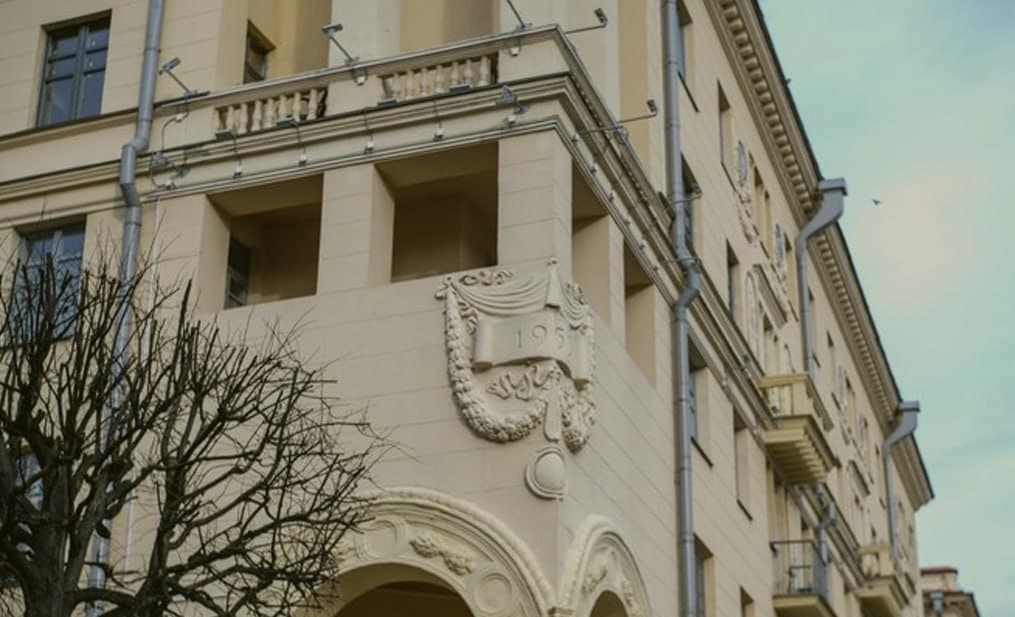
In the very center of Minsk, on a quiet Kommunisticheskaya Street, House No. 4 lurks. The architectural modesty of the post-war Stalinist buildings is familiar here: pencil case balconies, an archway to the courtyard, and rare passers-by with dogs. Tourists usually rush to the Trinity suburb, unaware that one of the most controversial locations in the city is very close. Locals simply call it "the house where Oswald lived."
The man whose name became synonymous with the main tragedy of twentieth-century America spent three years of his life within these walls. And if it hadn't been for the bullet fired in Dallas on November 22, 1963, Apartment No. 24 on the fourth floor would have remained just a haven for an ordinary foreign worker.
"Better than he could have expected".
In the fall of 1959, former Marine Lee Harvey Oswald, disappointed in the American dream, crosses the border of the USSR. Moscow met him warily, and the "defector" was sent away from the capital to Minsk. To Oswald's surprise, the Soviet authorities did not put him in a communal apartment, but allocated a separate apartment on the newly rebuilt Communist One.
The American left a note in his diary: the accommodation turned out to be "better than he could have expected". Separate bathroom, kitchen and even two balconies. It was a real luxury for Minsk in the early 1960s. Locals huddled in barracks and outbuildings, while a 20-year-old American enjoyed the view of the Svisloch River and walked to the factory in 8 minutes.
Alik from the radio factory.
At the Minsk Radio Factory (today known as "Horizon"), he was known as Alik. The position is a tool fitter of the 1st category. Colleagues recalled that he was withdrawn, but he did his job properly. He photographed the city, missed the "burger diet", but tried to fit into local life.
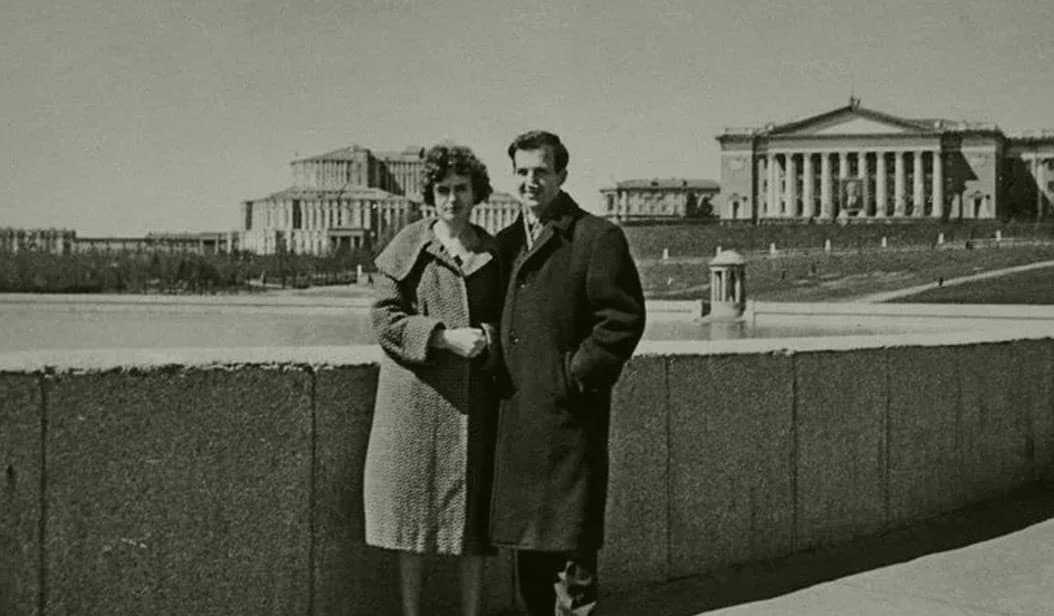
It was here, in Minsk, that something happened that may have become the main bright spot of his biography. At the Trade Union Palace of Culture, he met 19-year-old Marina Prusakova at a dance. A girl from the province, a pharmacist, hardly suspected what fate awaited her. The romance developed rapidly: a month later they got married, and a year later their daughter June was born.
Neighbors with "ears".
The idyll was under surveillance. The KGB could not ignore a citizen of a potential enemy, even if he shouted slogans about sympathizing with communism. Wiretapping equipment was installed in the neighboring apartment. Every conversation Oswald had with his wife, every phone call was recorded. Looking from the balcony at the calm Svisloch, he hardly realized that his life was no longer a private story, but a page in the reports of the special services.
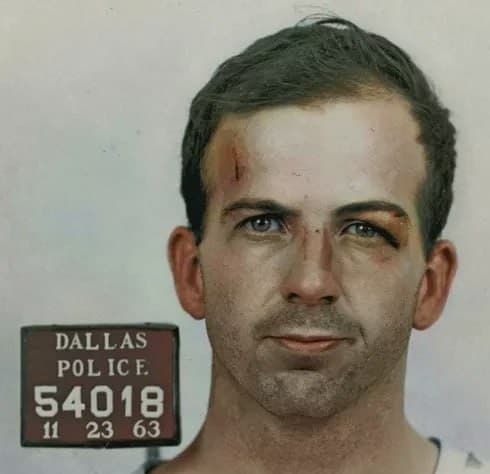
In 1962, the family moved to the United States. Oswald got tired of being here, he wanted to go home again. Marina follows him, leaving the USSR forever. In a year and a half, the world will see a shot of the same "Alik from the radio factory" being led in handcuffs through the corridors of the Dallas police.
A blind spot on the map of Minsk.
Today, house No. 4 on Kommunitarnaya (the historical name of the street) cannot be found in the guidebooks. There are no memorial plaques on the facade. Of course, no one will erect a monument to the man whom official history considers the president's murderer. But it is also impossible to deny the historical significance of this place.
The entrance is still residential. Through the peeling paint and modern intercoms, the spirit of the 60s is still felt here. This place is interesting precisely for its ordinariness. It allows you to touch not the ceremonial history, but its underside - domestic and quiet. Standing in the courtyard, it's easy to imagine a young American returning here from his shift, holding a loaf of bread in his hands, not knowing that this particular courtyard in Minsk would be his last peaceful berth before jumping into eternity.