
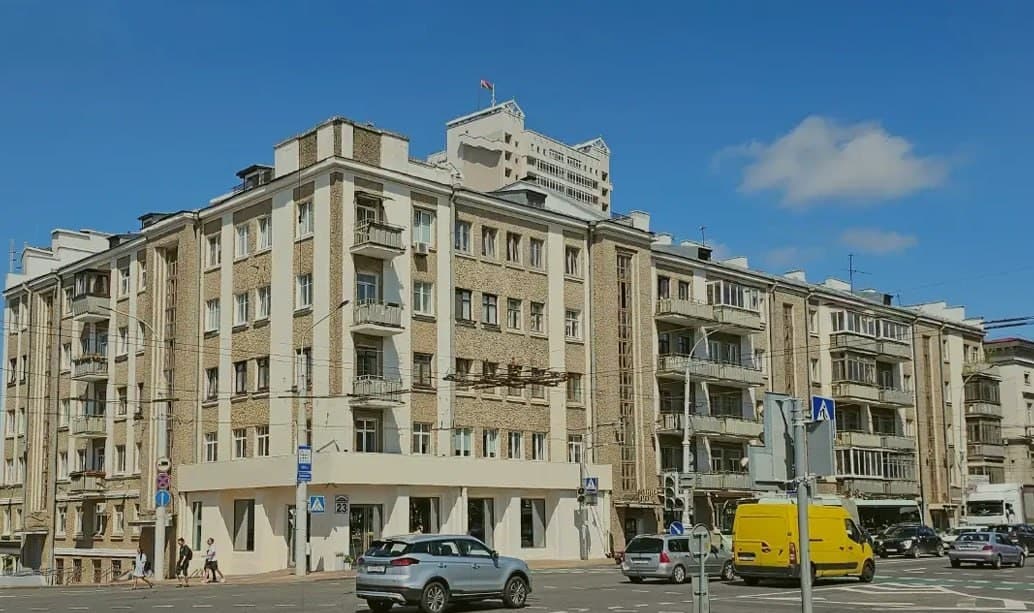
Minsk. "House of the Dead" on Maxim Bogdanovich street.
Landmark
Minsk, Maxim Bogdanovich street, 23
Description
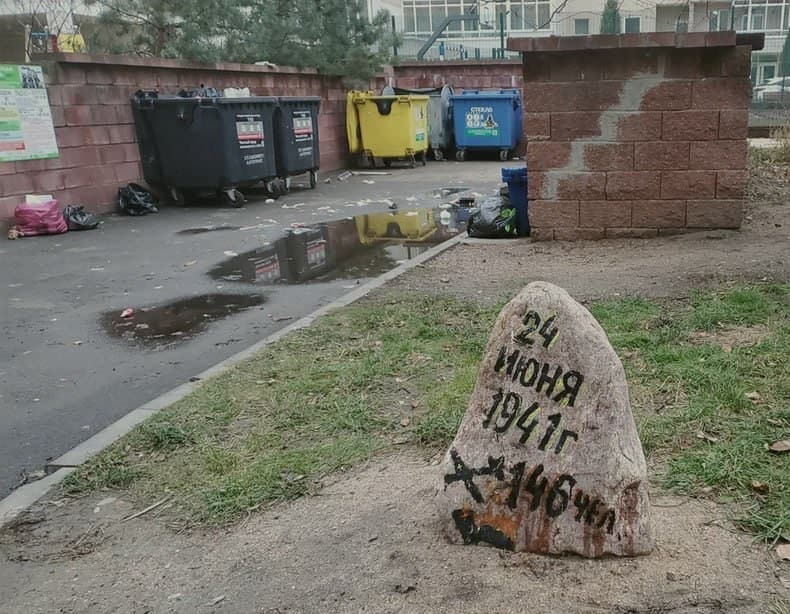
The "House of the Dead" on Maxim Bogdanovich Street in Minsk is a building with a tragic fate. Built in 1936 for the elite, it became a mass grave for hundreds of people. In the early days of the war, an aerial bomb blocked the entrance to the basement, where women and children suffocated from the smoke. Today it is an ordinary apartment building without memorial plaques, but the old-timers still tell the story of the dead. There is only a modest stone in the courtyard, installed by the residents so that no one will forget that terrible night of 1941.
Categories

Historical
Comments
Reviews to the Place
1Ольга Ерёменко
14.03.2026
The tragedy behind the facade: the "House of the Dead" on Maxim Bogdanovich Street in Minsk
In the very heart of Minsk, on the busy Maxim Bogdanovich Street, stands an inconspicuous at first glance five-storey building number 23. Passersby are rushing about their business, not noticing the gloomy shadow that has been hanging over this address for more than eight decades. This house is popularly known by its ominous name, "The House of the Dead".
A story of luxury and sorrow.
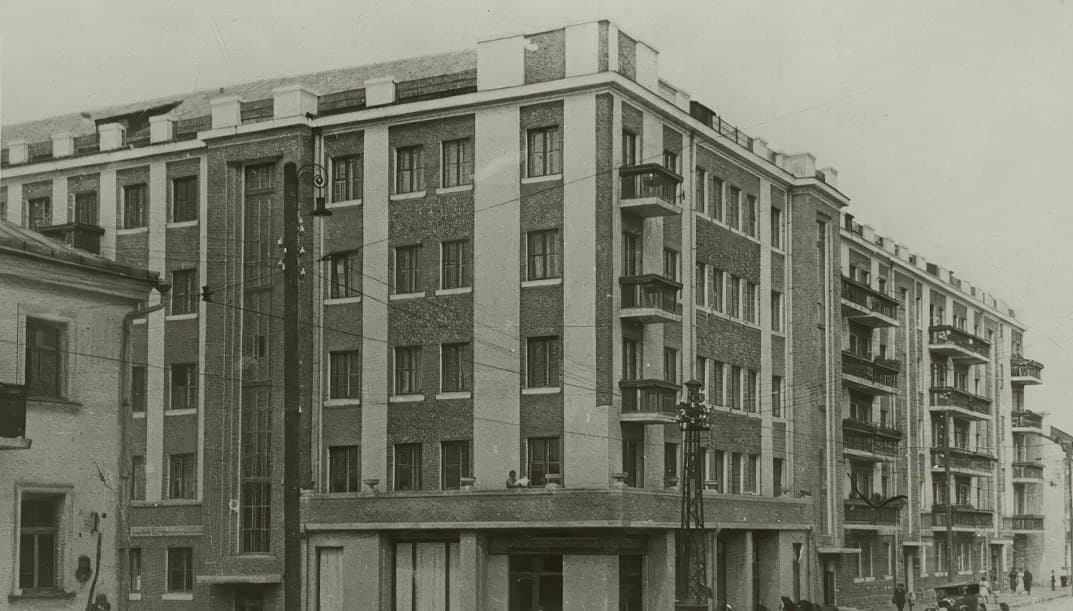
The house was built in 1936 and was intended for the Soviet elite - the families of the Red Army commanders and the party nomenclature. Officially, it was called the Third House of Soviets and amazed the imagination of its contemporaries. It was not just housing, but an example of the Stalinist Empire style and comfort: spacious three- and four-room apartments with high ceilings. One of the unique details was the mini-pools decorated with cement and marble chips, an unheard-of luxury for Minsk in the 1930s. The fifth entrance, more modest, was intended for servants: there were two-room apartments with tiny kitchens, and the baths were located right in the kitchen until the 70s.
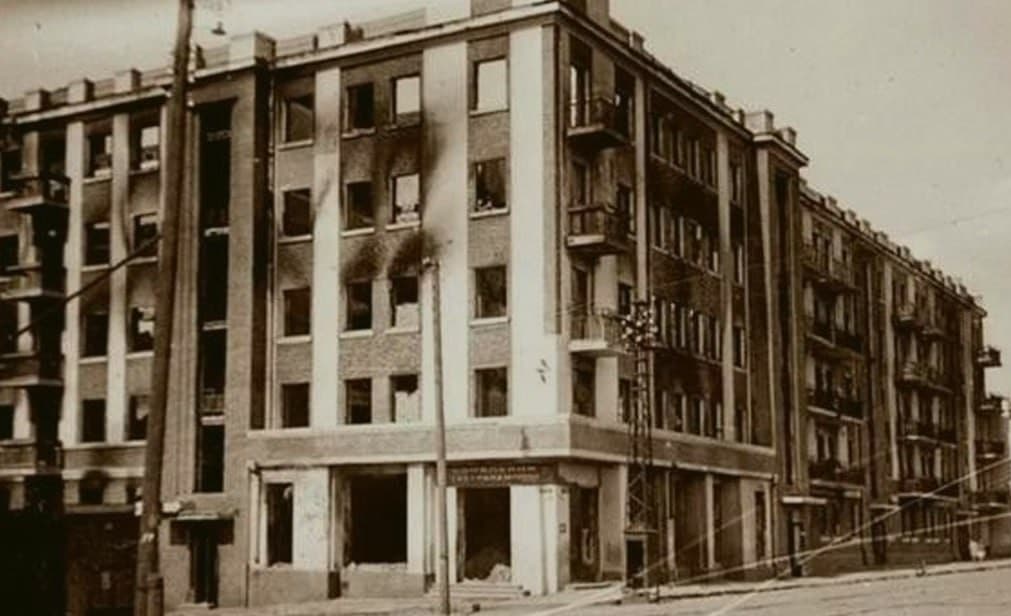
However, the splendor of luxury housing faded in the very first days of the Great Patriotic War. In June 1941, when German aircraft began bombing Minsk, the basement of the house turned into an air raid shelter. Hundreds of people, mostly women and children, descended there, hoping to escape death. A fatal aerial bomb attack blocked the only exit. People were trapped. More than a hundred people suffocated in a few hours from the acrid smoke of the fires raging above. The officers whose families died in this inferno soon laid down their heads at the front, never learning the terrible truth.
The house was restored after the war. New residents have moved in here: ministers, military, cultural figures. Sofia Drucker, the prima ballerina of the Opera House, and the wife of Zmitrok Byadulya, a classic of Belarusian literature, lived here. Elena Anatolyevna, a resident of the house, who has lived here since 1949, recalls how captured Germans participated in the restoration work, and there was once a fountain in the courtyard where children were given Christmas trees.
Memory without a nameplate.
Despite the vibrant life inside, the memory of the 1941 tragedy remained banned for many years. It was not customary to talk about her out loud. There is still no memorial plaque on the building, which would remind of the hundreds of people buried alive under it. The only mute witness to that terrible night remains a stone set in the courtyard by one of the caring residents. For the old-timers of the district and everyone who knows this story, the house at 23 Bogdanovicha Street will forever remain the "House of the Dead."
Today, Maxim Bogdanovich Street is a green and lively avenue connecting the Troitskoe suburb with the Bolshoi Theater. Among the stream of tourists and the noise of cars, only a few stop at the austere building to remember that even the most beautiful architecture can hide a deep human tragedy.