
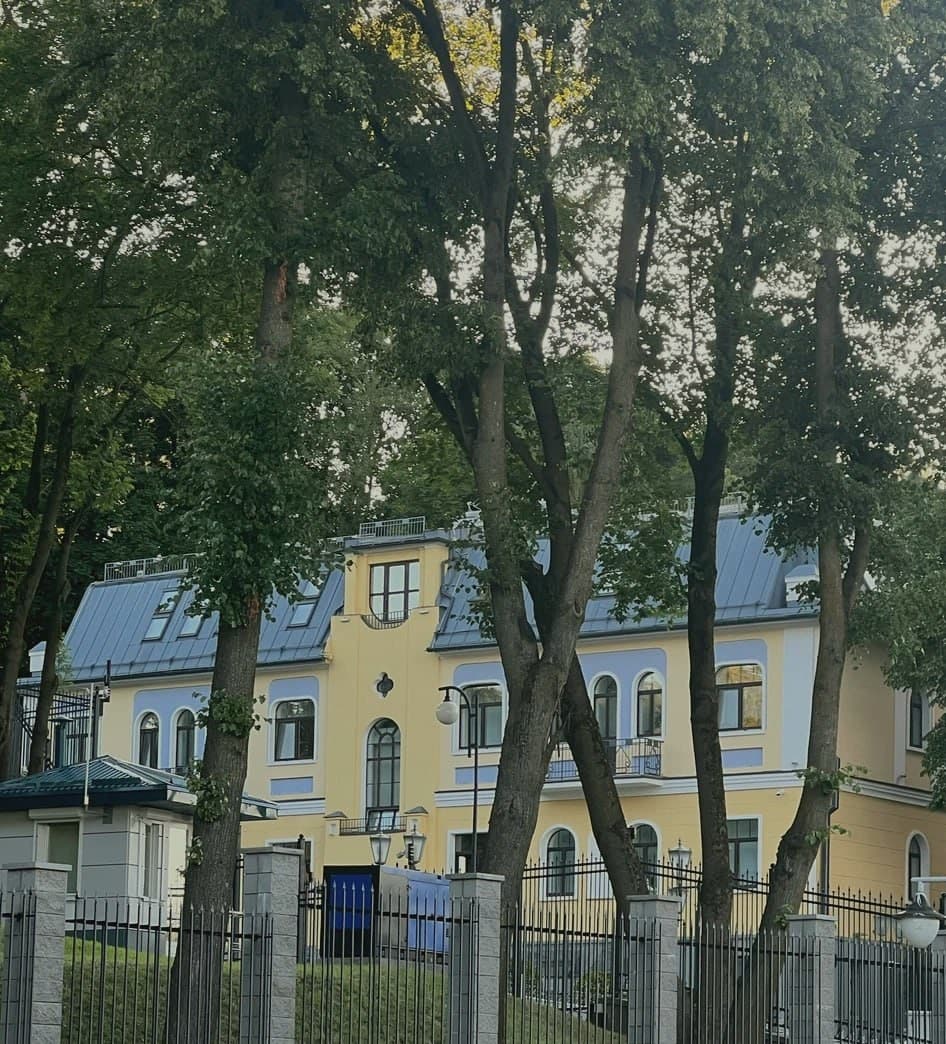
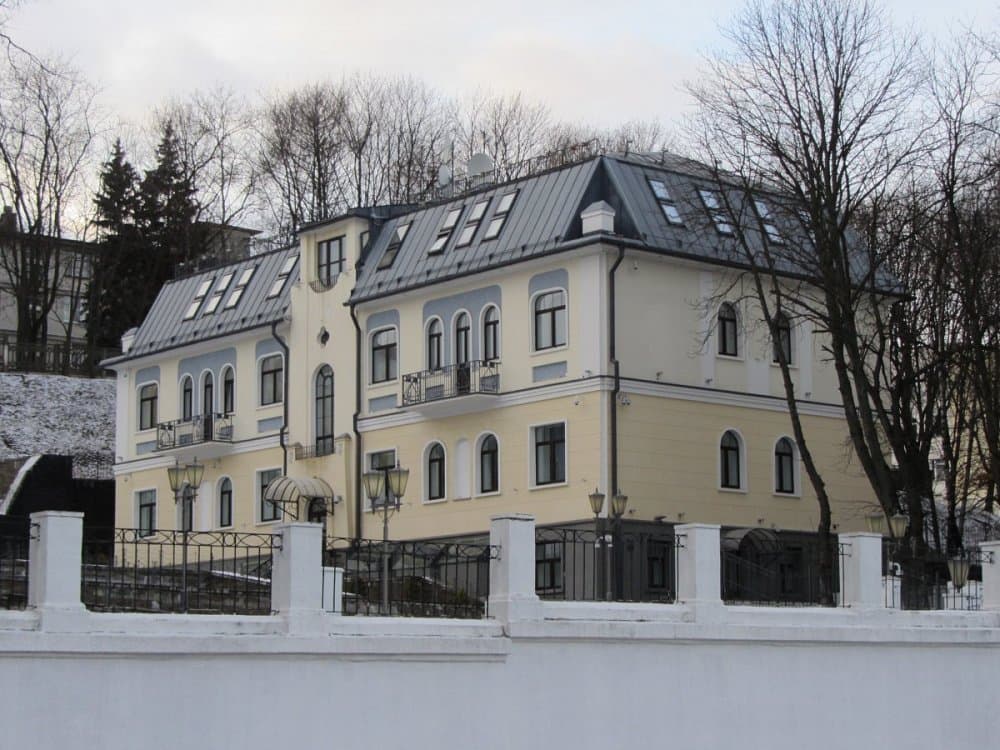
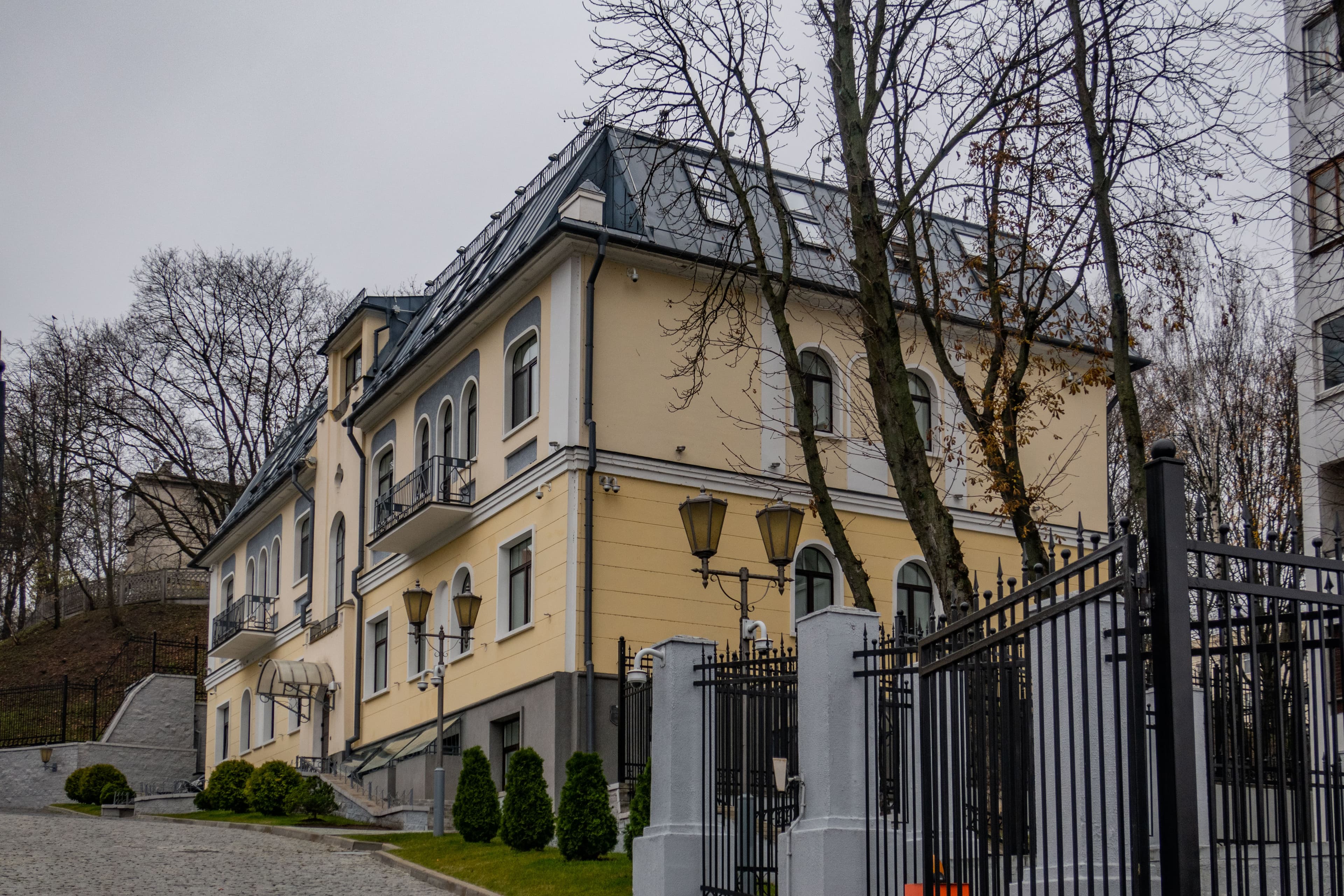
Minsk. Ahmed Ofli's house.
Landmark
Minsk, Yanka Kupala str., 5.
Description
There is a mansion hidden in the very center of Minsk that could become a monument to culinary courage. It was here that the Turkish entrepreneur Ahmed Ofli lived, who came up with the urban fast food format.
Arriving in 1893, Ofli started with buns, and built an empire of "Constantinople" pastry shops. These were the first places where you could drink coffee, have a snack and buy fresh sweets in a minute. He worked in Turkish: without written contracts, on his word of honor, and employed fellow countrymen, which gave his shops a flavor.
The mansion was not just a dwelling, but part of a business empire. Ofli invested in apartment buildings, changing the face of the city. The building survived the revolution, which ruined the business, and the war - Wilhelm Kube lived here during the occupation. Today, the house has been restored and reminds us that a successful startup of the early 20th century began with a single bun and Turkish courage.
Categories

Historical

Architectural monument
Comments
Reviews to the Place
1Ольга Ерёменко
14.07.2026
The house of Ahmed Ofli, a fast food pioneer in Minsk
There are addresses in Minsk that you pass by hundreds of times without noticing. One of them is a modest but sturdy mansion on Yanka Kupala Street, 5. Today it is well maintained, renovated and integrated into the modern urban landscape. But if you look closely, this house preserves the story of a man who made a real gastronomic revolution in a quiet provincial town more than a hundred years ago. His name was Ahmed Ofli, and he was a Turkish entrepreneur who, long before the advent of burger and chain coffee shops, invented Minsk fast food.
Arrival and the first step
Ahmed Ofli appeared in Minsk in 1893. What brings him here? Most likely, the usual trading sense for that time was that the city stood at the crossroads of important roads, life was in full swing here, factories were being built, engineers and employees arrived. Ofli started modestly: with a stall or a small shop where he sold fresh pastries. Buns, pies, oriental sweets - this was his first product.
But Ofli turned out to be not just a baker, but a born entrepreneur. He quickly realized that Minsk residents did not just want to buy bread, they wanted to have a quick, tasty snack without too much pathos. In those days, the city had either expensive restaurants for the elite, or inns with a dubious reputation. No one offered quality takeaway food to the middle class and workers.
"Constantinople" pastry shops
Ofli has relied on a format that did not exist in Minsk before. He opened a network of "Constantinople" pastry shops, small, bright establishments with showcases filled with mountains of fresh pastries, fragrant Turkish delight, halva and other delicacies. Inside, you could quickly drink a cup of strong coffee or tea, eat a hot bun and run on about your business.
It was a true prototype of modern fast food cafes. No white tablecloths, long dinners and waiters in tailcoats - just food, quality and speed. The establishments have become popular with students, officials, clerks, and even workers from nearby enterprises. Ofli didn't just feed - he created a new urban food culture.
Oral treaties and the Turkish colony
Interestingly, Ofli did not enter into written contracts with its employees. His entire business empire was built on verbal promises and personal trust. This was his signature style: he recruited mainly Turks, creating a real piece of Istanbul in the center of Minsk. His countrymen came to him from the Ottoman Empire, worked as bakers, pastry chefs, and sellers. They spoke their own language, cooked according to their own recipes - and Minsk residents loved it.
By the way, "Constantinople" pastry shops are not just a big name. Constantinople was then associated with oriental luxury, sweets and coffee aroma. Ofli skillfully used this brand, creating a sense of belonging to something exotic and sophisticated among customers.
The mansion at Yanka Kupala 5 was not just a dwelling - it was the symbolic center of his life and business. Ofli settled here with his family, and the house became a kind of headquarters. At that time, it was a very solid building: strong brick, high ceilings, spacious rooms. The entrepreneur did not skimp on the arrangement - he wanted to live with dignity, to match his success.
But Ofli was not only a businessman, but also a city investor. He actively built apartment buildings, rented apartments, and participated in infrastructure development. His money worked for the city, turning Minsk from a provincial backwater into a modern European center. They say he was scrupulous about the quality of construction: all his buildings stood for decades and many have been preserved to this day.
The Bitterness of History: Wars and Revolutions
The First World War was the first wake-up call for the Offline business. Minsk turned out to be a frontline city, the flow of customers dried up, many Turkish employees were recalled to their homeland or were mobilized. But the real blow came in 1917. The revolution swept away the old order, and private business was outlawed. It didn't even help that Ofli was respected in the city and invested money in its development.
He managed to keep some of his possessions, including his house. But the case was irretrievably lost. The pastry shops were closed, oriental sweets were no longer sold on the corners, and the aroma of fresh coffee no longer hovered over the sidewalks. Ofli, like many other entrepreneurs of that time, disappeared from history - disappeared in the maelstrom of events or, possibly, left the country. Little is known about his future fate, but his memory remained in his stone house.
Dark Page: Kube's Residence
The mansion has gone through another dark phase. During the Second World War, when Minsk was occupied by the Nazis, the house housed one of the residences of Wilhelm Kube, the General Commissioner of Belarus. He was an executioner responsible for the extermination of hundreds of thousands of people. His appearance in the Offly house is a terrible contrast to the bright story of the entrepreneur with a sweet tooth. But the building survived this time, remaining a mute witness to the tragedies and triumphs of the 20th century.
Today's day
Nowadays, the house on Yanka Kupala has been restored. It looks well maintained, the facade has been restored to its historical appearance. Now it is an ordinary city building. But if you stop for a minute, you can imagine how life was going on here: wooden trays were clattering, it smelled of cinnamon and chocolate, Turkish bakers were talking in their own language, and Ahmed Ofli himself in a tuxedo went out on the porch to check the fresh batch of buns.
This house is a reminder that Minsk has always been a city of entrepreneurs, that business really develops space, and delicious food and good deeds do not know nationalities. Ofli was a Turk, but he became a part of Belarusian history - and his mansion remains a monument to the courage with which one man changed the gastronomic map of the city.