
Mankovichi. Chapel-tomb of the Drutsky-Lyubetsky family.
Landmark
Vitebsk region, Postavsky district, Mankovichi village
Description
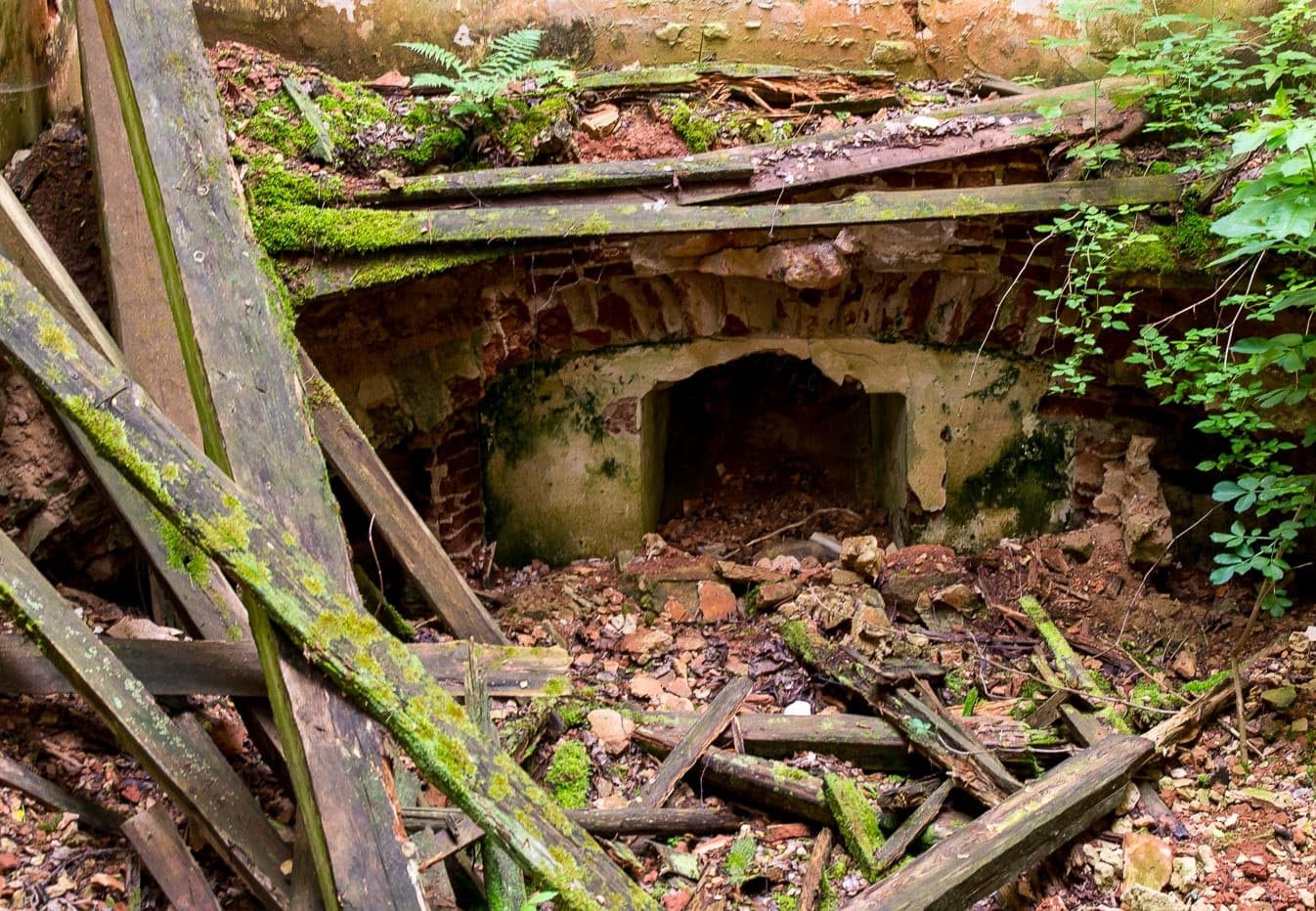
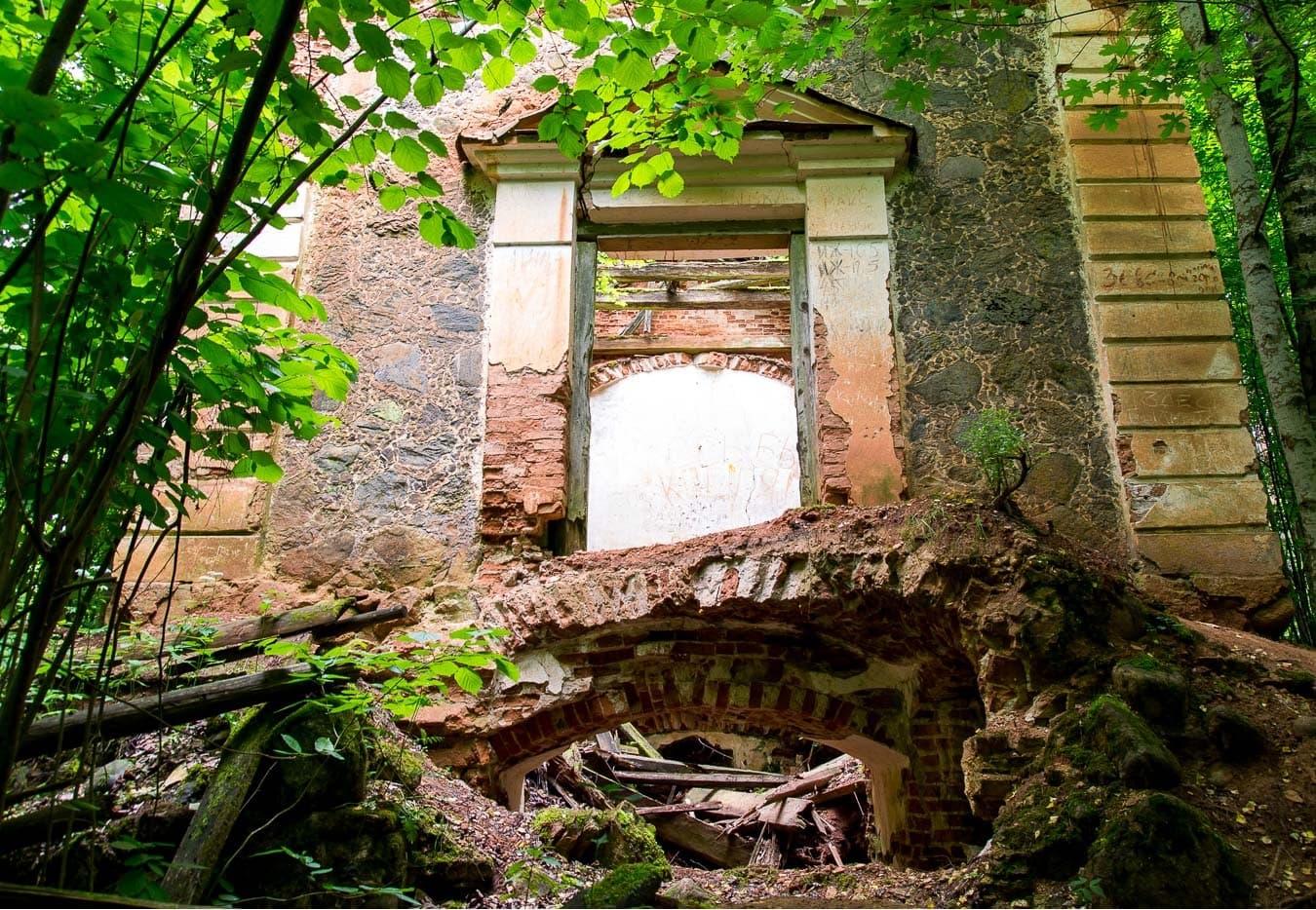
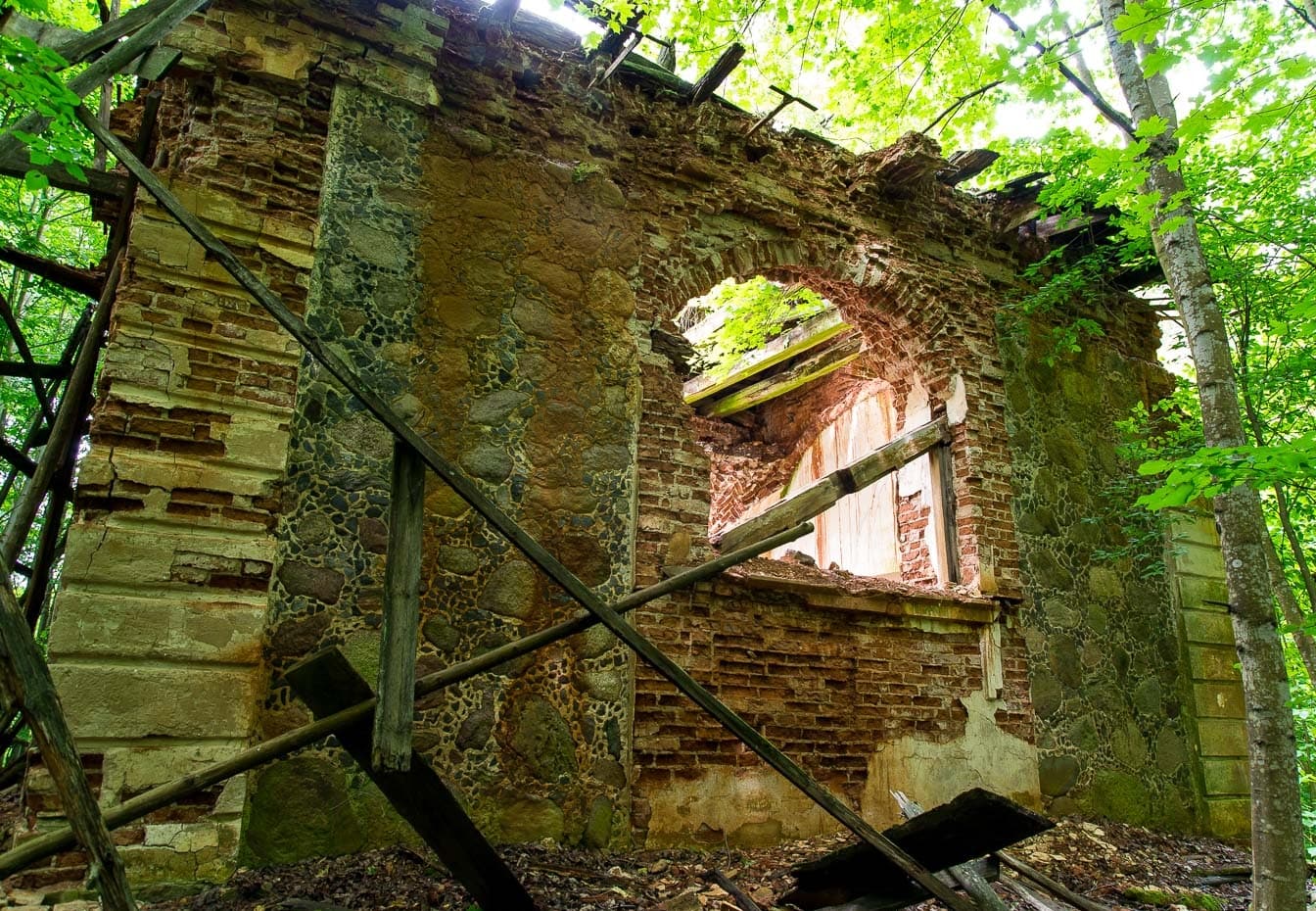
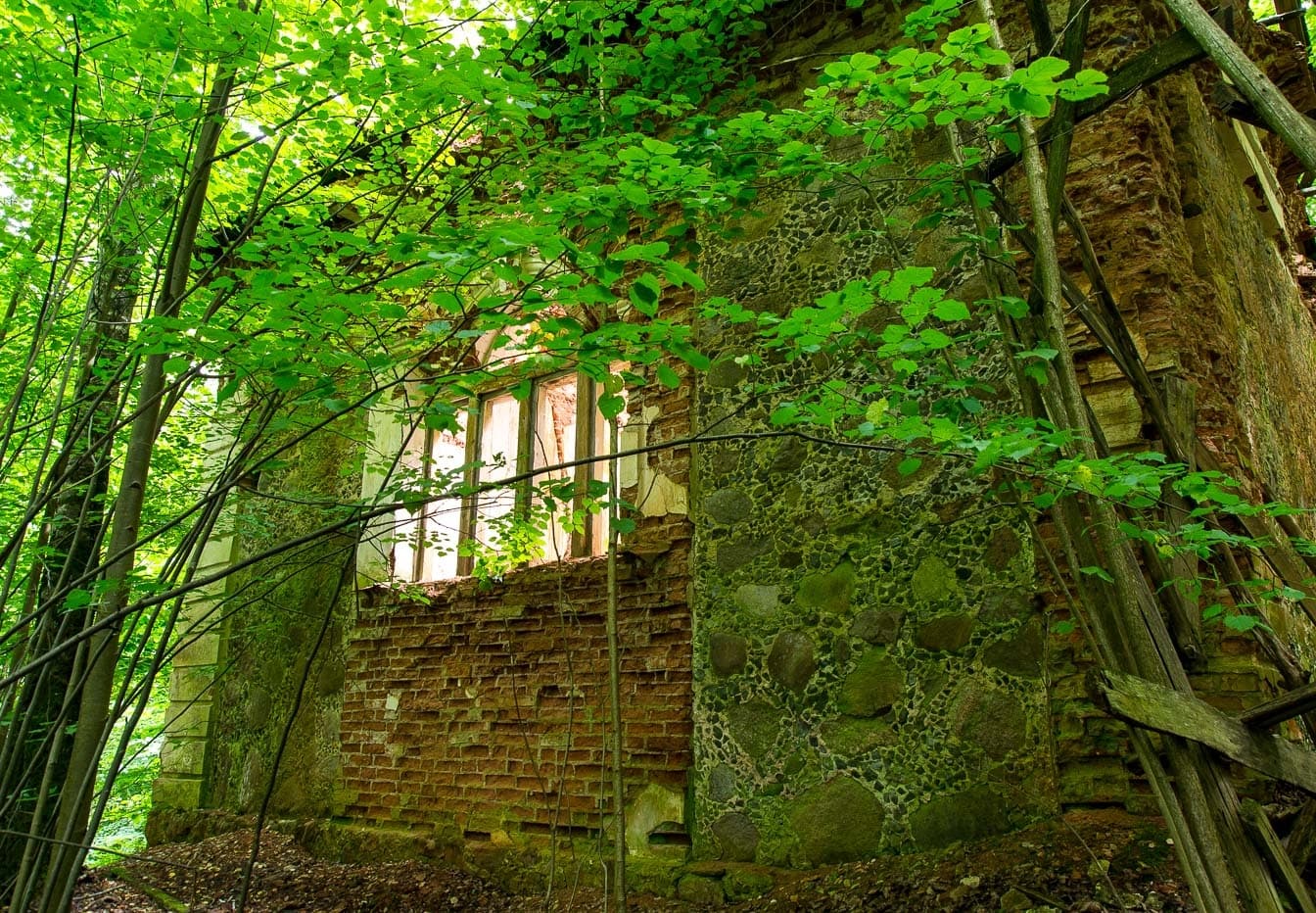
An architectural monument of the second half of the 19th century, built by a noble princely family. Two-level structure: the upper tier is a chapel, the lower one is a family crypt. He is currently in critical condition. The central walls are made of brick, the side walls are made of stone. In Soviet times, it was looted and partially destroyed. Ceilings have collapsed inside, and desolation reigns. The cultural heritage site is on the verge of complete extinction. Hurry up to see!
Categories

Ruins

Historical
Comments
Reviews to the Place
1Ольга Ерёменко
23.03.2026
The dying necropolis of the Princes of Drutsky-Lyubetsky
Deep in Belarus, among the familiar landscapes of the middle belt, there are places where time flows differently. Here it does not just erase borders, but mercilessly destroys evidence of former greatness. The village of Mankovichi is one of these places. It is here, among the centuries-old trees and thickets of shrubs, that the chapel-tomb of the noble Polish-Lithuanian Drutsky-Lubetsky family lives out its last days.
When you drive up to this place, the first feeling that grips is bitterness. The chapel is in a deplorable, even critical condition. At first glance, the remains of scaffolding attached to the walls catch the eye. It seems that someone once wanted to save this monument, had a hand in it, but never brought the matter to an end. Today there are no workers here, nor any traces of active reconstruction. The forests look like the scenery for a tragic play, frozen in anticipation, which probably will not follow.
A story in stone and brick.
The chapel was built in the second half of the 19th century. It was not just a religious building, but a family crypt, the last refuge for representatives of one of the oldest families of the Grand Duchy of Lithuania. The architecture of the building reflects the pragmatism and class symbolism of that time. The architects used combined masonry: the central part of the walls is made of brick, which gave the building a formal and austere appearance, while the side parts are made of a rougher but reliable natural stone.
Initially, the building was two-level. The upper tier served as a chapel, a place for prayers and memorial services, where local residents and family members could come. The lower tier is the family crypt itself, a gloomy and quiet place where princes and princesses rested in lead coffins.
The barbaric twentieth century.
With the advent of Soviet power, the history of the Drutsky-Lyubetsky family, like many other noble dynasties, was crossed out. The chapel, as an object "alien to the proletarian consciousness", was looted. The interior has disappeared: unique icons and church utensils were probably destroyed or taken away. The building itself was partially destroyed.
What happened to the remains of the princes buried in the crypt? Today, it is impossible to find any specific information about this in open sources. Whether they disappeared during the hard times, were desecrated by vandals, or are still buried under rubble of broken bricks is anyone's guess. This suspense adds even more tragedy to the place.
That's what we're losing right now.
Today, once inside, it's hard to believe that an atmosphere of reverent silence once reigned here. The interior of the tomb turned into chaos. The ceiling collapsed a long time ago, revealing a view of the sky through the empty openings of the arches. The floor, once lined with stone slabs, is hidden under a layer of rotten boards, debris and broken bricks.
Nature does not tolerate emptiness. Water seeping through cracks in the masonry, wind blowing mortar out of the seams for years, and temperature fluctuations do their dirty work much faster than any vandals. Bricks crumble, stone blocks slide. It seems that the building is shrinking by itself, settling into the ground.
When you see all this, it becomes really sad. The tomb chapel in Mankovichi is not just ruins. This is part of our common history, the gene pool of culture. A little more, and there will be no trace of the unique monument of architecture and history for the region. Wind, water and time themselves are doing a great job of destroying our heritage. They absolutely do not need to be helped by indifference. We can only hope that this place still has a chance to be saved before we lose it forever.