
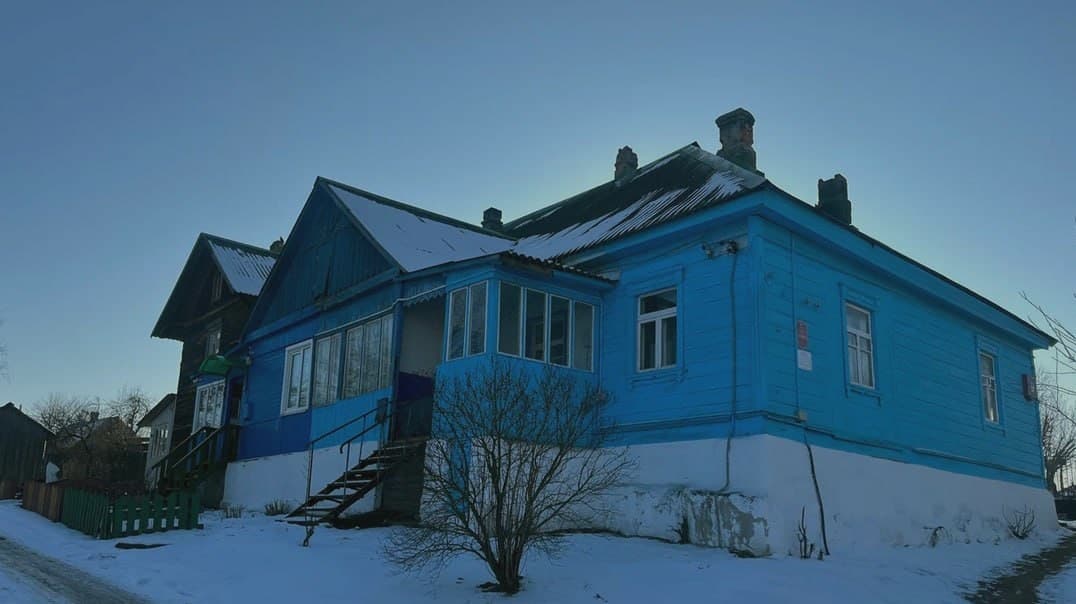
Logoisk. A former linen factory.
Landmark
Minsk region, Logoisk, Sovetskaya street, 9
Description
In 1837, Count Konstantin Tyshkevich founded a linen manufactory here, the first industrial pride of Logoisk. About 50 looms produced dense cloth and fine fabrics of high quality. Local flax was mixed with English cotton from Manchester, and the finished products were sold throughout the province and exported through Riga.
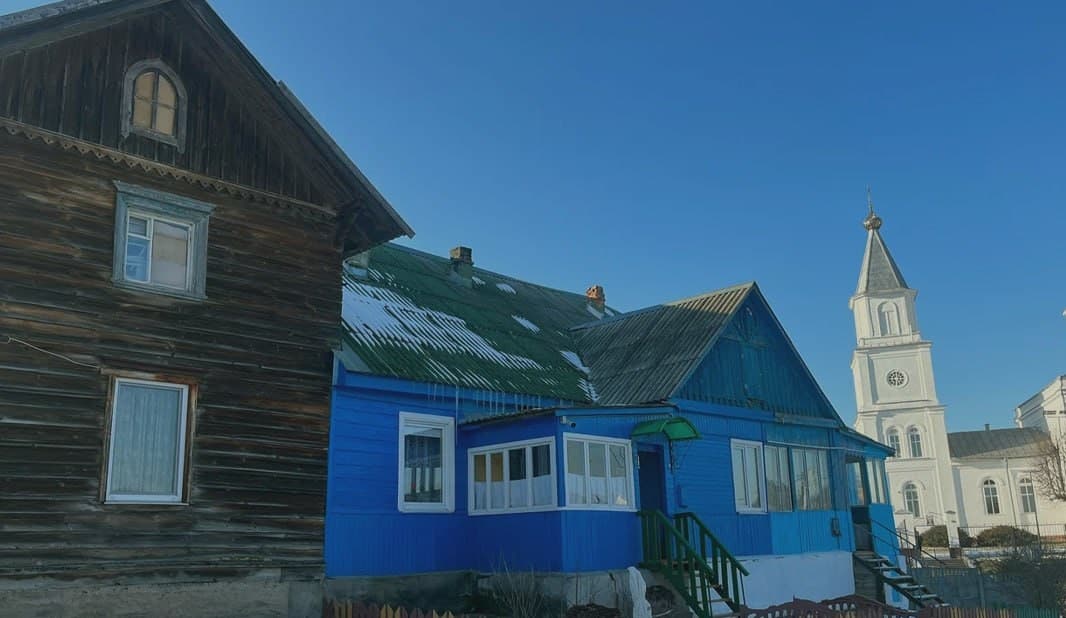
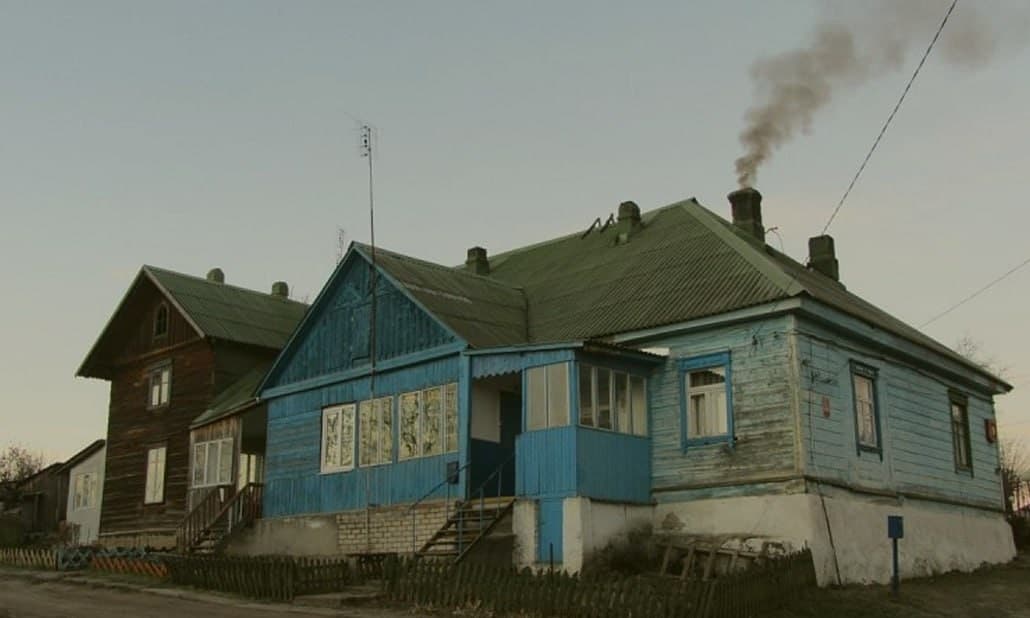
After the factory closed, the building was not empty: Jewish and Belarusian schools worked here. During the war, the premises were occupied by the Gestapo, and the school reopened after liberation. Later, the former factory was rebuilt into an apartment building, a function that it still performs today.
In 2007, the factory received the status of a historical and cultural value of regional significance. Today it is a rare witness to the Tyshkevich estate and a reminder of the time when Logoisk was not only a noble center, but also an important industrial town in Belarus.
Categories

Historical

Architectural monument
Comments
Reviews to the Place
1Ольга Ерёменко
19.07.2026
The oldest factory in Logoisk: the history of a building that has survived three eras.
A breakthrough for a small town
The year 1837 was a turning point in the history of Logoisk. Count Konstantin Tyshkevich, a representative of the famous magnate family, collector, archaeologist and philanthropist, decided to breathe new life into his estate. He founded a linen factory for the production of linen and cotton fabrics.
For a small town that used to be perceived only as a noble residence, this was a real economic breakthrough. The company has installed about 50 looms. Raw materials were purchased from local flax farmers, and cotton yarn was ordered from Manchester itself, the textile capital of England. The finished products were sold throughout the Minsk province, and the best shipments were shipped through the port of Riga for export to Europe.
Local fabrics were especially appreciated: here they were able to make both dense household linen and fine high-quality fabrics. The factory employed mostly serfs, but unlike agricultural work, weaving gave them the opportunity to master the craft and gain a new social status.
The fate of the building: school, Gestapo, apartment building
In the middle of the 19th century, the factory closed - the exact reasons have not been preserved, but probably the company could not compete with the larger manufactories of the Russian Empire. However, the building was not empty.
At first, it housed a Jewish heder school, where children were taught the basics of Judaism and literacy. Later, at the end of the century, the Belarusian folk school occupied the premises.
The darkest period came during the Great Patriotic War. After the occupation of Logoisk, the building was occupied by the Gestapo, where underground fighters and civilians were interrogated and tortured. After the liberation of the city in 1944, the school returned to the former factory, and when a new modern building was built, the premises were converted into an apartment building. It is noteworthy that people still live here today - the Tyshkevich factory continues to serve the city, albeit in a completely new capacity.
The architectural pearl of classicism
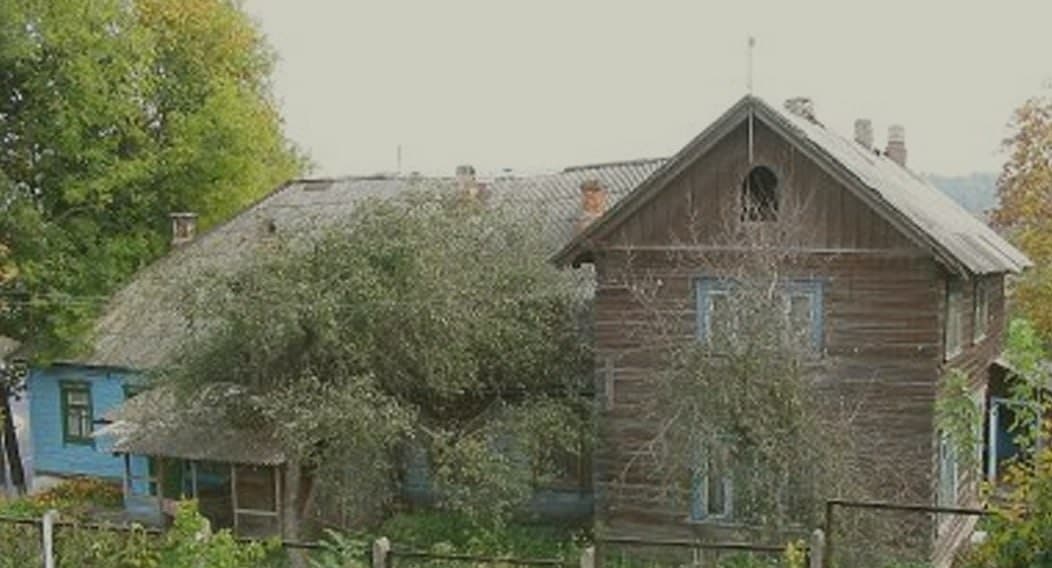
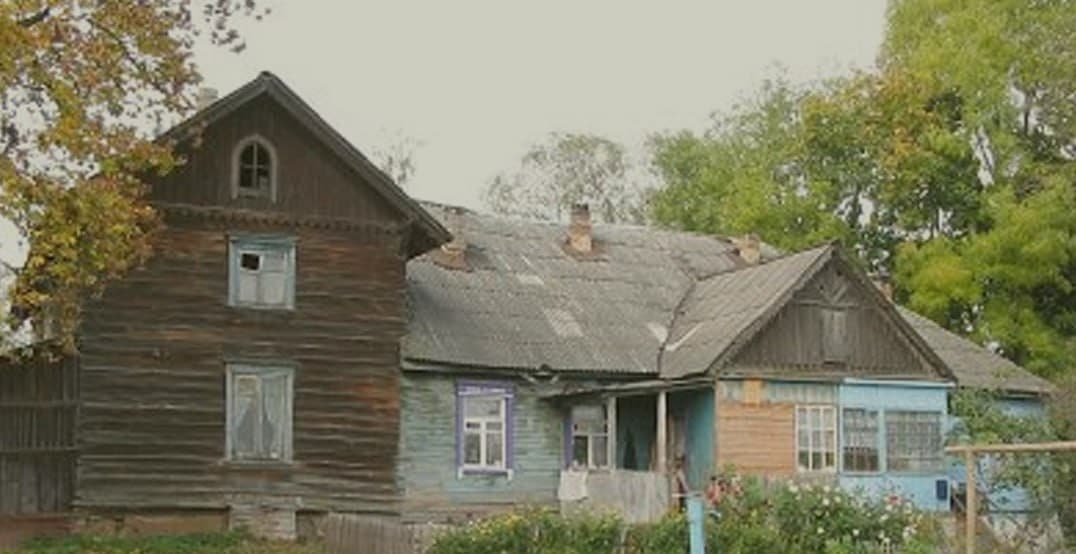
The building has surprisingly retained its original layout. This is an L-shaped volume, made in the style of classicism - strict and noble. It is based on a high stone foundation, while the walls are wooden, which is typical of provincial buildings of that era.
The main architectural pride is a two-story veranda with a decorative carved pediment. It forms a recognizable silhouette of the building, which stands out even against the background of modern buildings. The facades are concise, without excessive decoration, but the precise proportions betray the hand of a good architect, who probably worked on behalf of the Tyshkeviches.
Fragments of the manor park and outbuildings have been preserved nearby, but the main asset is the main building, which for many years was the heart of Logoisk's industrial life.
Why is this important today
In 2007, the former linen factory received the official status of a historical and cultural value of regional significance. This is not just a formality - the building is recognized as one of the few surviving evidences of the industrial history of Belarus in the 19th century.
Today it reminds us that Logoisk was not only a noble nest of the Tyshkeviches, but also a full-fledged industrial center of its time. Serf weavers, Jewish students, Belarusian schoolchildren, victims of Nazism, post-war teachers and, finally, modern residents passed through the walls of this factory. Everyone has left their mark, and the building continues to stand for almost two centuries.
This is not a museum - it is a living history that breathes, creaks the floorboards and is still part of the urban landscape. And if you're lucky, one of the old-timers will tell you how, as children, they played hide-and-seek in former weaving workshops or found old shuttles from machine tools in the basements.
Travel advice: the factory building is within easy reach of the city center and other attractions of Logoisk, so it is easy to include it in the walking route. Sovetskaya Street is one of the main streets in the city, so you definitely won't get lost.