
Kolyshki. An ancient Jewish cemetery.
Landmark
Vitebsk region, Liozno district, Kolyshki village
Description
The ancient Jewish cemetery in Kolyshki is one of the most significant in Vitebsk region. At the beginning of the 20th century, it was a thriving Jewish town, the history of which is described in Arkady Shulman's book "Where the Kolyshki Came From".
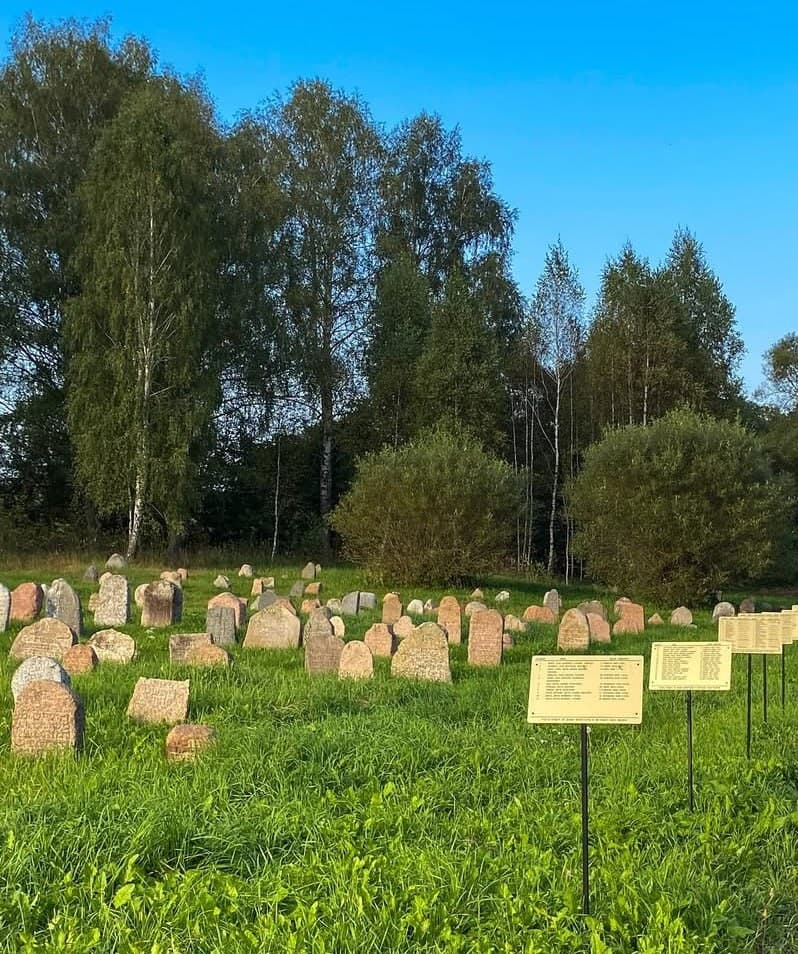
Matsevs of the XVIII–XX centuries have been preserved here. According to some reports, up to 4,000 people are buried in the cemetery, and about 450 tombstones are visible today. During the Second World War, the community was destroyed. The necropolis has become a silent witness to a bygone era and the only reminder of people whose descendants have not returned to these places.
Categories

Historical
Comments
Reviews to the Place
1Ольга Ерёменко
26.03.2026
Kolyshki: voices of a bygone place
In the depths of the Liozno district, among the picturesque hills of Vitebsk region, the small village of Kolyshki was lost. Today it is a quiet corner of Belarus, but even at the beginning of the 20th century, life was in full swing here, the heart of one of the most prosperous Jewish towns in the region was beating.
The history of these places is not just the dry lines of archives. These are the destinies of people, their faith and hopes, which are forever imprinted on the earth. You can immerse yourself in the atmosphere of that time, learn about the way of life and traditions of the inhabitants of Kolyshki thanks to the painstaking work of researcher Arkady Shulman, who described these places in detail in the book "Where did the Kolyshki come from". But there is a place here that speaks to the visitor directly, without intermediaries - an ancient Jewish cemetery.
The mute testimony of the ages.
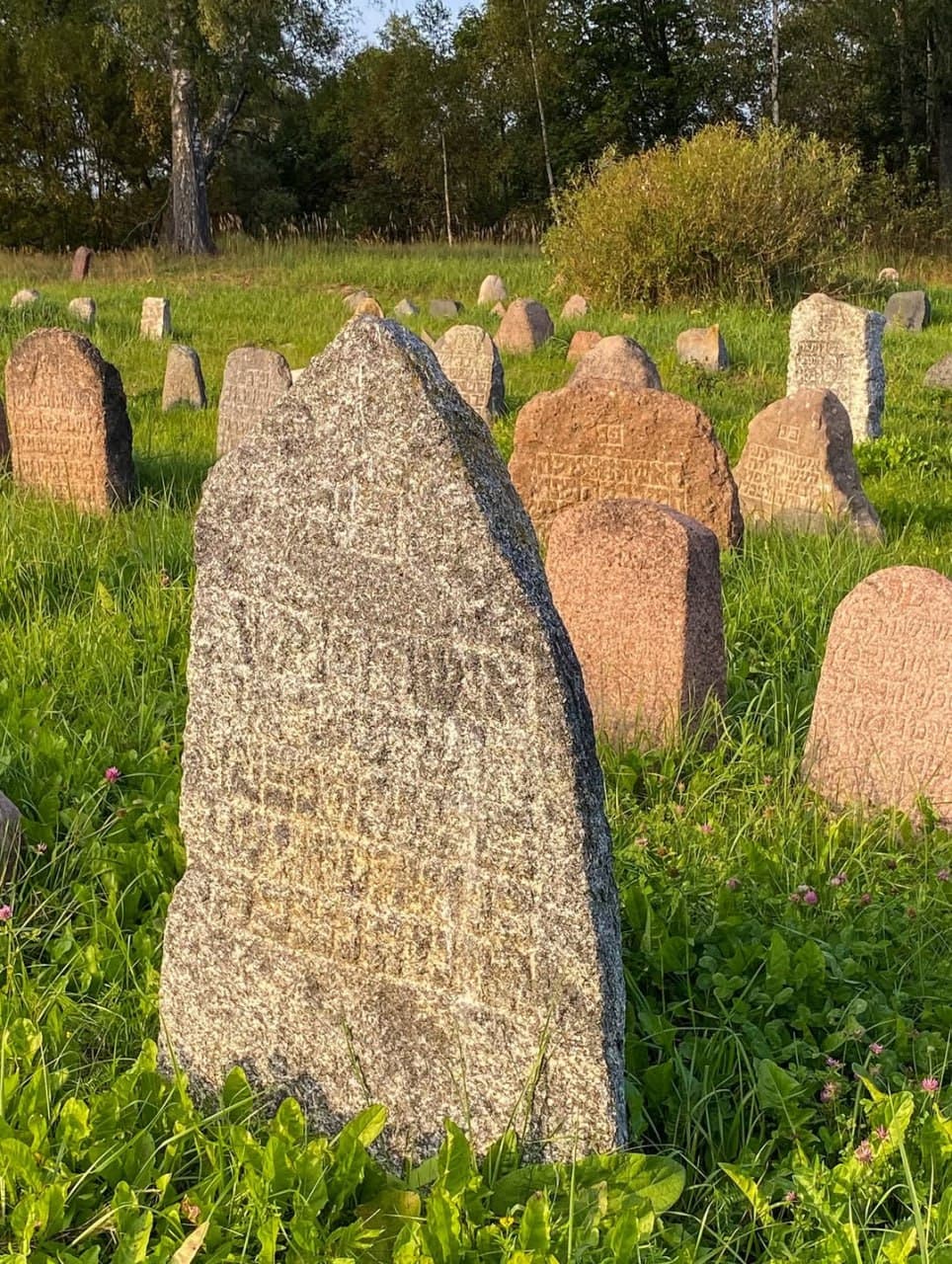
This cemetery is rightfully considered one of the most significant in Vitebsk region. The main witnesses of that era are the matsevas (tombstones). Unlike many other graves destroyed by time or wars, stones dating back to the 18th, 19th and early 20th centuries have been preserved here.
Stone carvings, strict or ornate inscriptions in Hebrew - each matseva preserves the memory of a specific person. Scientists and local historians note that the stylistics of these tombstones can be traced to the evolution of traditions and even the social status of those buried. It is estimated that up to 4,000 people have died in this necropolis - entire generations of rabbis, artisans, merchants and their families.
Today, about 450 mats are visible on the surface of the earth. The rest went into the ground or were lost in hard times, but the memory of those who lie here continues to live.
Tragedy and memory.
The Great Patriotic War put a tragic end to the history of the Jewish community of Kolyshki. The town, like thousands of other settlements in Belarus, was occupied, and its inhabitants were destroyed during the Holocaust. The old cemetery turned out to be almost the only tangible reminder that there was once a rich spiritual and cultural life here.
The descendants of those who rest under these ancient stones will not return here. But this place has not been forgotten. It turned into a memorial.
There is a memorial sign for the victims of the war on the territory of the cemetery. This is a separate memorial stone, recalling the tragedy of the Jewish population, shot by the Nazis during the occupation. It stands as a symbol of sorrow and the inseparable connection of time.
What is important to know.
Visiting this place requires a special attitude. This is not just a tourist attraction, it is a place of silence and contemplation. According to Jewish tradition, visitors to the cemetery leave small stones on matsevas as a sign that the soul of the deceased is not forgotten.
Today, the ancient cemetery in Kolyshki is a testament to the bygone era of the shtetl, which was tragically interrupted by the war. This is a place where every stone holds a story, making us think about the fragility of the world and the importance of preserving memory for future generations. By coming here, we return the names of those who once considered this land their home.