
Knyazhitsy. The Carmelite Monastery.
Church
Mogilev region, Knyazhitsy

Description
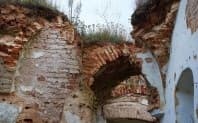
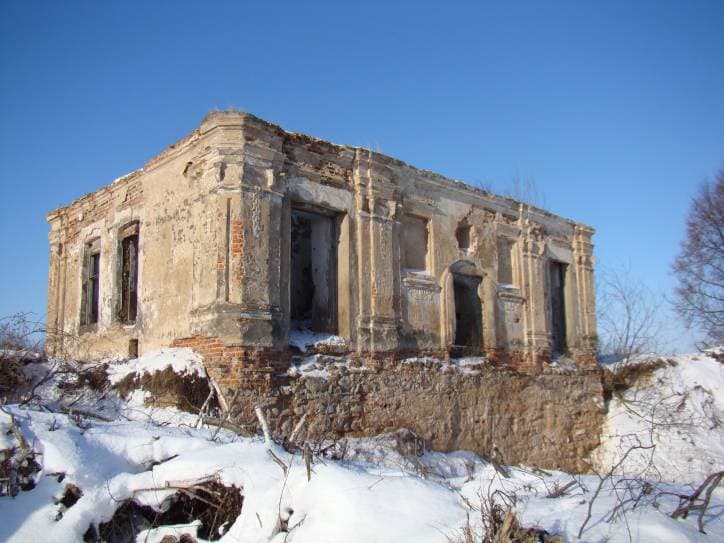
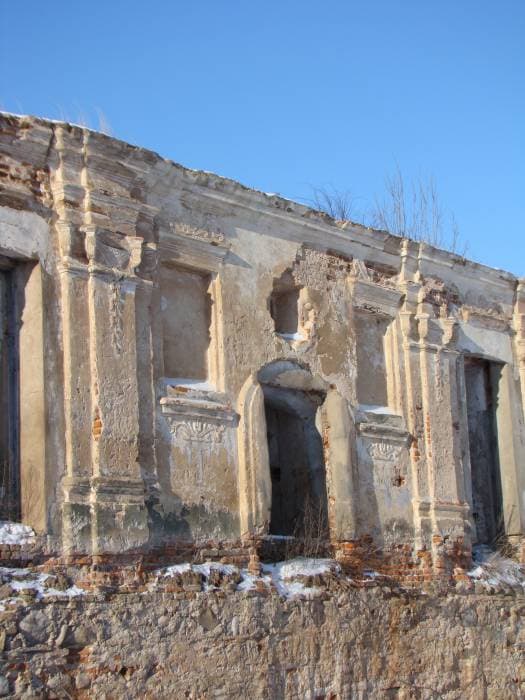
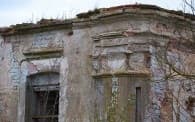
In the Mogilev region, among the fields near the village of Knyazhitsy, the ruins of the once majestic Carmelite Monastery rise. Founded in 1681 as a wooden church, in the 18th century it turned into a stone pearl of Belarusian architecture. Consecrated in honor of St. Anthony, the monastery experienced a flourishing, closure, reconstruction into an Orthodox church and oblivion in the 20th century. Today, this place, shrouded in the mysteries and atmosphere of bygone eras, attracts adventurers and connoisseurs of history.
Categories

Architectural monument

Ruins

Historical
Comments
Reviews to the Place
1Ольга Ерёменко
12.03.2026
Knyazhitsy: the ghost of Carmelite grandeur among the Belarusian fields
Mogilev region holds many secrets, and one of them is hidden in the urban settlement of Knyazhitsy. If you find yourself here, you will see a sad but majestic silhouette - the ruins of the Carmelite monastery. Once this place was a center of spiritual power and pilgrimage, but today it is a forgotten treasure that does not spare time, but also does not allow to disappear without a trace.
From a wooden church to a stone fortress.
The history of this monastery dates back to 1681. It was then that the cornet of the Grand Duchy of Lithuania, Patz, founded a wooden church here, around which a Dominican monastery began to form. The monastery reached its heyday in the XVIII century, largely due to the generosity of the descendants of the founder and the noble family of Krukovsky.
In 1750, the era of monumental construction began. Instead of wood, stone came. The construction of the brick temple lasted for decades. Already in 1780, the Archbishop of Mogilev consecrated it in honor of St. Anthony. However, the work was not fully completed until 1791. This majestic church was to become a symbol of the order's indestructible faith and power.
An era of change and oblivion.
The idyll did not last long. After the suppression of the uprising of 1830-1831, the Russian authorities began a policy of eliminating uniatism and the influence of the Catholic Church. In 1832, the monastery in Knyazhitsy was abolished. And in 1863, after another uprising, the church was completely closed. The building suffered the fate of many temples of that time - it began to be rebuilt into an Orthodox church, erasing the original architectural idea.
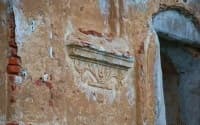
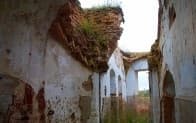
But the most terrible test for the monument was the 20th century. Wars, lack of proper care, change of ideologies - all this has led to the fact that the former center of spirituality has turned into ruins. Today we see only the skeleton of a once magnificent structure. The wind blows through the empty eye sockets of the windows, and the walls, remembering the magnificent services of the XVIII century, are slowly overgrown with moss.
What are the walls hiding?
Despite its deplorable condition, the Carmelite Monastery in Knyazhitsy continues to attract adventurers and connoisseurs of antiquity. This place has an amazing atmosphere of fading beauty. Looking at these walls, you can't help but think about the transience of time and the greatness of history, which is crumbling before our eyes.
The monastery is full of mysteries. Where exactly do the ashes of its founders rest? What secrets do the basements hold, perhaps not yet fully explored? And the main question is: will it be possible to preserve what is left for future generations?
Today it is not just ruins. This is a stone chronicle of our land, a story about faith, wars and human destiny. To see the depth of the tragedy and beauty of this place with your own eyes, we suggest you immerse yourself in the atmosphere of history.
Don't let the memory disappear. Come to Knyazhitsy to touch the history, while there is still something to touch.