
Khotimsk. Khotimsk Museum of Local Lore.
Museum
Belarus, Mogilev region, Khotimsk, Dzerzhinskiy str., 13A
Description
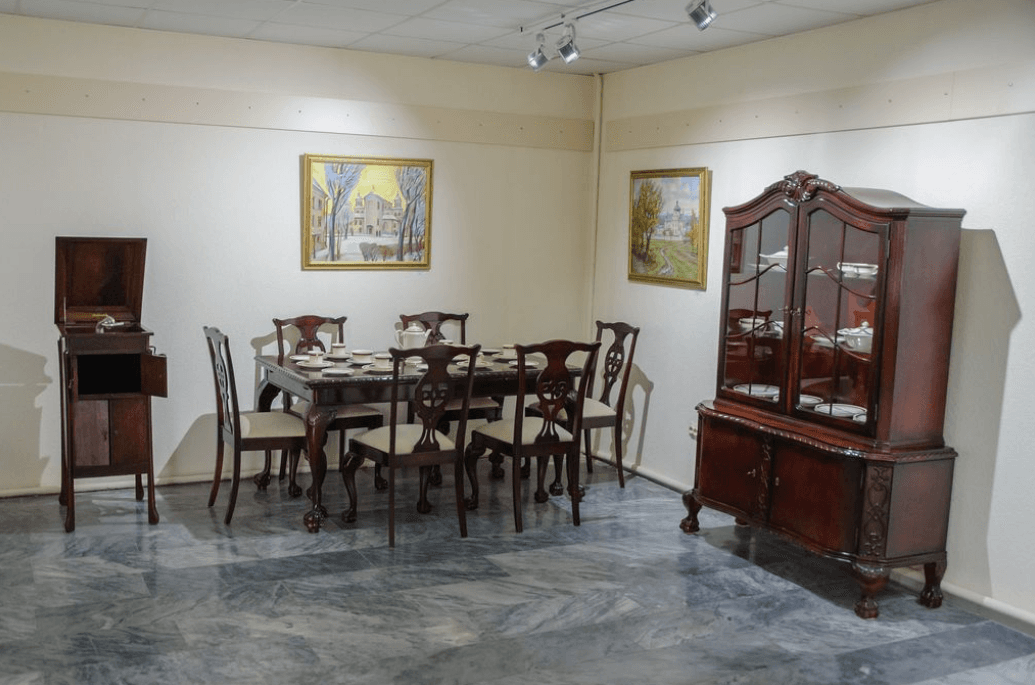
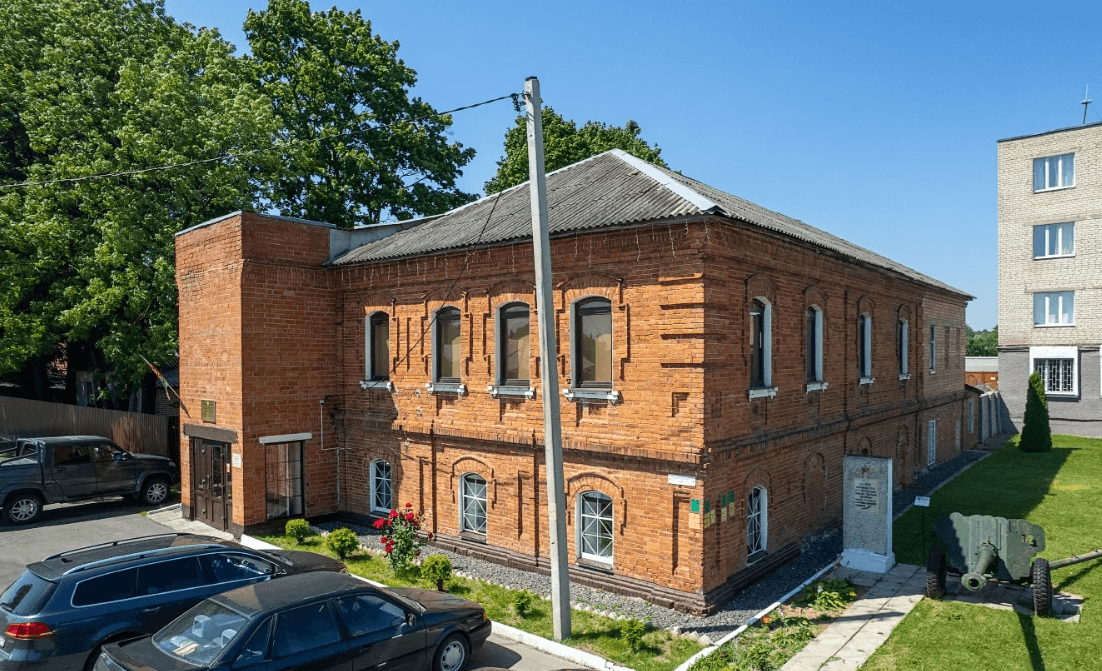
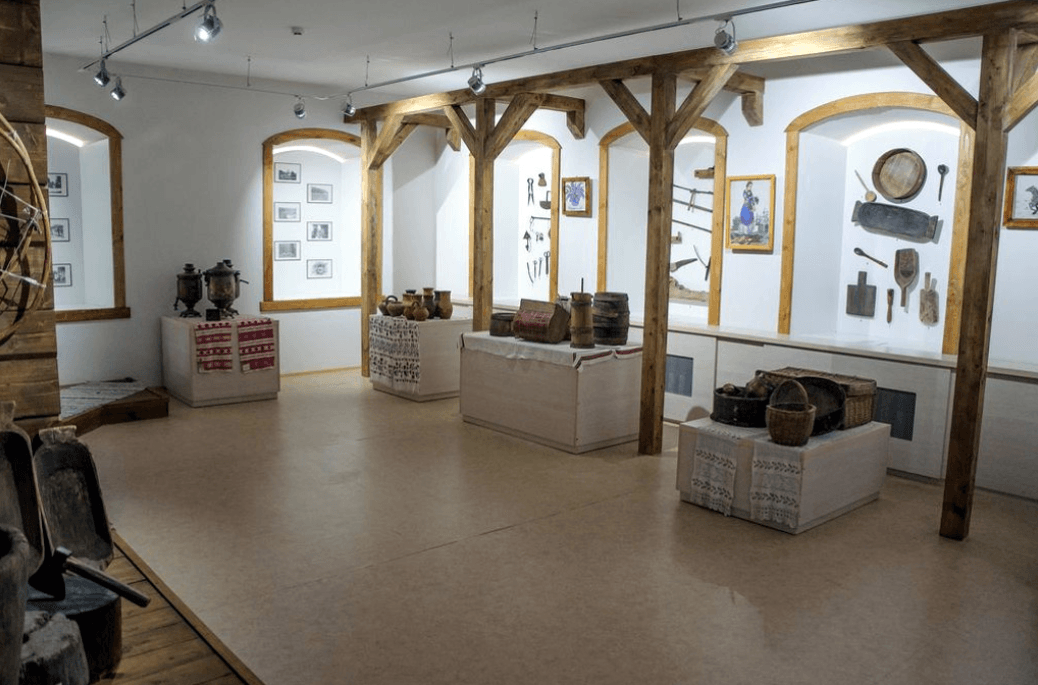
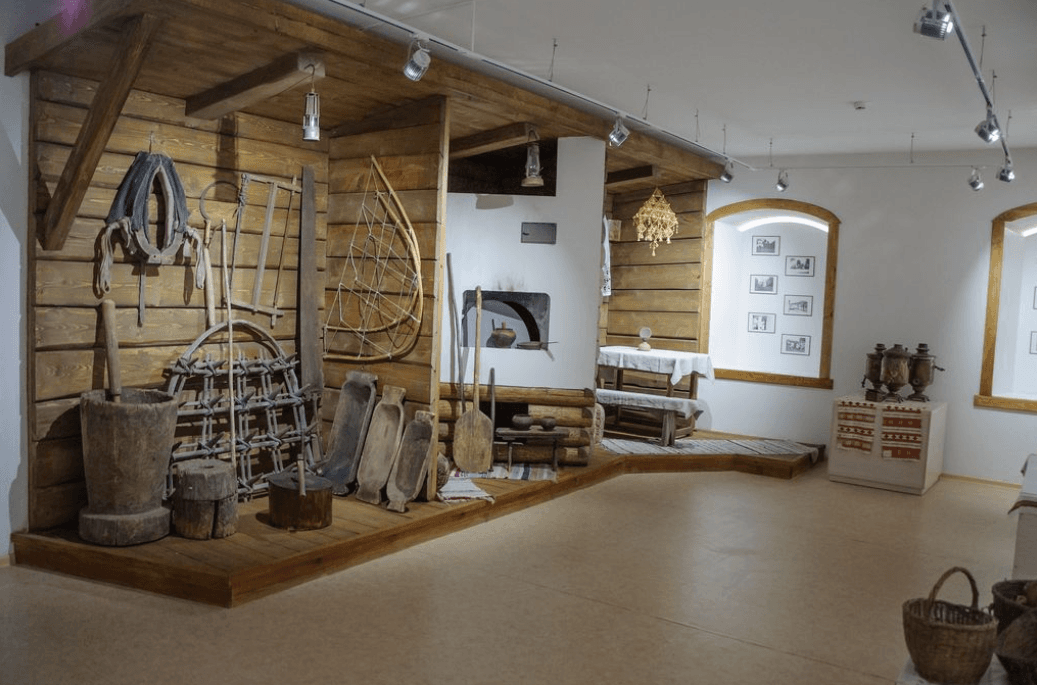
The Khotimsk Museum of Local Lore is a regional museum in Khotimsk, opened in 1998 and housed in a two‑story brick house of the late 19th century (the house of merchant Ivan Kamenev). The three permanent halls feature expositions on archeology, ethnography and nature of the region: from the Paleolithic and objects of the Bronze and Early Iron Age to samples of folk art (patterned weaving, products from vines, birch bark, pottery) and seasonal zoological collections. The museum combines scientific work (archaeological and ethnographic expeditions) with educational activities — thematic programs for schoolchildren, meetings with veterans and temporary exhibitions.
Categories

With children

Paid

Historical

Architectural monument

Exposition
Comments
Reviews to the Place
1Murphy Darkwalker
02.03.2026
Khotimsk Museum of Local Lore.
The Khotimsk Museum of Local Lore is one of the youngest museums in the region, established in 1996 and opening its first exhibitions in 1998, the year of the 600th anniversary of Khotimsk. Its placement in the pre‑revolutionary brick house of merchant Kamenev adds an additional historical layer to the place: the building, built in the 1880s, went through nationalization, served as an administrative building and even housed the district department of the NKVD before becoming a cultural center. This "living" history of the building makes the museum not only a repository of exhibits, but also an independent architectural evidence of local history.
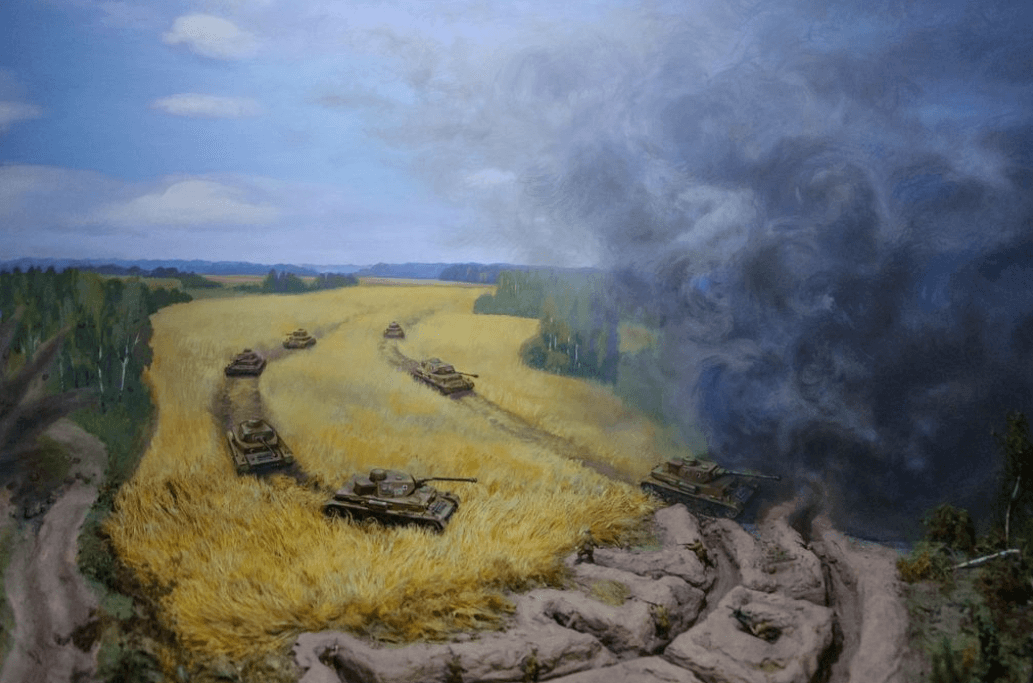
The museum's collections number several thousand items, systematized in three main areas. The archaeological exposition shows material complexes from the Paleolithic to the Middle Ages: tools, ceramic fragments, bronze and iron products, mock-ups of reconstructions of the epochs. These collections reflect the long history of the settlement of Khotimsk region and serve as a base for archaeological expeditions, which the museum regularly conducts to replenish funds and scientific study of the territory.
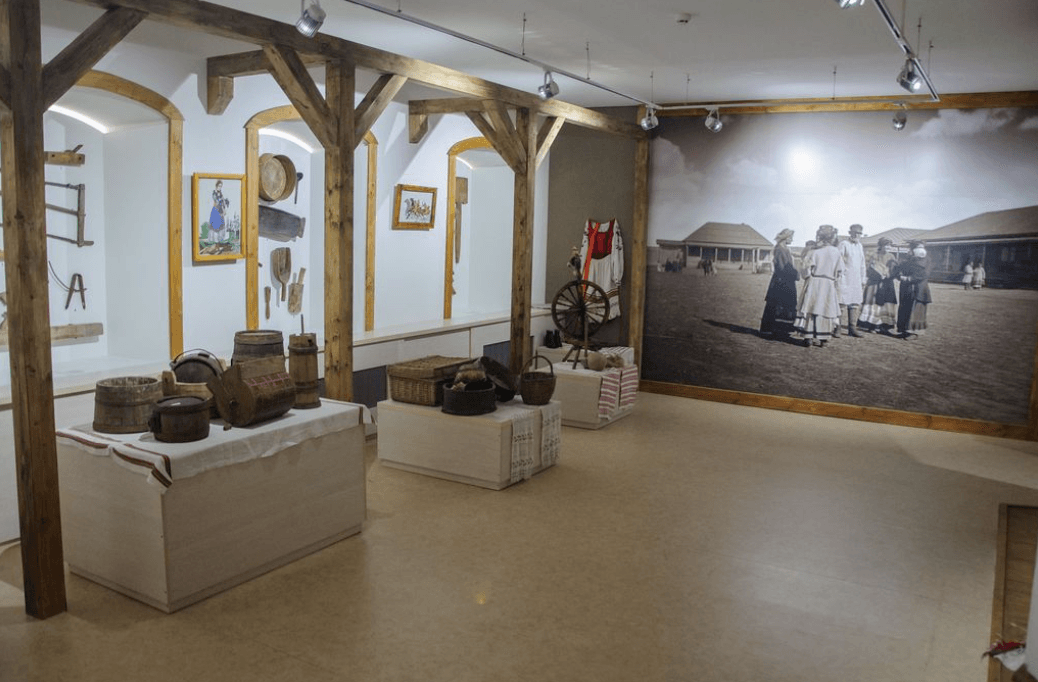
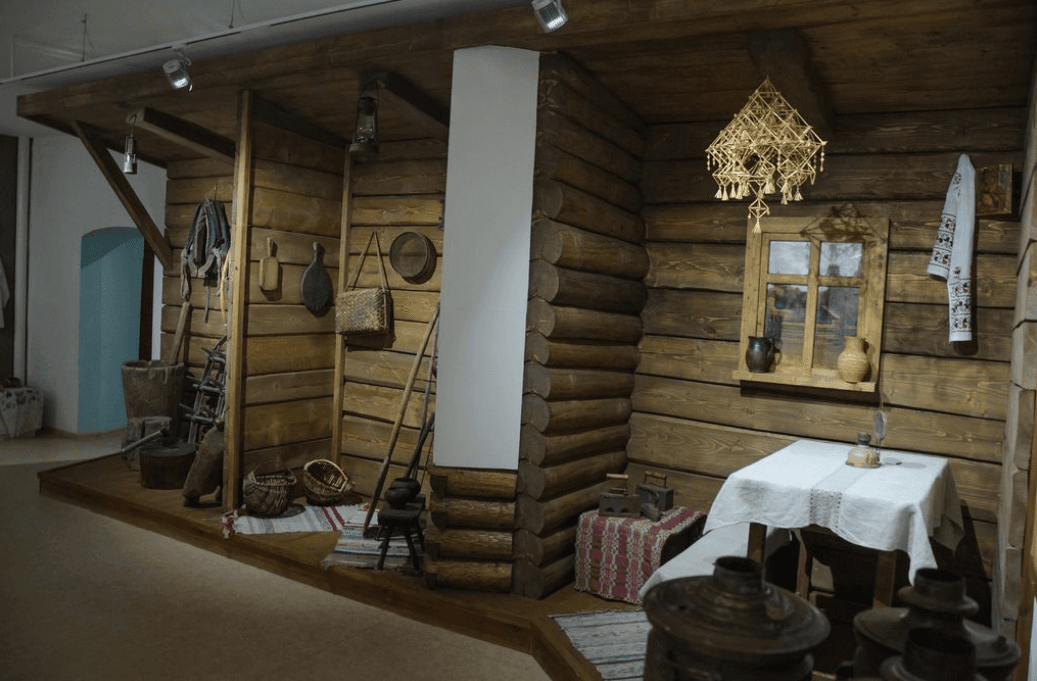
The ethnographic hall is a concentrate of folk art: hand-patterned weaving, embroidery, towels, products from vines, bast and birch bark, pottery and wooden products. The exhibits show the everyday culture of the region during the heyday of crafts and give an idea of traditional crafts, clothing and household lifestyle. The museum has a straw weaving circle and regularly organizes exhibitions of works by local craftsmen, which maintains a lively connection between the museum collection and modern artisans.
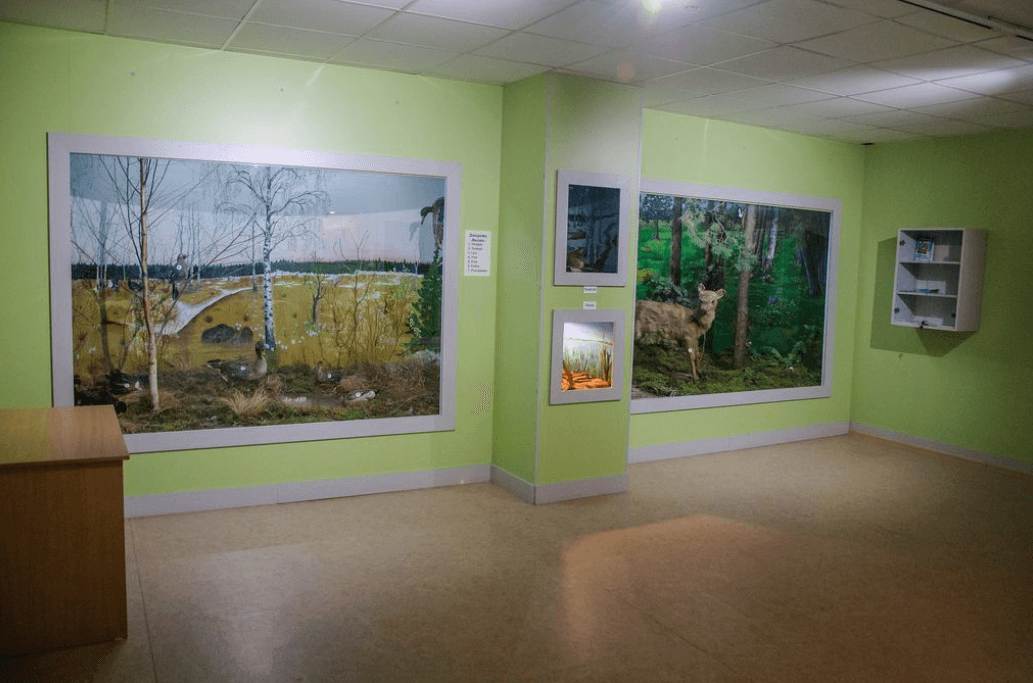
The Nature of the Native Land hall is decorated according to the principle of seasonality: summer, autumn, winter, spring. There are zoological exhibits and materials illustrating the richness of the flora and fauna of Khotimsk region, as well as the relationship between man and nature. This presentation makes the exhibition understandable and visual for schoolchildren and families with children, emphasizing the importance of protecting the natural heritage.
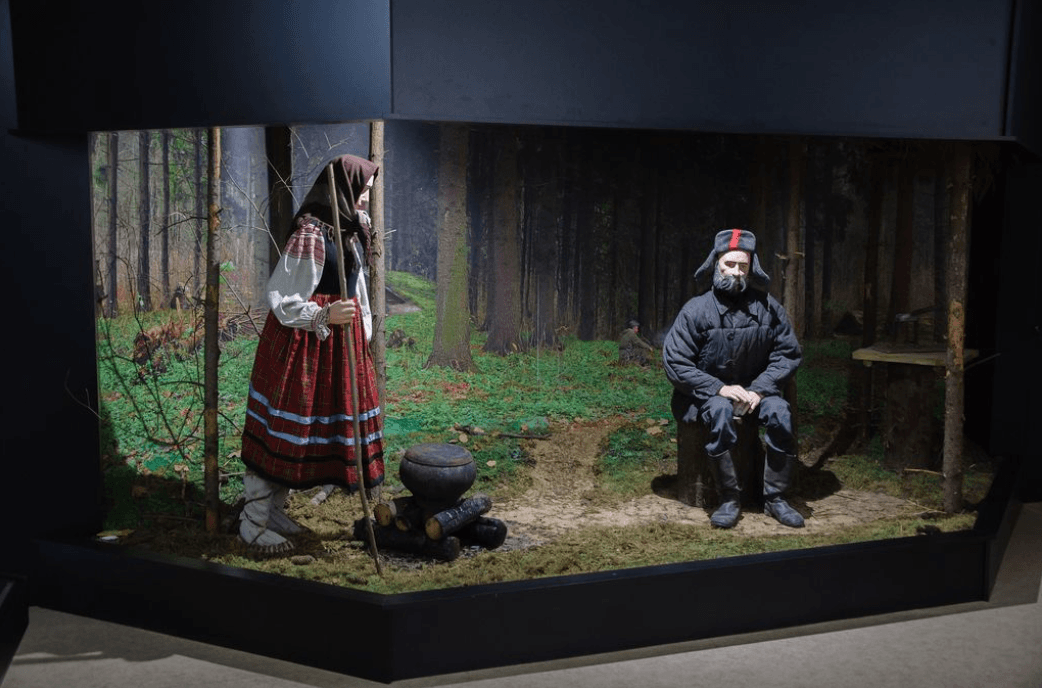
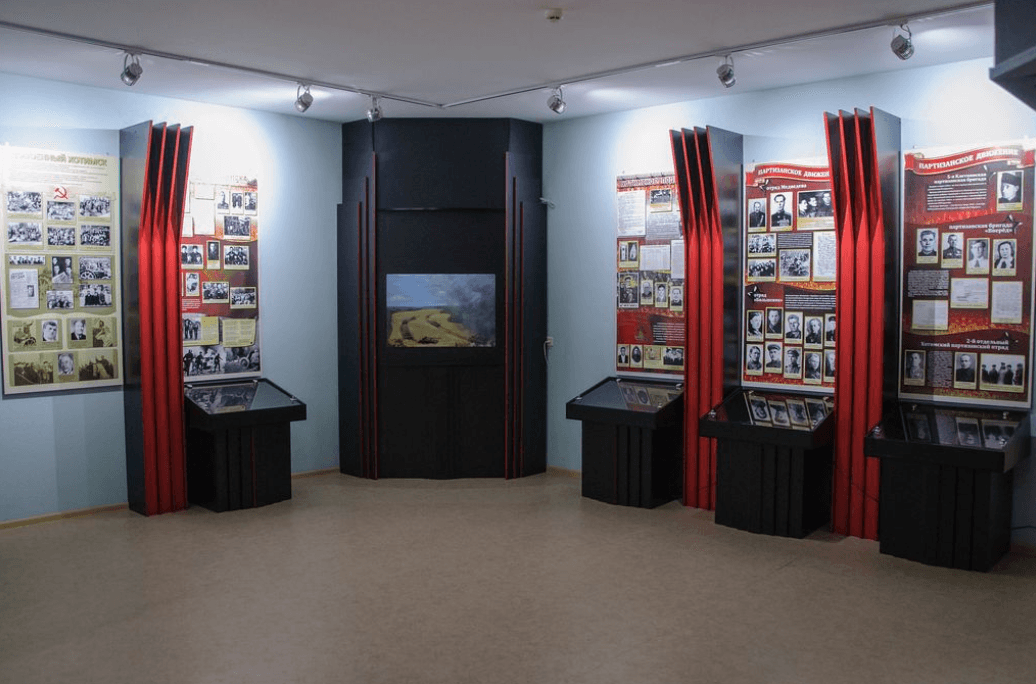
The museum actively performs an educational function: meetings with veterans of the Great Patriotic War, thematic programs about local pages of history (including sections on genocide and memory), talk shows for high school students and events dedicated to native heroes are held. In 2022, new sections appeared in the exhibition, including those dedicated to the memory of the victims of the genocide and the famous native, Major General Yakov Sharaburko. The museum offers educational programs and excursions for school groups, and the exhibition hall hosts imported exhibitions and works from private collections.
The museum is important not only as a repository of artifacts, but also as a local center of cultural life: it supports crafts, organizes archaeological and ethnographic expeditions, involves young people in studying the history of the region and preserves the memory of the difficult pages of the 20th century. A visit to the museum provides a holistic view of the development of the Khotimsk region — from ancient sites to modern social practices — and serves as a convenient stop on regional sightseeing routes, especially for those interested in the connection between history, ethnography and nature in the border territories.