
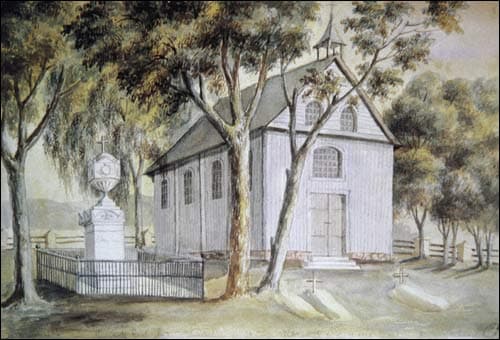
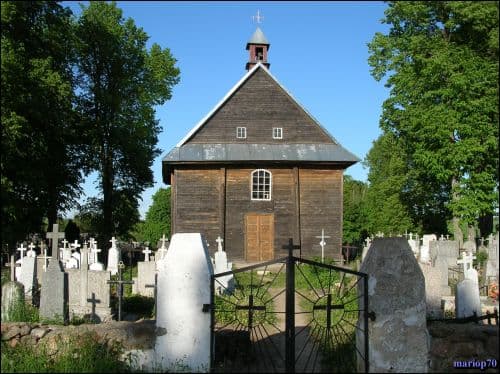
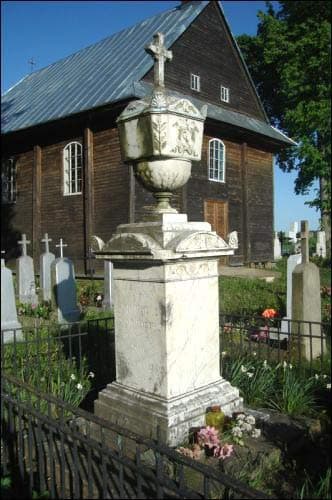
Gorodniki. The chapel and monument of the Snyadetsky family.
Landmark
Gorodniki village, Oshmyansky district, Grodno region
Description
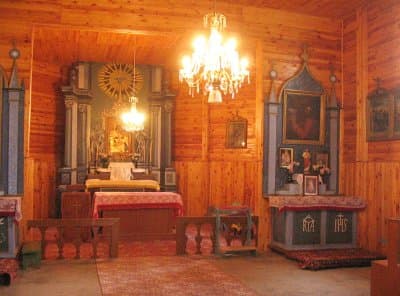
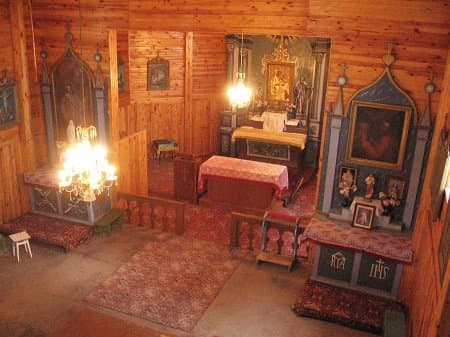
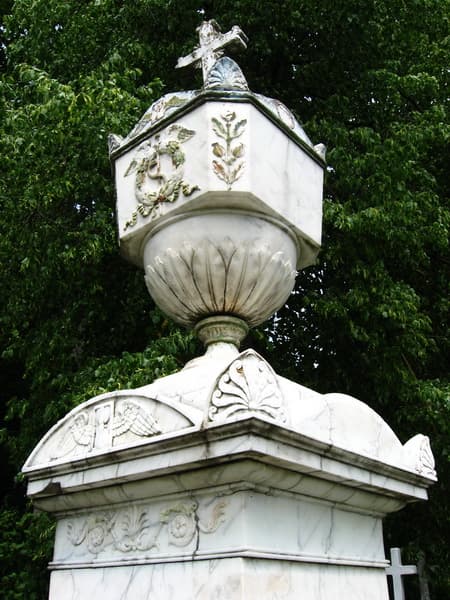
A few kilometers away from busy roads, the agricultural town of Gorodniki is lost among the hills. Here, in the old cemetery, time seemed to have stopped. A wooden chapel and an unusual monument on the grave of a representative of the Snyadetsky family are a rare reminder of people whose names are inscribed in the history of European science.
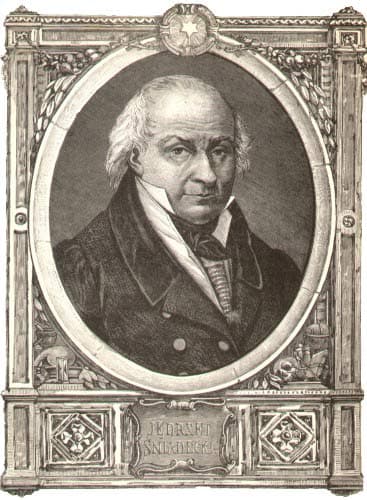
Jan and Andrzej Snyadetsky are astronomers, mathematicians, and chemists whose work has thundered far beyond the borders of the Polish-Lithuanian Commonwealth. But their roots are here, in this quiet land. The chapel remembers the touch of the masters, and the old monument preserves the secrets of a bygone era. This is not just a burial ground, but a bridge between great science and provincial silence, where greatness speaks without words, weaving into a living landscape.
Categories

Historical
Comments
Reviews to the Place
1Ольга Ерёменко
27.02.2026
A quiet trail of great names: Gorodniki and the memory of the Snyadetskys.
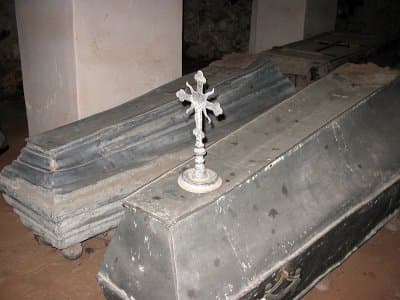
Just a few kilometers from the busy trails, lost among the hilly ridges and woodlands, stands the agro-town of Gorodniki. At first glance, it looks like an ordinary rural settlement in the west of Belarus. But if you turn off the main street and walk to the old cemetery, time not only slows down, but seems to spiral. Here, among the ancient trees, what makes this place unique has been preserved: a wooden chapel and an unusual monument on the grave of one of the representatives of the Snyadetsky family.
These are not just tombstones. This is a rare material reminder of people whose names are inscribed in the history of European science and culture, but whose fate turned out to be inextricably linked with this quiet and expressive land.
The Snyadetsky family is an exceptional phenomenon for Belarus and Poland. It is enough to recall Jan Snyadetsky (1756-1830), an outstanding astronomer, mathematician and philosopher, the first rector of the Imperial University of Vilnius, or his younger brother Andrzej Snyadetsky (1768-1838), a famous chemist, physician and biologist, who is called one of the founders of the Polish chemical school. Their achievements thundered far beyond the borders of the Polish-Lithuanian Commonwealth. But behind the dry lines of encyclopedias, a simple truth is often lost: their roots, their small homeland, their place of power were here.
Gorodniki and the surrounding estates were the ancestral nest, where the Snyadetskys returned in thought and deed. Today, only fragments of the former greatness of the family estate remain, but the cemetery preserves the memory inexorably. The wooden chapel is an example of modest but noble sacred architecture. The tree from which she was cut down remembers the touch of the hands of craftsmen, and her quiet silhouette is organically integrated into the landscape, as if growing out of this earth. Kaplitsa was not just a place of worship, but also the spiritual center of the estate, a silent witness to the joys and sorrows of several generations of the noble family.
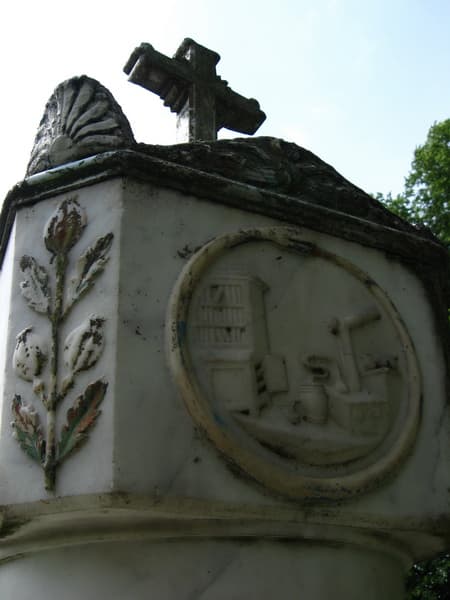
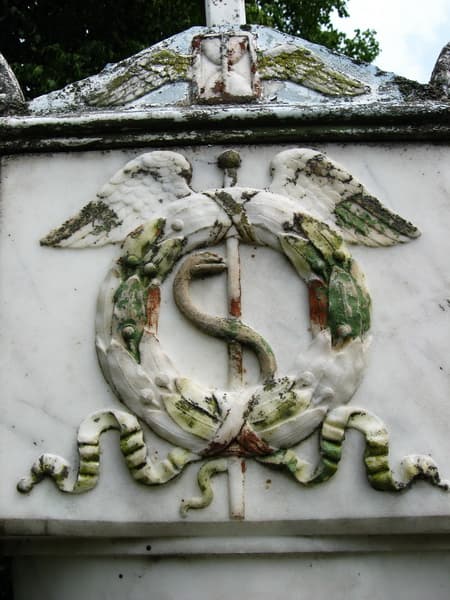
Next to the chapel is the main relic. An unusual monument on the grave of one of the representatives of the Snyadetsky family. It is strikingly different from the standard rural tombstones. You can feel the hand (or the will of the customer) in it, who is familiar with European trends in art, but at the same time imbued with the local spirit. Perhaps it is a cast-iron casting with symbolic images, or a stele with lines erased by time, or a sculptural detail reminiscent of antiquity, which was so revered by the enlightened minds of that era.
Looking at this monument, you realize that this is not just a dot on the burial map. It is a bridge between high science, metropolitan academies and provincial silence. The Snyadetskys were the first in Europe to explore the properties of new chemical elements, to write fundamental works on astronomy, but at the same time their heart belonged to this sky over the Gorodniki, these fields and woodlands.
Today Gorodniki is an agro-town living its usual life. But it is precisely such places that become a real discovery for a thoughtful traveler. There is no museum gloss and tourist crowds here. There is only the rustling of leaves over the old graves, the warm wood of the chapel, and the stone mystery on the grave of a man whose family has given the world geniuses.
When you come here, you get a very important feeling: greatness doesn't always need big monuments. Sometimes it hides in silence, in respect for the ancestors, and in the way history is organically woven into a living, breathing landscape. And while this chapel and this monument are standing, the thread of memory about the Snidetskys will not be interrupted.