
Glubokoe district. Lake Dolgoe.
Natural site
Belarus, Vitebsk region, Glubokoe district
Description
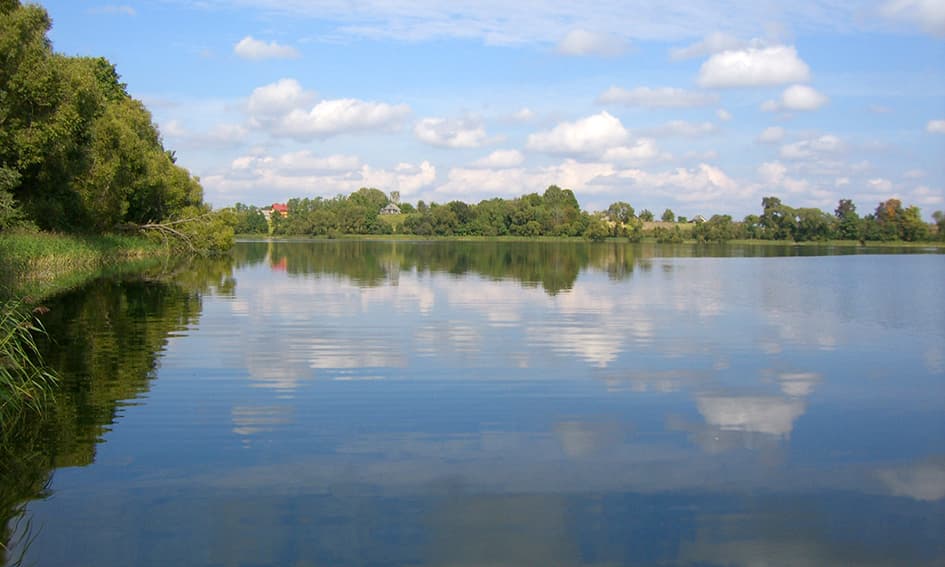
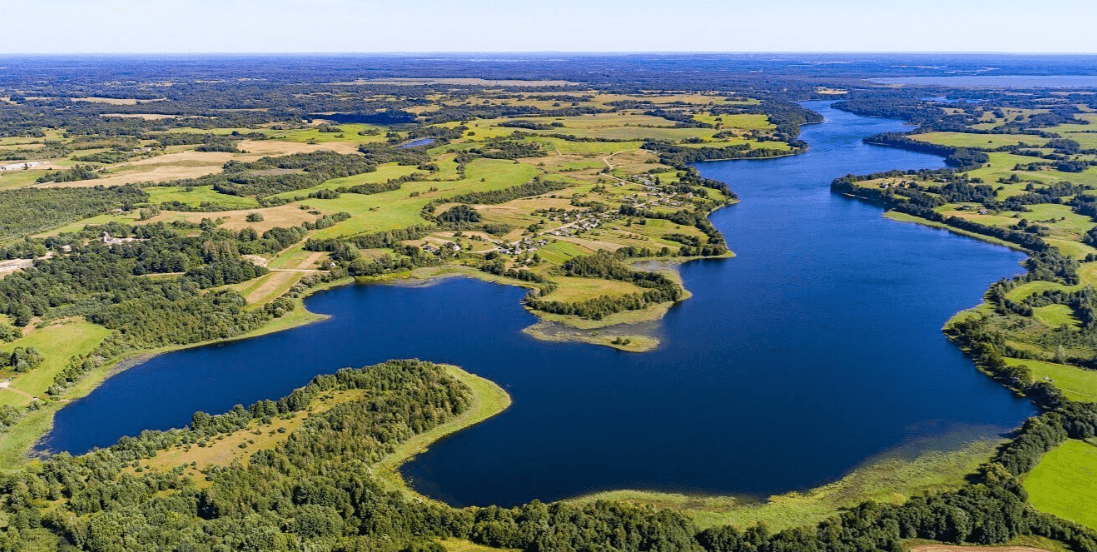
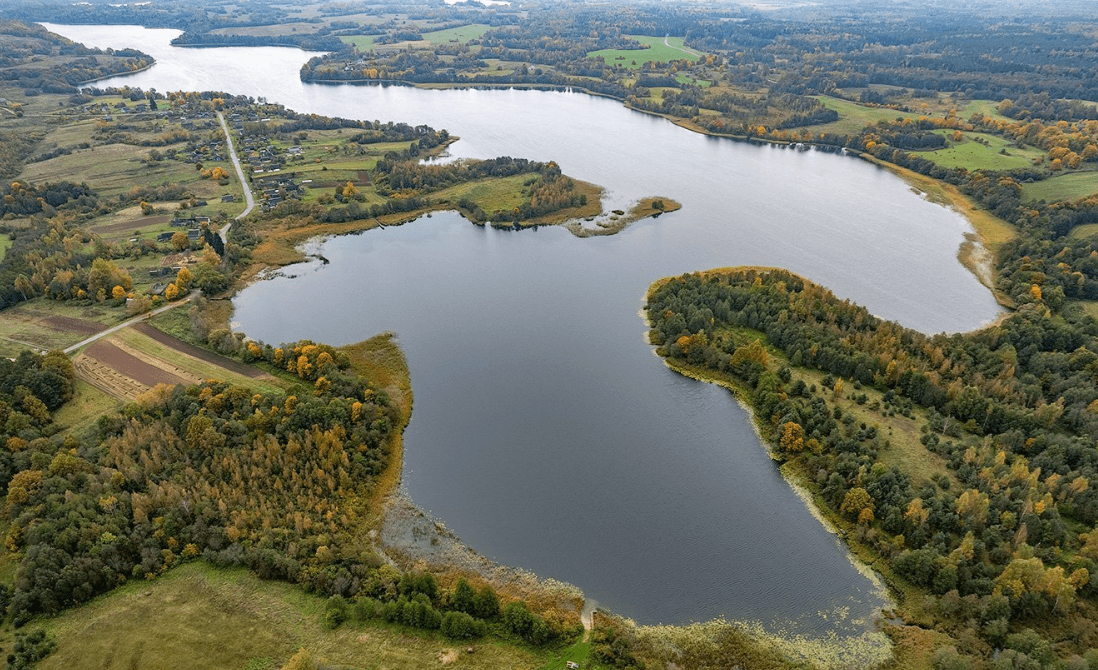
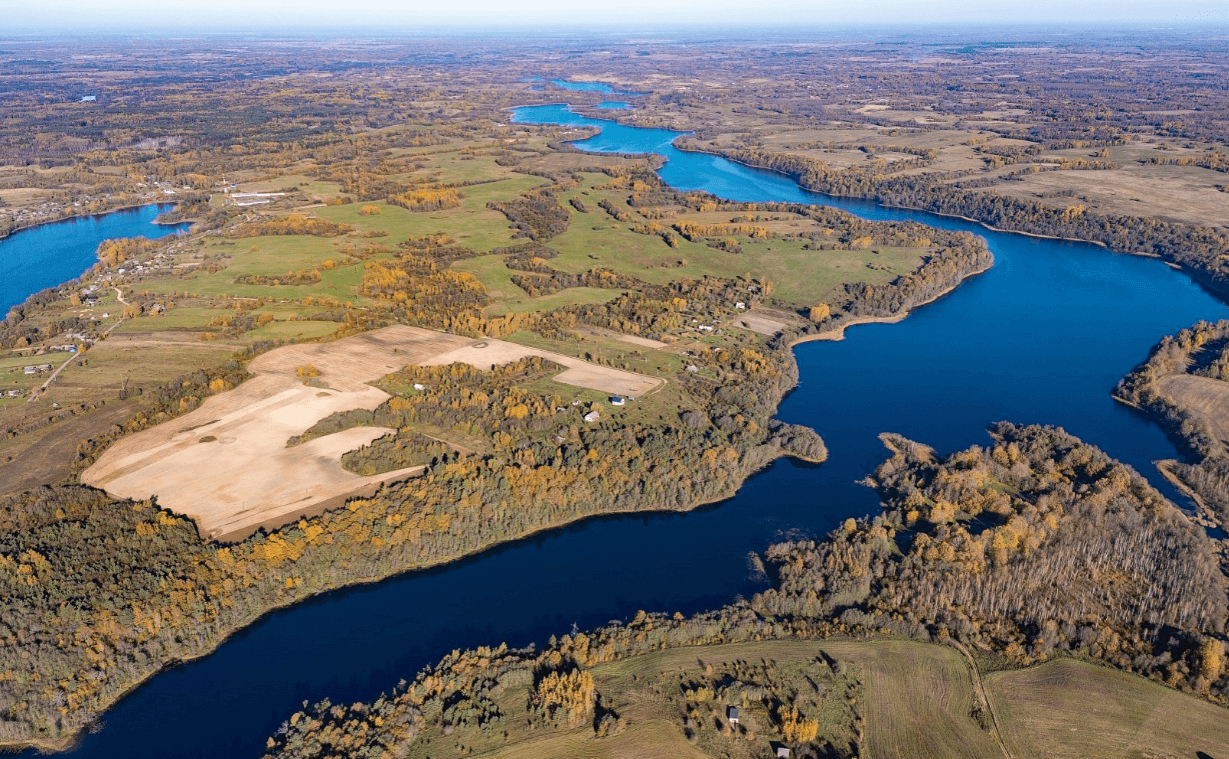
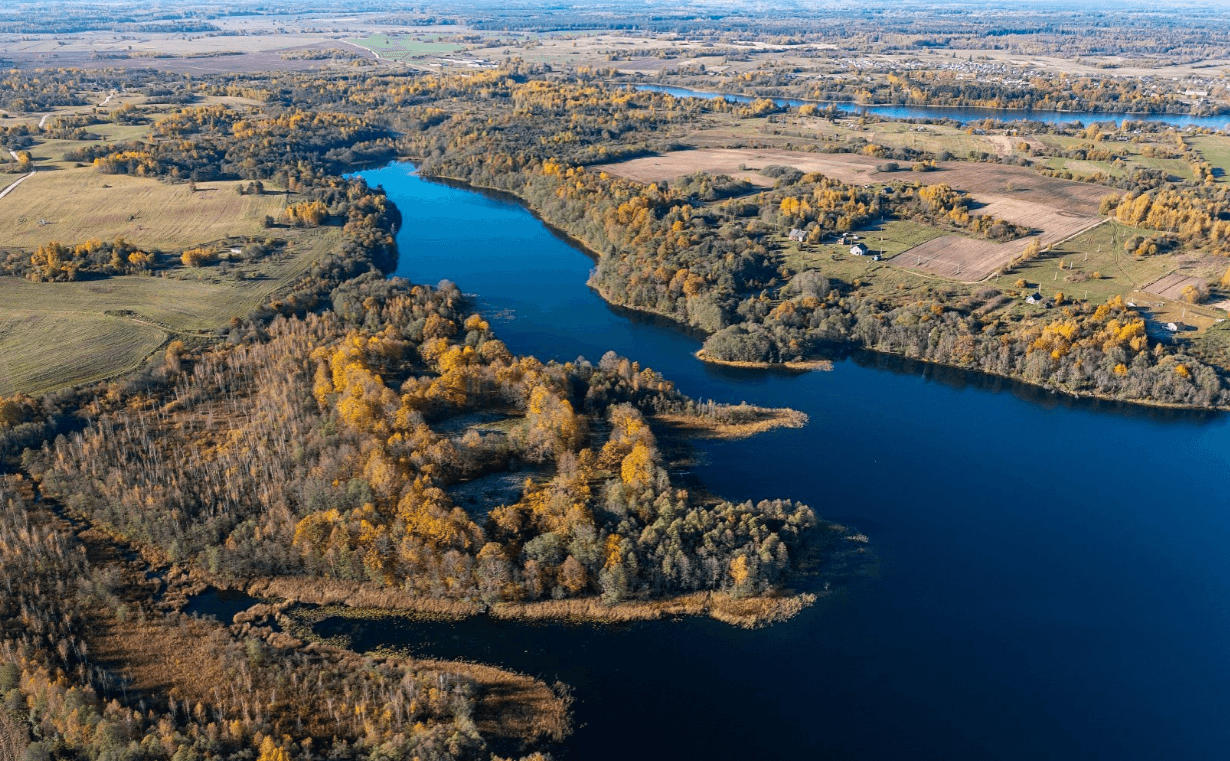
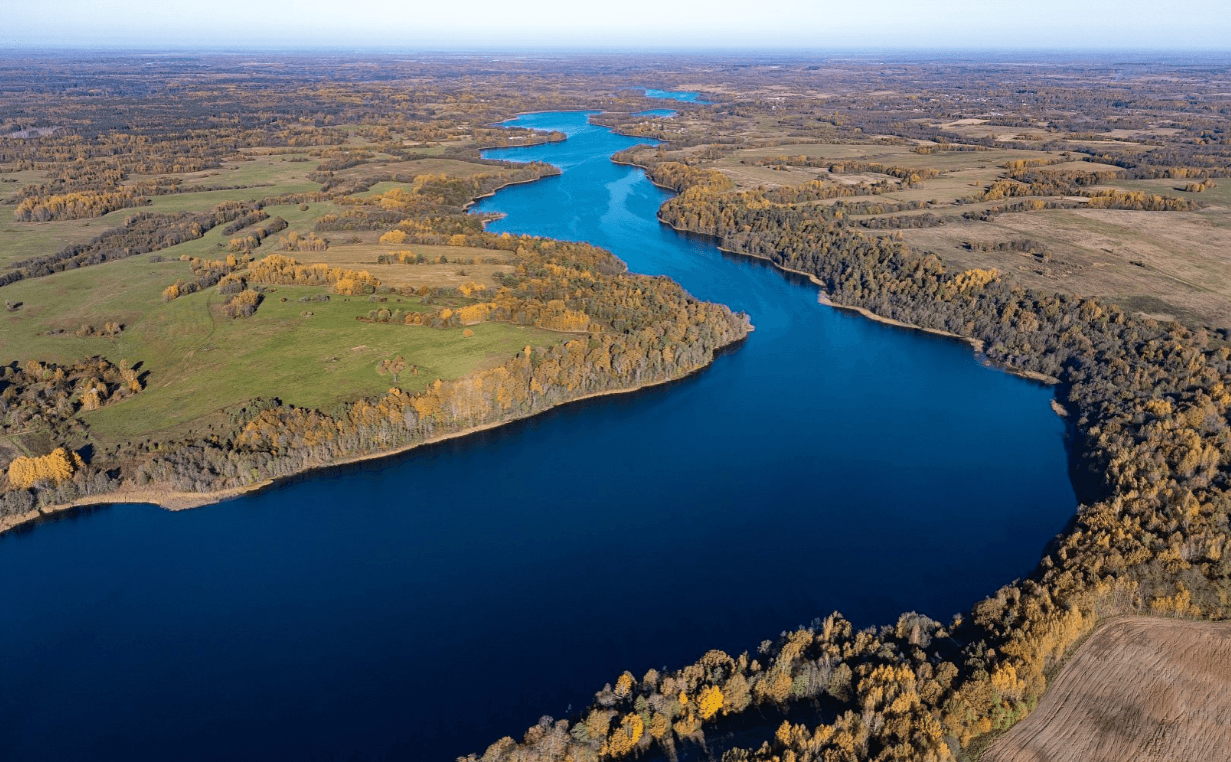
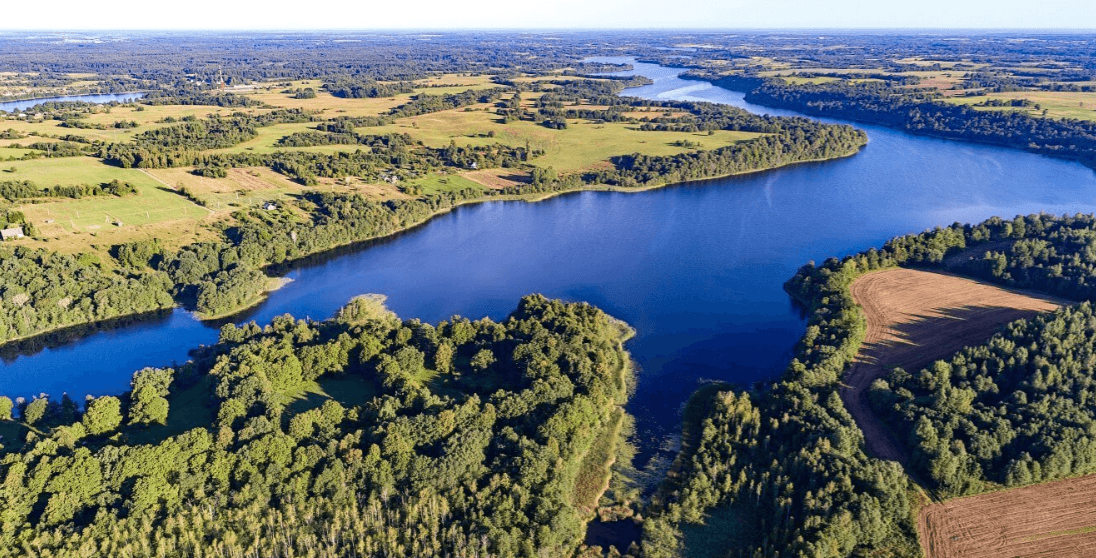
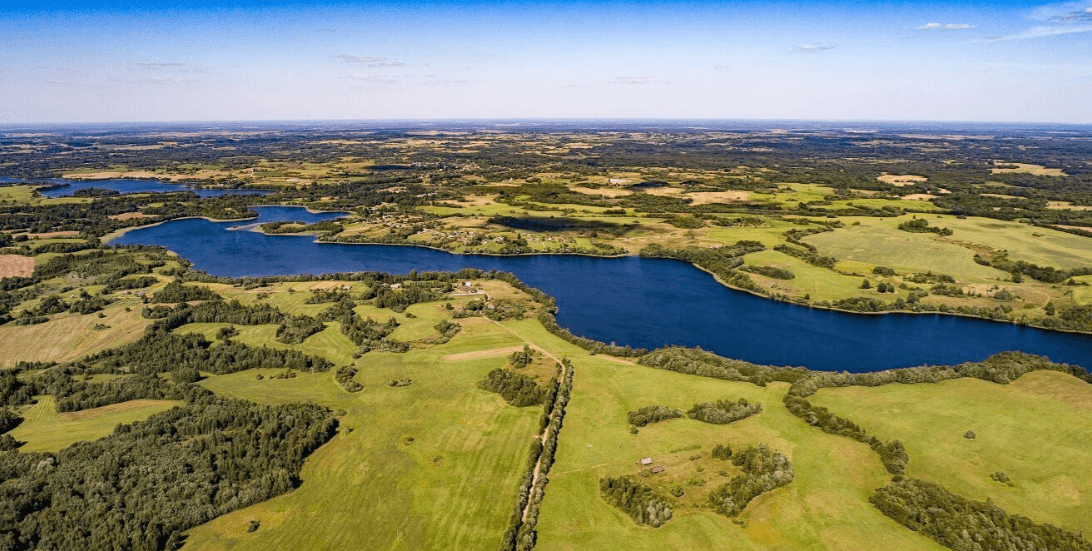
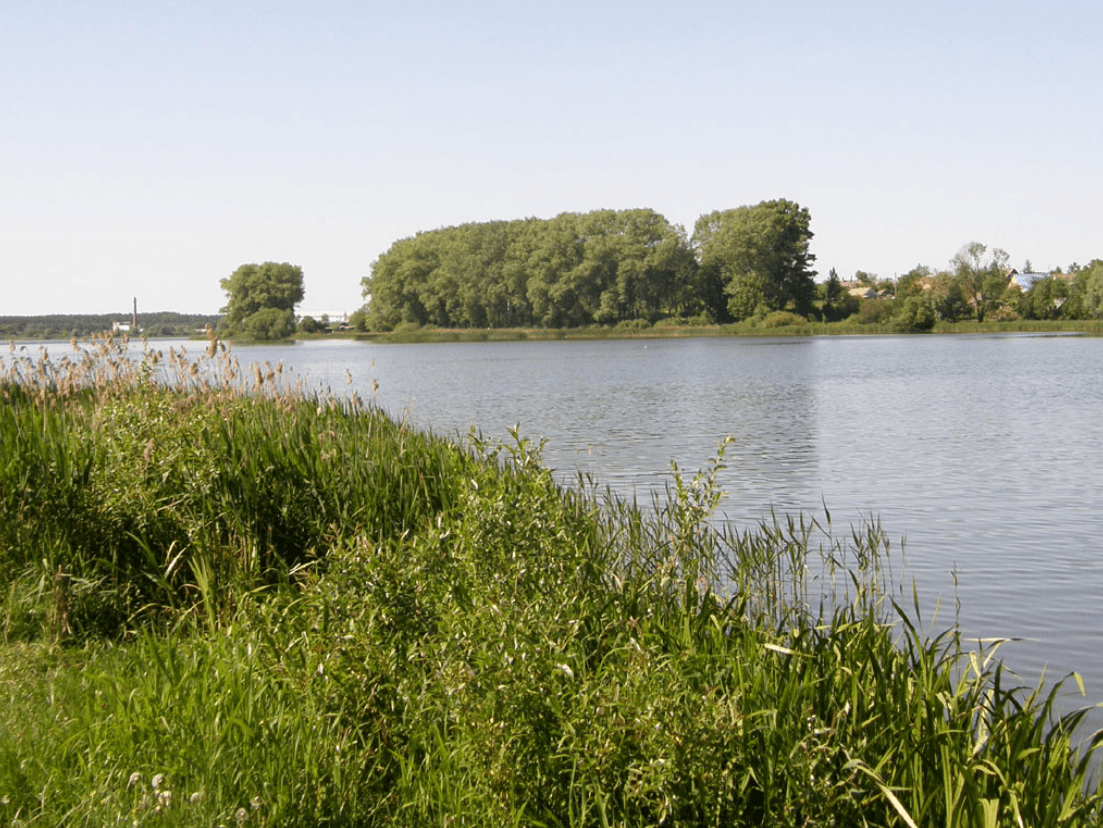
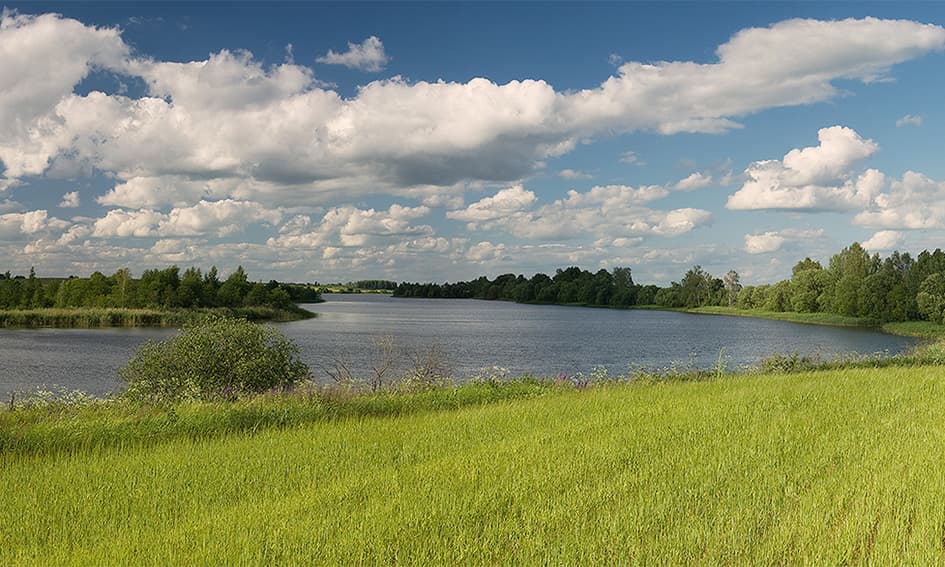
Lake Dolgoe is the deepest lake in Belarus (max. depth is about 53.6–53.7 m), located in the Glubokoe district of the Vitebsk region and is part of the Republican hydrological reserve of the same name. The elongated hollow basin with steep slopes, clear water and rare relict species (Pallas bokoplav, limnokalyanus, snetok) make it a unique natural point of the region. On the shores there is the Golubov Garden tract, hiking, cycling and equestrian trails, as well as basic infrastructure for ecotourism.
Categories

Outdoor activity

With children

Hydrological
Comments
Reviews to the Place
1Murphy Darkwalker
04.03.2026
Lake Dolgoe.
Lake Dolgoe is a natural phenomenon of the northeastern Vitebsk region and a key object of the republican hydrological reserve "Dolgoe". Its basin was formed in the Late Pleistocene, when a massive glacier, stuck between two hills, began to melt rapidly. Streams of meltwater cut through a deep crevasse, which became the basis of the modern lake. Today, the Long stands out among Belarusian reservoirs not only for its record depth (53.6—53.7 m), but also for its unusual morphology: the elongated shape is about 6 km long, steep loamy slopes up to 25-30 m high and sharp changes in depth create the impression of a miniature glacial fjord hidden among the forests of Vitebsk region.
The water in the lake is exceptionally clear: in some years, visibility reaches 5-7 m, which is rare in Belarus. The cold bottom layers and stable temperature regime allow the survival of relict organisms that have been preserved here since the Ice Age. Among them are Pallas's bokoplav and the long-tailed limnocalyanus, as well as the snetok fish, commonly found in the northern lakes of Karelia and Finland. The presence of such species highlights the uniqueness of the Dolgoe ecosystem and explains why in 1979 the territory was declared a national nature reserve.
The coastal area of the lake is narrow and slightly overgrown: the shallow water is sandy and pebbly, sometimes lined with boulders, and the sands stretch to a depth of 10-15 m. Below, clays and sapropels begin to form in the bays. The underwater relief is complex and diverse: deep depressions stretch along the longitudinal axis of the lake, separated by uplifts of the bottom, and the underwater slopes are almost vertical in places. Such a structure makes it an interesting object for hydrologists and divers, but it requires caution — sudden changes in depth and cold water layers can be dangerous for untrained swimmers.
Fragments of the ancient landscape park "Golubov's Garden", a former manor ensemble with century-old oaks, elms, linden trees and exotic plants, have been preserved on the shores of the lake. In spring, apple and pear trees bloom here, and in summer, primroses, lilies of the valley and anemone oak blossom in the glades. This is a place of not only natural, but also cultural value, where elements of the old layout and remnants of manor buildings have been preserved.
There are several ecological routes around the lake: the hiking "Lake District in the center of Europe" with a length of about 15 km, the cycling route "Legends of Belarusian Baikal" with a length of about 55 km, the water route "Along the Shosha" and the equestrian route "Partisan trails". There are parking lots, tent sites, fire pits, a fishing pier, gazebos and toilets on the territory of the reserve. Campfires and tents are prohibited outside designated areas, which helps preserve the fragile ecosystem.
Lake Dolgoe attracts a wide variety of visitors. Naturalists and ornithologists appreciate it for its rich flora and fauna: many species of birds, including rare and listed in the Red Book, have been registered in the reserve. Anglers come here for bream, tench, pike, roach and other fish species, and divers come for the opportunity to explore the unusual underwater terrain and rare natural phenomena. Lovers of relaxing holidays will find silence, clean air and expressive natural landscapes here.
At the same time, it remains a vulnerable natural object for a long time. The protected status of the reserve imposes restrictions on economic activities and requires visitors to take care of nature. Observing the rules of visiting is an important part of preserving the unique ecosystem that makes Lake Dolgoe one of the most valuable natural sites in the Vitebsk region.