
Glubokoe. The Constitution of 1791 memorial column.
Landmark
Vitebsk region, Glubokoe, Koptevka cemetery
Description
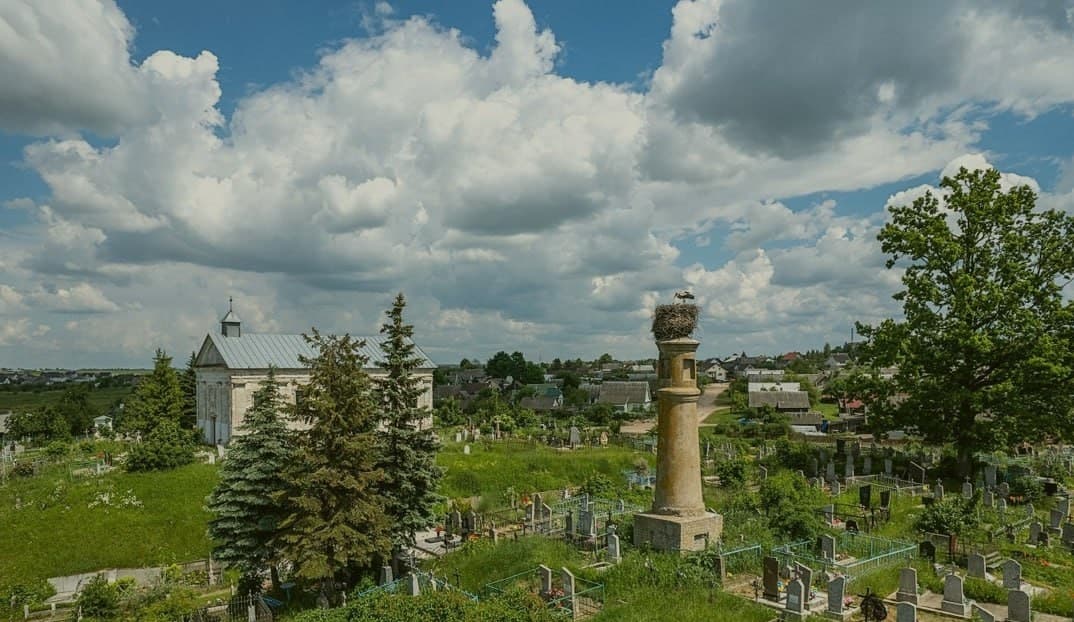
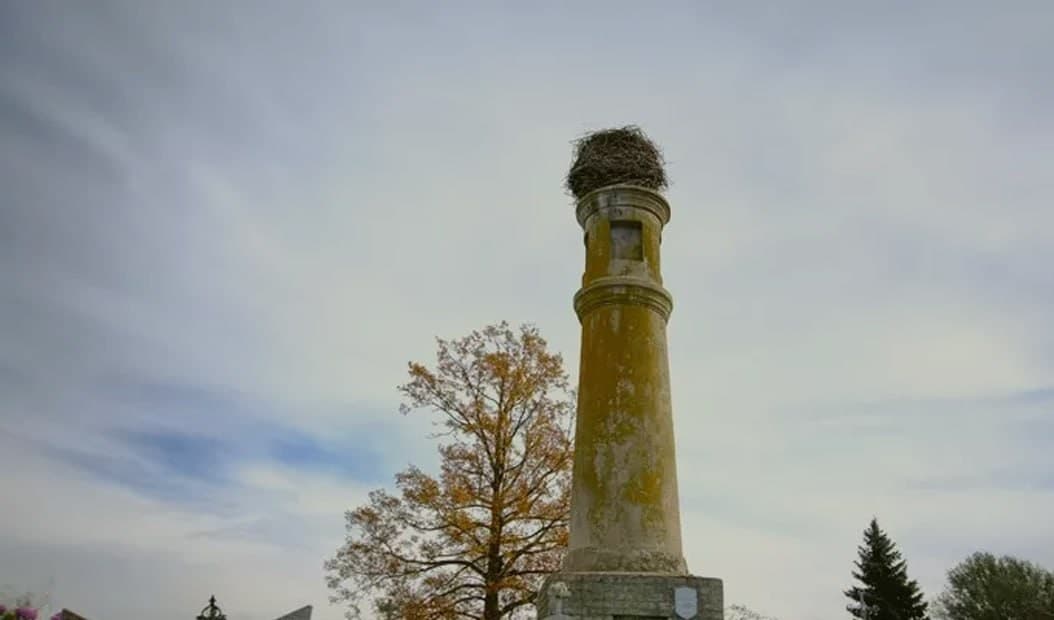
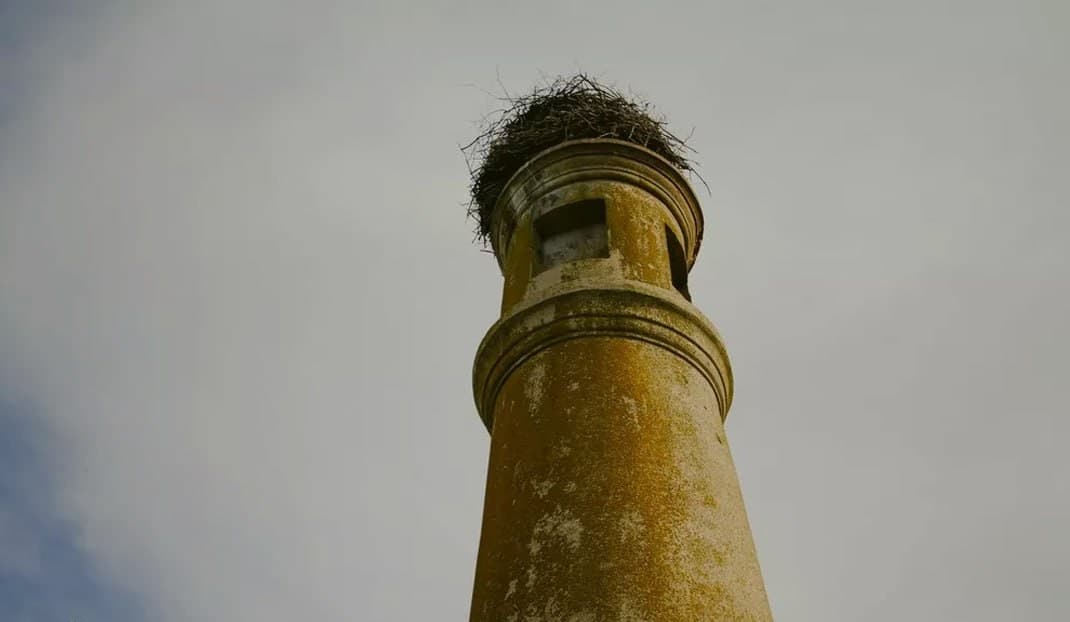
There is an unusual monument in the old Koptevka cemetery in Glubokoe. The stone column is crowned not by a sculpture, but by a large stork's nest. Few people know that this is a unique memorial in honor of the Constitution of May 3, 1791, the first such document in Europe. Before these lands became part of the Russian Empire, Glubokoe was part of the Polish-Lithuanian Commonwealth, and progressive magnates perpetuated historical law in stone. It is not known who exactly installed the column, but today it has become not only a historical relic, but also a symbol of peaceful life, where the past and nature have merged together.
Categories

Historical

Architectural monument
Comments
Reviews to the Place
1Ольга Ерёменко
12.03.2026
The White stork on guard of history: a unique monument to the Constitution on May 3 in Glubokoe
An unusual monument stands in the shade of century-old trees at the old Koptevka cemetery in Glubokoe (Vitebsk region). At first glance, it's just an old stone column topped with a large stork's nest. But for city residents and historians, this is not just an architectural form, but a living witness to an era when the concepts of freedom and civil society were at the center of European political life.
The coordinates of the monument are 55.1393, 27.7057. You can get here during any sightseeing tour of the city, because the column has become one of the unofficial symbols of Glubokoe.
The ghost of lost freedom.
The history of this column goes back to the end of the 18th century, a turning point for the Belarusian lands. Until 1795, when, as a result of the third partition of the Polish-Lithuanian Commonwealth, the territory of modern Belarus finally became part of the Russian Empire, Glubokoe region was part of this vast state - the Polish-Lithuanian Commonwealth.
On May 3, 1791, the Extraordinary Sejm of the Polish-Lithuanian Commonwealth adopted a document that was supposed to save the country from decline and political crisis. It was the Constitution, the first in Europe and the second in the world (after the US Constitution) basic law of the state. The "government law" (the full name of the document) proclaimed the separation of powers, abolished the notorious "liberum veto" (the right of any deputy to block the decision of the Sejm), which paralyzed the work of parliament, and strengthened the central government.
For the magnates and progressive gentry, this event was a ray of hope. In honor of such a significant political act, memorial columns began to be erected in different parts of the country on the initiative of patriotic nobles. Such a column appeared in Glubokoe. It has become a symbol of renewal, of hopes for a strong and just state where the rights of the bourgeoisie and gentry will be protected by law.
A secret hidden for centuries.
Unfortunately, accurate information about who exactly was the initiator of the installation of the column in Glubokoe has not reached our days. Historians suggest that these could have been representatives of influential families who owned these lands, such as the Radziwills or Korsaks, who were famous for their liberalism and support for reforms. It remains a mystery what originally crowned this column. Perhaps it was a gilded sphere symbolizing statehood, or a knight's figure with a coat of arms, or just a laconic capital.
Time has not spared the original appearance of the monument. Historical storms swept over Glubokoe: the partitions of the Polish-Lithuanian Commonwealth, the wars of the 19th century, revolutions, and the Second World War. The Constitution of 1791 itself did not last long - already in 1792, the Targovitskaya Confederation opposed it with the support of the Russian Empire, and the country plunged back into turmoil, which ended with the loss of statehood.
New owners.
Years passed, epochs and ideologies changed, but the column stood. Gradually, it lost its original political meaning for new generations, but it did not disappear from the face of the earth. The locals cherished it as a part of their native landscape, as a silent witness to antiquity.
And then the column found new "tenants". Storks have built a nest on its top, as if on a specially prepared pedestal. For Belarusians, the stork is a sacred bird, a symbol of family happiness, fertility and loyalty to their native home. This is how the ancient stone, which preserves the memory of constitutional reforms, organically fit into a living folk myth.
Today, a photo of a column with a stork's nest adorns many tourist booklets and websites dedicated to the sights of Belarus. It's an amazing combination: a fragile but peaceful life set against a harsh stone symbolizing a turbulent past.
The memorial column in Glubokoe is not just a landmark. It is a bridge between epochs, a reminder that even the greatest political ideas can be destroyed, but their memory, etched in stone, remains alive, shrouded in new legends and becoming part of nature. Looking at this column, where the storks are feeding the chicks, you understand: the story continues.