
Girsk. Ruins of a windmill.
Landmark
Brest region, Kobrin district, Girsk village (territory of an agricultural estate in Studinka tract)
Description
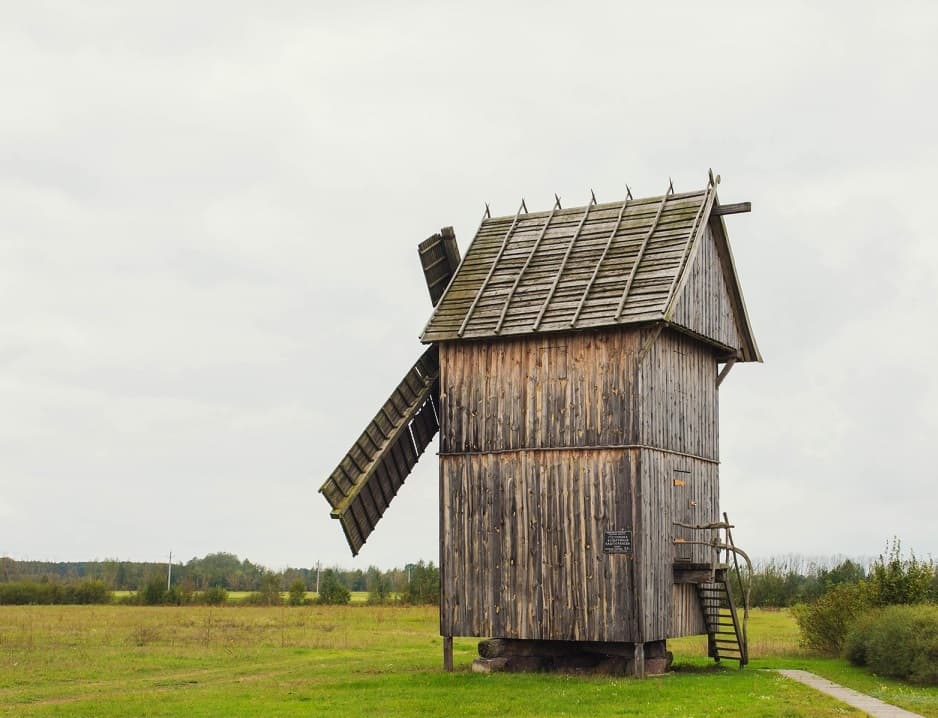
In the Belarusian village of Girsk there is a wooden giant - an ancient windmill. But she wasn't always here. Its history began in the 1920s in the nearby Bolota tract, where local resident Grigory Drozd, returning from America with money, decided to build a real miracle of technology for his fellow villagers. For decades, the mill ground grain until it fell into disrepair. In 2010, it was literally saved: it was disassembled, transported several kilometers away and carefully restored in Girsk. Today it is not just a monument, but an active landmark, where you can even take pictures sitting on the wings of a windmill.
Categories

Historical
Comments
Reviews to the Place
1Ольга Ерёменко
19.03.2026
The story of a windmill: how a windmill gained a second life in Girsk
In the village of Girsk, Kobrin district, among the picturesque fields, there is a wooden giant - an ancient windmill. Today it is one of the main attractions of the region and a favorite tourist destination. However, few people know that this windmill is a true traveler in time and space. His story is a saga of hard work, faith in a miracle, and the people who refused to let the monument disappear.
American dollars for the Belarusian mill.
This story did not begin at all in Girsk, but in the neighboring village with the telling name Bolota, in the late 1920s. Local resident Grigory Nikolaevich Drozd, having earned money in America, decided to build in his homeland what the peasants considered a real miracle of technology - a windmill. At that time, there was not a single mechanical mill in the area, and people had to grind grain manually or travel tens of kilometers.
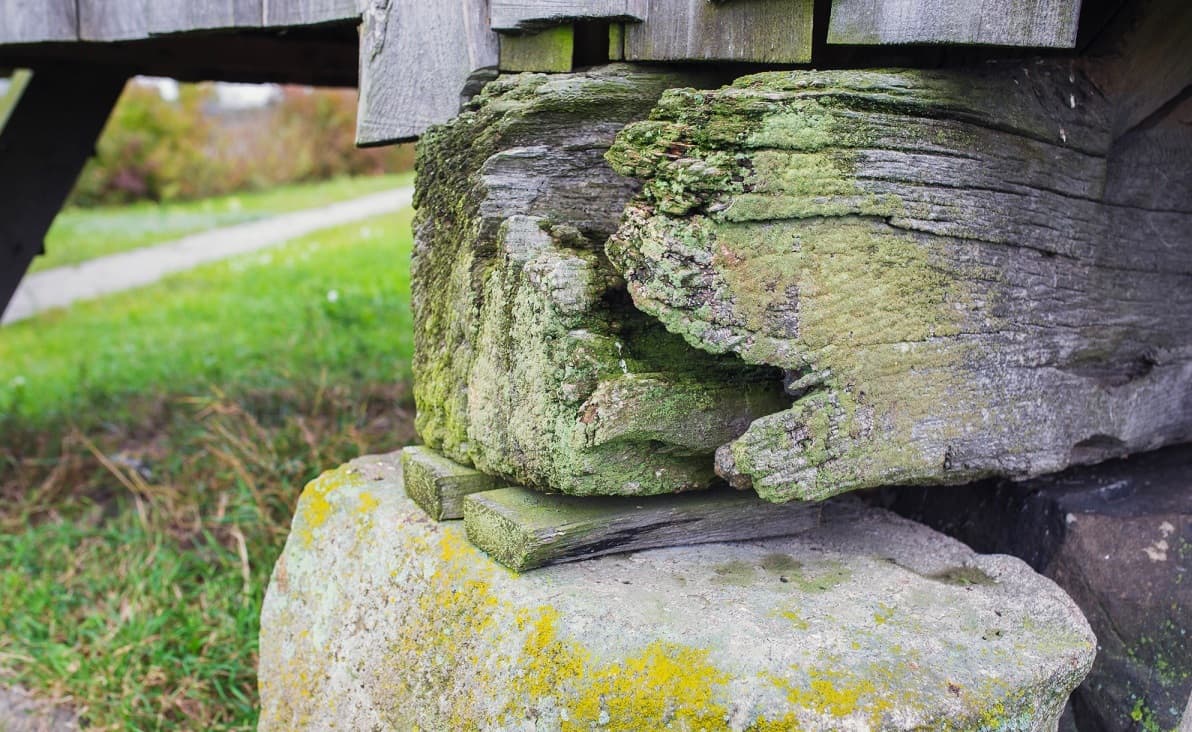
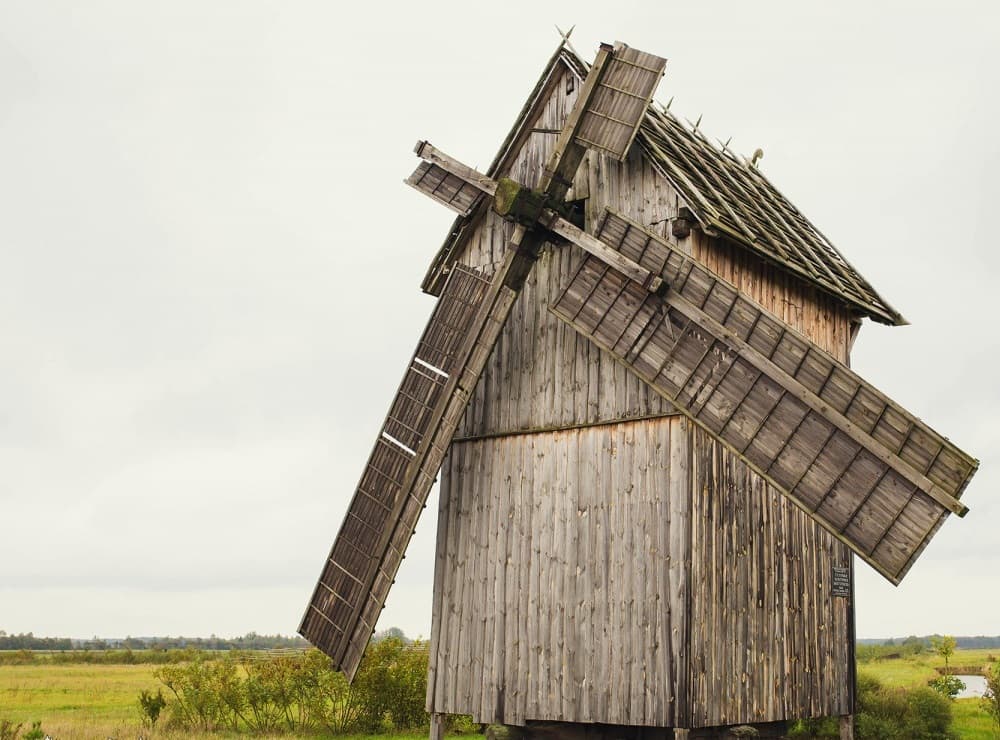
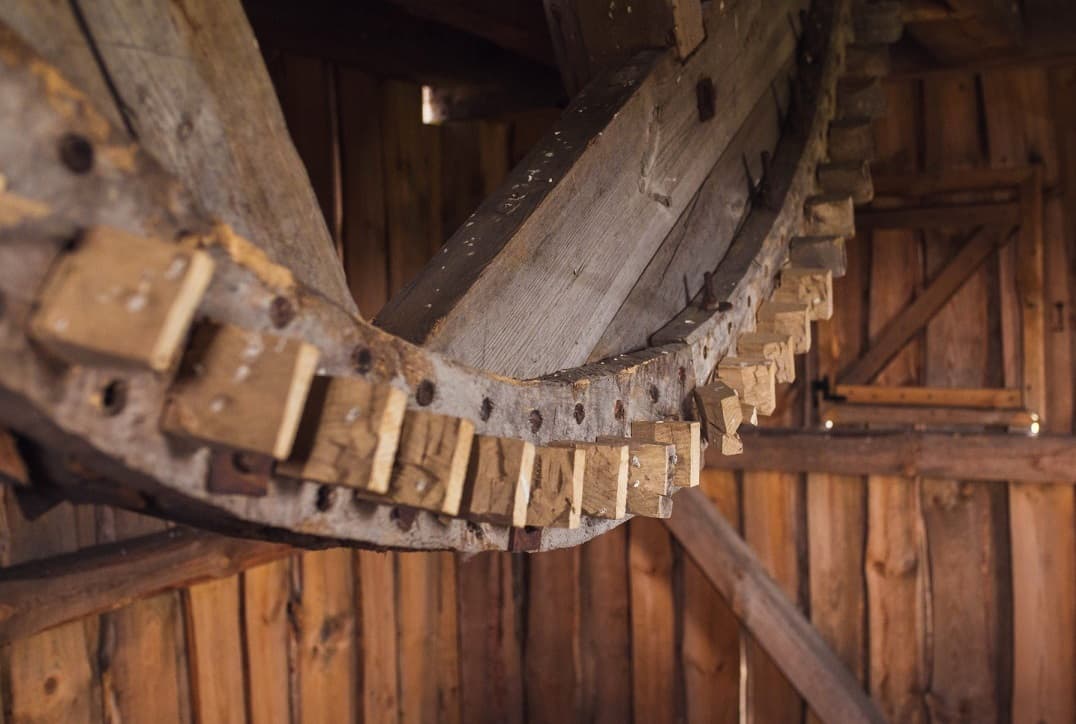
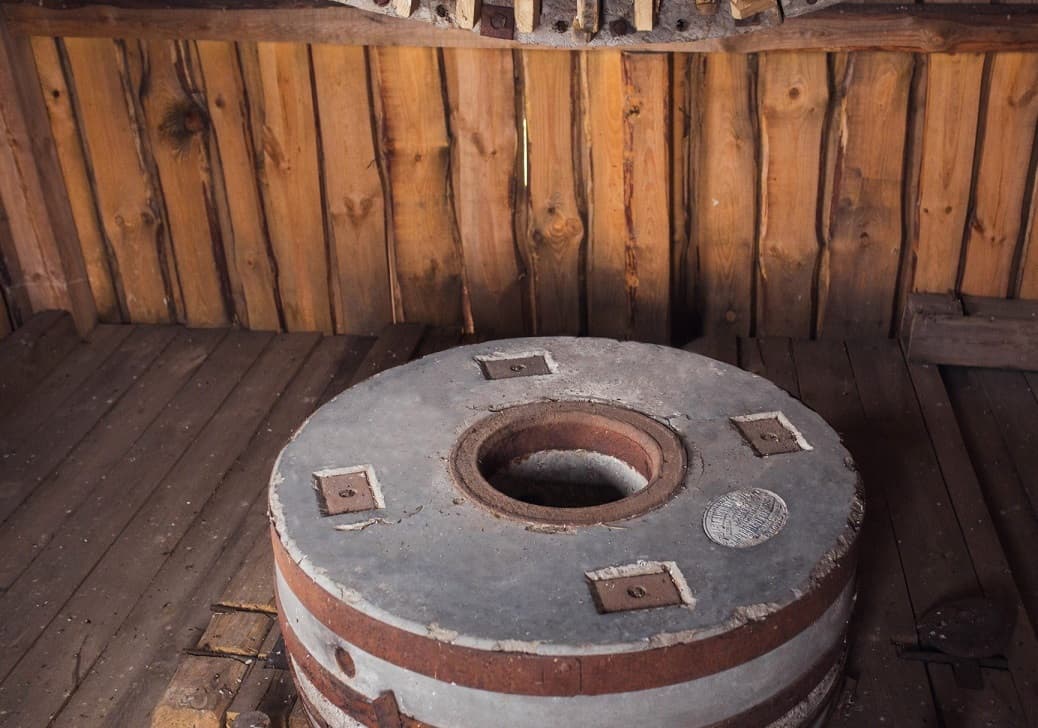
They built it all over the world. Relatives and neighbors helped to harvest the forest, mainly oak and pine. Everything was done manually, with an axe and a saw. By design, it was a classic rod (or gantry) mill: a tall, almost square frame with a gable roof turned around a central pillar mounted on a crosspiece of thick logs - "trestles". Together with the wings, the entire mill turned to the wind, along with the heavy millstones inside.
The miracle that ground the flour.
The builder's son, Nikolai Grigorievich Drozd, recalled years later the day when the mill first came to life: "My brother and sister and I were happy when my father called us to watch the wings of the mill spin. We jumped and screamed with joy. It was a miracle for us".
On windy days, peasants from all the surrounding villages came to the mill: Kalyukhov, Rudets, Girsk, Kiselevtsy. Carts loaded with sacks of grain lined up. People paid with grain and flour, and for the local children, the process of turning grain into flour was a real magic. Later, with the creation of the collective farm, the mill became a collective farm, but when an electric mill appeared on the farm, the windmill returned to the Drozd family and gradually began to collapse.
Escape through a crossing.
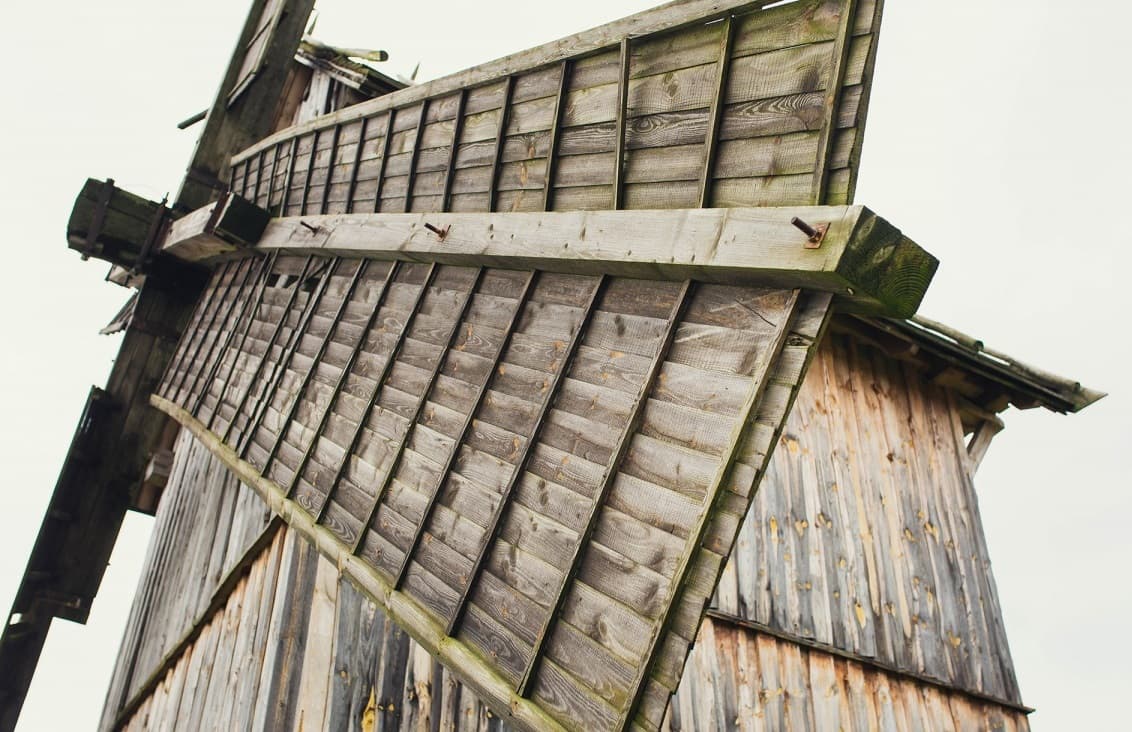
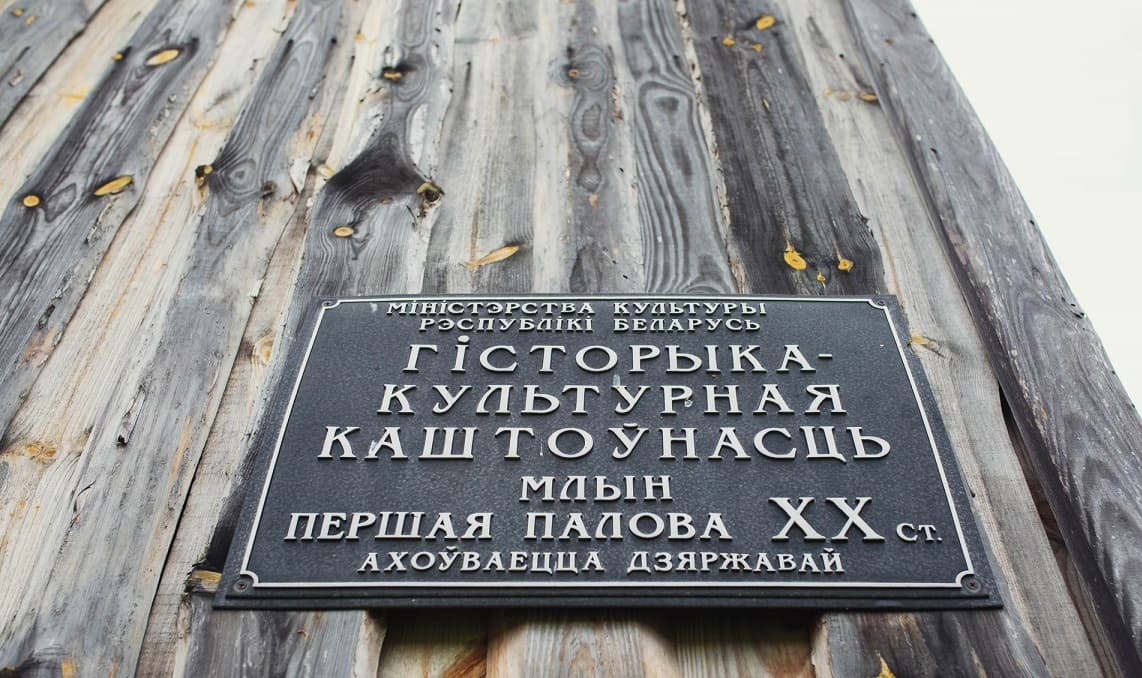
By the end of the 1990s, the mill was dilapidated, the wings rotted and fell off. In 2000, it received the status of a historical and cultural value of the Republic of Belarus (category 3), but this did not save it from destruction. The collective farm went bankrupt, and the unique structure was in limbo.
In 2008, the mill was bought by the "Villia-agro" peasant farm. The head of the farm, Vasily Vasilyevich Novik, proposed a bold decision: to move the monument to the village of Girsk, to the territory of the farmstead in the Studinka tract, and include it in the tourist complex. It was not easy to get permission to transfer historical and cultural property, but in the end the Ministry of Culture gave the go-ahead.
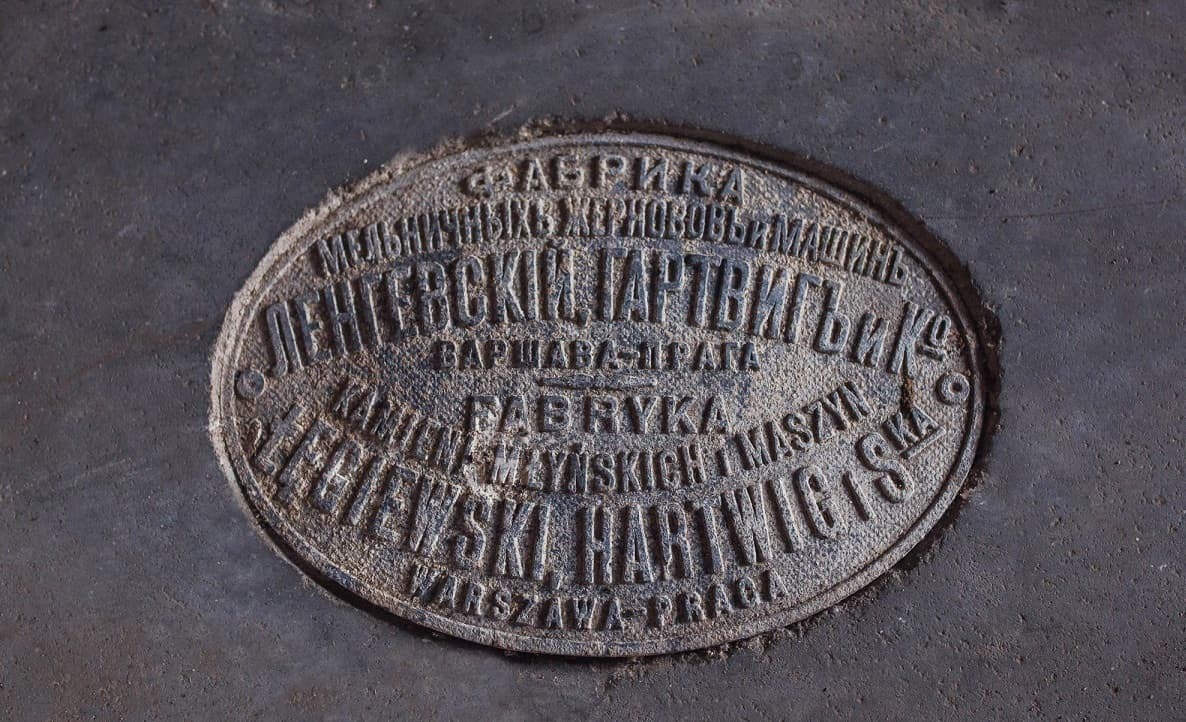
In 2010, the mill was carefully dismantled, transported several kilometers away and actually rebuilt. At the same time, the builders tried to preserve everything they could: the original millstones and some significant wooden details. Today it is not just a museum exhibit. The mill stands in a picturesque location, operational and open to visitors. According to tourists, she looks strict, personable and very picturesque, ideal for photo shoots.
They say the locals still sow rye and barley on their plots. And who knows, maybe on a nice windy day the old millstones will creak again, turning the grain into flour. And newlyweds who come here like to take pictures sitting right on the wing of a windmill, as a tribute to the work of their ancestors and a symbol of hope that real miracles live forever if we are ready to preserve them.