
Dubrovno. The "Dnepr Manufactory" factory.
Museum
Vitebsk region, Dubrovno, Zavodskoy lane, 28 Ak7.
Description
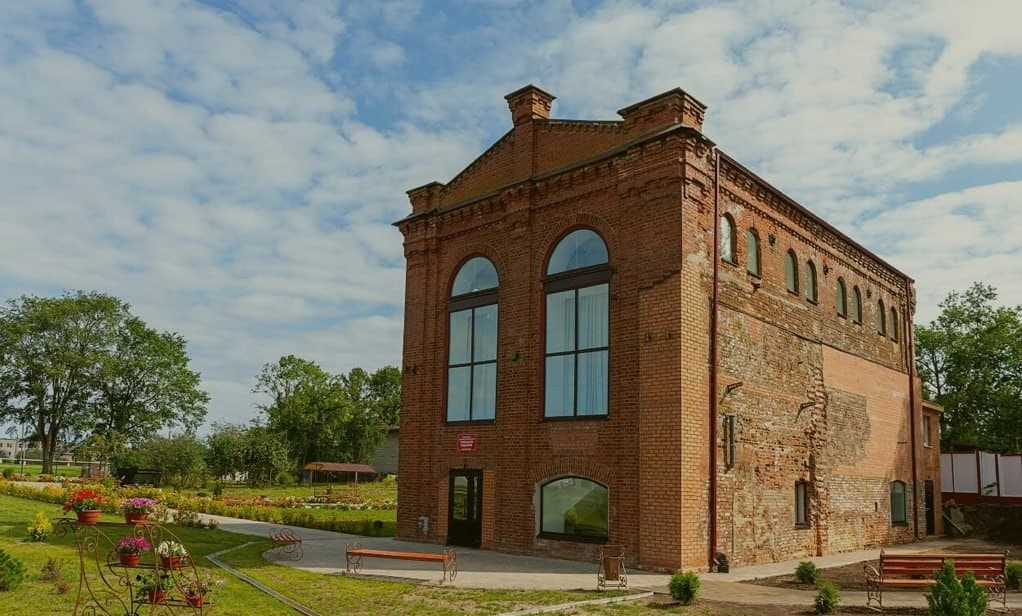
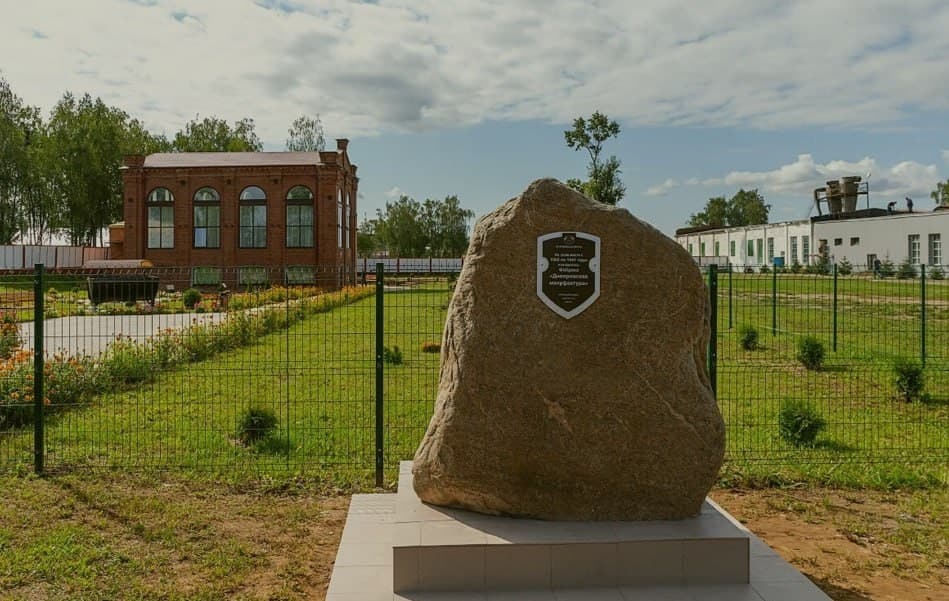
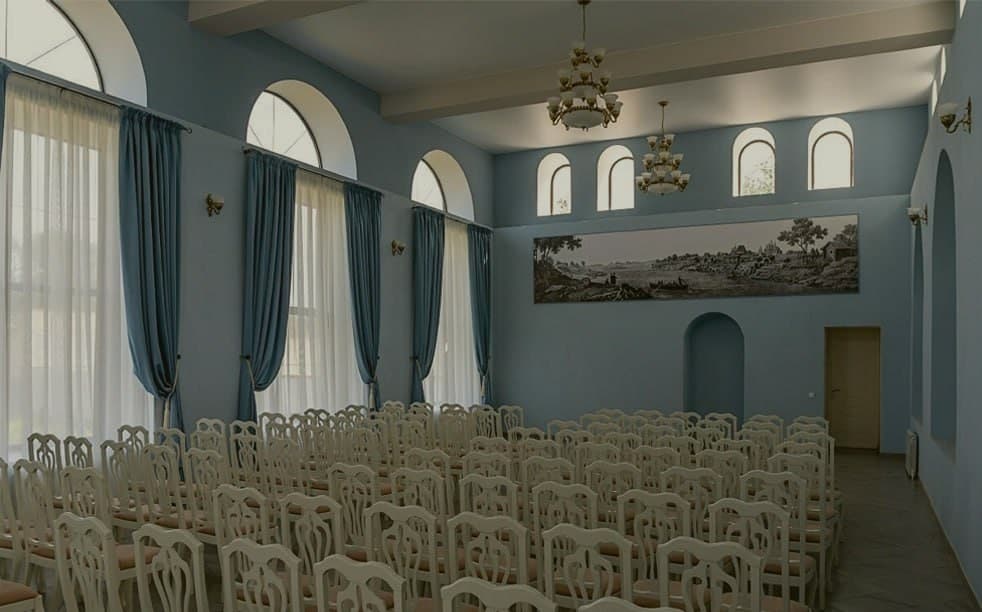
In Dubrovno, on Vitebsk land, time has stopped. Here, among the quiet streets, stands the "Flax House" - the former "Dnepr Manufactory" from 1900. Once upon a time, 600 weavers, mostly Jewish craftsmen, created talles for the entire empire here. After the war, the building fell into disrepair, but it was revived in 2018. Now it is a museum and a place of ceremonies with cozy flower beds. They say that the air here preserves not only the smell of flax, but also the secret of the passionate love of Princess Lyubomirskaya and a poor noble. A beautiful place with a soul.
Categories

Paid

Historical

Architectural monument
Comments
Reviews to the Place
1Ольга Ерёменко
19.03.2026
"Dnepr Manufactory" in Dubrovno: from Jewish weavers to the House of Flax and noble secrets
In the east of Belarus, in the quiet town of Dubrovno, on the high bank of the Dnepr River, time flows differently. Here, among the usual provincial buildings, stands the legendary building, the former "Dnepr Manufactory" factory. Today it is not just a restored architectural monument, but a real portal to the past, where the history of industry is intertwined with noble passions.
Craftsmanship that has become a brand.
The fame of the Dubrovno weavers boomed long before the appearance of the factory. But it was in 1900 that the craft gained an industrial scale. Enterprising businessmen bought the picturesque lands from the Lyubomirsky princes and built one of the most advanced textile enterprises of their time. Within a couple of years, life was in full swing here: 600 workers, most of whom are skilled Jewish craftsmen, turned threads into masterpieces.
The products of local weavers were in great demand. Especially famous were the objects of religious worship - talese and arbekanfes, which spread throughout the Russian Empire. The quality was so high that the name "Dnepr Manufactory" became synonymous with reliability.
War and the age of oblivion.
The Great Patriotic War reshaped the fate of the plant. In 1941, to save the equipment and the best specialists from the invaders, they were urgently evacuated to the distant Barnaul. In the small homeland, production stopped forever. However, the weaving tradition has not died: the flax factory occupied the buildings of the former manufactory, as if taking over from its predecessors.
For decades, the building of the dyeing workshop stood in ruins, a silent witness to a bygone era. It seemed like his fate was sealed until his rebirth happened in 2018.
Renaissance: Industrial heritage in the new world.
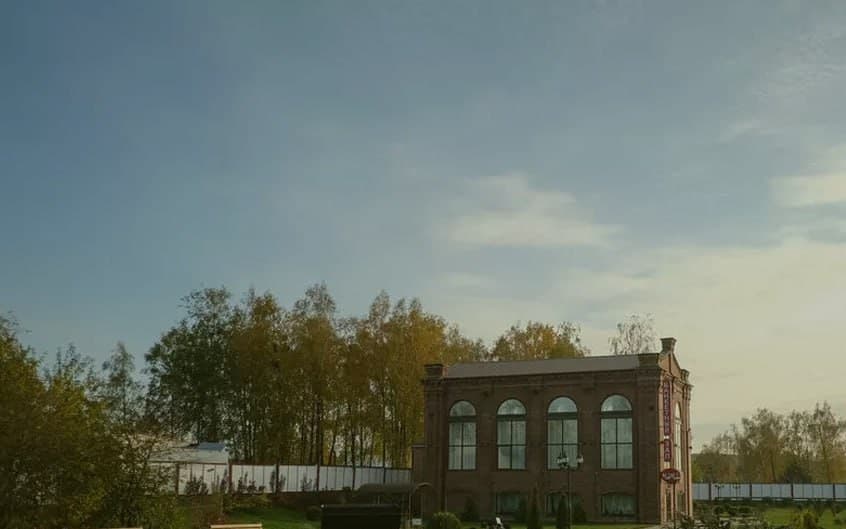
The renovation breathed life into the old walls. Today, this majestic building with characteristic industrial architecture is called the "Flax House" - a tribute to the main craft of the region.
But now it's not just a factory. The surrounding area has been transformed: neat flower beds have been laid out, cozy gazebos have appeared. Inside there is a museum of the factory's history, where you can touch authentic artifacts, and a modern ceremony hall. Here, the industrial chic of the early 20th century meets the aesthetics of our days, creating a unique space.
The legend of Klementina and Petr.
However, the "Dnepr Manufactory" preserves not only the memory of the weavers. The land itself, on which it stands, remembers more ancient and passionate stories. This land belonged to the powerful Lyubomirsky family.
Locals are still whispering about a novel worthy of the pen of a classic. The rich heiress, Princess Klementina Lyubomirskaya, fell in love with a simple nobleman, Peter Kroer. The feelings were so strong that the lovers decided on a secret marriage, knowing full well that the father would not give his blessing. It is said that upon learning about the daring wedding, the angry prince became so enraged that he ordered the burning of the church where the couple found each other.
Whether it really happened or not is now a mystery. But walking through the manicured grounds of the Flax House and looking at the brick walls of the former dye shop, you involuntarily catch yourself thinking that the air here is saturated not only with flax dust, but also with echoes of those same passions. Perhaps it is this combination of the labor feat of the weavers and the aristocratic drama that gives this place its unique and attractive energy.