
Duboe. The hydroelectric complex.
Landmark
Brest region, Pinsky district, Duboe village
Description
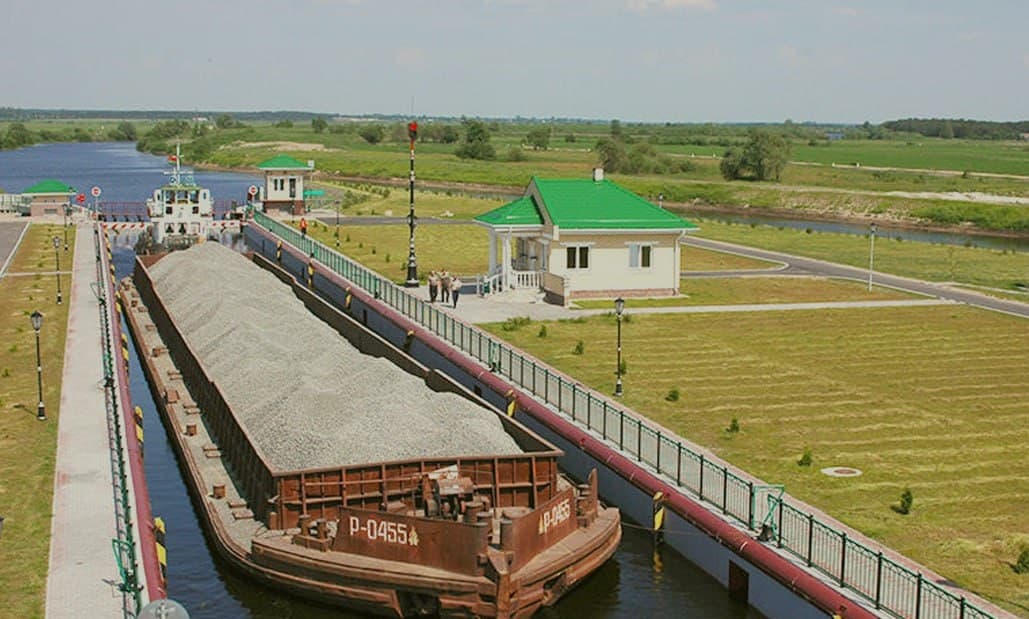
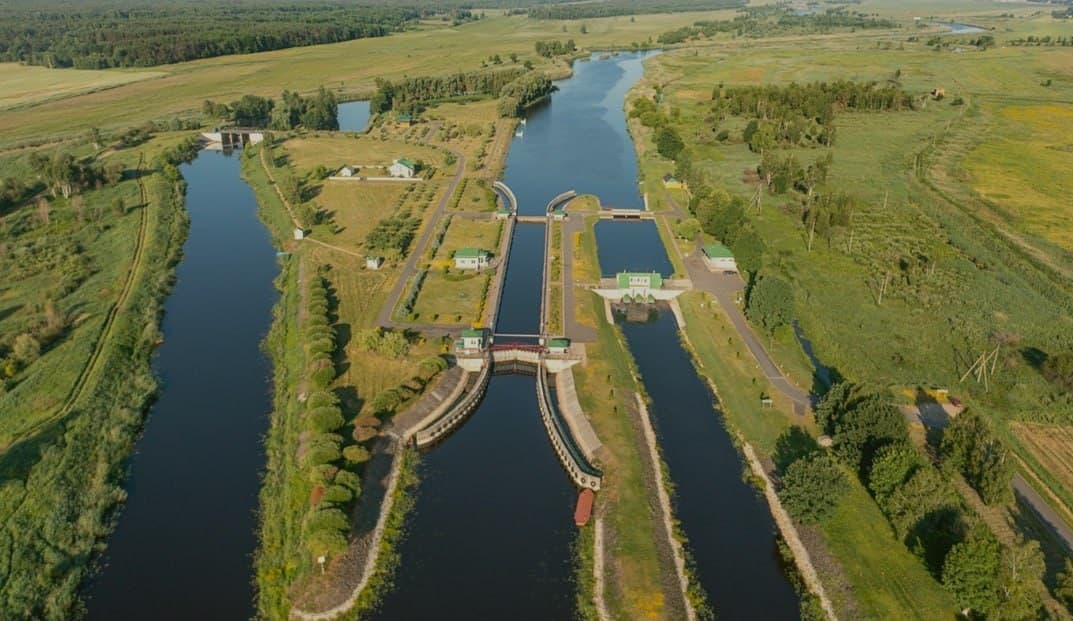
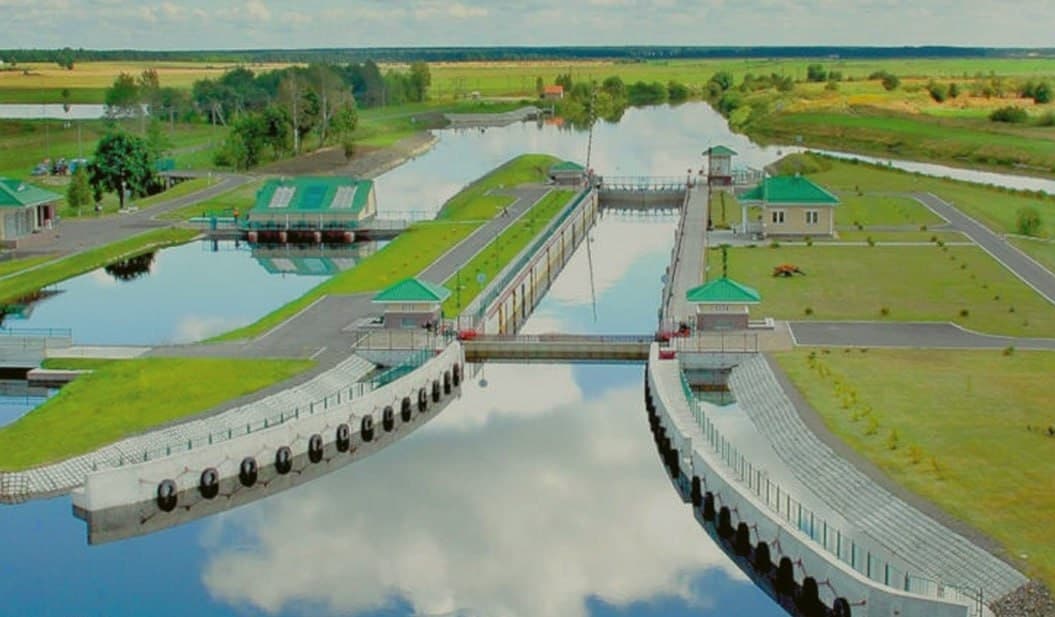
The Duboe hydroelectric complex (lock No. 1) is the historical key of the Dnieper-Bug waterway in the Pinsk district. Built in the 19th century to connect the Baltic and Black Seas, today it has been completely renovated. It is unique not only as an operating gateway with gates of different designs, but also as the location of a small hydroelectric power station. The architectural complex with porticoes and hipped roofs creates a ceremonial appearance. An ideal point for hiking trails in Polesie, where you can watch the work of hydraulic engineering and enjoy the views of the water surface.
Categories

Historical

Hydrological
Comments
Reviews to the Place
1Ольга Ерёменко
18.03.2026
Duboe hydroelectric complex: a place where water works and connects the seas
In Pinsk district, near the quiet village of Duboe, there is a unique engineering complex, which can be safely called a monument to the era when rivers were the main highways of the country. The Duboe hydroelectric complex is not just about concrete structures and airlock chambers. This is a man-made structure that has been connecting the Baltic and Black Seas for more than a century and a half, remaining an important point on the tourist map of the Belarusian Polesie.
Geography and coordinates.
It's not difficult to find this object. It is located in the Brest region, Pinsk district. The nearest settlement is the village of Duboe. It is convenient for the navigator to use the exact coordinates: 52.079358, 25.774388. The roads here are picturesque: smooth asphalt strips wind through fields and famous Polesie landscapes.
From Oginsky's idea to "No.1".
The history of the hydroelectric complex dates back to the 18th century, when the idea of creating the Dnieper-Bug waterway was born. The famous "Royal Canal" (Oginsky Canal) was built in order to connect the basins of the two seas. However, the main work on the Pina River was completed later, by 1848. It was here, in Duboe, that the first shipping lock was built along this route. Therefore, the object has been permanently assigned a modest but honorable designation - "Gateway No. 1". In the pre-war years, it played a key role in river communications, being part of a huge water system through which goods and passengers traveled.
The second life of the waterworks.
By the beginning of the 21st century, the old wooden structures had deteriorated, ceasing to meet the requirements of modern shipping. In 2006, the hydroelectric plant underwent a complete reconstruction. The wood gave way to reinforced concrete, and the airlock chambers acquired new parameters. Now a tugboat and a barge can pass through the Duboe hydroelectric complex at the same time, which has made navigation faster and more economical. Interestingly, the gate design is different here: from Pinsk they are hinged, and from Brest they are inclined. This turns the sluicing process into a real water performance.
Hydroelectric power station: the energy of the water drop.
The hydroelectric complex is interesting not only as a navigation facility. The water drop here reaches 3.5 meters, which has created excellent conditions for generating electricity. A small hydroelectric power plant with a capacity of 330 kWh has been built at the hydroelectric plant. It is located in a neat building with a pitched roof. Through the large windows, visitors can look inside and see three hydraulic units that tirelessly convert the power of water into electricity. This is a clear example of how modern technologies are harmoniously integrated into the historical landscape.
Architecture and tourist charm.
Today, the complex in Duboe looks grand. The administrative building with a portico resembles a manor house, and the control panels are hidden under hipped roofs resembling turrets. Metal fences and decorative lanterns complete the picture, making the waterworks not just a technical, but an architectural structure.
This place is ideal for a quiet walk. Here you can watch the operation of the lock, listen to the sound of water and breathe the fresh air of Polesie. For outdoor enthusiasts, this is an excellent point on the map of water routes (kayaks, boats), and for road travelers, it is a picturesque stop where history meets modern engineering right at the water's edge.