
Dolginovo. Former synagogue building and the Jewish cemetery
Landmark
Minsk region, Vileika district, agricultural town of Dolginovo


-1773242511574.webp&w=3840&q=75)
-1773242511589.webp&w=3840&q=75)
-1773242511550.webp&w=3840&q=75)
Description
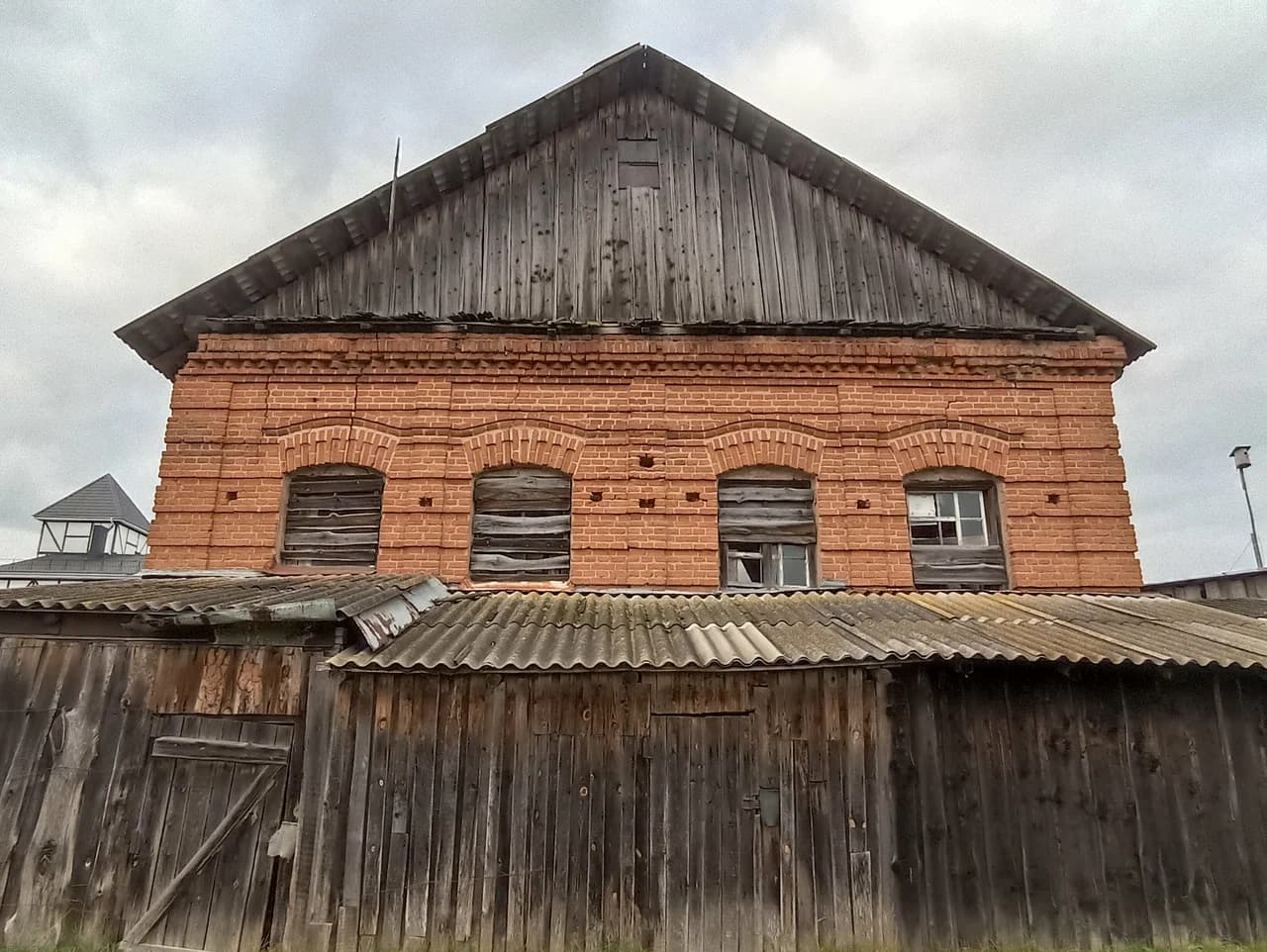
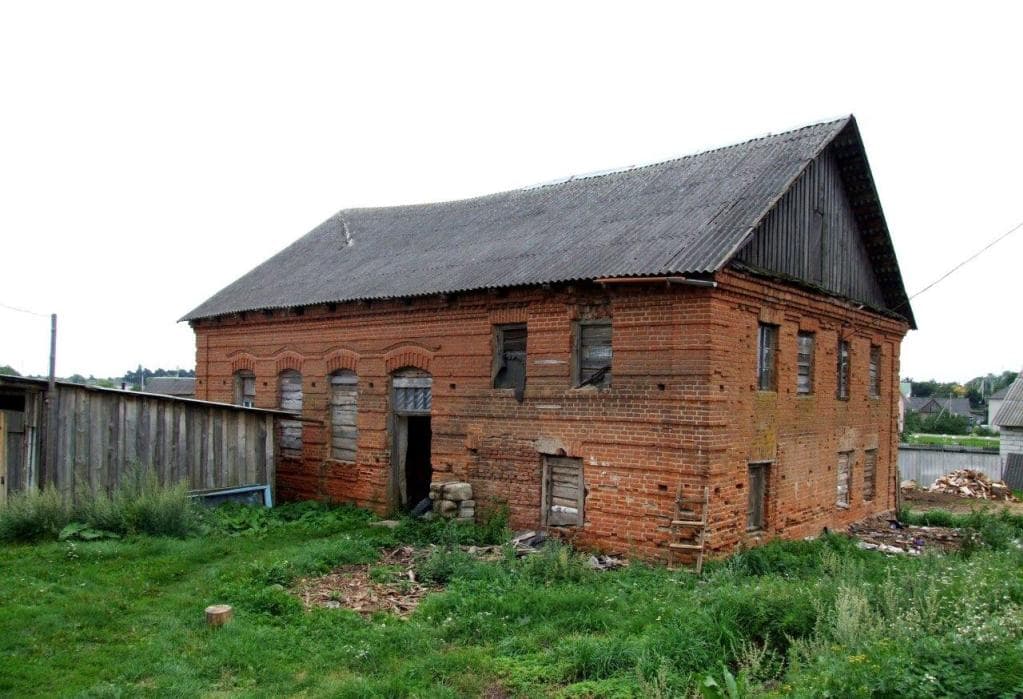
The building of a former synagogue (early 20th century) is hidden in the center of Dolginovo. There was once a yeshiva here, where the writer Zmitrok Byadulya studied. Today, the building is used as utility sheds, but the walls remember the old life of the town.
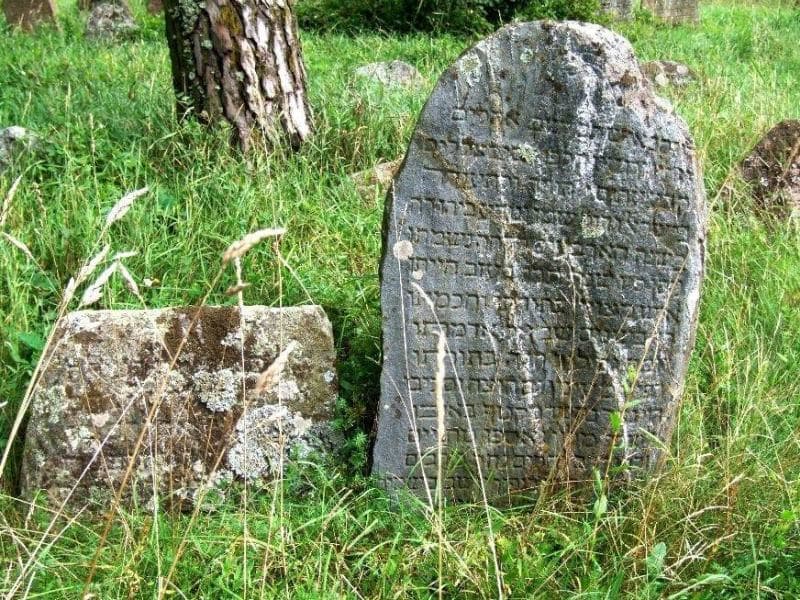
A hundred meters away is an ancient Jewish cemetery on a hill. Not only local residents of the 19th century are buried here, but also about 2-3 thousand Jews who were shot by the Nazis in the spring of 1942. The monument to the victims of the Holocaust was erected in 2003. These places preserve the memory of the tragedy and greatness of the Jewish community of Dolginovo.
Categories

Ruins

Architectural monument

Historical
Comments
Reviews to the Place
1Ольга Ерёменко
11.03.2026
Memory at the crossroads: the synagogue and the old cemetery in Dolginovo
Dolginovo is a small agro-town in the Vileika district of the Minsk region, located at the crossroads of old roads. Today it is a quiet settlement, but its history, especially the history of the Jewish community, was full of events, tragedy and greatness. There are two mute witnesses from the former active life here - the building of the former synagogue and the old Jewish cemetery, which still preserve the memory of thousands of people who inhabited the place.
The synagogue building: former grandeur and economic utilitarianism.
In the very center of Dolginovo, at the back of Sovetskaya Street, an unusual red brick building is hidden from the eyes of casual passers-by. This is all that remains of the once magnificent synagogue. The building dates back to the beginning of the 20th century and is a single-storey building, which today is difficult to attribute to any particular architectural style due to its laconic appearance.
In the past, it was not just a religious building, but a real center of the spiritual and social life of the Jewish community. They prayed here, studied the Torah, and held important meetings. The synagogue housed a yeshiva (religious school), where boys from all over the neighborhood studied. At the end of the 19th century, the famous Belarusian writer Zmitrok Byadulya (Samuil Plavnik) studied here. In his memoirs, he described the hardships of the life of the Yeshiva workers, who slept on hard benches right in the synagogue building and ate what was served by the compassionate residents of the shtetl.
The synagogue in Dolginovo was not the only one - there were several in the village. Only this one has survived to this day, and that is a miracle. During the First World War, according to legend, Marc Chagall's great-grandfather, the artist Chaim Ayzik Segal, who painted the walls, could have worked here. After the tragic destruction of the Jewish community during the Second World War, the building turned out to be unattended.
The synagogue was saved from complete destruction by a pragmatic decision of the local residents: they adapted it for household needs. Today, the whole room is divided by partitions into many sheds where they store tools, firewood and vegetables. The roof is being patched up not out of concern for the historical heritage, but to protect their property. High ceilings (more than five meters), reminiscent of the once-existing women's gallery, and massive walls are the only thing that gives away the former shrine in this nondescript building.
An ancient cemetery: a hill of memory and sorrow.
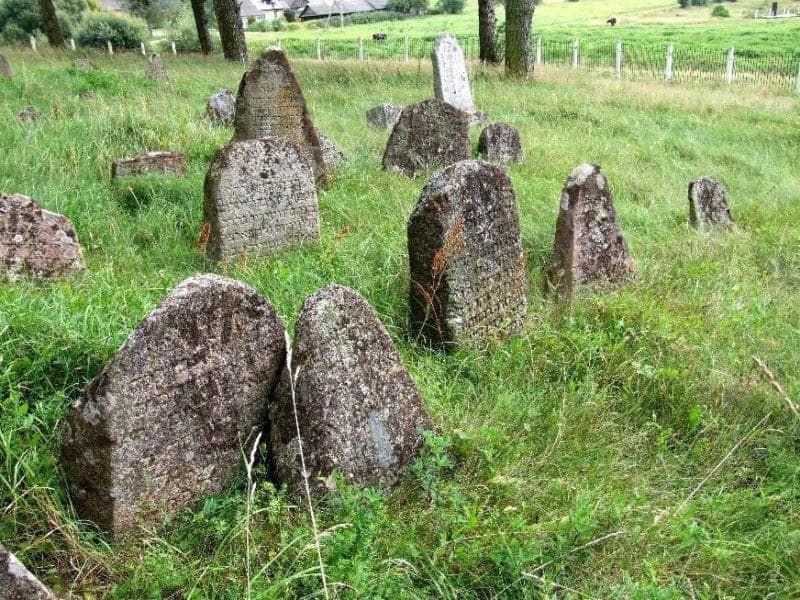
An ancient Jewish cemetery is located a hundred meters from the synagogue, on a picturesque hill. The exact date of its foundation is unknown, but the oldest surviving stone tombstones (matsevas) date back to the 19th century. The cemetery still acts as a resting place and is revered by local residents and descendants of the Dolginovo Jews, who have spread all over the world - to Israel, the USA, South Africa.
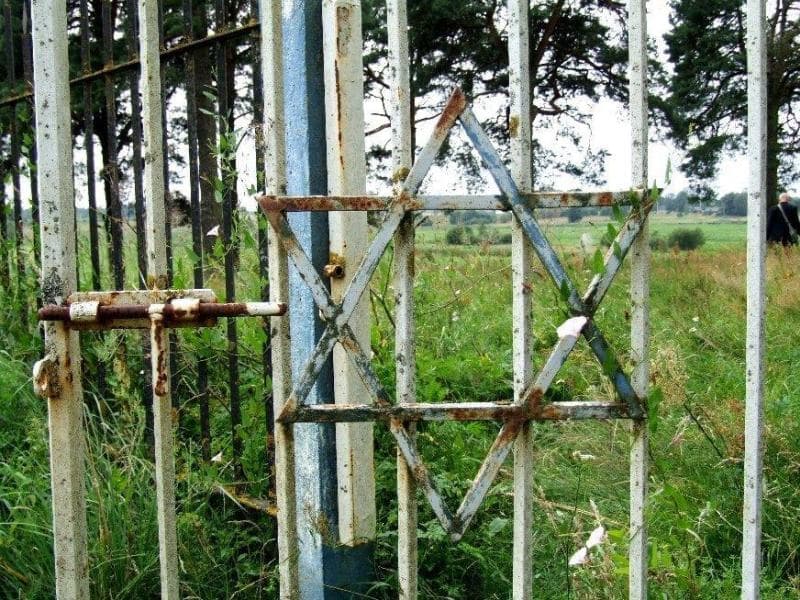
Thanks to the efforts of these people, at the turn of the 2000s, the territory was put in order: a fence with a gate depicting a Mogendovid was installed, thickets were cleared and fallen monuments were raised. Entering the cemetery, you can see a lot of ancient stones of bizarre shapes. Some of them are crowded together, as members of the same family were buried. Others stand apart, silent witnesses to the lives of those who left alone.
However, this place is not only a necropolis, but also a place of mass murder. During the Holocaust, Dolginovo suffered a terrible fate. With the arrival of the Nazis, a ghetto was created here. In the spring of 1942, during several "actions", almost the entire Jewish population of the town was shot - about 2-3 thousand people.
The first victims were killed right on the cemetery grounds. Later, the shootings continued in the vicinity, and the bodies were brought here for burial. In 2003, a granite monument to the victims of the genocide was erected on the hill.
The monument with inscriptions in Hebrew, English and Russian reads: "We will never forget the eternal memory of the Jews of Dolginovo, who were brutally murdered by the Nazis and their collaborators during the Holocaust in March-May 1942.". This stone is a place of mourning for all whose ancestors lived in this place.
Conclusion.
Today, both the synagogue, which has been turned into a warehouse, and the cemetery with a monument to the executed form a single memorial complex in the open air. A stone in honor of Zmitrok Byadulya was erected next to the synagogue, reminding of the connection of this place with the Belarusian culture. These objects are not just tourist attractions. These are pages of history that make you think about the fragility of human life, the strength of community, and the importance of preserving the memory of the past, no matter how bitter it may be. Dolginovo, standing at the crossroads of centuries and roads, continues to keep its secrets for those who know how to listen.