
Dobrush. Excursion to the porcelain factory.
Landmark
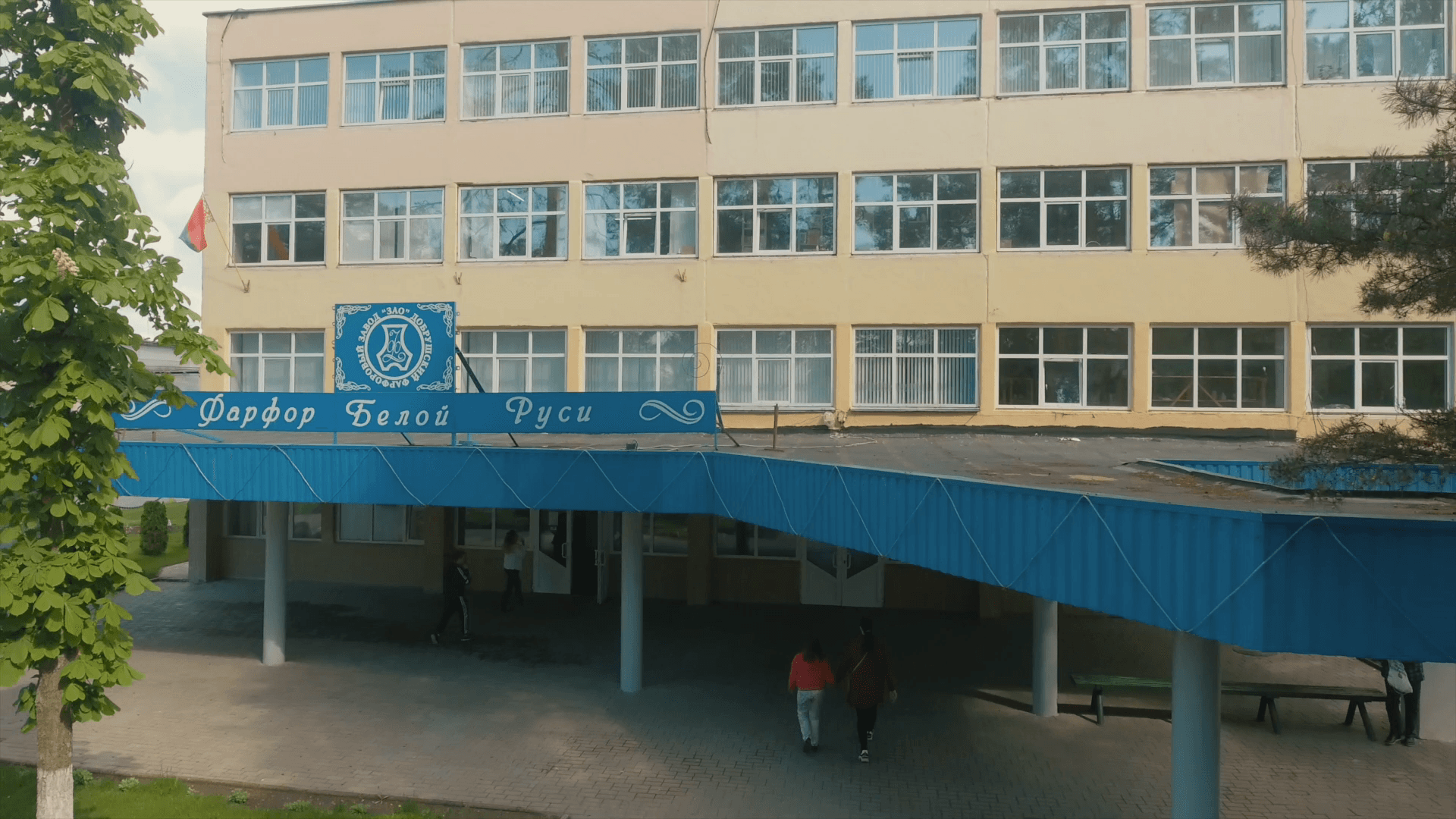
Republic of Belarus, Gomel region, Dobrush, Lesnaya str., 8
Description
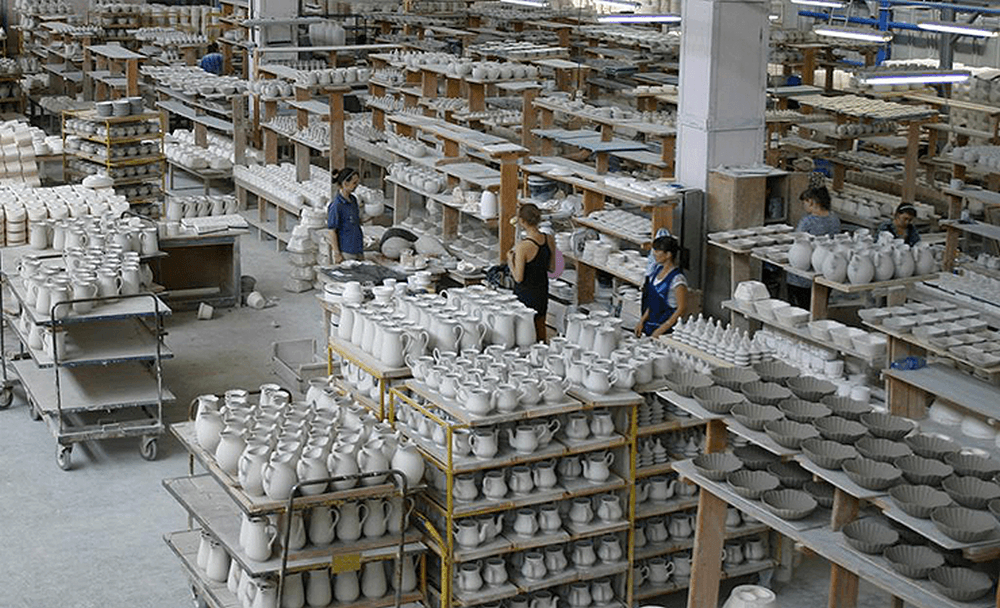
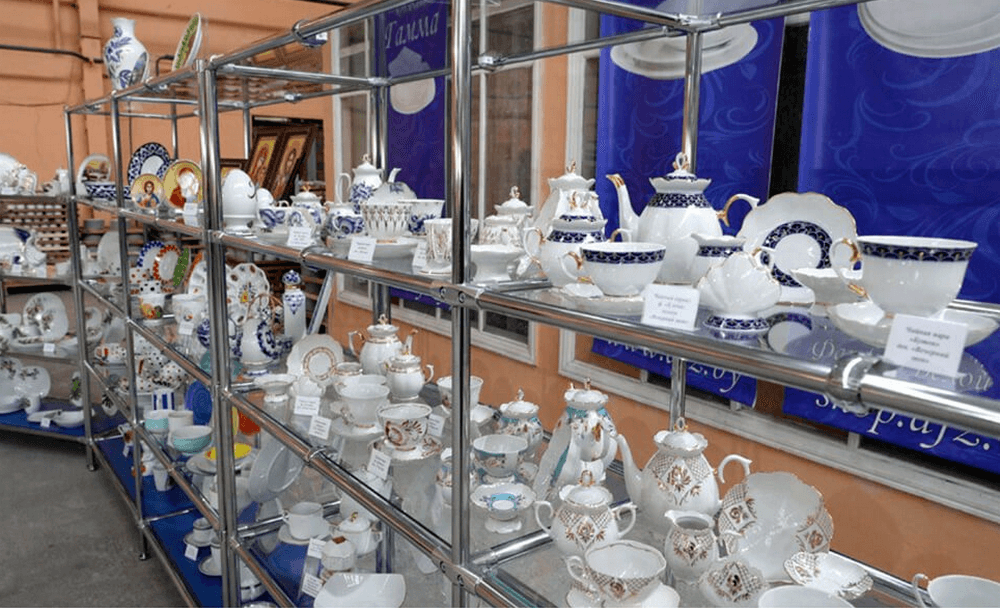
In the Gomel region, in a town called Dobrush, the only fine porcelain factory in Belarus has been operating for more than forty years. This is a place where featureless clay under the presses and the hands of artists turns into the thinnest cups with poppies and golden rims. A tour of the workshops will allow you to see the glowing furnaces, observe the cobalt paintings and find out why Belarusian porcelain is loved from Europe to the south of Russia. And in the company store, you can take a piece of this magic with you - a ringing plate or a collectible statuette.
Categories

With children

Paid
Comments
Reviews to the Place
1Ольга Ерёменко
05.03.2026
Belarusian "Venice" and its porcelain: a trip to the country's only fine tableware factory
In the Gomel region, where the Khoraput River flows into the Iput River, there is a cozy town of Dobrush. These places are sometimes called "Belarusian Venice" because of the abundance of waterways and bridges. But tourists and connoisseurs of beauty are attracted here not only by the romance of the landscapes, but also by the ringing trail left by the hands of craftsmen. For more than forty years, Dobrush has been the heart of Belarusian porcelain: it is home to the only company in the country that produces tableware made of this noble material.
From history: from the first plate to international recognition.
The decision to build a factory in Dobrush was made in 1975, and it was not a random choice. The city was located at the junction of three republics - Russia, Ukraine and Belarus, which promised excellent prospects for logistics. The project was developed by Leningrad specialists, and on December 28, 1978, the company released its first products. Since this date, the history of the Dobrush Porcelain Factory, which celebrated its 45th anniversary in 2023, has been counting down.
The plant went through an era of change: it was both a rental company and a collective property, until it acquired the status of a closed joint-stock company in 1997. But the main thing that distinguishes it today is its large-scale modernization. Since 2007, outdated equipment has been actively replaced here. High-speed tunnel furnaces from the Czech company GRÜN, German SAMA isostatic pressing presses and SACMI spray dryers have been introduced into the production process. Investments in new equipment amount to millions of euros, but they have not only improved the quality (the whiteness of porcelain has increased from 60% to 68%), but also reduced the firing time significantly.
A journey through the workshops.
Getting on an excursion to an existing production facility is a unique chance to see how faceless clay turns into an elegant translucent masterpiece. Acquaintance with the plant usually begins with the mass-harvesting workshop. Here, like chefs in a giant kitchen, they mix the ingredients of the future porcelain. By the way, the raw materials are mostly imported: high-quality white clay (kaolin) comes from Russia and Ukraine, as local deposits, unfortunately, give the products a grayish tint due to iron impurities.
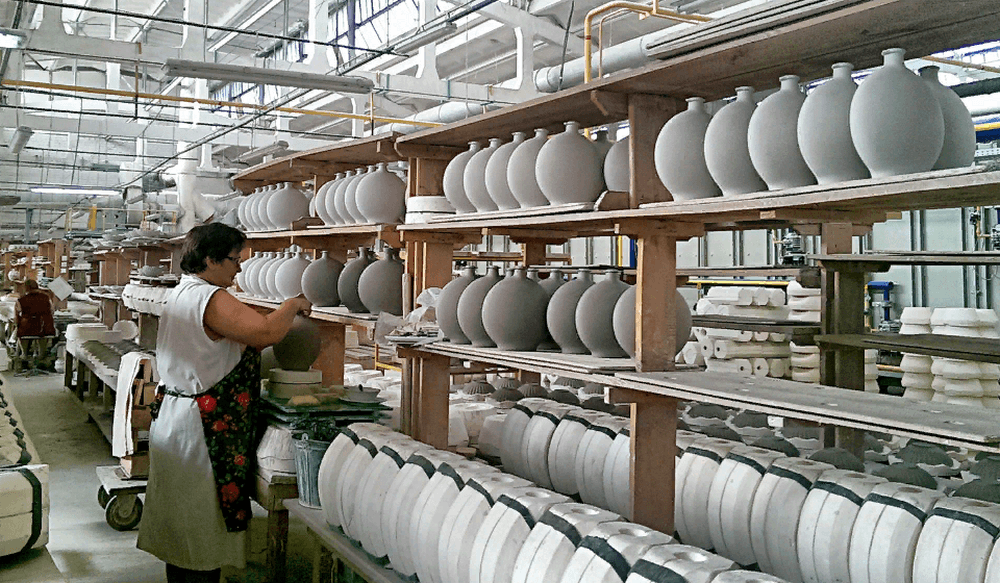
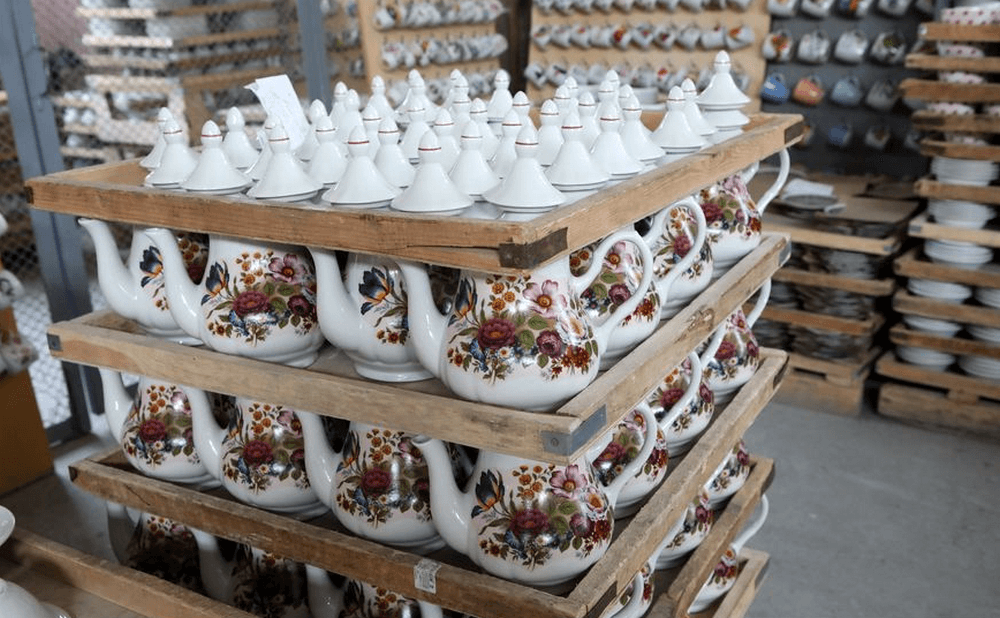
Then the tourists get to the heart of the factory - the molding workshop. Several technologies can be observed here at once. In some areas, craftsmen are still working on casting in plaster molds - this is how shaped kettles, sugar bowls or souvenirs are created. But the bulk of the flat plates are produced on modern isostatic presses. Automation presses the blanks of granular powder with exquisite precision. The most fascinating sight is the roasting shop. Trolleys with white-hot products leave the tunnel furnace rhythmically, as if in a subway, in order to cool down and gain the hardness of stone.
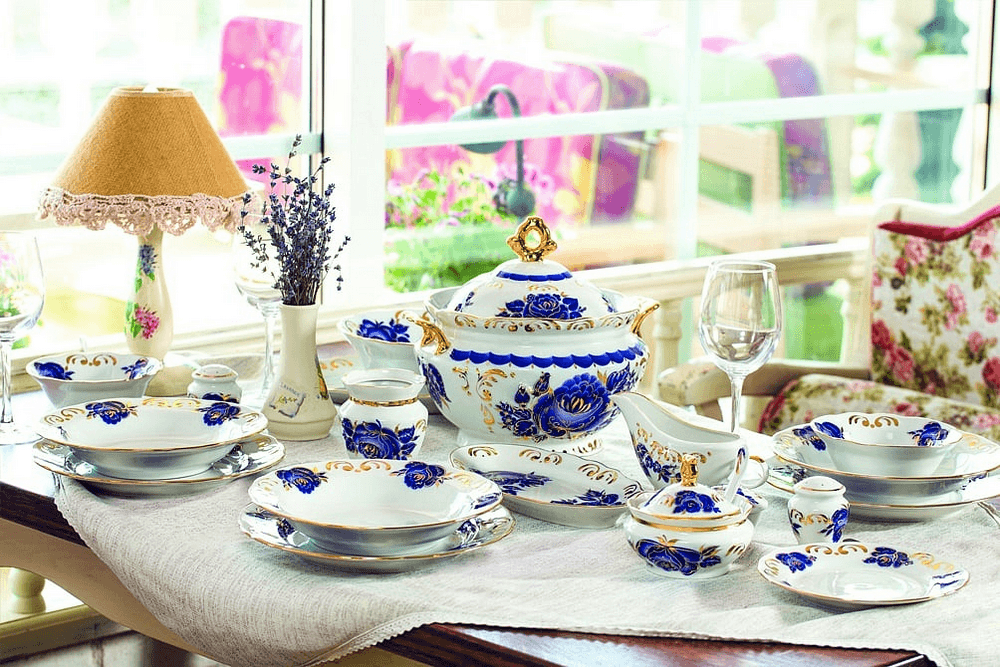
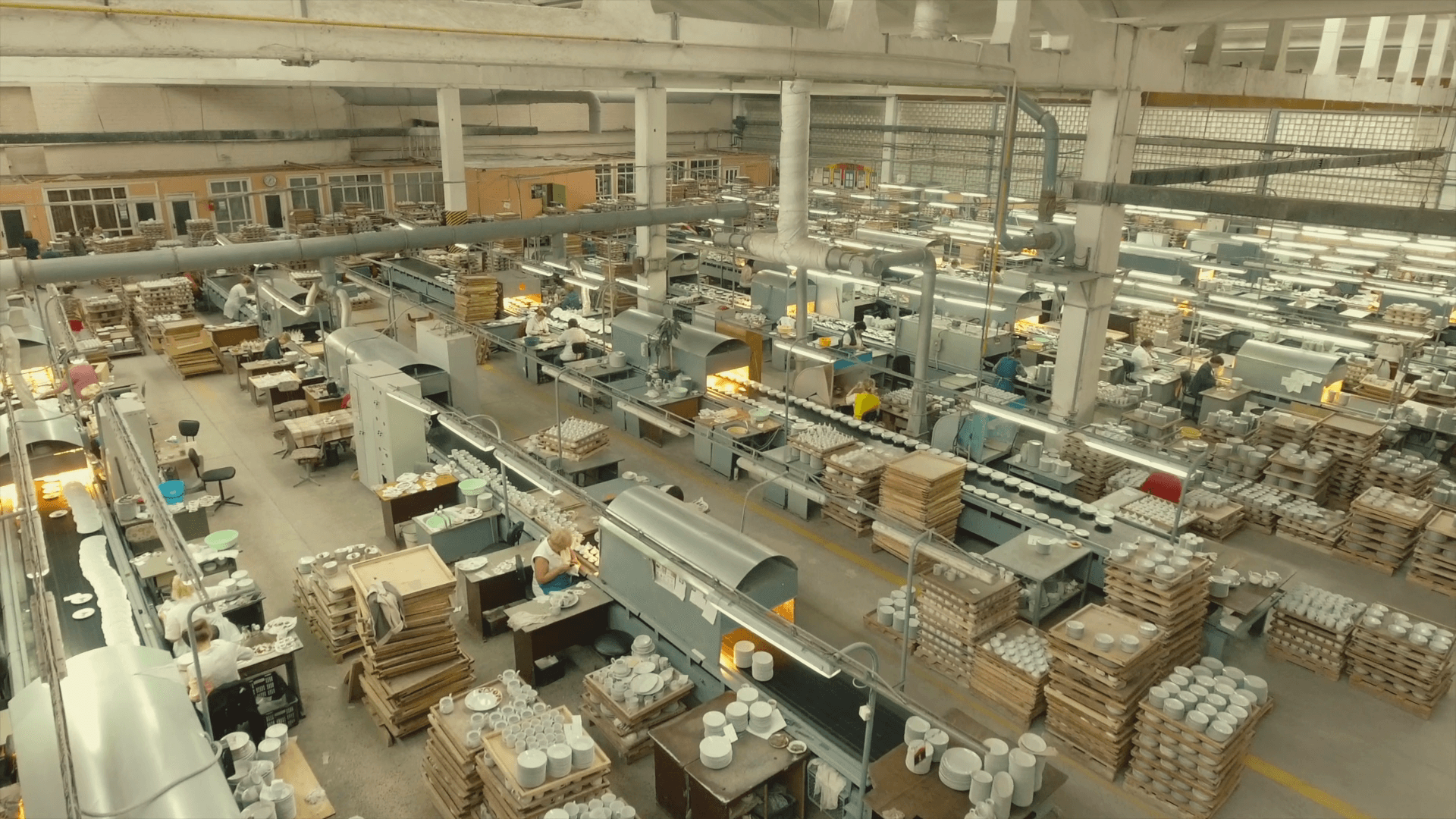
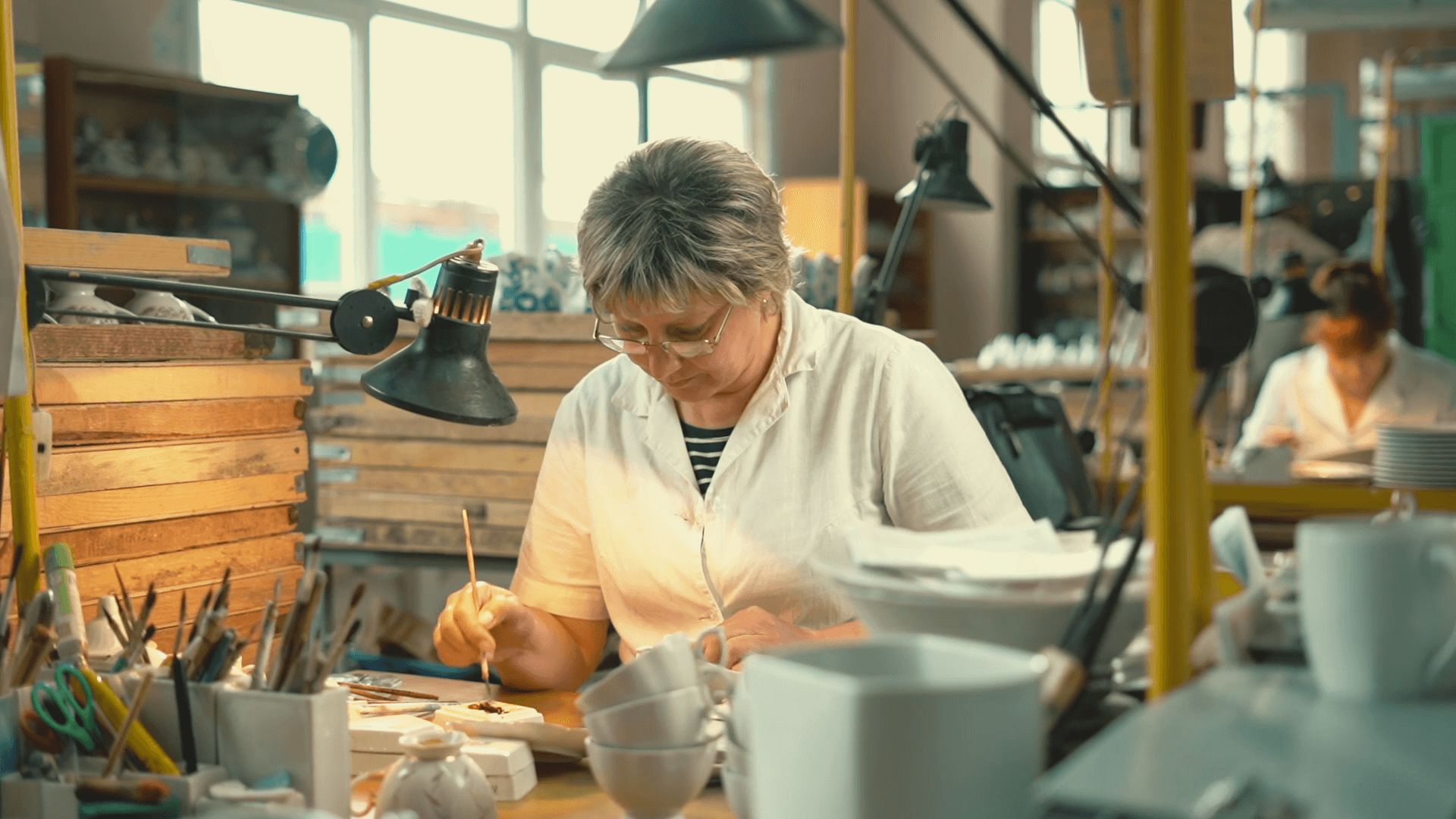
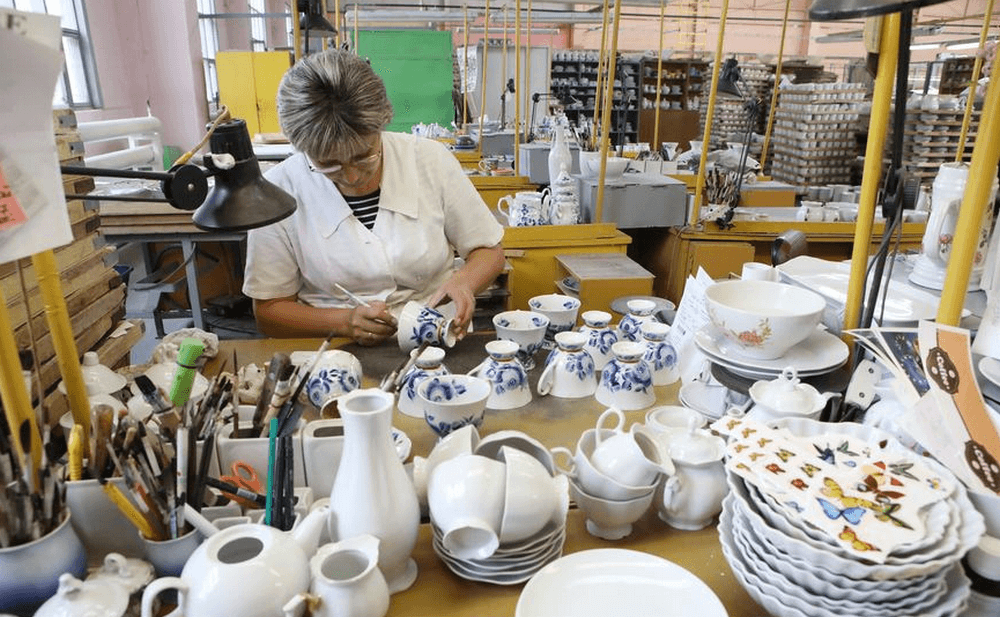
But the real magic, according to visitors, takes place in the painting workshop. This is where art takes over technology. The artists, who can rightfully be considered fairies, paint the dishes by hand. The experienced painter Elena Kolesnikova, for example, works masterfully in the technique of brushstroke painting, and legendary drawings come out from under her brush. Cobalt painting is especially appreciated - it is a long and expensive process, because such products are fired up to four times, and gold is applied to them already in the final.
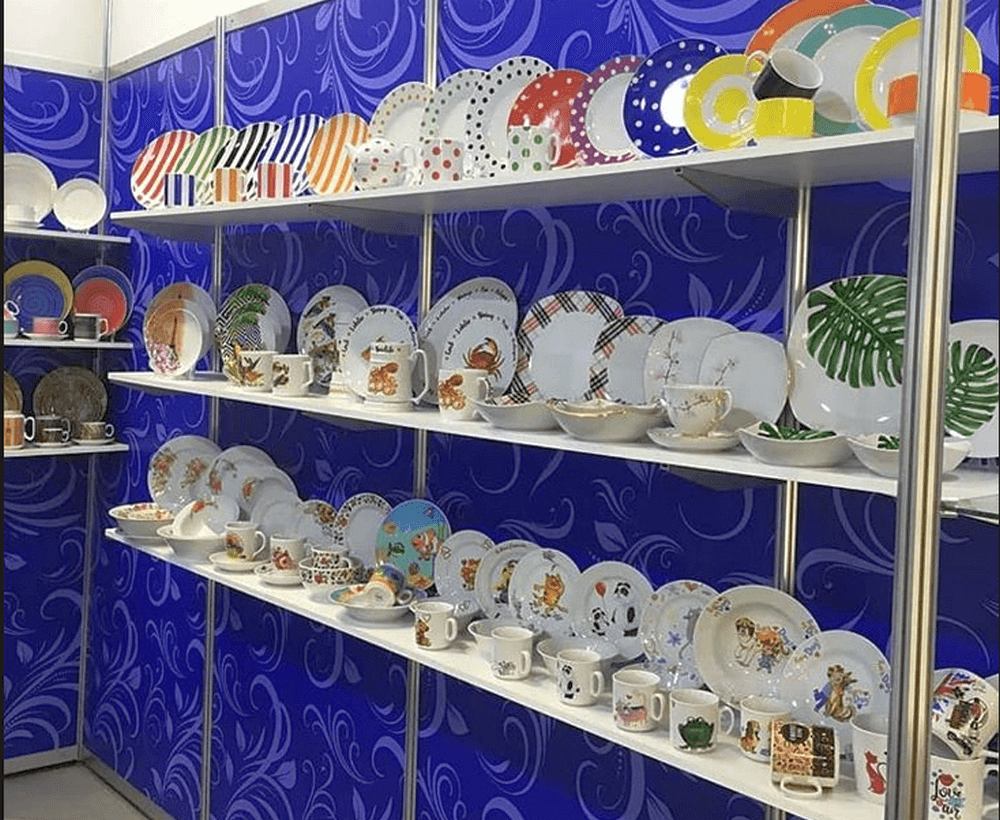
Along with manual labor, modern methods of decoration also coexist: decal (decals) and digital printing. Interestingly, the demand for certain patterns has a pronounced geography. Europeans prefer minimalism - just a white plate with a gold rim. But in the south of Russia and in some other CIS countries, they love a riot of colors: scarlet poppies, lilacs, classic roses and peonies. As they joke at the factory: "We are Slavs - it's in our subcortex".
Pride and keepsakes.
Dobrush porcelain today is not just plates and cups. These are about 5,000 types of products: from strict restaurant sets to cute animal figurines. In 2022, the factory developed an exclusive line with a national flavor - "Charaunitsa" and "Rushnik" sets. One of these sets, "Charaunitsa", was presented to the President of Belarus, who promised that the dishes would take pride of place in the Palace of Independence.
Any tour ends logically and pleasantly with a visit to the company store. Here, the eyes run away: the thinnest cups, through the walls of which the sun shines, elegant vases, collectible figures for the new season. Isn't this the best souvenir from Belarus? Moreover, each customer takes with him not just a thing, but a piece of the very magic that he has just seen with his own eyes, and the sound of Dobrush porcelain, which cannot be confused with anything.