
Dalyokie. The Catholic church of St. Stanislaus.
Church
Republic of Belarus, Braslav district, Vitebsk region, Dalyokie agro-town, Shkolnaya str., 7
Description
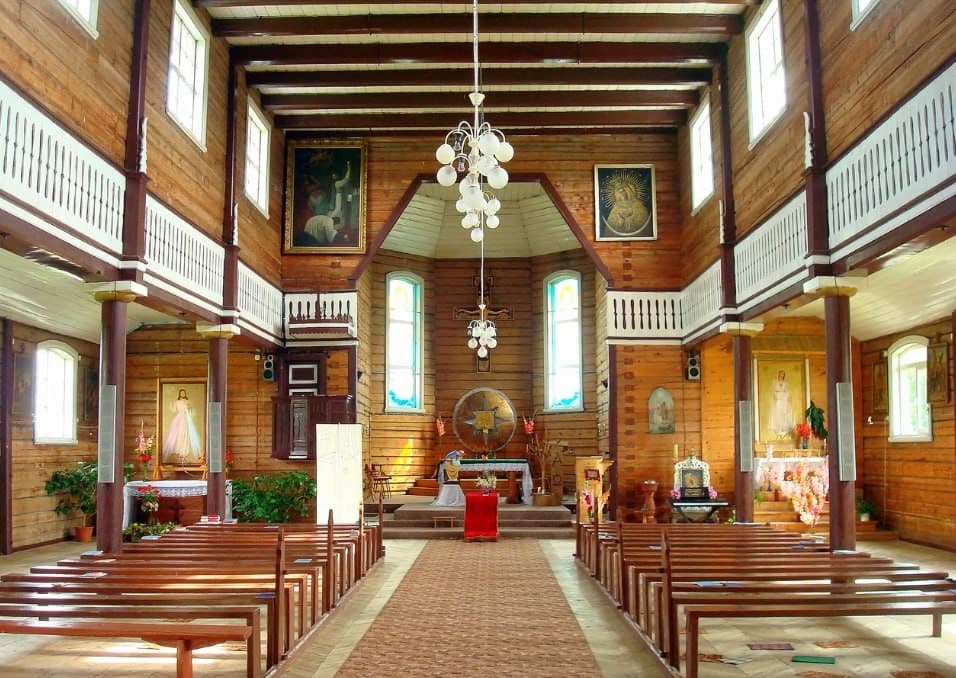
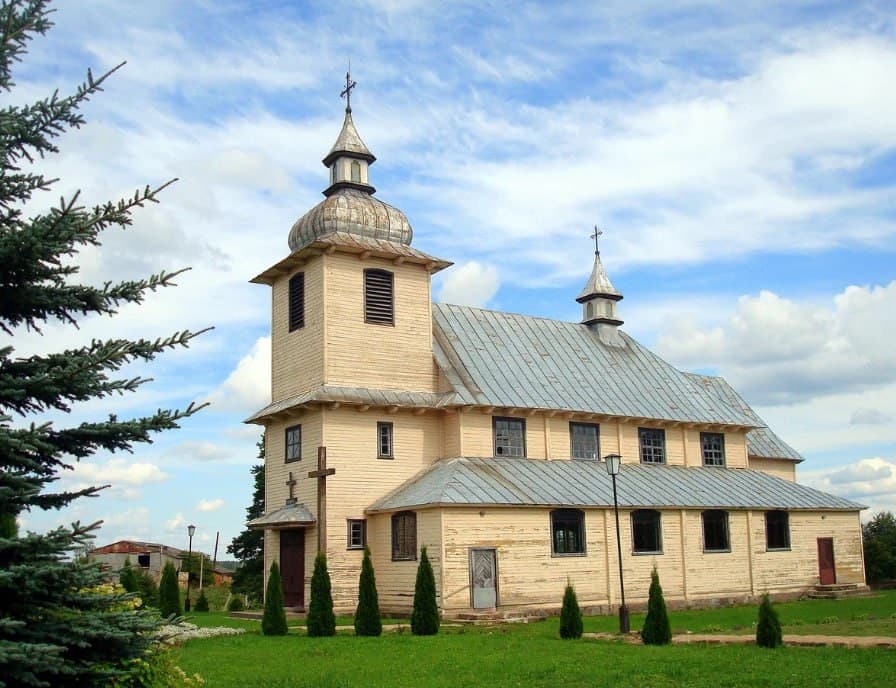
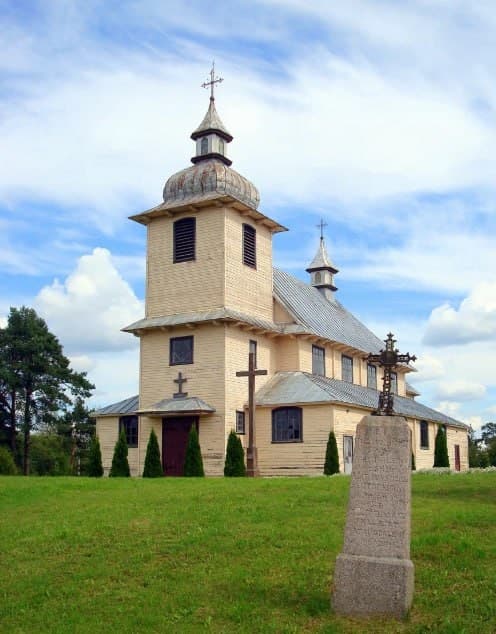
The Catholic church of St. Stanislaus in the agro–town of Dalyokie, Braslav district, Vitebsk region, is a monument of wooden architecture built on the eve of the Great Patriotic War. It is not yet on the maps of 1934, but it survived the hard times of the war and was not destroyed during the years of anti-religious policy, retaining its authentic appearance. The main feature of the church is a cross without a traditional crucifix. It depicts symbols of Passion: pincers, a ladder, a spear and a crown of thorns. The best time to get acquainted is Sunday after the service (about 12 o'clock), when you can chat with the priest and learn the history of this amazing place.
Categories

Historical

Architectural monument
Comments
Reviews to the Place
1Ольга Ерёменко
23.03.2026
The mystery of the wooden church: the Church of St. Stanislaus, which survived the war and time
In the agro-town of Dalyokie, lost among fields and woods, time flows differently. There is no fuss of big cities here, and the main dominant and spiritual center has been an amazing building for almost a century - the Catholic church of St. Stanislaus. This monument of wooden architecture preserves not only the prayers of parishioners, but also architectural mysteries, as well as an amazing story of resilience.
The same age as the war.
One of the main features of this temple is its "date of birth". The church was built literally on the threshold of the Great Patriotic War. If you look at the maps from 1934, you will not find a church at this place. Most likely, it was at the end of the 1930s that active construction was underway, and the temple met the terrible forties with an already existing witness to history.
This fact makes it unique. Unlike many sacred buildings on the territory of Belarus, the church in Dalyokie was practically not damaged. It was not destroyed during the hard times of the war and, most importantly, escaped the fate of many churches during the period of anti-religious policy. It continues to stand in its place, retaining the authentic appearance that the architects conceived more than 80 years ago.
Architectural minimalism with a secret.
At first glance, the church fascinates with its rigor and conciseness, characteristic of the wooden architecture of Western Belarus of that period. This is a classic example of how greatness can be created from a simple tree. But the main miracle awaits you not inside (although the interior also deserves attention), but outside.
Once at the walls of the temple, pay attention to the cross. At first glance, it looks like an ordinary crucifix, but this is only an illusion. In St. Stanislaus Church, you will not see the traditional image of Jesus Christ wearing a crown of thorns. Instead, the cross contains symbols of the Passion of the Lord - objects that became instruments of crucifixion and accompanied the removal from the cross.
This is a rare iconographic solution. Such a cross is called "Golgotha" or "Arma" (from Latin arma Christi - the weapon of Christ). The tongs used to remove nails, a ladder, a crown of thorns, the spear of centurion Longinus and a cane with a sponge are artfully depicted here. This is a silent but very eloquent account of the events of two thousand years ago, conveyed in the language of wooden carvings.
The Church of St. Stanislaus in Dalyokie is an active church. The life of the parish is in full swing here, services are held, and the organ still sounds in the walls.
If you want not only to see the architectural monument, but also to touch its soul, try to look here on a Sunday afternoon. The best time to communicate with the rector (priest) is immediately after Sunday service, around 12 p.m. The local priest is a true keeper of history. He will be happy to tell you details that cannot be found in any tourist brochure: about the fate of parishioners, how the church managed to survive during the hard times, and, of course, explain the meaning of all the symbols scattered around the facade and interior.
Visiting the church is an opportunity to see the living history. A story where wooden walls remember the beginning of the war, but do not remember the devastation, where the cross speaks the language of symbols, and the hospitality of the priest makes the trip not just a sightseeing tour, but a real spiritual encounter.